
Last updated: June 19, 2026
This guide is educational. It is not breeder, purchase, veterinary, allergy, or professional training advice. Use qualified professionals for medical questions, severe behavior issues, and dog-selection decisions with health or safety consequences. See the health disclaimer, affiliate disclosure, and editorial policy.
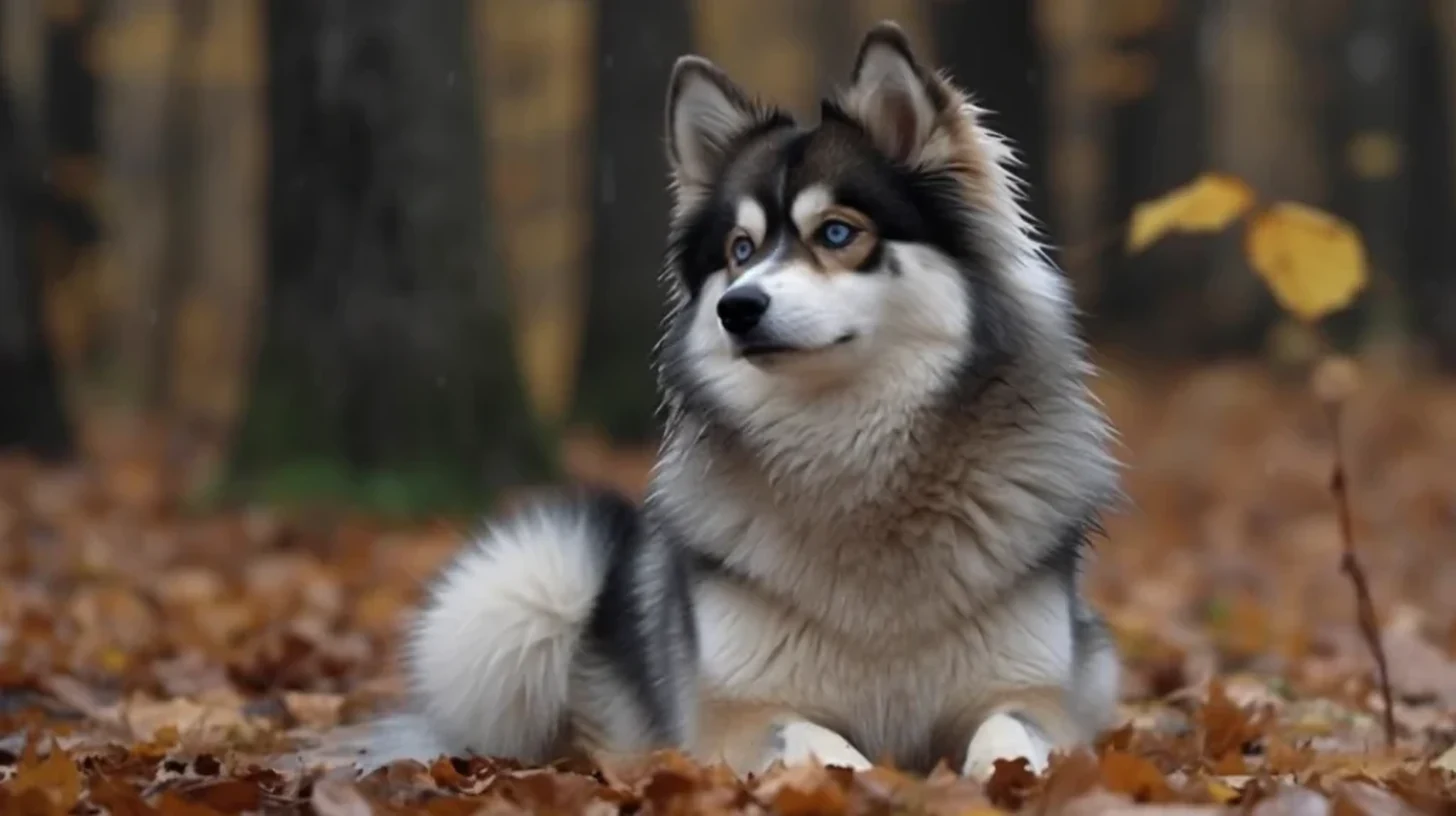
Quick answer: the best dog for you is not the breed that looks most appealing; it is the dog whose training style, energy, grooming, space needs, social needs, and health-care costs fit your real life. A Pomsky can be a good match for owners who want an alert, fluffy, trainable companion and can provide structure, brushing, exercise, and calm routines.
This page updates an old generic "four different dogs" article into a Pomsky-focused owner-fit guide. It compares a Pomsky with four common dog-type examples: a retriever-style family dog, a shepherd-style working dog, a poodle-style low-shed dog, and a hound-style scent dog. Use it before you fall in love with a photo, a puppy listing, or a single training video.
Pomsky vs 4 Different Dog Types at a Glance
Self-contained answer: choose a Pomsky if you want a small-to-medium spitz-style companion and can manage brushing, training, exercise, and routine. Choose a retriever-style dog if you want a more classic family activity partner, a shepherd-style dog if you can provide serious mental work, a poodle-style dog if coat allergies and grooming planning matter, or a hound-style dog if you enjoy scent-driven independence.
| Dog type | Best fit | Hard part to plan for |
| Pomsky | Owners who like fluffy spitz-type dogs and can build structure around grooming, training, and activity. | Variation in size, coat, independence, energy, noise, and prey interest. |
| Retriever-style | Families and active owners who want a social, people-oriented dog and can provide exercise and weight control. | Shedding, enthusiasm, mouthiness in youth, and daily exercise needs. |
| Shepherd-style | Experienced or highly committed owners who enjoy training, mental work, and clear routines. | High drive, guarding tendencies, sensitivity, and need for purposeful work. |
| Poodle-style | Owners who want a highly trainable dog and are prepared for regular coat maintenance. | Professional grooming, coat upkeep, and mental stimulation. |
| Hound-style | Owners who enjoy scent work, sniffing walks, and a friendly but independent personality. | Recall difficulty, food focus, scent distraction, and possible vocal behavior. |
Start With Owner Fit, Not Breed Hype
Breed descriptions can help you ask better questions, but they should not be treated as guarantees. Even within one breed or mix, dogs vary by genetics, early handling, health, age, training history, confidence, and household environment. A good decision starts with the daily routine you can actually provide.
Write down your available walking time, grooming tolerance, training consistency, work schedule, yard or apartment setup, noise tolerance, children, other pets, travel, and budget. Then choose the dog whose hard days still look manageable. If the hard days already look impossible, the match is weak even if the dog is beautiful.
Where a Pomsky Fits Best
A Pomsky usually fits best with someone who enjoys spitz-type looks but understands that care does not stop at appearance. Many Pomskies need brushing, structured training, mental enrichment, safe exercise, calm rest, and clear house rules. The Pomsky care overview explains the daily system in more detail.
Choose a Pomsky only if you can handle uncertainty. A Pomsky may be smaller or larger than expected, quieter or more vocal, more people-focused or more independent, and easier or harder to train than a simple breed summary suggests. If you need a very predictable working profile, a well-documented purebred or a known adult dog may be easier to evaluate.
Pomsky vs Retriever-Style Family Dog
Golden Retrievers are often used as an example of a social, active family dog. Compared with that style, a Pomsky may be smaller and more spitz-like, but not necessarily easier. A retriever-style dog often needs exercise, training, grooming, weight control, and social manners; a Pomsky needs many of the same things with more variation in coat and temperament.
If your household wants a dog for hikes, fetch, family routines, and daily social life, both types can work. If your household wants a dog that is automatically calm, easy, and low-maintenance, neither should be chosen casually. Look at your time for adolescence, not just the first week.
Pomsky vs Shepherd-Style Working Dog
German Shepherds are a common example of a highly capable working-style dog. They can thrive with training, exercise, mental work, and clear leadership, but they are a serious commitment. A Pomsky is usually not the same kind of working dog, yet many Pomskies still need structure and may become noisy, restless, or destructive without outlets.
Choose a shepherd-style dog if you actively want advanced training, daily mental work, and a stronger working partnership. Choose a Pomsky if you want a companion dog with training needs but not necessarily the same intensity. In both cases, under-training a smart dog is usually more expensive than planning for training early.
Pomsky vs Poodle-Style Low-Shed Dog
Poodles are often considered by households that care about shedding and training. A Poodle-style dog can be very trainable, but the coat does not maintain itself. Professional grooming, brushing, ear care, and coat appointments should be part of the budget before choosing one.
A Pomsky may have a dense double coat and seasonal shedding, so it should not be selected as a low-shed shortcut. If allergies are part of the decision, spend real time around the dog type and get medical advice. No article can promise that a specific dog will be safe for every allergic household.
Pomsky vs Hound-Style Scent Dog
Beagles are a useful example of a friendly, scent-driven hound. Hound-style dogs can be affectionate and fun, but their noses can make recall and focus difficult in distracting places. A Pomsky can also have prey interest and independent moments, but the pattern is not the same as a scent hound.
If you enjoy sniffing walks, food puzzles, scent games, and careful leash management, a hound-style dog may suit you. If you want a fluffy companion with spitz traits and are ready for brushing and structure, a Pomsky may suit you better. If you expect instant off-leash reliability, both choices need a reality check.
Training Fit Matters More Than Trainability Labels
"Easy to train" is often oversimplified. A dog can learn quickly and still be difficult if it is overexcited, fearful, independent, distracted, or under-exercised. A dog can also be slower but easier to live with because the household gives clear routines and rewards the right behavior.
For a Pomsky, start with name response, recall foundations, leash manners, settle, grooming handling, crate or pen rest, drop it, leave it, and calm greetings. Use the Pomsky training hub and Pomsky puppy schedule for age-specific routines.
Exercise and Mental Work
Exercise needs should be matched to the individual dog rather than copied from one breed list. A bored dog may bark, chew, dig, steal, jump, or chase. An overtired dog may do the same. The answer is usually a better balance of movement, sniffing, training, rest, and management.
Pomskies often benefit from walks, sniffing, short training, food puzzles, controlled play, and rest windows. Retriever-style dogs may need more retrieving and family activity. Shepherd-style dogs may need more problem-solving. Hounds may need scent outlets. Poodle-style dogs may need mental work and coat appointments built into the routine.
Grooming and Shedding Should Change Your Decision
Coat care is one of the biggest owner-fit filters. A fluffy dog is not just a look; it is time, tools, patience, and skin monitoring. Pomskies often need regular brushing and coat checks. Poodles often need professional coat maintenance. Retrievers and shepherds can shed heavily. Hounds may be lower coat maintenance but still need nails, ears, teeth, and skin checks.
Before choosing by appearance, read the Pomsky brush guide, Pomsky shampoo guide, and coat shine guide. If you cannot imagine brushing during shedding season, a Pomsky may not be the easiest fit.
Space, Apartment Life, and Noise
Size alone does not decide apartment fit. A smaller dog can still be loud, restless, reactive, or difficult to settle. A larger dog can sometimes be calmer indoors if exercise and training are consistent. The real questions are noise tolerance, elevator and hallway manners, potty access, safe rest space, neighbor proximity, and your daily schedule.
A Pomsky in an apartment needs calm routines, enrichment, leash manners, and management of barking or arousal. A yard helps only if the owner still trains and supervises. A yard is not a replacement for engagement, and apartment life is not automatically disqualifying when the routine is realistic.
Children, Other Pets, and Socialization
Family fit depends on the individual dog and the household rules. Children need supervision and coaching, and dogs need safe retreat spaces. Other pets need careful introductions, management, and realistic expectations around chasing, guarding, food, toys, and space.
The AVMA socialization guidance supports thoughtful exposure, but socialization should not mean forcing every greeting. For any dog type, confidence is built through safe, controlled experiences the dog can recover from. If your Pomsky freezes, hides, lunges, barks sharply, or cannot take food, the situation is too hard at that moment.
Health Planning and Budget
Every dog type needs routine veterinary care, parasite prevention, dental planning, grooming or nail care, food, equipment, emergency funds, and time. Merck's routine-care source and ASPCA's general-care guidance are useful reminders that care is ongoing, not a one-time purchase.
Use the Pomsky cost guide and Pomsky supplies checklist before choosing. The best dog for you should fit the budget you can sustain after the exciting first month.
When a Pomsky Is a Good Choice
- You like spitz-type dogs and can accept variation in size, coat, and personality.
- You can brush, inspect skin, and handle seasonal shedding.
- You can train in short reward-based sessions most days.
- You can provide exercise, sniffing, enrichment, and rest instead of only high excitement.
- You are ready for puppy or adolescent management, not just cute photos.
- You can budget for veterinary care, food, grooming tools, and safe equipment.
When a Pomsky May Not Be the Best Choice
- You need a guaranteed tiny adult size, coat type, or personality.
- You want a very low-shed or low-grooming dog.
- You expect a dog to be calm without daily structure.
- You need immediate off-leash reliability.
- You are choosing mostly because of blue eyes, viral photos, or a "mini husky" idea.
- Your schedule cannot support potty training, supervision, grooming, exercise, and rest.
How to Choose the Best Dog for You
- List your non-negotiables. Include allergies, housing limits, time away from home, noise limits, children, other pets, grooming budget, and exercise ability.
- Choose by routine, not appearance. Ask whether you can meet the dog's needs on a busy weekday, not only on a perfect weekend.
- Compare training style. Decide whether you want a highly social family dog, a focused working partner, a low-shed grooming project, a scent-driven hound, or a spitz-style companion.
- Meet real dogs when possible. A known adult dog can sometimes be easier to evaluate than a puppy whose adult size and temperament are uncertain.
- Plan the first ninety days. Include food, potty routine, crate or pen setup, vet care, socialization, grooming, training, and safe management.
Common Mistakes When Choosing a Dog
- Choosing a Pomsky only because it looks like a small husky.
- Assuming a small dog is automatically easier in an apartment.
- Assuming a low-shed dog has low grooming needs.
- Comparing puppy cuteness instead of adult routine.
- Ignoring barking, prey interest, separation stress, and social confidence.
- Skipping the cost of food, grooming, training, parasite prevention, dental care, and emergencies.
- Trusting a single "best dog" list instead of matching the dog to your household.
How This Page Fits the Rest of Apomsky
This is the broad owner-fit page for choosing whether a Pomsky makes sense. For a breed comparison, see Klee Kai vs Pomsky and Corgi Pomsky mix. For tiny-dog expectations, see teacup and toy Pomsky cautions. For daily ownership after choosing, use the healthy routine guide.
If you already have a Pomsky puppy, start with the new puppy care guide, potty training guide, and crate size guide. This page helps before the decision; those pages help after the dog is home.
Bottom Line
A Pomsky is not automatically the best or worst dog for a household. It is a strong match when the owner wants a fluffy, alert companion and can manage training, grooming, exercise, rest, socialization, and health planning. It is a weak match when the owner wants guaranteed traits, very low care, or a dog selected mainly for looks.
Sources
This guide uses current accessible breed, care, socialization, and routine health sources. It is informational and not veterinary, training, breeder, or purchase advice.
- Chewy - Pomsky breed guide
- Chewy - Golden Retriever breed guide
- Chewy - German Shepherd breed guide
- Chewy - Poodle breed guide
- Chewy - Beagle breed guide
- ASPCA - general dog care
- AVMA - socialization of dogs and cats
- Merck Veterinary Manual - routine health care of dogs
- American Kennel Club - breed selector