
Quick answer: Pomskies are not considered hypoallergenic. Both parent breeds shed, and dog allergens come from dander, saliva, and urine as well as hair, so coat appearance cannot guarantee that a person with allergies will tolerate an individual dog.
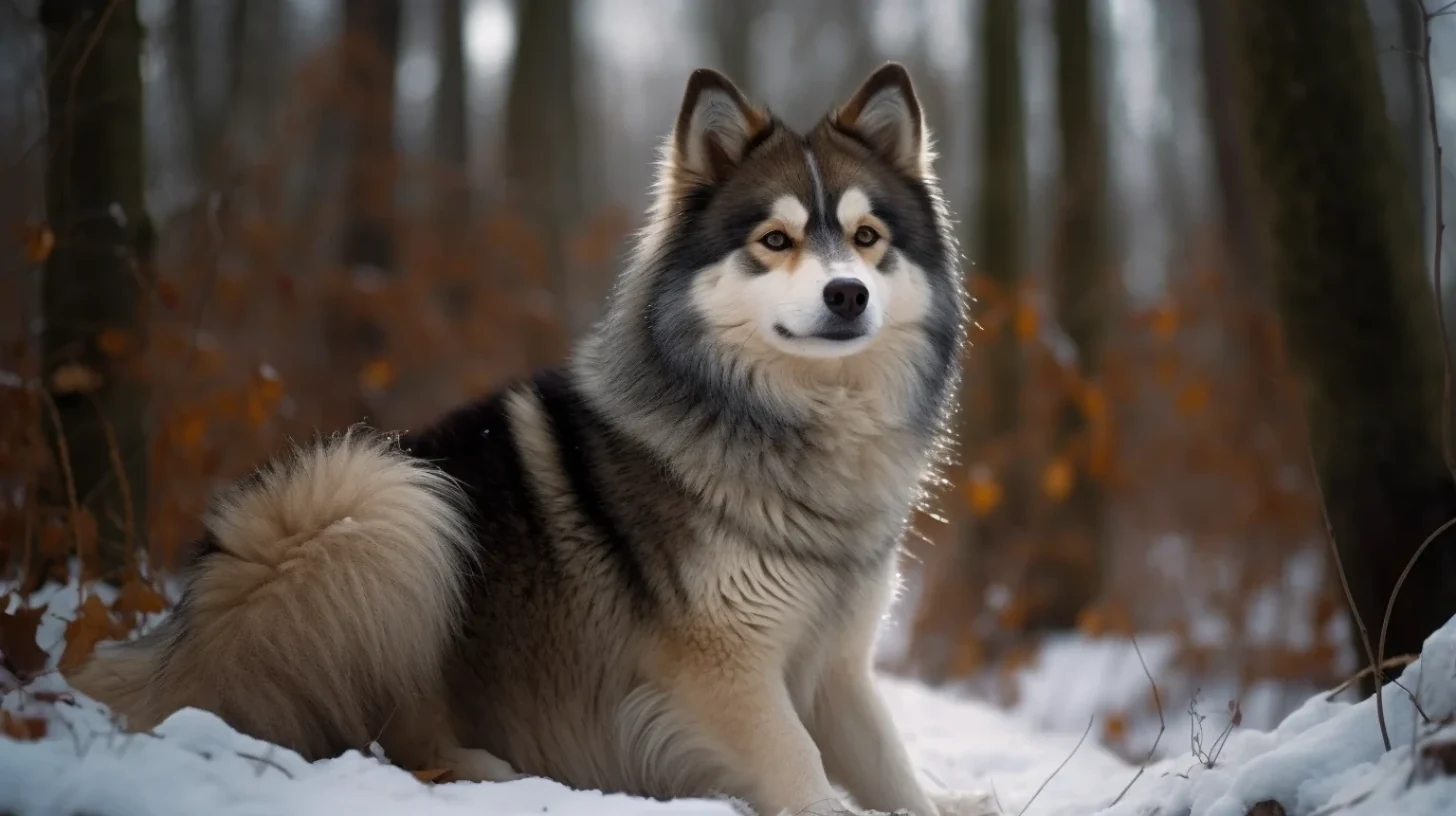
Written and reviewed by A Pomsky Editorial Team. Published 2026-06-19; last reviewed July 25, 2026.
This page is educational, not medical or veterinary advice. People with asthma, severe allergies, or uncertain symptoms should consult a qualified medical professional before choosing or living with any dog. See the health disclaimer, affiliate disclosure, and editorial policy.
Quick answer: Pomskies are not reliably hypoallergenic. A Pomsky may shed lightly, moderately, or heavily depending on the individual coat, but dog allergies are not caused by hair alone. Allergens can come from dander, saliva, urine, and particles carried on the coat, so no Pomsky should be treated as allergy-safe for every person.
The old version of this page framed "hypoallergenic Pomskies" too optimistically. This rewrite keeps the search intent, but changes the answer to a safer, source-backed guide for allergic households: what "hypoallergenic" really means, what Pomsky coat types can and cannot predict, how to test exposure, and what practical grooming and cleaning routines can reduce risk.
Are Pomskies Hypoallergenic?
Self-contained answer: Pomskies are not a dependable hypoallergenic dog choice. Some individual Pomskies may bother one allergic person less than another dog does, but that is not a guarantee. If allergies matter, judge the individual dog, not the breed label, and get medical guidance before making a long-term commitment.
Dog allergies are personal. One person may react strongly to a dog that another allergic person tolerates. A Pomsky's coat length, color, fluff, size, and photos do not prove how a specific person will respond. The only responsible position is to treat "hypoallergenic Pomsky" as a marketing phrase, not a medical promise.
What Hypoallergenic Usually Means
In everyday dog articles, "hypoallergenic" usually means a dog is expected to shed less or spread fewer allergens around the home. It does not mean allergen-free. For a Pomsky owner, the practical question is not whether the dog has a fashionable label. The practical question is whether the household can tolerate the individual dog with a realistic grooming, cleaning, and medical plan.
Low-shedding dogs can still carry allergens. Heavy-shedding dogs can sometimes be tolerated by a specific person if symptoms are mild and management is strong. The label is too broad to make a safe decision by itself.
Think of the label as a starting question: "How much coat care and exposure planning will this dog require?" It should not be the final answer. The final answer depends on the person, the individual dog, the home layout, the cleaning routine, the dog's skin and coat condition, and whether symptoms remain manageable over time.
Why Hair Is Not the Whole Allergy Problem
Hair is visible, but allergens are often connected to dander, saliva, urine, and tiny particles that collect on hair, bedding, floors, furniture, and clothing. A dog that sheds less hair can still spread allergen-containing particles. A dog that sheds more hair can increase cleaning load and surface contact.
This is why a photo of a fluffy Pomsky tells you almost nothing about allergy safety. Coat appearance can help you plan brushing and cleaning, but it does not replace personal exposure or medical advice.
Why Pomsky Coat Types Are Hard to Predict
A Pomsky is a mixed dog influenced by Pomeranian and Siberian Husky ancestry, and individual coats can vary. Some coats are dense and double-coated. Some are softer or less dramatic. Some change with age, season, hormones, grooming, climate, and skin health.
Because Pomskies are not a standardized low-shed breed, it is risky to assume that a puppy will stay low-shedding as an adult. Puppy coat, adult coat, seasonal undercoat, and individual genetics can create very different grooming needs.
Pomsky Allergy and Shedding Risk Table
Use this table as a screening tool, not a diagnosis. It helps you ask better questions before choosing a Pomsky or trying to manage symptoms in a home that already has one.
| Factor | What it may mean | What to do |
| Dense double coat | More undercoat can increase brushing and cleaning workload. | Plan regular brushing, coat checks, and seasonal shedding management. |
| Low-shed claim | May describe hair loss, not true allergy safety. | Ask for individual exposure time and avoid medical promises. |
| Itchy or flaky skin | Skin irritation can increase dander and discomfort. | Use veterinary guidance; do not solve repeated itching with shampoo alone. |
| Allergic household member | Symptoms can vary from mild irritation to asthma risk. | Speak with a clinician before bringing the dog home. |
| Unclear grooming plan | Allergen and hair buildup can become harder to control. | Set brushing, bedding, vacuuming, and bedroom rules before problems start. |
Are F1B or Poodle-Mix Pomskies Safer for Allergies?
An F1B or Poodle-influenced Pomsky may be promoted as more allergy-friendly, but that wording should be handled carefully. A curlier or lower-shedding coat may reduce loose hair in some homes, but it does not prove lower allergen exposure for every person.
Mixed labels also do not predict one exact adult coat. If a dog has Poodle influence, ask about the individual dog's coat, shedding history, grooming needs, skin health, and family exposure history. Then spend time around the dog before deciding. Do not rely on generation labels alone.
Do Pomskies Shed a Lot?
Many Pomskies shed because both Pomeranians and Siberian Huskies can contribute dense coat traits. Some Pomskies shed seasonally, some shed steadily, and some appear lower-shedding than expected. The problem is not only how much hair lands on the floor; it is how the coat holds dander, saliva residue, outdoor particles, and skin debris.
For the deeper shedding question, the separate guide Do Pomskies Shed a Lot? should become the canonical shedding page. This page stays focused on allergy expectations and decision-making.
What to Ask Before Choosing a Pomsky
Allergy-prone households need more than a cute photo. They need clear answers and time with the individual dog. If anyone in the home has asthma, severe allergies, or a history of strong dog reactions, treat the decision as a health planning issue, not a simple breed preference.
- Has the allergic person spent time near this dog or similar Pomskies?
- Did symptoms appear immediately, hours later, or after repeated exposure?
- Is the household willing to keep the bedroom dog-free if symptoms require it?
- Can someone handle brushing and bathing tasks if the allergic person should not?
- Is there a medical plan for asthma, wheezing, itchy eyes, congestion, hives, or worsening symptoms?
- What happens if symptoms are not manageable after the dog comes home?
Red Flags in Allergy-Friendly Claims
Be careful with any description that makes allergy comfort sound certain. Safer descriptions talk about the individual dog's coat, known shedding history, grooming needs, skin condition, and time spent around the dog. Riskier descriptions treat the breed label as if it can answer a medical question.
- Be cautious if the claim ignores dander, saliva, urine, and particles carried on hair.
- Be cautious if the claim says every person with allergies should be comfortable around the dog.
- Be cautious if no one asks about asthma, symptom history, medications, or household cleaning limits.
- Be cautious if you are discouraged from spending realistic time around the dog first.
A responsible allergy discussion should leave room for uncertainty. If the answer sounds too simple, it probably is.
Best Pomsky Type for Allergy Sufferers
There is no single best Pomsky type for allergy sufferers. The safest answer is the individual dog that the allergic person has actually tolerated during realistic exposure, with a grooming and cleaning routine the household can maintain. A breeder, shelter, seller, or article should not promise that a Pomsky will be safe for allergies.
If you are comparing dog types, the dog choice guide explains why allergy planning may push some households toward other coat types or away from dog ownership until symptoms are better understood.
How to Test Your Reaction Before Committing
A single five-minute cuddle is not enough for many allergic people. Symptoms may show up after time, after the dog licks skin, after sitting in a room with bedding and rugs, or after the coat is brushed. Use calm, realistic exposure rather than an exciting one-time visit.
- Ask a medical professional how to approach exposure safely, especially if asthma is involved.
- Spend time in a normal indoor environment with the dog, not only outdoors.
- Notice immediate and delayed symptoms: eyes, nose, throat, skin, breathing, coughing, wheezing, fatigue, or sleep.
- Repeat exposure if the clinician says it is appropriate and symptoms are mild enough to monitor.
- Do not commit if symptoms are severe, escalating, or hard to control.
Keep notes after each exposure. Record where you were, how long you stayed, whether the dog licked skin or clothing, whether the coat was brushed nearby, and what symptoms appeared later. These notes are more useful than trying to remember how you felt during a happy first meeting.
Home Management If You Already Have a Pomsky
If a Pomsky is already in the home, focus on reducing allergen buildup and protecting the allergic person's most important spaces. Management cannot guarantee symptom control, but it can make the home more predictable.
- Brush the dog regularly, ideally handled by someone without symptoms.
- Use washable bedding and clean it on a routine.
- Keep the dog out of the allergic person's bedroom if symptoms require it.
- Vacuum and dust frequently, especially where hair and dander collect.
- Consider air filtration based on clinician advice and home setup.
- Wash hands after petting, grooming, or handling bedding.
- Address itchy skin, flakes, odor, fleas, ticks, or hot spots quickly with veterinary guidance.
Grooming Routine for Allergy-Prone Homes
Grooming is not just cosmetic in an allergy-prone household. Brushing removes loose coat, finds mats, checks skin, and can reduce the amount of hair moving through the house. The Pomsky brush guide, coat shine guide, and Pomsky shampoo guide cover product and routine details.
Do not over-bathe in an attempt to erase allergies. Too much bathing, harsh shampoo, poor rinsing, or damp undercoat can irritate skin. Irritated skin can make the dog uncomfortable and may worsen flakes or odor. Ask a veterinarian when itching, redness, hair loss, odor, greasy skin, ear debris, or repeated licking appears.
Cleaning Routine That Is Realistic
Allergy plans fail when they depend on perfect cleaning forever. Build a routine that the household can actually repeat: washable dog bedding, predictable brushing, frequent vacuuming where hair collects, clean throws on furniture if the dog is allowed there, and a clear rule for bedrooms.
If the only way to tolerate the dog is constant deep cleaning, the match may not be sustainable. A good plan should protect human health and still allow the dog to live comfortably.
Bedroom, Sofa, and Laundry Rules
Bedrooms are often the first boundary to consider because people spend long, repeated hours there. If the allergic person wakes with congestion, coughing, itchy eyes, or worse asthma symptoms, the bedroom should not be treated as a casual shared space. Keep bedding washable, limit fabric clutter, and decide where the dog can rest before habits are established.
Sofas and throws need the same practical thinking. If the Pomsky is allowed on furniture, use washable covers and clean them consistently. If cleaning falls behind quickly, the rule is too hard for the household. Laundry plans matter because hair and dander move on clothing, blankets, dog beds, towels, and grooming cloths.
When a Different Dog Type May Be More Realistic
Some households can manage a Pomsky with allergies. Others should compare dog types before choosing. A lower-shedding breed or an adult dog with known coat behavior may be easier to evaluate than a young Pomsky puppy whose adult coat is unknown. In some homes, waiting until symptoms are better understood is the most responsible choice.
This is not a judgment about Pomskies. It is a practical fit question. The right dog is the one the household can care for without making human health or the dog's daily life unstable.
When Allergy Symptoms Mean You Should Pause
Pause or reconsider the decision if someone has wheezing, asthma flares, trouble breathing, severe hives, escalating symptoms, poor sleep, or symptoms that do not improve with a clinician-approved plan. Do not let pressure from a seller or a family member override health concerns.
Children, people with asthma, and people with severe allergy histories need especially careful planning. This guide cannot tell you whether a Pomsky is safe for a specific person.
Pomsky Skin Allergies Are a Different Topic
This page is about humans reacting to dog allergens. Pomskies can also have their own skin, food, flea, or environmental allergy concerns. Those dog-health issues are different and should be handled with a veterinarian. Repeated scratching, hot spots, hair loss, ear problems, vomiting, diarrhea, or paw licking should not be treated as a simple household-allergen problem.
For broader health routines, use the healthy Pomsky routine guide and Pomsky health mistakes checklist.
How This Page Fits the Shedding and Allergy Cluster
Apomsky has several older shedding and allergy pages. This page should act as the main answer to "Are Pomskies hypoallergenic?" The shedding page should answer how much Pomskies shed. Other thin or duplicate allergy pages should later be reviewed for merge, canonical, internal link, or noindex decisions after the site has more stable index data.
For now, this rewrite avoids a bulk redirect or noindex action. It strengthens one page first, because the site is still in guarded optimization mode.
Bottom Line
A Pomsky is not a dependable hypoallergenic choice for every household. If allergies matter, the safe decision process is medical guidance, realistic exposure to the individual dog, a repeatable grooming and cleaning plan, and a willingness to walk away if symptoms are serious. Coat type can guide grooming expectations, but it should never be treated as a medical guarantee.
Sources
This guide uses allergy-organization, veterinary, breed-background, and indexed research sources. It is educational and not medical or veterinary advice.
- AAAAI - pet allergy
- AAAAI - dog myths and allergies
- ACAAI - pet allergies
- AAFA - pet, dog, and cat allergies
- PubMed - dog allergen levels and hypoallergenic breeds
- VCA - hypoallergenic dog breeds
- VCA - grooming and coat care
- AKC - hypoallergenic dogs
- AKC - do hypoallergenic dogs exist
Evidence and related Pomsky guides
These sources support only their stated claim scopes; they do not guarantee an individual Pomsky outcome.
Sources reviewed for this page
- American Kennel Club: Pomeranian Dog Breed Information
- American Kennel Club: Siberian Husky Dog Breed Information
- American Animal Hospital Association: AAHA-AVMA Canine Preventive Healthcare Guidelines