
Last updated: June 18, 2026
This guide is educational and not veterinary advice. Use your veterinarian for vaccine, parasite, illness, diet, growth, weight, skin, pain, and behavior decisions. See the health disclaimer, affiliate disclosure, and editorial policy.
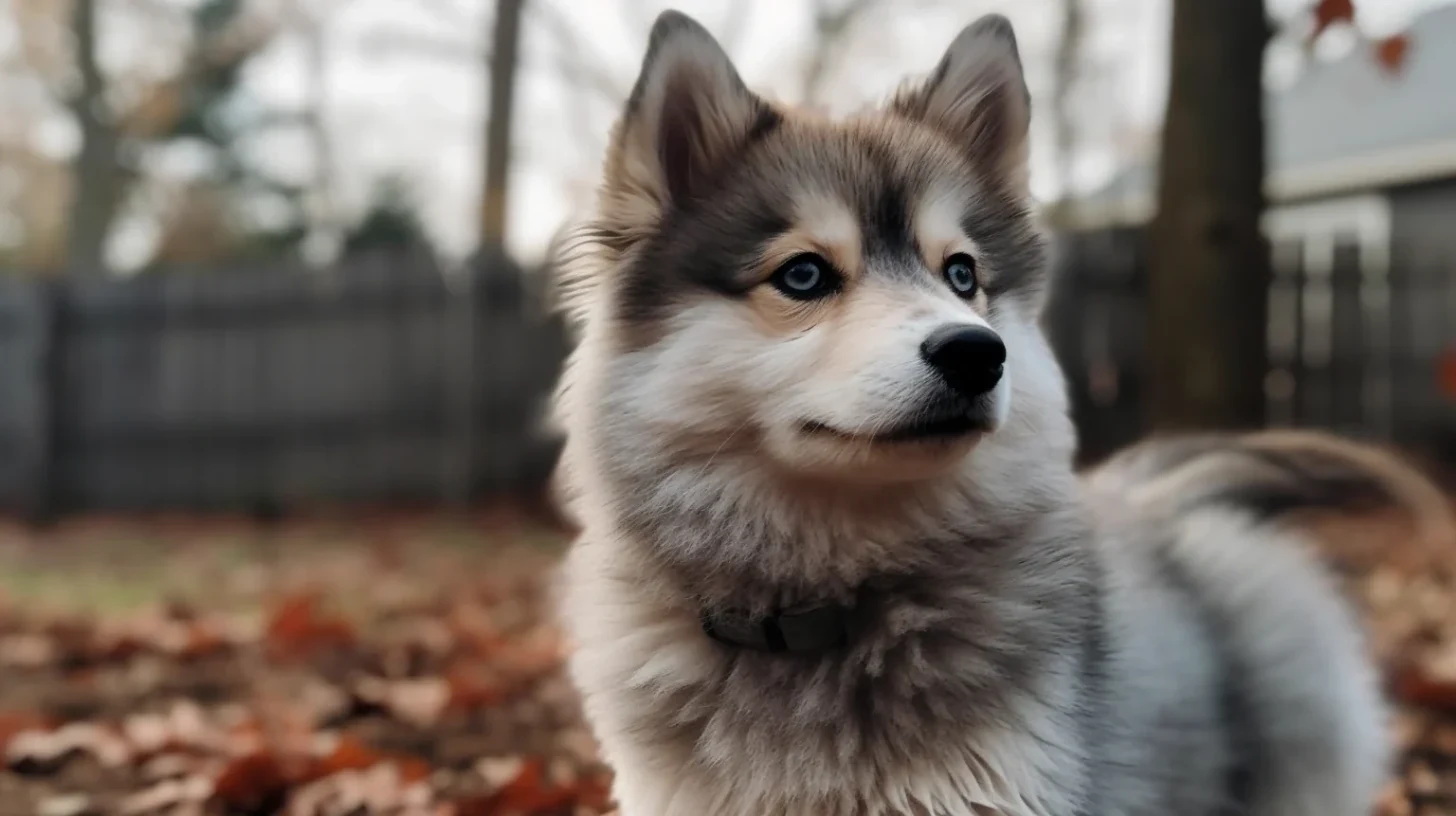
Quick answer: a Corgi Pomsky mix is a mixed companion dog that may combine Pomsky-like spitz traits with Corgi-like herding traits. The important word is “may.” Size, coat, leg length, exercise needs, trainability, shedding, and health watch areas can vary, so this mix should be evaluated by ranges rather than promises.
This guide is intentionally not a listing page. It is a practical owner-fit guide for people trying to understand what life with a Corgi Pomsky mix may involve: daily routine, grooming, training, movement, socialization, cost planning, and veterinarian boundaries. Use it as a decision framework, then judge the individual dog in front of you.
Corgi Pomsky Mix at a Glance
Self-contained answer: a Corgi Pomsky mix can be compact, sturdy, fluffy, energetic, vocal, clever, and people-focused, but it can also inherit very different traits from each side. The safest assumption is a medium-maintenance dog that needs structure, brushing, enrichment, training, sleep, and careful health monitoring.
| Area | Likely range | Owner question |
| Adult size | Small-to-medium range, not a guarantee | Can I manage stairs, jumping, lifting, and weight control? |
| Leg length | Can vary from shorter to more balanced | Can I protect joints and avoid repeated high-impact habits? |
| Coat | May be dense, shedding, or plush | Can I brush and inspect skin every week? |
| Training | Bright but not always easy | Can I use short sessions and daily management? |
| Activity | Needs exercise plus rest | Can I provide enrichment without overdoing impact? |
What Is a Corgi Pomsky Mix?
A Corgi Pomsky mix is usually discussed as a dog with Pomsky and Corgi influence. A Pomsky itself commonly refers to a Pomeranian and Siberian Husky mix, while Corgi can refer to Pembroke Welsh Corgi or Cardigan Welsh Corgi lines. That means the label can cover more than one body type and temperament range.
The practical takeaway is simple: do not use the label as a prediction engine. A puppy can lean more spitz-like, more herding-like, or land somewhere in between. Look for actual structure, coat, energy, confidence, food motivation, startle recovery, handling tolerance, and movement comfort.
Corgi Pomsky Mix vs Pomsky: Key Differences
A Pomsky guide usually starts with Pomeranian and Siberian Husky influence. A Corgi Pomsky mix adds a herding-dog body and behavior possibility. That can mean more focus on body length, leg length, turning radius, jumping habits, stair management, and herding-style movement around people, children, or other pets.
Use the Klee Kai vs Pomsky comparison and Pomsky size and growth hub for related owner-fit decisions. The same rule applies across comparison pages: the more mixed the background, the less honest it is to promise one exact adult outcome.
Possible Size and Body Structure
The Corgi Pomsky mix can vary in height, weight, leg length, body length, chest depth, and coat volume. A fluffy dog can look larger than the frame underneath, while a shorter-legged dog may still be strong and energetic. Weight control matters because extra weight can make movement, heat tolerance, and daily handling harder.
Track body condition with your veterinarian rather than aiming for a single online number. Watch how the dog rises from rest, uses stairs, jumps from furniture, turns at speed, and recovers after play. Any limp, stiffness, repeated reluctance, yelp, or sudden change in movement deserves professional guidance.
Temperament and Personality Range
A Corgi Pomsky mix may be clever, alert, playful, vocal, social, independent, food-motivated, or quick to notice movement. The same dog may also have sensitive periods, frustration around barriers, excitement around guests, or a strong need for naps. Temperament is not created by the mix name alone.
Plan for training and management before problems become habits. Reward attention, recall, calm handling, crate or pen rest, leash skills, and quiet observation. If chasing, barking, nipping, guarding, or frantic arousal appears, reduce difficulty and rebuild the skill in smaller pieces.
Training a Corgi Pomsky Mix
Training should be short, frequent, and reward-based. Practice name response, hand target, recall, settle on a mat, leash follow, leave it, drop, polite greetings, and calm grooming handling. Keep sessions short enough that the dog can win, then end before the puppy becomes overtired or mouthy.
Use the Pomsky training hub, Pomsky puppy schedule, and potty training guide for routine structure. Add one challenge at a time: distance, duration, distraction, or a new location. Do not add all four because the dog succeeded once in a quiet room.
Exercise and Enrichment
A Corgi Pomsky mix needs movement, but more exercise is not always better. Mix physical outlets with sniffing, puzzle feeding, training games, calm handling, rest, and safe chewing. Repeated jumping, hard turns, long stairs, and high-impact play should be managed carefully, especially in young or shorter-legged dogs.
Good enrichment can be simple: scatter feeding, short sniff walks, food puzzles, tug with rules, settle practice, leash pattern games, and training breaks. If the dog becomes louder, mouthier, more frantic, or unable to respond, the next need may be sleep rather than another round of exercise.
Daily Routine That Usually Works Best
A useful daily routine alternates activity and recovery. Start with a potty trip, a short training rep, breakfast, quiet rest, a sniff walk, another rest window, a handling or grooming minute, a food puzzle, and calm evening practice. The exact schedule changes by age, but the rhythm should stay predictable.
This mix can look sturdy enough for long activity while still needing puppy-level sleep and impulse control. If the dog becomes wild in the evening, do not assume the whole day was too easy. Many young dogs become more mouthy, loud, and unfocused when they are tired. A crate, pen, chew, and calm room can be more useful than another intense game.
Coat, Shedding, and Grooming
A Corgi Pomsky mix may shed and may have a dense coat that hides mats or skin irritation. Brush on a schedule, inspect under the collar, behind the ears, armpits, belly, tail base, and legs, and keep grooming sessions short. Coat care is not only about appearance; it helps you notice discomfort early.
Use the Pomsky grooming hub, Pomsky brush guide, and coat safety guide for practical coat decisions. Ask for professional help if mats are tight, skin is painful, or brushing has become a fight.
Movement Safety for a Compact Body
A Corgi Pomsky mix may have a compact body, shorter legs, or a longer back, but the dog may still want to sprint, twist, jump, and chase. Your job is to protect the body without removing all fun. Use rugs on slick floors, teach calm furniture rules, prevent repeated leaps, and build strength with controlled walks and easy training games.
Do not use fear to stop movement. Use setup. A baby gate, ramp, leash pattern, bed cue, or closed door can prevent the rehearsal of risky habits. If the dog hesitates on stairs, bunny-hops, limps, yelps, sits suddenly during play, or resists touch around the back, hips, knees, or paws, pause the activity and ask your veterinarian for guidance.
Is a Corgi Pomsky Mix Hypoallergenic?
No dog should be treated as allergy-safe only because of a mixed label. A Corgi Pomsky mix can shed and can carry dander on the coat. If allergies matter in your household, spend time around similar dogs, keep cleaning realistic, and talk with a medical professional about personal allergy management.
Do not rely on a single coat photo to predict shedding or allergy comfort. Coat density, grooming routine, season, skin health, household cleaning, and individual sensitivity all matter. Plan for regular brushing, washable bedding, vacuuming, and skin checks rather than assuming the coat will be low-maintenance.
Health Watch Areas
This mix can require attention to movement, weight, dental care, skin, ears, digestion, appetite, stool, behavior, and pain signals. Corgi influence makes body structure and weight management especially important to observe, while spitz-like coats can make skin and mat checks easy to miss. Routine care should stay veterinarian-guided.
Call a veterinarian promptly for vomiting, diarrhea, refusal to eat, severe lethargy, trouble breathing, painful movement, repeated scratching, red or infected skin, hair loss, swelling, parasites, suspected toxin exposure, or sudden behavior change. This article is educational and does not replace veterinary care. See the health disclaimer.
Food, Weight, and Growth
Feed for the individual dog's age, body condition, activity, and veterinary guidance. A compact, fluffy dog can gain excess weight quietly because the coat hides body shape. Measure meals, count training treats, keep a consistent routine, and use weight checks as a trend rather than a one-day verdict.
For related feeding decisions, use the Pomsky puppy food guide and Pomsky food guide. Food should support health, digestion, energy, and body condition. It should not be used casually to force coat changes, faster growth, or a specific look.
Socialization and Household Fit
Socialization means safe exposure and recovery, not forced greetings. A Corgi Pomsky mix may be very alert to motion, sound, people, dogs, surfaces, and new places. Let the dog observe at a distance where eating, thinking, and recovery are still possible. If the dog freezes, hides, barks sharply, or pulls away, make it easier.
The Pomsky health hub and size and growth hub can help frame decisions, but the household test is practical: can you provide structure, exercise, grooming, rest, management around children or pets, and medical care without expecting the mix label to solve the work?
Children, Other Pets, and Herding-Style Habits
Some Corgi-influenced dogs notice running feet, squeaky voices, bikes, cats, or fast play. Some spitz-influenced dogs add excitement, vocalization, or independence. That does not make the dog bad; it means the household needs clear management. Use gates, leashes, distance, rest spaces, and adult supervision instead of waiting for a puppy to make perfect choices.
Teach children to stop running games before the dog escalates. Reward the dog for checking in, following a hand target, settling on a mat, and walking away from motion. If chasing or nipping has already become a pattern, reduce access to the trigger and rebuild with easier practice. Punishment can increase arousal and make handling harder.
Cost Planning Without Hype
Cost planning should focus on routine ownership rather than hype around rarity. Budget for veterinary care, parasite prevention, food, grooming tools, safe containment, training, cleaning supplies, dental care, and an emergency fund. A compact dog is not automatically inexpensive if grooming, health checks, training, or household management are demanding.
For a broader cost framework, use the Pomsky cost guide. For home setup, use the Pomsky supplies checklist. Keep spending decisions tied to health, safety, training, and daily function rather than color, novelty, or social media appeal.
How to Compare This Mix With Other Pomsky Types
Compare the Corgi Pomsky mix with other Pomsky-related dogs by daily work, not by cuteness. Ask whether the dog may need more coat care, more movement management, more herding-style interruption, more vocal training, or more weight control than another option. A comparison is only useful if it changes your real household plan.
Use a simple scorecard: grooming time, exercise style, training consistency, rest needs, body structure, expected shedding, household noise tolerance, child and pet management, vet budget, and your own schedule. If two options both look appealing, choose the one whose hardest likely day you can still manage calmly.
Red Flags That Need Professional Help
Get veterinary help for pain, limping, repeated vomiting, diarrhea, refusal to eat, collapse, trouble breathing, sudden weakness, severe itching, red or infected skin, hair loss, swelling, suspected toxin exposure, or sudden behavior change. Get qualified training help for escalating bites, repeated chasing, guarding, panic, or reactivity that management alone is not improving.
The earlier you ask for help, the easier the plan usually is. Waiting until a dog has rehearsed the same problem for months can make treatment, training, and household management more complex. A good plan should protect health, reduce rehearsal, teach replacement behaviors, and keep the dog and household safe.
Who Is a Good Fit?
A Corgi Pomsky mix is a better fit for someone who can handle daily structure: walks, sniffing, training, brushing, nail practice, calm handling, safe chewing, rest, and veterinary routines. It can be a poor fit for someone who needs a guaranteed adult size, quiet personality, low shedding, low activity, or no daily training work.
The best owner is not the one chasing the most unusual mix. It is the one who can manage the likely range. If you would be comfortable with a vocal, shedding, active, smart, compact dog that needs structure and coat care, this mix may be worth further research.
Questions to Ask Before Choosing This Mix
- Can I manage a dog that may shed and need regular coat checks?
- Can I protect a compact or shorter-legged body from repeated high-impact habits?
- Can I provide short training sessions every day?
- Can I handle vocal or alert behavior without punishment-based shortcuts?
- Can I budget for routine veterinary care, grooming tools, food, training, and an emergency fund?
- Can I judge the individual dog instead of relying on a mix label?
- Have I read the editorial policy, affiliate disclosure, and health disclaimer?
Bottom Line
A Corgi Pomsky mix can be charming, clever, sturdy, fluffy, and fun, but it should be approached as a range of possible traits. The most responsible answer is not a promise about exact size or personality. It is a plan for training, exercise, coat care, weight monitoring, socialization, rest, and veterinarian-guided health decisions.
Sources
This guide uses conservative breed-background, grooming, puppy behavior, socialization, and routine health references. It is informational and not veterinary advice.
- AKC - Pembroke Welsh Corgi
- AKC - Cardigan Welsh Corgi
- AKC - Siberian Husky
- AKC - Pomeranian
- Chewy - Pomsky breed guide
- Pomsky Kennel Club - breed standard
- VCA - grooming and coat care for your dog
- AKC - puppy teething and nipping
- AVMA - socialization of dogs and cats
- Merck Veterinary Manual - routine health care of dogs
- ASPCA - general dog care