
Last updated: June 19, 2026
This guide is informational. It is not veterinary, medical, breeder, or purchasing advice. If allergies, asthma, pain, skin problems, or behavior concerns matter in your household, use qualified medical, veterinary, or training guidance. Review the editorial policy, affiliate disclosure, and health disclaimer.
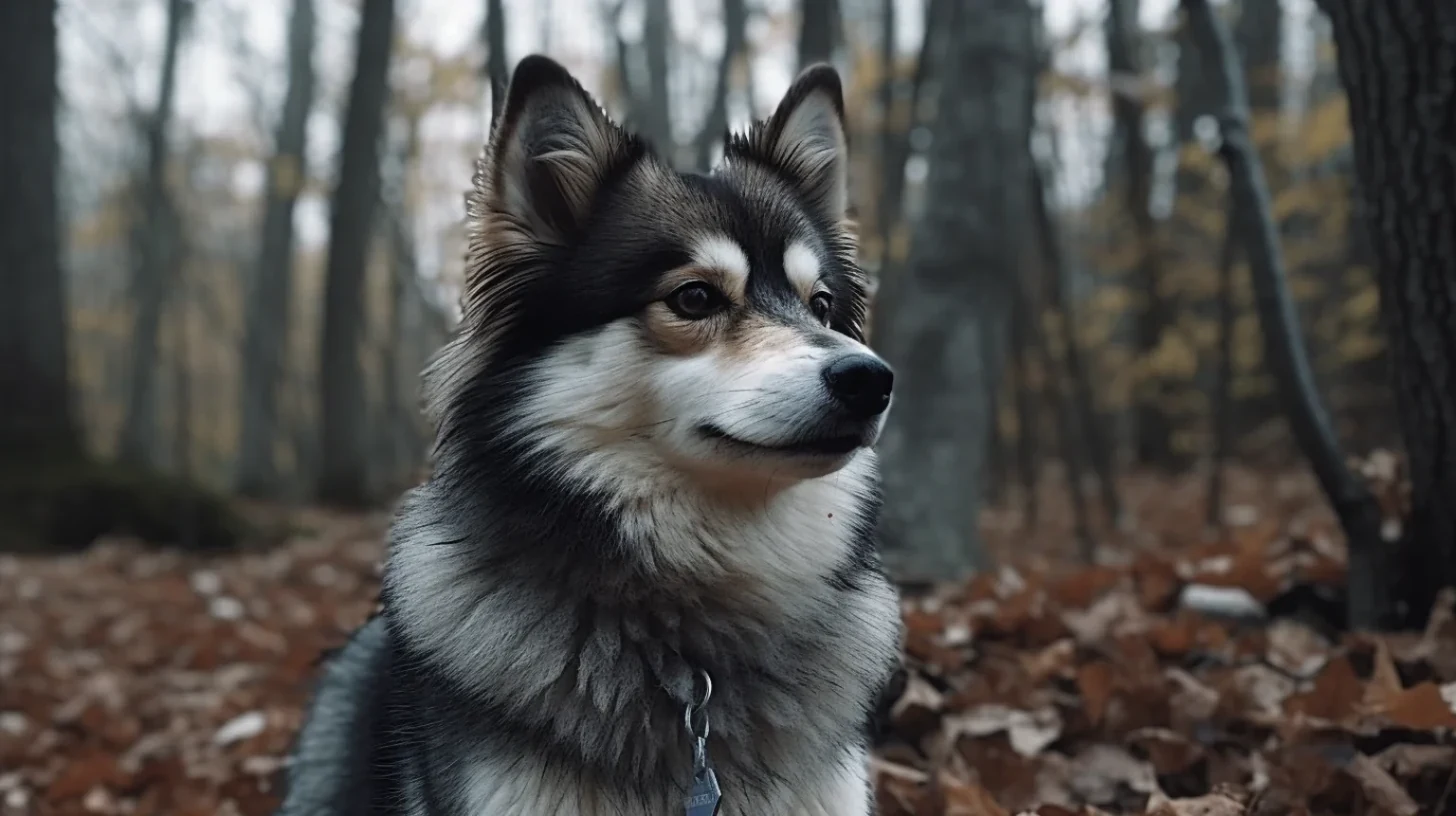
Quick answer: a "Pomsky Husky Poodle mix" is usually a confusing way to describe a Pomsky Poodle mix, Pomsky Poo, or another mixed dog with Husky, Pomeranian, and Poodle influence. It is not a standardized breed with guaranteed size, coat, shedding, allergy safety, temperament, or health outcome. Treat every claim as an individual-dog question.
The old version of this page leaned too hard on allergy-friendly and ideal-family-dog language. This rewrite keeps the search intent but changes the page into a safer FAQ: what the mix name can mean, what traits may show up, how to think about allergies and grooming, and what a buyer or adopter should ask before committing.
What Is a Pomsky Husky Poodle Mix?
Self-contained answer: the phrase is not precise. A Pomsky already usually refers to Pomeranian plus Siberian Husky influence. Adding "Poodle" may mean a Pomsky crossed with a Poodle, a Pomsky Poo, or a mixed dog whose background includes Husky, Pomeranian, and Poodle. The exact parentage matters more than the label.
Because the label is loose, the responsible way to research this dog is to ask for the actual parent dogs, size history, coat history, health records, and behavior observations. Do not assume that every dog with this label will be low-shedding, tiny, quiet, easy to train, or safe for allergic people.
Pomsky Poodle Mix at a Glance
| Question | Practical answer | Owner check |
| Breed status | Mixed dog label, not a standardized breed promise. | Ask for parent details and records. |
| Size | Can vary with Pomsky size and Poodle size. | Look at parents, growth, body condition, and vet input. |
| Coat | May be curly, wavy, fluffy, dense, or mixed. | Plan brushing, mat checks, and grooming costs. |
| Allergies | Not reliably hypoallergenic. | Use real exposure and medical guidance if allergies matter. |
| Training | Often smart, but not automatically easy. | Use short reward-based sessions and daily structure. |
Is This the Same as a Pomsky Poo?
Often, yes. Many people use Pomsky Poo or Pomsky Poodle mix for a dog with Pomsky and Poodle influence. But informal names are not always used consistently. One person may mean a Pomsky crossed with a Miniature Poodle. Another may mean a Husky Poodle mix that also has Pomeranian ancestry. A third may use the phrase as search-friendly shorthand.
That is why the first useful question is not "Is it cute?" or "Is it rare?" The first useful question is "What are the actual parent dogs and what is known about this individual puppy or adult dog?"
What Traits Can Come From Each Side?
Use breed traits as background, not as guarantees. Siberian Huskies are generally known as active, social spitz-type dogs. Pomeranians are small companion spitz-type dogs that can be alert and lively. Poodles come in size varieties and are often described as intelligent, active dogs with coats that need regular care.
A mixed dog can lean more toward one side, blend traits, or surprise you. The same litter can contain puppies with different coat texture, size, confidence, activity level, vocal habits, and grooming needs. This is why individual observation beats breed-label guessing.
Is a Pomsky Poodle Mix Hypoallergenic?
No Pomsky Poodle mix should be treated as reliably hypoallergenic. Poodle influence may reduce loose hair in some dogs, but dog allergies are not caused by hair alone. Allergens can be connected to dander, saliva, urine, and particles carried on the coat. A lower-shedding dog can still trigger symptoms in a sensitive person.
If someone in the household has asthma, severe allergies, or a history of strong dog reactions, treat this as a health planning question. Spend time near the individual dog if appropriate, track immediate and delayed symptoms, and speak with a qualified clinician before making a long-term decision.
Coat Types and Grooming Reality
A Pomsky Poodle mix may have a wavy coat, curlier coat, dense double-coat influence, softer fluff, or a mix of textures. A coat that sheds less may mat more. A coat that looks fluffy may hide skin irritation. A coat that looks easy in puppy photos may become more demanding as the adult coat develops.
Plan for regular brushing, skin checks, ear checks, nail care, and professional grooming if the coat requires it. VCA's grooming guidance is a useful reminder that coat care is health care, not just appearance. Mats, odor, redness, ear debris, flaky skin, hair loss, or repeated licking should be handled with veterinary guidance.
How Big Will a Pomsky Poodle Mix Get?
Adult size can vary widely. Pomskies themselves are not one fixed size, and Poodles have different size varieties. A puppy described as a Pomsky Poodle mix may grow into a small, small-to-medium, or more medium-framed dog depending on the parents and the individual growth pattern.
Do not make a housing, travel, or budget decision from a single online size estimate. Ask about parent weights, adult relatives, growth trend, body condition, and veterinary checks. A fluffy coat can make a dog look larger than the frame underneath, while extra weight can hide under coat volume.
Temperament and Training Expectations
Many dogs with this background may be bright, social, alert, energetic, playful, food-motivated, vocal, or independent. That does not mean training will be effortless. Smart dogs still need clear routines, sleep, social exposure, calm handling, bite inhibition, leash skills, and frustration tolerance.
Use short reward-based sessions. Teach name response, recall, hand target, drop, leave it, go to mat, polite greetings, grooming handling, and calm rest. If the dog becomes mouthy, frantic, noisy, or unable to think, reduce the challenge and add rest instead of pushing harder.
Exercise and Mental Stimulation
This mix may need both movement and mental work. Walks, sniffing, short training games, food puzzles, toy play, and calm decompression can all matter. More exercise is not always the answer. An overtired puppy or adolescent can look more wild, not less.
For small homes or bad weather, use structured indoor enrichment such as scent games, soft fetch, tug with rules, trick training, and puzzle feeders. The goal is a balanced dog who can play and then settle, not a dog who learns to be frantic indoors.
Daily Routine That Usually Works
A good daily routine alternates outdoor sniffing, short training, food, rest, handling practice, grooming checks, and quiet time. The exact schedule changes by age and health, but the rhythm should be predictable. Young dogs need more sleep than many owners expect, and too much excitement can look like disobedience.
Start the day with a potty break and a short walk or sniff session. Add breakfast, a calm rest window, a two-to-five-minute training session, and a low-pressure handling check. Later in the day, use another walk, a food puzzle, or a short game. End with a calm-down routine so the dog does not learn that evening means constant jumping, barking, or mouthing.
Health Checks to Take Seriously
This page cannot diagnose health risk for a mixed dog. The sensible owner approach is to plan routine veterinary care, vaccinations as advised, parasite prevention, dental care, weight management, skin and ear checks, and prompt attention to pain or behavior changes.
Call a veterinarian for repeated vomiting, diarrhea, refusal to eat, severe lethargy, trouble breathing, collapse, limping, swelling, suspected toxin exposure, severe itching, infected skin, hair loss, ear pain, sudden behavior change, or any symptom that worries you. Use the health disclaimer for site boundaries.
Food, Weight, and Body Condition
Feed the individual dog, not the mix label. Age, size, body condition, activity level, growth, digestion, neuter status, and veterinary advice matter. A dense coat can hide weight gain, and extra weight can make movement, heat tolerance, and daily handling harder.
Measure meals, count training treats, watch stool and appetite trends, and adjust based on veterinary guidance. For related reading, use the Pomsky puppy food guide and Pomsky food guide.
Family Fit and Children
A Pomsky Poodle mix can fit some families, but the fit depends on daily management. Children should not chase, corner, grab, or wake the dog. Adults need to supervise interactions, protect rest spaces, and teach both dog and children calm routines.
Watch for jumping, nipping, toy guarding, food guarding, fear, overexcitement, or sensitivity to handling. These are not reasons to panic, but they are reasons to add management early and get qualified help if the behavior escalates.
Other Pets and Household Management
Do not assume this mix will automatically fit every dog, cat, or small pet. Some individuals may be social and flexible. Others may be chasey, noisy, possessive around food, or overwhelmed by fast movement. Introductions should be controlled, short, and separated by barriers or leashes when needed.
Use gates, crates, pens, closed doors, separate feeding spaces, and supervised calm exposure. Reward looking away, checking in, settling, and walking calmly past another pet. If chasing, guarding, or repeated conflict appears, stop rehearsals and ask a qualified trainer or veterinary behavior professional for help.
Apartment and Small-Space Fit
Small size does not automatically mean easy apartment living. This mix may be active, vocal, alert to hallway sounds, or easily bored. Small spaces work best when the owner can provide potty routines, sniff walks, indoor enrichment, training, grooming, and quiet sleep.
If noise, separation distress, exercise limits, or grooming load would be hard to manage, the mix may not fit the home even if the dog is physically small enough.
Questions to Ask Before Choosing One
- What are the actual parent dogs and known size history?
- What coat type does this individual dog have now, and what grooming does it already need?
- Has the dog shown heavy shedding, matting, itchy skin, ear problems, or food sensitivity?
- Can allergic household members spend realistic time near the dog before committing?
- What veterinary records, vaccine records, parasite prevention, and health checks are available?
- How does the dog respond to handling, grooming, children, other dogs, guests, crates, and being alone?
- What happens if the dog is not a good fit after a trial or adoption period?
Red Flags in Listings or Sales Claims
This page is not a puppy listing and does not recommend buying from any specific seller. If you are researching a dog, be careful with claims that make uncertainty sound certain.
- Absolute allergy-safe wording.
- Guaranteed adult size from a very young puppy.
- Pressure to pay before seeing records or asking questions.
- No willingness to discuss parent dogs, health checks, or return policies.
- Claims that the dog will be low-maintenance because it is a designer mix.
How This Page Differs From Other Mix Pages
Apomsky has several older Pomsky mix pages. The Corgi Pomsky mix guide focuses on body structure, coat, movement, and herding-style owner fit. This page focuses on Pomsky plus Poodle influence, allergy claims, coat care, and naming confusion. The related page Pomsky Husky Poodle mix guide should be reviewed later for merge, internal link, or consolidation after more stable index data exists.
For now, this rewrite avoids a bulk redirect or noindex action. It strengthens one page first because the site is still in guarded optimization mode.
AdSense and Affiliate Note
This page intentionally avoids Amazon product blocks for now. Grooming tools, brushes, crates, food, and cleaning supplies may become affiliate modules later only after disclosure placement, product image quality, click tracking, and AdSense layout safety are ready. The current page is built as an informational owner-fit FAQ.
When Another Dog May Be a Better Fit
A Pomsky Poodle mix is not the right answer for every household. A calmer adult dog with known coat behavior may be easier for some families than a mixed-breed puppy with uncertain adult size and coat. A lower-maintenance dog may be better for owners who cannot schedule grooming, training, and enrichment. A household with serious allergies may need to choose based on medical guidance rather than appearance.
The best choice is not the most unusual mix. The best choice is the dog whose hardest realistic day you can still manage humanely: shedding, grooming, barking, training, vet costs, travel, children, other pets, and sleep included.
Related Pomsky Guides
- Are Pomskies hypoallergenic?
- Pomsky shedding and allergies hub
- Pomsky grooming hub
- Pomsky training hub
- Pomsky size and growth hub
- How to take care of a Pomsky
- How to choose the best dog for your home
- Before getting a Pomsky
- Editorial policy
- Health disclaimer
- Affiliate disclosure
Frequently Asked Questions
Is a Pomsky Poodle mix a recognized breed?
No. It is best treated as a mixed-dog label. The individual dog's parents, records, coat, health, and behavior matter more than the name.
Is this dog better for allergies than a regular Pomsky?
Not automatically. Some Poodle-influenced coats may shed less, but allergy comfort is individual and allergens are not limited to hair. Use real exposure and medical advice when allergies matter.
Will the coat be curly?
Maybe, but not always. The coat can be curly, wavy, fluffy, dense, mixed, or change as the dog matures. Plan grooming based on the individual coat you see, not the label.
Is this mix easy to train?
It may be intelligent and responsive, but easy is not guaranteed. Daily structure, short reward-based training, sleep, socialization, and management matter more than the mix name.
Should I choose this mix because it is rare?
No. Rarity does not improve fit. Choose a dog only if you can manage the likely range of grooming, exercise, training, medical, and household needs.
Sources Reviewed
- AKC - Siberian Husky
- AKC - Pomeranian
- AKC - Standard Poodle
- AKC - Miniature Poodle
- AKC - Toy Poodle
- AKC - Hypoallergenic Dogs
- AKC - Do Hypoallergenic Dogs Exist?
- VCA - Hypoallergenic Dog Breeds: Is There Such a Thing?
- VCA - Grooming and Coat Care for Your Dog
- ASPCA - General Dog Care
- AVMA - Responsible Pet Ownership