
Quick answer
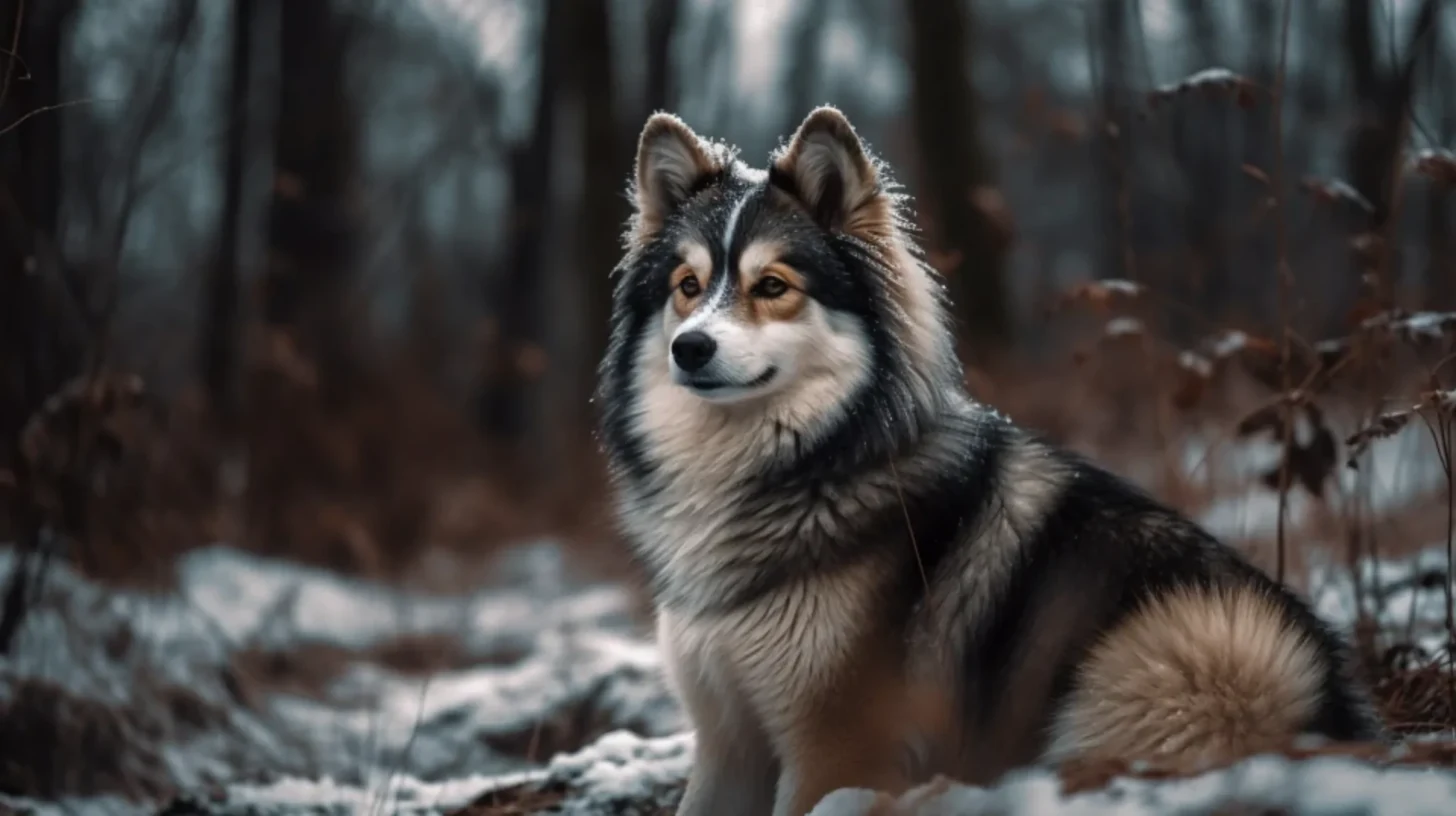
Pomsky coats, markings, eye color, and shedding vary because the dogs can inherit different combinations of traits from their parents. Color does not establish temperament, health, adult size, or quality, and puppy appearance can change as the coat matures.
Plan for regular brushing, nail care, dental care, and checks of the ears, skin, and coat. Grooming frequency should match the individual coat and season; ask a veterinarian or qualified groomer before shaving a double coat or treating persistent skin problems.
What to verify
- Expect variation in adult size, coat, markings, eye color, and shedding.
- Do not use appearance as proof of health, temperament, ancestry, or quality.
- Use parent records and veterinary growth monitoring as estimates, not guarantees.
Sources and further reading
Last updated: June 20, 2026
This guide is educational and is not veterinary advice. Ask your veterinarian about pain, sores, ear odor or discharge, sudden hair loss, intense scratching, bad skin odor, broken nails, or sudden grooming intolerance. See the health disclaimer.
Quick answer: most Pomskies have a dense double coat influenced by Siberian Husky and Pomeranian ancestry, but the length, color, texture, and shedding level can vary a lot. Treat coat type as a practical care signal: it helps you choose brushing frequency, mat checks, bath timing, drying effort, shaving boundaries, and when a groomer or veterinarian should be involved.
This page explains what a Pomsky coat is and how coat variation changes care. It is different from the Pomsky grooming overview, which organizes the grooming calendar; different from the healthy-coat grooming routine, which gives the full process; different from the coat-shine guide, which focuses on skin comfort and nutrition; and different from shaving, brush, shampoo, supplies, and allergy pages.
Pomsky Coats at a Glance
| Question | Short answer | Care meaning |
| Coat structure | Many Pomskies have a double coat with undercoat and longer outer hairs. | Brush in sections and dry dense areas instead of only smoothing the surface. |
| Coat length | Coats may look shorter, standard, plush, wooly, or longer. | Longer or woolier coats need more friction-zone checks and mat prevention. |
| Coat color | Color can include black, gray, red, cream, white, brown, tan, agouti-style and mixed markings. | Color is descriptive. It does not prove temperament, health, or care quality. |
| Shedding | Many Pomskies shed, with heavier loose undercoat during seasonal changes. | Increase short brushing sessions during shedding windows. |
| Warning signs | Pain, sores, odor, discharge, sudden hair loss, intense scratching, and sudden handling refusal matter. | These are not cosmetic problems; route them to a veterinarian. |
Where This Page Fits in the Grooming Cluster
A strong Pomsky grooming cluster should not make every page answer every grooming question. This page is the coat explainer. It answers what coat types, colors, double-coat traits, shedding, puppy changes, and coat-care routes mean for an owner.
For the hands-on process, use the beginner grooming checklist or the weekly groomed Pomsky routine. For task frequency, use Pomsky grooming requirements. For mistake prevention, use Pomsky grooming tips.
What Kind of Coat Does a Pomsky Have?
Many Pomskies have a double coat: a softer undercoat close to the skin and longer outer hairs that shape the visible coat. That does not mean every Pomsky looks identical. Because Pomskies are a mixed breed, coat length, density, texture, color, face markings, and shedding pattern can differ between individual dogs.
The practical point is simple: do not judge the coat only from the top layer. A Pomsky may look smooth on the outside while loose undercoat, dampness, small mats, burrs, or irritated skin are hiding close to the body. Coat care begins by parting the fur and checking the skin, not just brushing the visible surface.
Pomsky Coat Types: Standard, Plush, Wooly, and Longer Coats
Pomsky owners and breed groups often use terms such as standard, plush, and wooly to describe coat appearance. These terms are useful for care planning, but they are not a veterinary diagnosis. Use them to estimate brushing and drying effort, not to make health claims.
| Coat description | What it often looks like | Care priority |
| Shorter or standard | Less dramatic length, visible outline, easier sectioning. | Regular brushing, undercoat checks, and seasonal shedding control. |
| Plush | Fuller body coat with a soft, fluffy outline. | More frequent brushing behind ears, collar, armpits, belly, legs, and tail base. |
| Wooly or longer | Longer guard hairs and a heavy fluffy look. | Higher mat risk, slower drying, and more need for professional grooming support. |
| Puppy coat | Soft and changing, sometimes uneven while adult coat develops. | Gentle handling, short sessions, and careful tracking of changes. |
Coat Type Terms Are Practical Labels
A coat label should help you care for the dog in front of you. It should not be used to promise rarity, price, temperament, low shedding, low allergy risk, or easier ownership. If the coat mats quickly, needs more drying, or hides skin irritation, that matters more than the label.
When you describe your Pomsky, pair the label with observable facts: coat length, density, mat locations, shedding season, bathing difficulty, drying time, and whether professional grooming is needed. That record is more useful than arguing over a single word.
Pomsky Coat Colors and Markings
Pomsky coat color can vary widely. Public breed guides and Pomsky organizations describe colors and markings that can include gray and white, black and white, red and white, cream, white, brown, tan, agouti-style patterns, masks, points, and mixed markings. Some owners also use terms from Husky and Pomeranian color language when describing their dog.
Color pages can be useful when they set expectations. For example, the red Pomsky guide should focus on red-coat expectations rather than pretending color creates a different care rule. On this page, color is handled as description and photo context, not as evidence of health, temperament, or seller quality.
Color Does Not Prove Health or Temperament
A black-and-white, red, cream, gray, white, brown, tan, or agouti-style Pomsky can be healthy or unhealthy, calm or energetic, easy to groom or difficult to groom. Color alone does not tell you whether the dog is well bred, well cared for, low shedding, allergy friendly, or suitable for your home.
For owner decisions, prioritize behavior, health history, coat condition, veterinary care, daily routine, grooming tolerance, size expectations, and fit with your household. If you are comparing coat color with allergy or shedding risk, use the Pomsky allergy and dander guide and the Pomsky shedding guide.
Double Coats and Seasonal Shedding
A double coat can shed in small amounts year-round and more noticeably during seasonal coat changes. Loose undercoat may collect in the coat before it falls out, which is why a Pomsky can look neat and still release hair when brushed. Seasonal shedding is not a reason to shave by default.
During heavier shedding, use short brushing sessions more often. Work in sections, check the undercoat, and avoid pulling through packed hair. If brushing suddenly becomes painful, the dog resists one area, or the coat smells or looks abnormal, look for mats, skin irritation, parasites, or other health signs before assuming it is only shedding.
Puppy Coat to Adult Coat Changes
A Pomsky puppy coat can change as the dog grows. Texture may feel softer early, markings can appear stronger or softer, and the adult coat may become denser. This is one reason puppy photos are not a perfect prediction of the adult coat.
Use puppy coat changes as a reason to build handling habits early. Gentle brushing, paw touching, collar-area checks, and short drying practice help the dog learn that coat care is normal. For a broader puppy setup, use the Pomsky puppy care checklist if that page is available in your cluster, and the all-age Pomsky care guide for daily routine.
What Coat Type Changes in Daily Care
| Care task | Shorter or standard coat | Plush, wooly, or longer coat |
| Brushing | Regular section brushing and undercoat checks. | More frequent sessions and closer checks behind ears, legs, collar, and tail base. |
| Bathing | Bath when dirty, smelly, sticky, muddy, or contaminated. | Same rule, but detangle first and plan extra drying time. |
| Drying | Check damp areas near the skin after rain or baths. | Be extra careful because thick areas can feel dry outside and stay damp inside. |
| Groomer need | Often manageable at home if the dog is comfortable. | More likely to need professional help for mats, bath-and-dry work, or trims. |
| Shaving decision | Still not a default solution. | Especially important to understand double-coat risk before shaving. |
How to Tell Coat Type Without Overclaiming
Start with what you can observe. Is the coat close and easy to part, or full and wooly? Does a comb catch behind the ears, collar, armpits, belly, rear legs, tail base, or paws? Does the coat dry quickly, or does it stay damp close to the skin? Does loose undercoat pack during seasonal changes?
A careful description might say: "This Pomsky has a full plush coat, heavy undercoat during shedding season, and mats behind the ears if we skip brushing for a week." That is more useful than a vague label because it tells you what to do next.
Brushing Needs by Coat
Brushing should match the coat, season, and dog. A shorter or standard coat may need regular maintenance and seasonal increases. A plush or wooly coat may need short sessions several times per week, sometimes more during shedding windows. The goal is to remove loose hair before it packs into mats.
If you need tool details, use the Pomsky brush overview and the brush guide. This page does not rank brushes or add Product schema. It explains why the coat changes the care plan.
Bathing and Drying by Coat
Bathing should be based on need: dirt, mud, odor, sticky residue, unsafe contamination, or a veterinarian-guided care plan. Do not bathe first when mats are already present. Water can tighten tangles and make the coat harder to handle after the bath.
Drying is where dense coats create risk. A coat can feel dry on top while moisture remains near the skin. After bathing, rain, snow, or puddles, check under the collar, behind the ears, armpits, belly, tail base, rear legs, and paws. For product and bathing choices, use the Pomsky shampoo guide.
Mats, Friction Zones, and Coat Density
Mats often form where movement, moisture, and pressure meet. Common Pomsky friction zones include behind the ears, under the collar, under harness straps, armpits, belly, rear legs, tail base, and paws. A wooly or longer coat can hide mats until they are close to the skin.
Small loose tangles may be managed with patient section work. Tight mats, mats close to the skin, widespread matting, pain, or defensive behavior should go to a professional groomer. Do not cut close mats blindly with scissors.
Shaving and Trimming Boundary
Shaving is a separate decision, not the default answer to shedding, heat, mats, or convenience. A double coat has a job, and cutting it very short can change how the coat and skin are managed afterward. If you are considering shaving, read what happens if you shave a Pomsky and the shaving decision guide before doing anything permanent.
Trimming small sanitary areas, paws, or tidy edges can be different from shaving the body. If you are not sure where that line is, use a groomer. If the problem is pain, sores, odor, discharge, sudden hair loss, or sudden handling refusal, call a veterinarian instead of trying to solve it with clippers.
Shedding and Allergy Boundary
Shedding and allergy risk are related but not identical. Hair can carry dander and saliva proteins, but the allergy question is more complicated than coat length. A Pomsky with a beautiful coat can still bother an allergic person, and a shorter-looking coat does not promise a low-allergen home.
Use the shedding and allergy pages for that decision. This page stays focused on coat structure, color, maintenance, and care routing. If allergies matter in your home, do exposure testing and medical planning instead of relying on coat photos.
Product and Affiliate Boundary
This page intentionally avoids product rankings, seller recommendations, Amazon links, tag affiliate links, Product schema, Review schema, and price claims. A coat explainer can earn display-ad revenue without turning every answer into a shopping prompt.
When affiliate modules are ready later, they should sit on product-intent pages with clear affiliate disclosure, real product evidence, image checks, click tracking, and AdSense-safe layout review. Until then, readers should move to brush, shampoo, and Pomsky supplies pages only when they actually need product detail.
When Coat Signs Need a Veterinarian
Grooming can reveal health concerns, but this page is educational and is not veterinary advice. Call a veterinarian for painful skin, sores, bleeding, swelling, strong odor, ear odor or discharge, intense scratching, sudden hair loss, greasy skin, bad skin odor, broken nails, limping, or sudden grooming intolerance.
Use the health disclaimer for the boundary between education and medical care. If the dog seems painful or unsafe to handle, stop the session and get help instead of continuing to brush, bathe, shave, or add products.
Internal Next Steps
If you came here to identify the coat, stay on this page. If you came here to care for the coat this week, move to the healthy-coat grooming routine or the requirements checklist. If your concern is shine or skin comfort, move to the coat-shine guide.
If you are building a full owner routine, connect coat care with how to take care of a Pomsky. If you are sorting gear, move to the brush, shampoo, and supplies pages only after you understand the coat problem you are solving.
Pomsky Coat FAQ
What kind of coat does a Pomsky have?
Many Pomskies have a double coat with soft undercoat and longer outer hairs, but coat length and density vary. Some look shorter or standard, some plush, and some wooly or longer.
Do Pomskies shed a lot?
Many Pomskies shed, especially when loose undercoat increases during seasonal changes. The amount varies by individual coat, age, health, indoor climate, season, and grooming routine.
What Pomsky coat colors are common?
Pomskies may be described as black and white, gray and white, red and white, cream, white, brown, tan, agouti-style, masked, pointed, or mixed-marking dogs. Color is description, not proof of temperament or health.
Is a wooly Pomsky coat harder to care for?
A wooly or longer Pomsky coat usually needs more frequent section brushing, friction-zone checks, and careful drying. It can mat faster behind ears, under collars, around the tail base, and on legs.
Should I shave a Pomsky coat for summer?
Do not shave a Pomsky double coat for convenience or heat without understanding the risks. Use brushing, drying, shade, water, exercise timing, professional grooming, and veterinary guidance for medical concerns.
When is a coat issue more than grooming?
Pain, sores, swelling, odor, discharge, intense scratching, sudden hair loss, broken nails, limping, or sudden grooming intolerance should be handled as a veterinary question, not just a grooming problem.
Sources Reviewed
These sources were reviewed for Pomsky coat variation, coat colors, double-coat care, brushing, bathing, drying, grooming safety, and health warning signs. Source links do not endorse products, sellers, or breeders.
- American Pomsky Kennel Club - Pomsky fur and coat types
- American Pomsky Kennel Club - Pomsky coat colors
- Hill's Pet - Pomsky breed guide
- VCA - Grooming and coat care for your dog
- AKC - Types of dog brushes for shedding
- AKC - How often should you wash your dog?
- AKC - How to groom a dog at home
- Merck Veterinary Manual - Routine health care of dogs