
Quick answer: A Pomsky grooming schedule should be based on coat density and condition, with regular brushing, skin and ear checks, nail care, dental care, and occasional bathing. Heavy seasonal shedding or matting may require more frequent work, while skin changes need veterinary review.
\n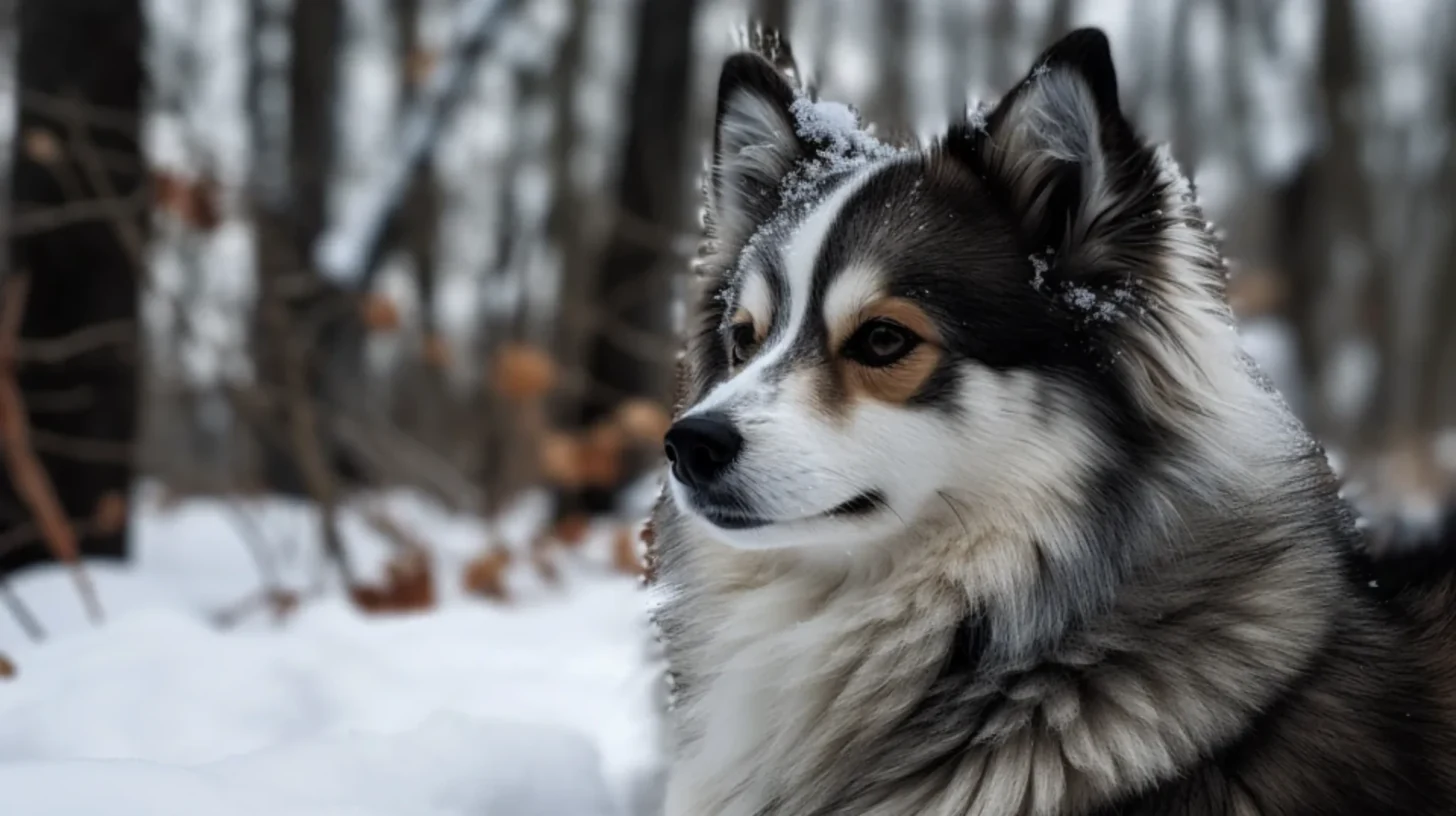
Written and reviewed by A Pomsky Editorial Team. Published 2026-06-20; last reviewed July 25, 2026.
This guide is educational and is not veterinary advice. Ask your veterinarian about pain, sores, ear odor or discharge, sudden hair loss, intense scratching, dental pain, broken nails, or sudden grooming intolerance. See the health disclaimer.
Quick answer: Pomsky grooming requirements are coat checks, brushing, bath decisions, thorough drying, nail checks, ear checks, dental care, paw inspection, and professional help when the coat is matted, the dog is fearful, or pain, odor, sores, discharge, or sudden hair loss appears.
This page is about the minimum requirements and frequency, not a product ranking. For the step-by-step grooming routine, use the Groomed Pomsky routine. For tools, use the brush guide, the shampoo guide, and the supplies checklist.
Pomsky Grooming Requirements at a Glance
| Requirement | Why it matters | Owner baseline |
| Coat inspection | Find mats, burrs, damp areas, parasites, redness, and painful spots before they worsen. | Several short checks weekly, more after outdoor play. |
| Brushing | Controls loose coat and prevents mats from tightening near the skin. | Short section brushing; never rip through mats. |
| Bath decisions | Cleans dirt and unsafe residue without drying healthy skin by over-bathing. | Bathe when dirty, smelly, muddy, or contaminated. |
| Drying | Thick coats can hold moisture close to the skin. | Dry and recheck ears, collar, belly, tail, and legs. |
| Nails, ears, teeth | Comfort, mobility, hearing comfort, and mouth health are part of grooming. | Check weekly; use professionals when unsure. |
What Makes Pomsky Grooming Different
Pomskies can inherit a dense coat, a soft mixed coat, a more plush undercoat, or a coat that changes as the dog grows. That means grooming requirements are not identical for every Pomsky, even when two dogs look similar in photos.
The requirement is not to create a show finish. The requirement is to keep the coat comfortable enough to inspect, prevent mats from pulling the skin, keep nails from interfering with walking, and notice ear, dental, paw, and skin signs early.
How This Page Differs From the Groomed Pomsky Routine
The Groomed Pomsky page explains the practical flow of a grooming session. This page answers a slightly different question: what care is required, how often to check it, what an owner can reasonably do, and when a groomer or veterinarian becomes part of the requirement.
Keeping those roles separate helps readers and search engines. A person asking about grooming requirements needs a requirement list and decision boundaries. A person trying to groom today needs the routine. A person buying supplies needs the product-focused guides.
Requirement 1: Coat Checks
Coat checks are the foundation. Run your hands over the coat before brushing and feel behind the ears, under the collar, under the front legs, around the chest, along the belly, near the tail base, and around the rear legs. These zones collect friction, moisture, and hidden tangles.
Look for mats, burrs, damp fur, odor, redness, scabs, flakes, fleas, ticks, tender spots, or sudden bald patches. A coat check is also a handling check: if your Pomsky suddenly guards one area, stop and treat that reaction seriously.
Requirement 2: Regular Brushing
Most Pomskies require routine brushing because loose coat and soft undercoat can pack together. The exact schedule depends on coat density, season, outdoor activity, and how quickly the coat tangles. Several short sessions each week are usually easier than one stressful catch-up session.
Brush in small sections. Avoid pulling through tight mats, and do not punish the dog for resisting pain. If you need help choosing tools, use the Pomsky brush guide rather than turning this requirements page into a product page.
Requirement 3: Bathing Only When Needed
Bathing is required when the coat is dirty, smelly, muddy, sticky, or has something unsafe in it. A bath is not automatically required because a calendar date arrived. Over-bathing a clean dog can dry the skin, and poor rinsing can leave residue.
Use dog-safe shampoo, rinse thoroughly, and avoid harsh home remedies. For product-selection details, use the Pomsky shampoo guide. For recurring odor, itching, flakes, or redness, ask a veterinarian instead of repeatedly changing shampoo.
Requirement 4: Drying After Wet Coats
A Pomsky coat can look dry on top while staying damp near the skin. Drying is required after baths, heavy rain, snow, puddles, or wet grass when moisture gets into dense areas. Recheck behind the ears, under the collar, belly, tail base, armpits, and paws.
Use comfortable airflow and avoid extreme heat. If the coat is too dense to dry safely at home, a professional bath-and-dry appointment can be part of the grooming requirement, not a luxury extra.
Requirement 5: Nail Checks
Nail care is a grooming requirement because long nails can snag, split, change posture, and make walking uncomfortable. Listen for clicking on hard floors and look at whether the nails touch the ground when your Pomsky stands naturally.
If you cannot see the quick, the dog is fearful, or the nails are already overgrown, use a groomer or veterinary team. Broken nails, bleeding, swelling, and limping are not routine grooming problems; they require professional guidance.
Requirement 6: Ear Checks
Ear checks are required, but deep cleaning is not something to improvise. Look at the outer ear and notice odor, redness, swelling, discharge, head shaking, scratching, or pain. Do not push cotton swabs deep into the canal.
Routine outer-ear observation can happen during grooming, but ear odor, discharge, pain, and repeated head shaking belong with a veterinarian. Grooming should reveal ear problems early, not hide them with repeated cleaning.
Requirement 7: Dental Care
Dental care is often missed because it is not part of the visible coat. AVMA dental guidance treats mouth health as part of pet health, so mouth checks belong in the grooming requirement list. Watch for bad breath, red gums, loose teeth, drooling, chewing on one side, or reluctance to eat.
Use dog-safe dental products only. Human toothpaste is not appropriate for dogs. If your Pomsky resists mouth handling, build up slowly and ask your veterinarian what dental schedule fits your dog.
Requirement 8: Paw and Pad Checks
Paw checks are required because hair, burrs, ice, salt, mud, and small injuries can hide between pads and toes. After walks, check for limping, licking, cracked pads, foreign material, or matted fur around the feet.
In winter, snow and de-icing products can irritate paws. In summer, hot pavement can burn pads. Grooming requirements change with weather, so paw checks are not optional for active Pomskies.
Owner Tasks vs Professional Tasks
| Task | Often owner-managed | Use help when |
| Coat check | Yes, if the dog tolerates handling. | The dog guards areas, yelps, snaps, or has sores. |
| Brushing | Yes, for loose coat and mild tangles. | Mats are tight, close to skin, widespread, or painful. |
| Bath and dry | Yes, for calm dogs and manageable coats. | The coat stays damp, the dog panics, or odor returns quickly. |
| Nails | Sometimes, with skill and calm handling. | Dark nails, fear, overgrowth, bleeding, or limping. |
| Ears and teeth | Observation and gentle routine care. | Odor, discharge, pain, bleeding gums, or eating changes. |
Puppy, Adult, and Senior Requirements
Puppies require short positive introductions to brushing, paw handling, baths, dryers, ear checks, and mouth checks. The goal is not a perfect finish. The goal is a dog that learns grooming is predictable and safe.
Adult Pomskies need consistency. Senior Pomskies may need shorter sessions, traction on floors, softer handling, and more attention to lumps, dental pain, arthritis signs, skin changes, and sudden intolerance. A requirement that was easy at age two may need professional help at age ten.
Seasonal Grooming Requirements
Shedding season raises the workload. More loose coat means more brushing, more vacuuming, and more mat checks behind ears and legs. Wet seasons require more drying. Hot weather requires coat inspection and shade planning, but convenience shaving should not be the default answer.
For shedding and allergy questions, use the Pomsky shedding guide. For shaving decisions, use the Pomsky shaving safety guide. This page stays focused on what grooming care is required.
A Practical Frequency Checklist
A Pomsky grooming schedule should start with observation, not a rigid promise that every dog needs the same service on the same day. Use a light weekly reset as the minimum: check the coat with your hands, look at paws and nails, notice ear odor, look at the mouth, and decide whether brushing, drying, or a bath is actually needed.
Move from weekly checks to several checks per week when the coat is thick, the dog is shedding, the weather is wet, the dog wears a harness often, or the dog spends time in grass, snow, sand, or mud. Tight collars, chest harnesses, and jackets create friction zones, so inspect those areas even when the visible outer coat looks smooth.
Use a same-day grooming response when your Pomsky comes home wet, sticky, muddy, covered in burrs, or smelling unusual. That does not always mean a full bath. It may mean rinsing the affected area, drying carefully, removing loose debris, and then deciding whether a full bath or groomer appointment is safer.
Use a professional response when the task requires restraint, force, guessing, or pain tolerance. Examples include tight mats near the skin, nails that are too long to trim confidently, a coat that will not dry at home, a dog that panics with handling, or a sensitive area that suddenly cannot be touched.
Risk-Based Grooming Decisions
Low-risk grooming tasks are calm coat checks, gentle brushing of loose coat, paw inspection, and wiping dirt from safe areas. Moderate-risk tasks include baths for dense coats, drying near sensitive skin, nail trimming, and working around small tangles. High-risk tasks include cutting mats, using heat near the skin, cleaning painful ears, trimming overgrown nails, or forcing a fearful dog through a long session.
This risk split matters because grooming is supposed to protect comfort. When a task moves from low risk to moderate or high risk, the requirement changes from "do it at home" to "choose safer help." A groomer, trainer, or veterinary team may cost more than a home session, but it can prevent skin injury, fear escalation, broken nails, and repeated bad experiences.
What Is Not Required
- A Pomsky does not require a fancy haircut to be well groomed.
- A Pomsky does not require daily baths when the coat and skin are healthy.
- A Pomsky does not require convenience shaving without professional guidance.
- A Pomsky does not require product stacks before basic coat checks, brushing, drying, nails, ears, and teeth are handled.
- A Pomsky does not require painful mat removal at home when a professional would be safer.
When Grooming Becomes a Health Issue
Call a veterinarian for pain, bleeding, sores, swelling, intense scratching, sudden bald patches, ear odor or discharge, repeated head shaking, bad skin odor, broken nails, dental pain signs, or sudden grooming intolerance.
A groomer can help with coat maintenance, but a groomer cannot diagnose medical problems. If the requirement looks medical, route it to veterinary care before trying to solve it with tools or cosmetics.
Product and Affiliate Note
This page does not rank brushes, shampoos, dryers, clippers, supplements, or sellers. A future product module can be added only after product evidence, disclosure placement, click tracking, image review, and AdSense layout safety are ready. For now, this page stays educational and requirement-focused.
Pomsky Grooming Requirements FAQ
What are the basic Pomsky grooming requirements?
The basics are coat inspection, brushing, bath decisions, drying after wet coats, nail checks, ear checks, dental care, paw checks, and professional help for mats, fear, pain, odor, or unsafe handling.
How often should I brush a Pomsky?
Several short brushing sessions each week is a practical baseline for many Pomskies. Increase checks during shedding season, wet weather, outdoor play, or when the coat begins to tangle faster.
Do Pomskies need professional grooming?
Some owners manage routine care at home, but professional grooming is useful for tight mats, dense coats, nail trims, bath-and-dry work, sanitary trims, and dogs that are difficult to handle safely.
Is shaving required for a Pomsky?
No. Convenience shaving is not a standard grooming requirement. Coat clipping should consider mat severity, skin condition, weather, coat type, and advice from a qualified groomer or veterinarian.
How often should I bathe a Pomsky?
Bathe when the coat is dirty, smelly, muddy, sticky, or contaminated. If odor, itch, flakes, or redness keep returning after careful bathing and drying, ask a veterinarian.
What should I do if my Pomsky hates grooming?
Stop forcing long sessions. Use shorter handling steps, reward calm cooperation, and get help from a groomer, trainer, or veterinary team if fear, pain, snapping, or panic appears.
Related Pomsky Guides
- Groomed Pomsky routine
- Pomsky grooming hub
- Pomsky grooming tips
- Best brush for Pomskies
- Pomsky brush overview
- Pomsky shampoo guide
- How to make a Pomsky coat shine
- What happens if you shave a Pomsky?
- How to take care of a Pomsky
- Editorial policy, health disclaimer, and affiliate disclosure
Sources Reviewed
These references were reviewed for grooming tasks, bath frequency, nails, ears, dental care, routine pet health, and healthy pet handling. Source links do not endorse products or sellers.
- AKC - How to Groom a Dog at Home
- AKC - How Often Should You Bathe Your Dog?
- AKC - How to Trim Dog Nails Safely
- AKC - Dog Ear Infections
- Merck Veterinary Manual - Routine Health Care of Dogs
- AVMA - Pet Dental Care
- ASPCA - General Dog Care
- CDC - About Healthy Pets
Evidence and related Pomsky guides
These sources support only their stated claim scopes; they do not guarantee an individual Pomsky outcome.
Sources reviewed for this page
- American Kennel Club: Pomeranian Dog Breed Information
- American Kennel Club: Siberian Husky Dog Breed Information
- American Animal Hospital Association: AAHA-AVMA Canine Preventive Healthcare Guidelines