
Quick answer
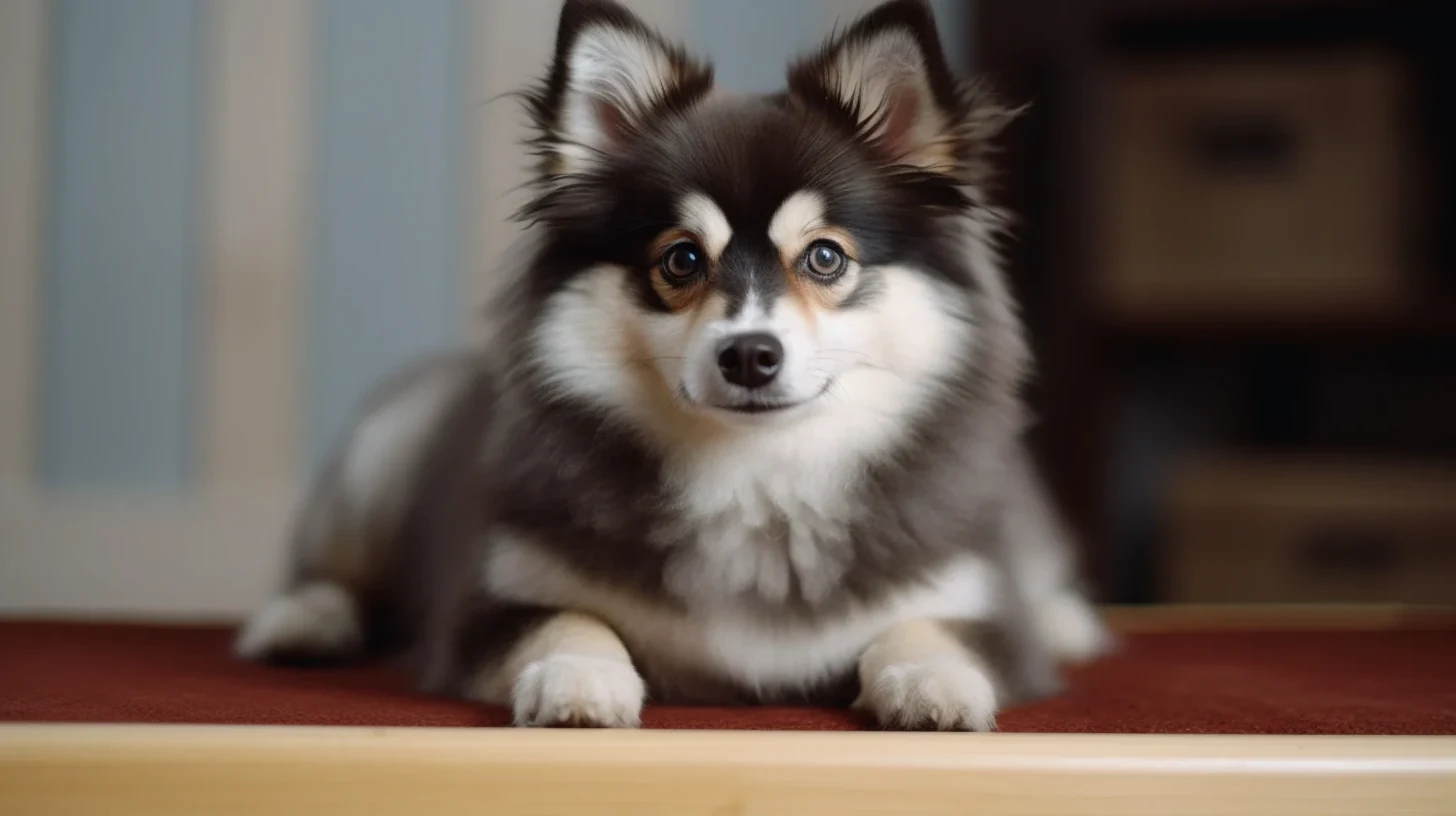
Pomsky coats, markings, eye color, and shedding vary because the dogs can inherit different combinations of traits from their parents. Color does not establish temperament, health, adult size, or quality, and puppy appearance can change as the coat matures.
Plan for regular brushing, nail care, dental care, and checks of the ears, skin, and coat. Grooming frequency should match the individual coat and season; ask a veterinarian or qualified groomer before shaving a double coat or treating persistent skin problems.
What to verify
- Expect variation in adult size, coat, markings, eye color, and shedding.
- Do not use appearance as proof of health, temperament, ancestry, or quality.
- Use parent records and veterinary growth monitoring as estimates, not guarantees.
Sources and further reading
Last updated: June 20, 2026
This guide is educational and is not veterinary advice. Ask your veterinarian about pain, sores, discharge, sudden hair loss, intense itching, broken nails, repeated odor, or sudden grooming intolerance. See the health disclaimer.
Quick answer: groom a Pomsky by checking the coat and skin first, brushing in small sections, bathing only when the coat is actually dirty or smelly, drying dense or wet areas carefully, checking nails, ears, teeth, and paws, and using a groomer or veterinarian when mats, fear, pain, odor, discharge, or sudden coat changes appear.
This page is the broad grooming overview. It explains what belongs in a regular Pomsky grooming plan, how to think about timing, and where to go next. For a strict frequency checklist, use Pomsky grooming requirements. For a step-by-step session, use the Groomed Pomsky routine. For at-home coat work, use how to groom a Pomsky for a healthy coat.
Pomsky Grooming Overview at a Glance
| Task | Purpose | Where it leads next |
| Coat check | Find mats, damp fur, burrs, redness, odor, tender areas, fleas, ticks, and seasonal shedding changes. | Pomsky coats and grooming requirements. |
| Brushing | Remove loose coat gently and keep friction zones from packing into mats. | Pomsky brush overview and brush-intent guide. |
| Bath and dry | Clean mud, odor, residue, or unsafe contamination while preventing damp coat problems. | shampoo guide and drying sections below. |
| Nails, paws, ears, teeth | Catch discomfort early and keep grooming from becoming only a coat task. | routine page and veterinary red flags below. |
| Escalation | Decide when a groomer or veterinarian is safer than forcing a home session. | Groomer/vet routing and health disclaimer. |
Where This Page Fits in the Grooming Cluster
A Pomsky grooming cluster needs several focused pages because one article cannot answer every search intent without becoming confusing. This page is the map. It should help a reader decide what kind of grooming problem they have and which deeper guide fits that problem.
The requirements page answers what must be maintained and how often to think about it. The routine page walks through a grooming session. The grooming tips page focuses on mistakes, stress-free handling, and habit building. Product and supply decisions belong on the product-skip guide, the supplies checklist, brush pages, and shampoo pages.
Start Every Grooming Session With an Inspection
Start by looking and feeling before brushing. A Pomsky can look fluffy on the surface while hiding damp fur, burrs, mats, or tender skin near the body. Check behind the ears, under the collar, under the front legs, around the chest, belly, tail base, rear legs, and between toes.
The inspection tells you whether today is a light grooming day or a higher-risk day. If the coat is loose and comfortable, a short brushing session may be enough. If the coat is tight, painful, smelly, wet near the skin, or suddenly sensitive, stop and choose safer help.
Build a Simple Maintenance Calendar
A practical calendar is not a promise that every Pomsky needs the same bath or brush on the same date. It is a repeatable owner habit: quick visual checks most days, several short coat checks each week, a deeper weekly reset, and seasonal adjustments when shedding, wet weather, or outdoor debris increases.
Put grooming beside habits you already repeat. For example, check paws after walks, feel collar and harness zones when removing gear, look at ears during quiet handling, and note nail length when the dog walks on a hard floor. Small repeatable checks catch more problems than one long session that happens late.
Daily Checks: Fast and Low Stress
Daily grooming does not mean a full brush-out. It means noticing the dog. Look for limping, paw licking, head shaking, wet fur, burrs, mud, collar rub, scratching, odor, or sudden resistance to touch. These checks take less than a minute and help you decide whether more work is needed.
If your Pomsky came home wet, muddy, sticky, or covered in plant material, respond the same day. That might mean wiping paws, rinsing one area, drying thoroughly, or scheduling a groomer. A full bath is not always the right answer.
Weekly Reset: Coat, Skin, Paws, Nails, Ears, and Teeth
Once a week, slow down. Part the coat in several areas, feel for mats, look at the skin, check between toes, notice nail length, look at the outer ears, and practice mouth handling. Write down anything repeated or worsening.
This weekly reset is the bridge between grooming and health observation. It does not diagnose disease, but it gives you a pattern. Repeated odor, red skin, bald patches, discharge, dental pain signs, or broken nails are not solved by brushing harder.
Monthly Review: Adjust the Plan
Monthly, ask whether the plan is still working. Is the coat matting faster? Did shedding increase? Did a harness create friction zones? Did a new shampoo cause itch? Did a senior dog become less tolerant of long sessions? Did the puppy outgrow easy handling?
Monthly review is also when you decide whether to book a groomer before a small issue becomes urgent. A planned appointment is easier and safer than asking a dog to tolerate a painful emergency de-matting session at home.
Seasonal Coat Changes
Shedding season changes the workload. Loose coat can pack into friction zones, and a coat that was easy for months can suddenly require more frequent section brushing. AKC shedding guidance is included in the sources because normal shedding should still be managed with comfort and skin checks in mind.
Wet seasons create a different problem. Rain, snow, puddles, and wet grass can leave moisture under a thick coat. Dry the coat carefully and recheck the places that stay damp: collar area, chest, belly, tail base, legs, and between toes.
Puppy, Adult, and Senior Grooming Differences
Puppies need short positive handling practice. The goal is not a perfect finish; it is teaching paws, ears, mouth, brush, towel, dryer sound, and gentle restraint without creating fear. Use the Pomsky puppy care checklist for puppy-specific grooming and health observation.
Adults need consistency. Senior Pomskies may need shorter sessions, softer handling, better traction on floors, and more attention to lumps, pain, dental signs, skin changes, and sudden intolerance. Grooming should adapt to the dog in front of you.
Brush Work Belongs in Small Sections
Brushing should be organized and calm. Work in small sections and stop before the dog becomes frantic. Do not rip through mats. If you are unsure which brush fits the coat, use the Pomsky brush overview and the focused brush guide instead of turning this overview into a product ranking.
The overview rule is simple: brushing should remove loose coat, reveal hidden skin or mat problems, and help the dog stay comfortable. It should not become a fight, a product stack, or a painful attempt to fix weeks of skipped coat checks.
Bathing Should Follow Coat Condition
Bathing is useful when the coat is dirty, smelly, muddy, sticky, or exposed to something unsafe. A bath is not automatically required because a calendar date arrived. Over-bathing, poor rinsing, and incomplete drying can create new problems.
Use dog-safe products, rinse well, and keep water and shampoo out of sensitive areas. For shampoo-specific decisions, use the Pomsky shampoo guide. For recurring odor, itching, flakes, redness, or sores, stop switching products and ask a veterinarian.
Drying Is Part of Grooming
Drying is often the missing step in thick-coat care. A Pomsky can look dry on top while moisture remains close to the skin. After baths, rain, snow, puddles, or wet grass, recheck dense areas and dry with comfortable airflow.
If the coat is too dense to dry at home, or if the dog panics around dryers, professional help can be safer. A groomer visit is not just cosmetic when the goal is to prevent damp coat problems and reduce stress.
Nails and Paws Are Grooming Tasks Too
Nails, paws, and toe fur belong in the grooming plan because they affect comfort and movement. Listen for nails clicking on hard floors, look for snagging, check between toes, and watch for limping, swelling, cracked pads, or repeated licking.
Use help when nails are dark, overgrown, painful, split, or difficult to trim safely. Broken nails, bleeding, swelling, and sudden refusal to walk are not routine home grooming problems.
Ears and Teeth Need Observation, Not Guesswork
Ear checks are part of grooming, but deep cleaning is not something to improvise. Look for odor, redness, swelling, discharge, head shaking, scratching, or pain. Do not push cotton swabs deep into the canal.
Dental care also belongs in the maintenance calendar. The AVMA dental resource is included because mouth health should use dog-safe methods and veterinary guidance. Watch for bad breath, red gums, loose teeth, drooling, chewing on one side, or reluctance to eat.
Owner, Groomer, or Veterinarian?
| Situation | Best next step | Why |
| Loose coat and mild tangles | Owner brushing in small sections. | Low-risk maintenance if the dog is comfortable. |
| Tight mats near the skin | Groomer or veterinary guidance. | Cutting or pulling mats can injure skin and increase fear. |
| Wet dense coat after bath or weather | Owner drying if safe; groomer if not. | Incomplete drying can leave hidden damp areas. |
| Odor, discharge, sores, pain, sudden hair loss | Veterinarian. | These signs may be medical, not cosmetic. |
| Fear, snapping, panic, or guarding | Shorter handling plan plus professional help. | Forcing grooming can make future care harder. |
What This Page Is Not
This page is not a brush ranking, shampoo review, grooming-product list, breeder recommendation, sales page, veterinary diagnosis, or supplement pitch. It does not use Product schema, Review schema, Amazon links, seller claims, or promised grooming outcomes.
If product monetization is added later, it should happen through a separate affiliate module with disclosure, click tracking, product evidence, image checks, and AdSense-safe layout review. Until then, this page earns its place by helping readers choose the right grooming path.
Common Grooming Mistakes to Avoid
The biggest mistake is waiting until the coat is already uncomfortable. Other common problems include skipping drying, brushing only the top layer, ignoring harness friction zones, bathing repeatedly without solving odor, forcing fearful handling, and treating medical signs as cosmetic issues.
For a deeper mistake-prevention article, use Pomsky grooming tips. For buy/skip/delay decisions, use the product-skip guide.
Coat Shine, Shaving, and Coat Type Questions
Some readers arrive because they want a shiny coat, a summer shave, or a coat-type answer. Those are related but separate topics. Use the coat-shine guide for skin comfort, grooming, and nutrition boundaries. Use the shaving safety guide before making clipping decisions.
For coat-type context, use Pomsky coats. Coat type affects brushing frequency, drying difficulty, and mat risk, but it does not replace routine inspection.
When Grooming Should Stop
Stop a grooming session when there is pain, yelping, snapping, panic, bleeding, a broken nail, sores, heat, swelling, discharge, intense odor, repeated head shaking, sudden hair loss, or a body area your dog suddenly will not let you touch.
Stopping is not failure. It is a safety decision. Write down what happened, take photos of visible skin or paw concerns if safe, and call the appropriate professional. Grooming should protect comfort, not prove that an owner can force through a problem.
Pomsky Grooming Overview FAQ
What grooming does a Pomsky need most?
A Pomsky most needs regular coat and skin checks, gentle brushing, careful drying after wet coats, nail and paw checks, ear and teeth observation, and professional help for tight mats, fear, pain, odor, or medical signs.
How often should I brush a Pomsky?
Several short checks or brushing sessions each week is a practical baseline for many Pomskies. Increase the schedule during shedding, wet weather, outdoor play, or when the coat tangles faster than usual.
Should Pomsky grooming be done at home or by a groomer?
Routine checks and gentle brushing can often happen at home. A groomer is safer for tight mats, dense coat bath-and-dry work, difficult nails, sanitary trims, or dogs that are fearful or hard to handle.
Can grooming fix coat odor?
Sometimes a bath and better drying can fix ordinary dirt or wet-coat odor. Repeated bad odor, itching, redness, flakes, sores, or ear smell should be discussed with a veterinarian instead of being treated as a product problem.
Is shaving part of normal Pomsky grooming?
No. Convenience shaving is not the default grooming answer. Shaving decisions should consider coat condition, mat severity, skin health, weather, and professional guidance. Use the shaving safety guide before deciding.
What is the difference between this overview and grooming requirements?
This overview explains the grooming map, calendar, escalation choices, and related guide routing. The requirements page focuses more tightly on required tasks and frequency boundaries.
Related Pomsky Grooming Guides
- Pomsky grooming hub
- Pomsky grooming requirements
- Groomed Pomsky routine
- How to groom a Pomsky for a healthy coat
- Pomsky grooming tips
- Pomsky grooming products you can skip
- Pomsky brush overview
- Dog brush for Pomskies
- Pomsky shampoo guide
- Pomsky coat shine guide
- Pomsky shaving safety
- Pomsky coats
- Pomsky supplies
- Editorial policy, health disclaimer, and affiliate disclosure
Sources Reviewed
These sources were reviewed for dog grooming, coat care, bath decisions, shedding, nail trimming, dental care, routine dog health, and owner escalation boundaries. Source links do not endorse products, sellers, breeders, or affiliate offers.
- AKC - How to Groom a Dog at Home
- VCA - Grooming and Coat Care for Your Dog
- AKC - How Often Should You Bathe Your Dog?
- AKC - Why Do Dogs Shed?
- AKC - How to Trim Dog Nails Safely
- AVMA - Pet Dental Care
- ASPCA - General Dog Care
- Merck Veterinary Manual - Routine Health Care of Dogs
- AKC - Types of Dog Brushes