Comparison guide
Husky Pomsky vs Teacup Pomeranian: Size, Care, and Owner Fit
A practical, source-backed comparison for readers choosing between a Pomsky-style Husky/Pomeranian mix and a tiny Pomeranian label.
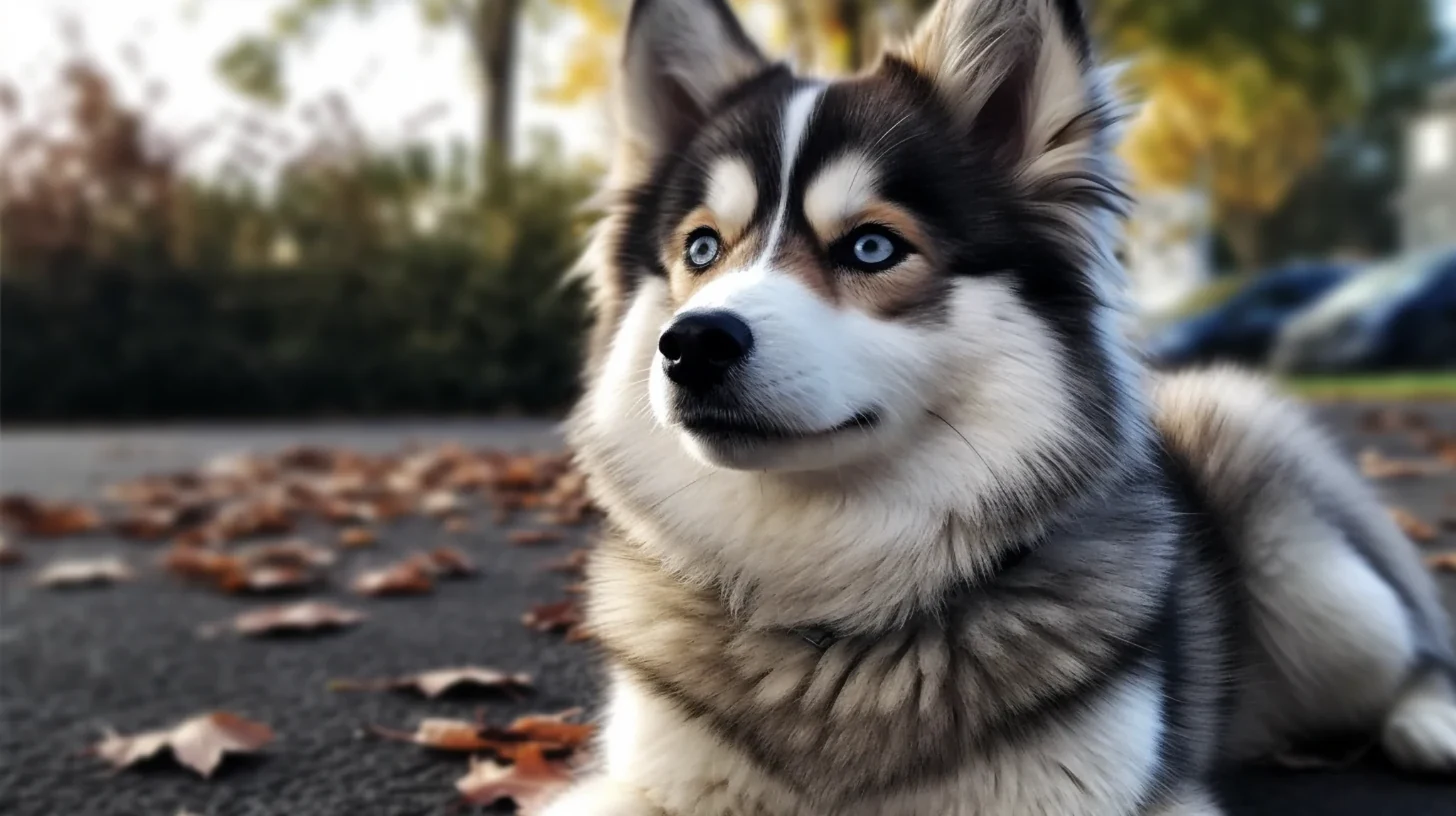
Quick answer: a Husky Pomsky and a Teacup Pomeranian are not two versions of the same purchase. A Husky Pomsky is usually everyday wording for a Pomsky with Husky and Pomeranian ancestry, while a Teacup Pomeranian is a very small-size marketing label for a Pomeranian. The better choice depends on adult-size risk, exercise, grooming, handling, health records, and the household routine you can keep.
The old page asked which was the "best Pomsky mix," but that framing is too broad and can push readers toward appearance over welfare. This rewrite keeps the comparison intent while making the page useful for real decisions: define the labels, compare daily care, flag weak size promises, and route readers to deeper Pomsky, size, teacup, and buyer-safety guides.
Husky Pomsky vs Teacup Pomeranian at a Glance
| Decision point | Husky Pomsky / Pomsky | Teacup Pomeranian |
| Label clarity | Often means a Pomsky with Husky and Pomeranian ancestry. | A small-size marketing label, not a separate recognized breed. |
| Adult size | Less predictable; plan around a range and parent records. | Usually smaller, but exact tiny-size promises need evidence. |
| Energy | May be athletic, vocal, and mentally busy. | Can be lively and bold despite small size. |
| Handling | May be stronger on leash and harder to lift if larger. | Easier to carry, but small bodies need careful handling. |
| Best fit | Owners who want a spitz-type companion and can handle uncertainty. | Owners prepared for small-dog care, supervision, and record checks. |
How This Page Differs From Nearby Guides
Siberian Husky Pomsky explains the base mix wording. Pomsky vs Husky size focuses on Husky-size comparisons. Miniature Siberian Husky vs Pomsky separates Mini Husky, Klee Kai, and Pomsky terminology. Teacup and Toy Pomsky covers tiny Pomsky labels, while Teacup Pomsky price handles tiny-size quotes and deposits.
This page is narrower: it compares Husky Pomsky wording with Teacup Pomeranian wording so readers can decide which type of small spitz-style dog fits their home better.
What "Husky Pomsky" Usually Means
Most readers use Husky Pomsky to mean Pomsky: a mixed dog associated with Siberian Husky and Pomeranian ancestry. The extra word "Husky" often appears because people are trying to describe the look, eyes, coat, or parent mix. It does not automatically prove a different kind of dog.
Ask what the seller or rescue means. Is one parent a Pomsky? Is one parent a Siberian Husky? Is the dog another Pomeranian-Husky mix? Is "Husky Pomsky" just a search phrase? The answer affects size, exercise, and care expectations.
What "Teacup Pomeranian" Means
Teacup Pomeranian is a size-marketing phrase, not a guarantee of a separate breed with separate needs. Some very small Pomeranians can be healthy individuals, but tiny-size claims should be handled carefully. A label cannot replace veterinary records, growth history, body condition, movement, dental care, and honest support.
If a listing uses "teacup" mainly to raise urgency or price, slow down. Ask how old the dog is, what it weighs now, how the parents look, and whether the seller can explain expected adult care without pressure.
Size: Compare the Range, Not the Photo
Size is the biggest difference for most households. A Pomsky may be smaller than a Siberian Husky but larger than buyers expect from puppy photos. A Teacup Pomeranian may be physically easier to carry, but a very small dog may need careful handling and close supervision around stairs, furniture, children, and larger pets.
Use the Pomsky size guide and adult-size preparation guide when size limits matter. If your lease, travel setup, lifting ability, or family routine depends on a narrow weight range, ask for evidence before committing.
Temperament and Energy
A Husky Pomsky may be playful, alert, vocal, independent, athletic, or highly social. A Teacup Pomeranian may be bold, watchful, busy, and attached to its people. Neither label guarantees calm behavior. The individual dog's routine, training, health, and environment matter more than the phrase in a title.
Do not assume smaller means easier. A small dog can still bark, guard resources, resist handling, chase movement, or struggle when left alone. A larger Pomsky may be more physically demanding, but a tiny dog can be more fragile.
Exercise Needs
A Husky Pomsky often needs daily walks, sniffing, play, training, chew time, and calm practice. The exact amount depends on age, health, size, and temperament. A Teacup Pomeranian also needs movement and enrichment, but exercise should respect its body size and stamina.
The practical question is not "which needs zero exercise." Neither does. Ask whether you can offer consistent walks, safe play, weather-appropriate routines, and mental work without overdoing the dog.
The Daily Routine Test
Before comparing photos or names, write down a normal weekday. Include wake-up time, potty breaks, work hours, school pickup, dinner, evening walk, grooming, and bedtime. A Husky Pomsky may need more structured exercise and decompression before it can settle. A Teacup Pomeranian may need more careful carrying, safer furniture access, and shorter but more frequent breaks.
The right choice is the dog whose needs fit that routine on tired days, rainy days, and travel days. If the routine only works when everything is perfect, the match is fragile.
Grooming and Coat Work
Both options can require real coat care. Pomskies and Pomeranians may have dense coats, seasonal shedding, feathering, and mat-prone areas. A Teacup Pomeranian's smaller body may take less time to brush, but the coat can still mat behind ears, under the collar, at the rear legs, and around the tail.
Plan for brushing, nail trims, dental care, ear checks, and professional grooming when needed. If you want a low-maintenance coat, neither label should be accepted without seeing the actual dog and coat.
Training and Barking
Training should start with everyday manners: name response, leash comfort, gentle handling, polite greetings, crate or pen comfort, recall, and calm time. A Husky Pomsky may need extra work around pulling, vocal behavior, and distraction recovery. A Teacup Pomeranian may need careful socialization, confidence building, and consistent boundaries.
If barking is already a concern, read the no-bark collar safety guide and the barking help page. Suppressing sound without understanding the cause can make a behavior plan worse.
Apartment Fit
A Teacup Pomeranian can be easier to fit physically in an apartment, but sound, confidence, alone-time comfort, and potty routine still matter. A Husky Pomsky may need more exercise and handling space, but some individuals can do well in apartments if their routine is consistent.
Before choosing either, ask who handles morning exercise, midday potty breaks, evening enrichment, and training during busy weeks. Apartment success comes from a routine, not only size.
Children and Fragility
A larger Pomsky may be harder for children to handle safely if it jumps or pulls. A very small Pomeranian may be easier to lift but easier to injure through rough handling, falls, or unsupervised play. Both require adult supervision.
Teach children not to grab, chase, hug tightly, pick up without help, disturb sleep, or take food and toys. The safest choice is the dog whose body size and temperament fit the supervision your household can actually provide.
Other Pets
Some Pomskies and Pomeranians live well with other pets, but introductions matter. A Pomsky may chase or play roughly. A tiny Pomeranian may be at risk around larger dogs even during friendly play. Cats, senior pets, and small animals need careful management.
Ask how the individual dog behaves around dogs, cats, food, toys, visitors, and fast movement. If the answer is unknown, plan a slow introduction and keep expectations conservative.
Health Records Matter More Than the Label
This article does not diagnose disease or rank health by label. The safer decision is to ask for a veterinary exam, vaccination records, parasite prevention, dental notes, current diet, known issues, parent information, and support terms. Mixed ancestry and tiny size both still need documentation.
Use the health maintenance checklist after adoption so weight, appetite, stool, skin, coat, movement, and behavior changes are tracked over time.
Budget and Time Commitments
Budget is not only the adoption price. Plan for veterinary exams, vaccines, parasite prevention, dental care, grooming, training help, safe containment, food changes, emergency care, and replacement gear as the dog grows. A larger Pomsky can make walking gear, boarding, food, and travel more expensive. A tiny Pomeranian can make dental care, handling safety, and close supervision more important.
Time is just as important. If no one can brush, train, supervise, or arrange care during long workdays, the smaller label will not solve the problem. Choose only after the household agrees who handles each recurring task.
Buyer-Safety Questions
- What exactly do you mean by Husky Pomsky, Pomsky, Teacup Pomeranian, toy, mini, or micro?
- How old is the dog, and what is its current weight and body condition?
- What records support the adult-size expectation?
- Can I see veterinary records, vaccine timing, parasite prevention, and current food?
- What is the return or support policy if size, health, or temperament differs from the listing?
- Can the seller discuss care needs without pushing urgency, rare-color claims, or exact guarantees?
Red Flags in Listings
Be cautious with exact adult-size guarantees, pressure to pay immediately, tiny-size claims without age and weight context, no veterinary records, no parent information, vague pickup details, stolen-looking photos, and prices that change based only on label or color.
Responsible breeder guidance from AKC and Humane World emphasizes transparency, questions, records, and welfare. A trustworthy listing should make you more informed, not more rushed.
When a Husky Pomsky May Fit Better
A Husky Pomsky may fit better if you want a spitz-type dog with a potentially more athletic routine, you can handle adult-size uncertainty, and you have time for walking, training, brushing, and enrichment. It may not fit if you need a reliably tiny dog, very low exercise needs, or a predictable adult size.
When a Teacup Pomeranian May Fit Better
A Teacup Pomeranian may fit better if you want a very small companion and can provide careful handling, supervision, dental care, grooming, and a safe home setup. It may not fit if your household includes rough play, many stairs, larger unsupervised pets, or little time for tiny-dog management.
When Neither Is the Right Choice
Neither option is ideal if the household wants a dog that needs no grooming, no barking management, no training, no vet budget, or no schedule. A different adult rescue dog with known size and temperament may be a better match for some homes than a tiny puppy or a size-uncertain Pomsky.
Decision Checklist
| If this matters most | Lean toward | Still verify |
| Predictable tiny size | Teacup Pomeranian only if records are strong | Age, weight, body condition, vet notes, and parent context |
| Spitz look with more athletic routine | Husky Pomsky / Pomsky | Adult-size range, exercise, barking, and leash handling |
| Apartment life | Either, depending on the individual | Barking, potty routine, alone-time comfort, and neighbors |
| Children in the home | Either, with supervision | Handling tolerance, jumping, fragility, and play style |
| Low uncertainty | Known adult dog | Observed size, temperament, health, and routine |
Gear Planning Without Product Rankings
This page does not rank collars, harnesses, crates, carriers, beds, or food. It can still help you plan the category of gear you may need. A larger Pomsky may need sturdier walking and travel setup. A tiny Pomeranian may need smaller, lighter equipment and extra supervision around cold, stairs, and rough play.
Use the Pomsky supplies guide for broad planning. Wait to buy permanent gear until size is clearer, and choose safe fit over brand names or listing claims.
What to Ask a Vet or Trainer
Ask a veterinarian about body condition, growth, dental care, vaccination timing, parasite prevention, and any size-related health concerns. Ask a qualified trainer about barking, confidence, leash manners, handling, and household routines.
If a seller discourages veterinary or training questions, treat that as a caution signal. Good support should make care clearer.
Common Mistakes
- Choosing from a puppy photo instead of records.
- Assuming teacup automatically means easy.
- Assuming Pomsky automatically means medium or athletic.
- Buying permanent gear before adult size is clearer.
- Ignoring barking, grooming, and alone-time needs.
- Treating "rare" color or label language as proof of quality.
Related Guides
- Pomsky size and growth hub
- Siberian Husky Pomsky
- Pomsky vs Husky size
- Miniature Siberian Husky vs Pomsky
- Klee Kai vs Pomsky
- Teacup and toy Pomsky
- Teacup Pomsky price
- Micro Pomskies
- Pomeranian vs Pomsky FAQ
- Pomsky vs Pomeranian vs Shih Tzu
- Adult Pomsky size
- Pomsky supplies
Bottom Line
Do not choose between a Husky Pomsky and a Teacup Pomeranian by asking which is "best." Ask which individual dog fits your real home. A Husky Pomsky may bring more size uncertainty and activity. A Teacup Pomeranian may bring tiny-dog handling concerns and marketing noise. The safer decision comes from records, observation, and a routine you can maintain.
Frequently Asked Questions
Is a Husky Pomsky the same as a Pomsky?
Usually, but not always. Many people use Husky Pomsky to describe a Pomsky because Pomsky already points to Husky and Pomeranian ancestry. Ask what the seller means before assuming the dog is a distinct type.
Is a Teacup Pomeranian smaller than a Pomsky?
Often, but exact size should not be accepted from a label. Teacup is a marketing phrase, so verify age, weight, parent context, health records, and expected adult range.
Which is better for apartments?
Either can work for the right home. A smaller dog may be easier physically, but apartment fit also depends on barking, potty routine, alone-time comfort, exercise, training, and neighbors.
Is a Pomsky healthier than a Teacup Pomeranian?
Do not assume that from the label. Health depends on the individual dog, records, body condition, breeding practices, veterinary care, and daily management.
Should I trust tiny-size guarantees?
No exact promise should be trusted without evidence. Ask for current age, current weight, parent size, previous adult offspring, and contract terms if the dog grows larger than promised.
Does this page recommend breeders or products?
No. This page is an educational comparison and buyer-safety guide. It is not a breeder directory, puppy listing, product review, or affiliate ranking.
Sources
- AKC - Siberian Husky
- AKC - Pomeranian
- PetMD - Pomsky
- AVMA - Selecting a Pet Dog
- AKC - Responsible Dog Ownership
- AKC - Questions to Ask a Potential Breeder
- Humane World - How to Find an Ethical, Responsible Dog Breeder