Grooming products
Pomsky Grooming Products You Can Skip: What Not to Buy Yet
A source-backed guide for avoiding wasteful Pomsky grooming products while keeping the coat, skin, nails, and teeth covered with a simple starter routine.
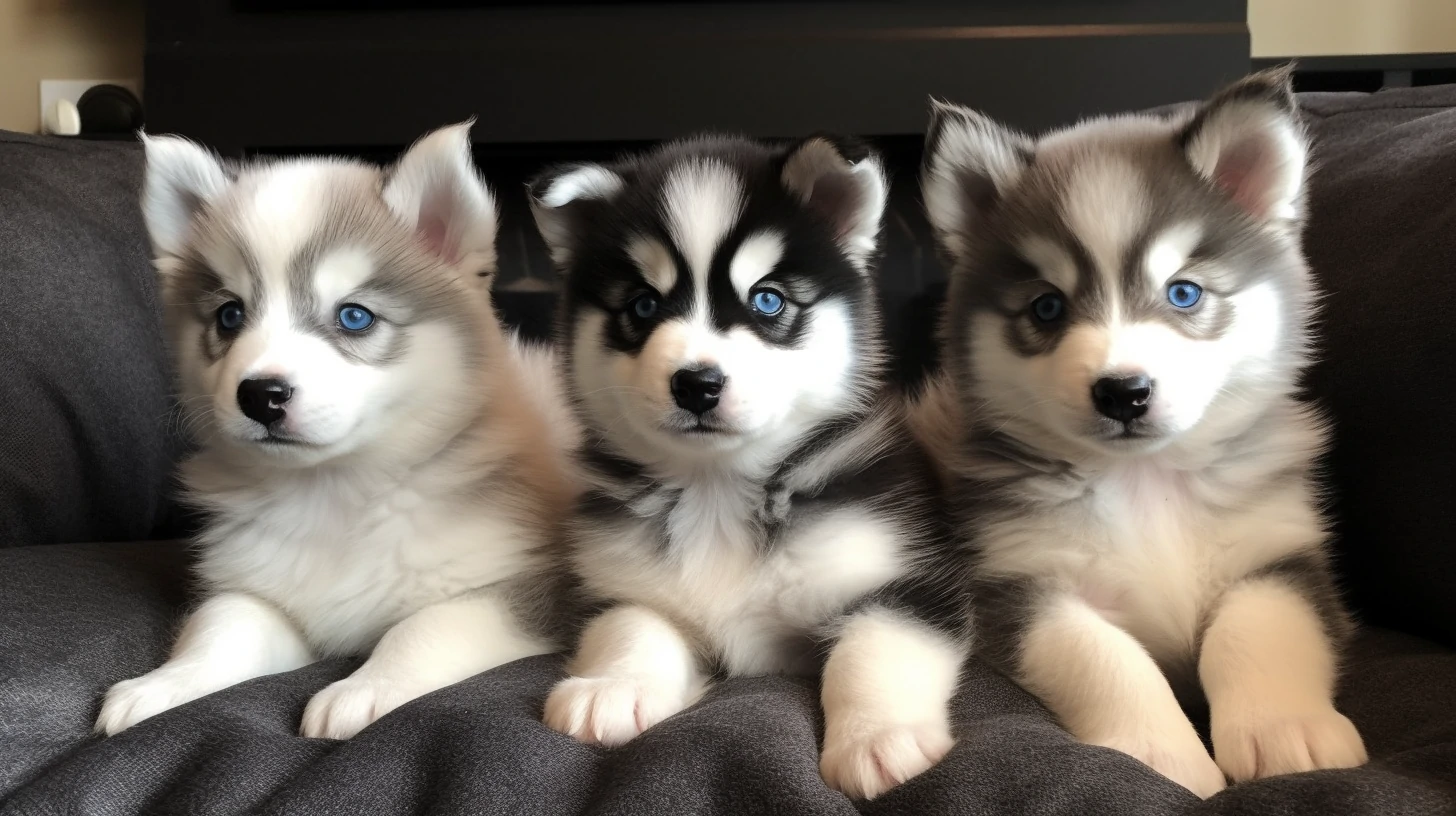
Quick answer: you do not need to buy every Pomsky grooming product before you know your dog's coat. Start with a gentle brush, metal comb, dog-safe shampoo, towels, nail care, and dog dental basics. Delay perfumes, heavy oils, dematting blades, clippers, whitening sprays, daily wipes, and subscription boxes until a groomer or veterinarian gives you a clear reason.
This page is about avoiding wasted money and risky shortcuts. For the core tool checklist, use the Pomsky grooming tools guide. For the full starter list beyond grooming, use the Pomsky supplies checklist.
How This Page Is Different
The existing grooming tools guide explains what to buy first, what to use carefully, and how to use tools. This page is narrower: it helps you decide what not to buy yet. That distinction matters because old product-heavy pages can look like recommendations even when the safer answer is to wait.
Use this page when you are looking at a cart full of grooming products and need to remove optional items. Use the tools guide when you need a practical brushing and combing kit.
Products Most Pomsky Owners Can Skip at First
| Product category | Why to delay it | Buy only if |
| Perfume or deodorizing spray | It can hide odor instead of fixing the cause. | A vet or groomer confirms skin and ears are healthy and the product is dog-safe. |
| Heavy coat oil | It can make a dense coat greasy and trap debris. | A professional recommends it for a specific dry-coat issue. |
| Dematting blade | It can cut coat or skin when used on tight mats. | A groomer shows you exactly where and how to use it. |
| Full clipper kit | Routine full-body clipping is not a normal shortcut for a double coat. | You have training for paw-pad or sanitary trimming. |
| Daily grooming wipes | They do not replace brushing, bathing, drying, or skin checks. | You need a small-mess cleanup option for travel or muddy paws. |
| Whitening spray | It treats appearance before coat comfort. | Your groomer confirms it is safe and necessary. |
Fancy Shampoos
A Pomsky needs a mild dog-safe shampoo, not a shelf of specialty formulas. Avoid buying color-enhancing, heavy-fragrance, or extreme-claim shampoos before you know how your dog's skin reacts to basic bathing. Bathing too often or rinsing poorly can create more irritation than a plain product would have caused.
Buy one gentle formula first. If your Pomsky smells bad soon after bathing, the answer may be drying, ears, skin, teeth, diet, or a medical issue, not a stronger scent.
Conditioners
Conditioner can help some coats, especially when static or dryness is real, but it is not required for every Pomsky. It also cannot remove mats. If the coat tangles because brushing is too shallow, conditioner will not fix the routine.
Delay conditioner until you have used a slicker brush, a comb check, careful rinsing, and full drying. If the coat still feels dry or breaks easily, ask a groomer whether a light dog-safe conditioner makes sense.
Perfumes and Deodorizing Sprays
Perfume is one of the easiest products to skip. A healthy dog should not need constant fragrance. If odor returns quickly after a bath, check ears, skin folds, teeth, damp undercoat, bedding, and diet with appropriate professional guidance.
Strong scent can also make it harder to notice real odor changes. For an AdSense-safe educational page, the message is simple: do not cover up a possible health or hygiene signal with perfume.
Grooming Gloves
Grooming gloves can feel friendly, but many do not reach through a Pomsky's dense coat. They may remove loose surface hair while leaving tangles near the skin. If you already own one, use it as a gentle finishing or bonding tool, not as the main detangling tool.
Before buying gloves, buy a slicker brush and a metal comb. The comb is what tells you whether brushing actually worked.
Electric Clippers
Most Pomsky owners should delay full clipper kits. Clippers can help with paw-pad or sanitary work in trained hands, but shaving a dense coat can create coat and skin problems when done casually. Tight mats also make clipping riskier because skin can be pulled into the mat.
If you need clipping, ask a professional groomer to show you what is safe. For full-coat questions, read what happens if you shave a Pomsky before buying tools.
Dog Wipes
Wipes are convenient for muddy paws or small travel messes, but they are not a daily grooming plan. Overusing wipes can delay real bathing, drying, and skin checks. They can also leave residue if the formula is not right for your dog.
Buy wipes later if you have a specific use case. Keep the main routine focused on brushing, combing, bathing when needed, drying, and checking hidden areas.
Teeth Cleaning Sprays and Scrapers
Dental products deserve extra caution. A dog toothbrush and dog toothpaste can be part of a normal routine, but tools that scrape teeth, promise fast tartar removal, or replace professional dental care should not be bought casually.
Ask your veterinarian what dental care fits your Pomsky's age, mouth, and behavior. Do not use human toothpaste, and do not force painful mouth handling.
Dematting Blades and Mat Splitters
Dematting blades sound practical, but they are sharp tools. They can cut coat, hide uneven work, and injure skin when mats are tight. A mat that is close to the skin, damp, red, or painful is not a product-shopping problem.
For early tangles, use gentle brushing and a comb. For tight mats, pay a professional instead of buying sharper tools.
Paw Balms and Coat Oils
Paw balm can be useful for weather, rough surfaces, or specific paw issues, but it is not required for every dog every week. Coat oils are similar: they can make a coat look shiny while adding residue or masking a skin problem.
Delay oils and balms until there is a real need. If paws crack, bleed, smell unusual, or your dog licks them constantly, ask a veterinarian rather than layering products.
Subscription Grooming Boxes
Subscription boxes can be fun, but they often send duplicate sprays, wipes, shampoos, gadgets, or toys before you know whether your Pomsky uses them. For a recovering site focused on useful advice, the better recommendation is boring: buy one product when a real need appears.
Subscription boxes may make sense later if you already know your dog's sensitivities and you are willing to discard unsuitable items. They are not a starter requirement.
What to Buy First Instead
The basic kit is smaller than many product lists suggest. Buy a gentle slicker brush, stainless steel comb, dog-safe shampoo, two towels, nail trimmer or grinder, dog toothbrush and toothpaste, and treats for calm handling. These cover the routine most owners actually repeat.
Then add tools only when the coat, season, lifestyle, or professional advice justifies them. For a broader care routine, compare the Pomsky grooming requirements, groomed Pomsky routine, and Pomsky grooming tips.
The Buy, Delay, or Skip Rule
Use a simple rule before buying any grooming product: buy it if it solves a weekly need safely, delay it if you need more information, and skip it if it mainly promises speed, shine, scent, or convenience without addressing coat health.
| Decision | Use when | Example |
| Buy | The product supports normal care and is low-risk. | Comb, brush, dog shampoo, nail care, dog toothpaste. |
| Delay | You are unsure whether the coat or routine needs it. | Conditioner, dryer, undercoat rake, paw balm. |
| Skip | The product hides symptoms or encourages harsh shortcuts. | Perfume, whitening spray, dematting blade for tight mats. |
Puppy vs Adult Pomsky Buying Decisions
Puppies need gentle handling practice more than advanced products. A puppy-safe brush, comb, towel, mild shampoo, nail practice, and rewards are enough to begin. Avoid loud dryers, sharp dematting tools, and heavy products until your puppy is comfortable with touch.
Adult Pomskies may need a seasonal rake, professional grooming, or specific products after you understand coat thickness and mat history. Even then, add one product at a time so you can see whether it helps or causes irritation.
Sensitive Skin and Odor Red Flags
Do not solve redness, flakes, odor, chewing, hair loss, greasy coat, ear discharge, or sudden grooming resistance by buying more products. These signs may need veterinary or professional grooming input. Stronger shampoo, perfume, or coat oil can make the signal harder to read.
When in doubt, stop product experiments and document what changed: food, bath frequency, weather, bedding, fleas, mats, ear odor, paw licking, and grooming stress.
Questions to Ask a Groomer or Veterinarian
- Does my Pomsky's coat need a seasonal rake, or is a brush and comb enough?
- Is this odor coming from coat dirt, ears, teeth, skin, or damp undercoat?
- Should I use conditioner, or should I change brushing and drying first?
- Is this mat safe to work at home, or should it be clipped professionally?
- Which nail tool is safest for my dog's size and tolerance?
- What dental care should I do at home, and what should be left to a clinic?
Marketing Claims to Treat Carefully
Be careful with claims like "one tool replaces grooming," "instant de-shedding," "no more odor," "human-grade fragrance," "show coat shine," or "safe for all dogs." A product can be useful and still not be right for your Pomsky.
Good product decisions are boring and specific: this tool reaches this coat area, at this frequency, with this safety limit. Anything broader should be treated as marketing until proven by your dog's actual routine.
Budget Order for Grooming Purchases
- Brush and comb.
- Dog-safe shampoo and towels.
- Nail care and dog dental basics.
- Treats and a nonslip surface for handling practice.
- Professional grooming visit if mats, coat density, or handling stress are beyond your skill.
- Optional products only after the basics are working.
Common Mistakes
- Buying a dematting blade before learning to brush in layers.
- Using perfume to hide odor instead of checking ears, skin, teeth, and damp coat.
- Buying clippers because a mat looks inconvenient.
- Using human shampoo or human toothpaste.
- Assuming a grooming glove reaches through a dense coat.
- Buying several new products at once and not knowing which one caused irritation.
When a Product Is Worth Buying
A product is worth buying when it solves a clear problem, is safe for dogs, fits your Pomsky's size and coat, and you know how often to use it. It is not worth buying simply because a list says every owner needs it.
If the product requires skill, get a demonstration. If the problem involves pain, odor, redness, or behavior changes, get advice before buying more supplies.
Seven Questions Before You Add It to the Cart
Before buying a grooming product, ask seven practical questions. First, what exact problem does it solve? Second, can a brush, comb, towel, bath, nail tool, or dental habit solve the same problem more safely? Third, is the product labeled for dogs, and does it avoid strong fragrance or harsh ingredients? Fourth, can you use it without forcing your Pomsky to hold still through pain or fear?
Fifth, will you know if it causes irritation? Sixth, is there a professional reason to use it, or is the claim mainly about speed and shine? Seventh, where will it fit into your weekly routine? A product with no clear day, frequency, and safety limit usually belongs in the delay pile.
When to Upgrade From Basics
Upgrade only after the basics show a gap. A seasonal undercoat rake may be useful if your comb keeps finding loose packed coat after normal brushing. A dryer may be useful if baths leave the coat damp for too long. A conditioner may be useful if your groomer sees dryness after you already rinse and dry well.
Do not upgrade because the coat looks dramatic in a product photo. Upgrade because your own Pomsky has a repeatable grooming problem and the product has a narrow, safe job.
What Not to Remove From the Budget
Skipping optional products does not mean cutting the important parts of care. Keep money available for a professional groomer when mats are painful, for veterinary care when skin or odor changes appear, and for replacement basics when a brush wears out or nail tools become dull. Saving money on perfume, novelty tools, and duplicate conditioners is useful only if the money remains available for real care.
The goal is not to own the fewest items possible. The goal is to own the right few items, use them consistently, and get help before a coat issue becomes uncomfortable.
Related Guides
- Pomsky grooming tools: what to buy and skip
- Pomsky grooming hub
- Pomsky supplies checklist
- Pomsky grooming requirements
- Groomed Pomsky routine
- Pomsky grooming tips
- Best shampoo for Pomskies
- Pomsky brush guide
- What happens if you shave a Pomsky?
- Health disclaimer
- Affiliate disclosure
- Editorial policy
Frequently Asked Questions
Which Pomsky grooming products can I skip at first?
Skip perfumes, heavy coat oils, dematting blades, full clipper kits, daily wipes, whitening sprays, and subscription grooming boxes at first. Start with a brush, comb, dog-safe shampoo, towels, nail care, and dental basics.
Do Pomskies need conditioner?
Not always. Conditioner can help some dry or static-prone coats, but it should not replace brushing, rinsing, drying, or veterinary advice for skin irritation. Delay it until the basic routine is working.
Are grooming wipes necessary for a Pomsky?
No. Wipes are convenient for small messes, but they are not a substitute for bathing, drying, brushing, or skin checks. Use them sparingly and choose dog-safe formulas.
Should I buy clippers for my Pomsky?
Most owners should delay clippers. Paw-pad or sanitary trimming can be useful in trained hands, but full-body clipping or shaving a dense coat should be handled by a professional when there is a clear reason.
What should I buy first for Pomsky grooming?
Buy a gentle slicker brush, stainless steel comb, dog-safe shampoo, towels, nail trimmer or grinder, dog toothbrush and toothpaste, and treats for calm handling practice.
Does this page recommend specific products?
No. This page explains product categories to buy, delay, or skip. It does not rank products, review products, use affiliate links, or recommend sellers.
Sources
- AKC - Types of Dog Brushes
- AKC - How Often Should You Wash Your Dog?
- VCA - Grooming and Coat Care for Your Dog
- Merck Veterinary Manual - Routine Health Care of Dogs
- AVMA - Pet Dental Care
- ASPCA - Why Pets Need Regular Grooming