
Quick answer: Crate training should teach a Pomsky that the crate predicts safety, rest, and rewards. Build duration gradually with the door open first, never use the crate as punishment, and stop if confinement produces sustained panic or self-injury risk.
\n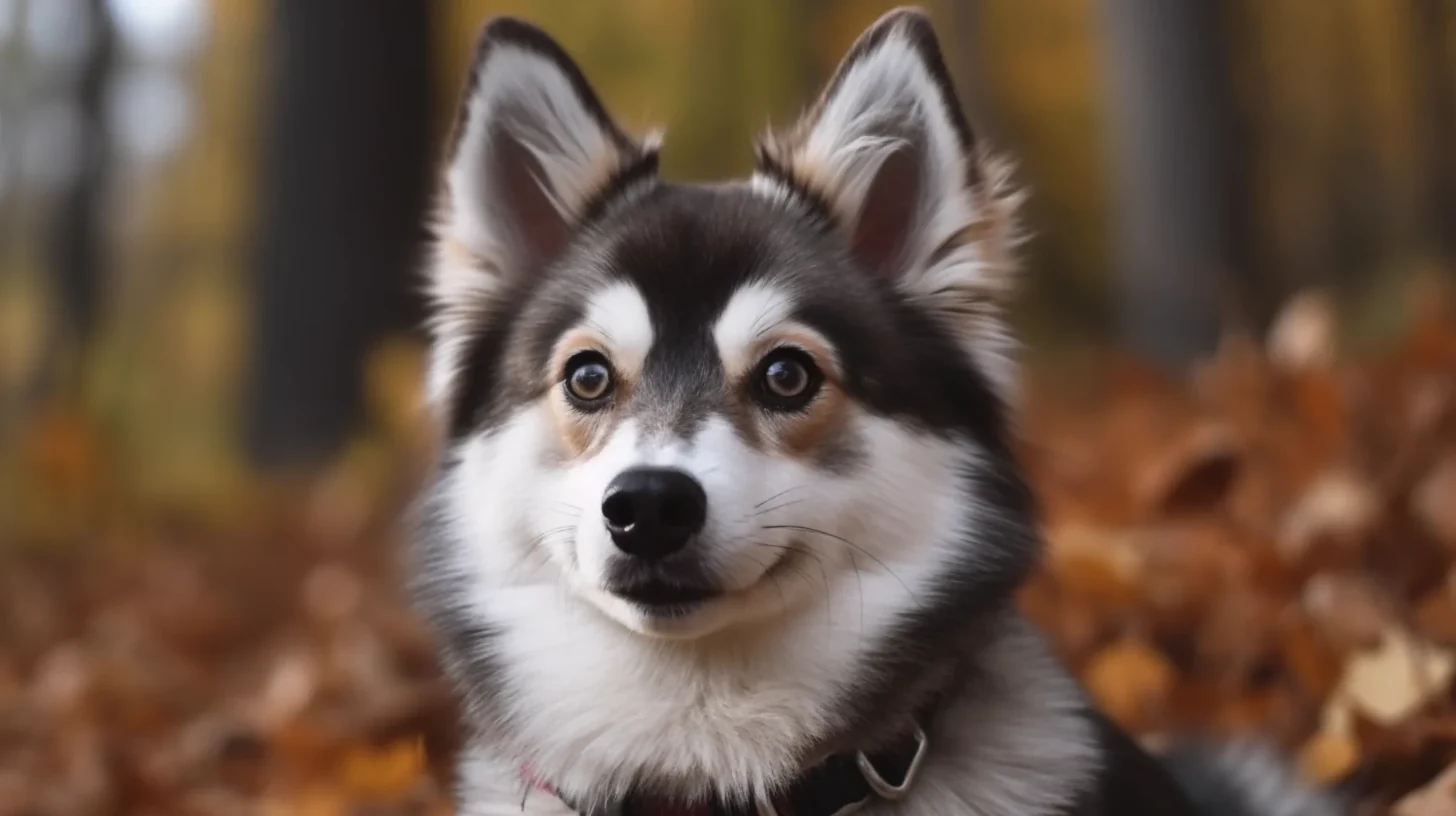
Written and reviewed by A Pomsky Editorial Team. Published 2026-06-20; last reviewed July 25, 2026.
This guide is educational and is not veterinary or behavior-diagnosis advice. Ask a veterinarian or qualified behavior professional about panic, self-injury attempts, sudden behavior change, pain, severe separation distress, or unsafe confinement. See the health disclaimer.
Quick answer: Pomsky crate training works best when the crate is introduced as a calm rest space, not a punishment or all-day holding area. Start with the right-size crate, short positive sessions, planned potty breaks, meals or treats near the crate, gradual door-closing practice, and clear limits on fear, panic, heat, chewing risk, and separation-anxiety signs.
This page covers crate training behavior and routine. For dimensions and fit, use the Pomsky crate size guide. For daily timing, use the puppy schedule. For housebreaking, use the potty training guide. For gear planning, use the supplies checklist. For marker training, use the clicker training guide.
Pomsky Crate Training at a Glance
| Goal | What to do | What to avoid |
| Safe rest | Use short calm sessions, naps, meals, and predictable release. | Using the crate as punishment. |
| Potty support | Pair crate rest with outside breaks after sleep, meals, play, and excitement. | Expecting a puppy to hold it too long. |
| First nights | Keep the crate close enough for reassurance and plan potty trips. | Ignoring panic or possible discomfort. |
| Short absences | Increase time only after calm practice at the previous step. | Jumping from five minutes to several hours. |
| Problem signs | Watch for panic, escape attempts, drooling, injury, or sudden refusal. | Treating anxiety as disobedience. |
How This Page Is Different From the Crate Size Guide
The crate size guide answers fit: height, length, divider use, adult-size planning, and safe sizing. This page answers the behavior question: how to teach a Pomsky to relax in the crate, how to handle the first nights, and when crate trouble is really anxiety, discomfort, or schedule mismatch.
That split matters for SEO and for owners. A perfectly sized crate can still fail if it is introduced too fast. A calm crate routine can also fail if the crate is unsafe, too small, too hot, too isolated, or used for too many hours.
Choose the Crate Setup Before Training Starts
Before asking your Pomsky to enter, check the environment. The crate should sit in a stable place with normal household sounds, comfortable temperature, and enough distance from constant traffic that the dog can rest. Avoid direct sun, heaters, damp floors, and spots where children or guests can bother the dog through the door.
Bedding depends on chewing habits. A soft bed can help some dogs settle, but it is not safe if the puppy shreds fabric or swallows pieces. The same rule applies to toys. Use safe chew options only when you can supervise and remove anything that becomes a choking or ingestion risk.
Use the Crate as a Rest Space, Not a Punishment
Pomsky crate training gets harder when the crate becomes the place a dog goes after trouble. The crate should predict rest, food, chew time, quiet praise, and safe reset. If the dog is sent there only when people are frustrated, the crate starts to feel like social rejection.
Use a neutral cue such as "crate" or "bed" and keep your voice calm. Do not chase the dog into the crate. Do not shove the dog inside. Those shortcuts can create the exact avoidance you are trying to prevent.
Start With Open-Door Confidence
The first goal is not a closed door. The first goal is voluntary entry. Place a treat or a few pieces of food just inside the crate. Let your Pomsky step in, step out, sniff, and repeat. Keep the session short enough that the dog still wants more.
When open-door entry is easy, move the reward farther back. Add a meal near the crate, then just inside it, then farther inside if the dog is relaxed. Food is not magic, but it gives the crate a predictable positive meaning.
Close the Door in Tiny Steps
Closing the door is a separate skill. Close it for one second, reward calm behavior, and open it before the dog worries. Then try three seconds, ten seconds, thirty seconds, and a minute. If your Pomsky jumps, paws, barks, or freezes, the step was too large.
Short door practice is especially important for vocal Pomskies. Waiting for a dramatic meltdown teaches the wrong lesson: the crate predicts panic and then escape. Calm repetition is slower at first and faster later.
First-Night Crate Training
First nights are about security and potty timing. Put the crate close enough that your puppy knows people are nearby. Some owners start in the bedroom and gradually move the crate later. Others use a safe pen plus crate setup. The right answer is the one that keeps the puppy safe, lets the household sleep, and prevents panic.
Plan potty breaks. A young puppy cannot be expected to hold it all night. Take the dog out calmly, use the same potty area, keep the break boring, and return to the crate. If the puppy cries immediately after a normal potty break, check comfort, temperature, and fear before assuming manipulation.
Pair Crate Training With Potty Training
Crates can support housebreaking because many dogs prefer not to soil the place where they rest. That does not mean the crate trains the dog by itself. You still need a schedule, reward timing, cleanup, and realistic expectations.
Use the Pomsky potty training guide for the housebreaking sequence. In crate training, the key is timing: potty after waking, after meals, after drinking, after active play, after excitement, and before longer rest.
Build a Daytime Crate Schedule
A Pomsky puppy should not bounce between chaos and long confinement. Use short naps, quiet chew time, and predictable breaks. For example, a morning might include potty, breakfast, a short training session, potty again, a crate nap, potty after waking, play, and another rest period.
The Pomsky puppy schedule gives the wider day. This page keeps the crate role narrow: a safe rest station that supports routine, not a substitute for walks, enrichment, social time, or supervision.
Practice Short Absences Before Real Absences
Do not make the first closed-door crate session the moment you leave for work. Practice stepping across the room, then out of sight for a few seconds, then to another room, then out the door briefly. Return calmly before the dog is distressed.
When you return, avoid a huge emotional greeting at the crate door. Calm release keeps the crate from becoming the starting line for frantic excitement. Open the door when the dog is settled enough to exit safely.
What to Do When a Pomsky Whines in the Crate
Whining can mean many things: potty need, fear, boredom, overtiredness, heat, thirst, pain, or a training step that moved too fast. Check the basics first. A puppy who has been asleep may genuinely need to go outside.
After basics are covered, reward quiet moments and make the next session easier. If whining escalates into panic, drooling, frantic digging, biting the crate, or escape attempts, stop treating it as ordinary protest. That pattern needs a slower plan and possibly professional help.
Do Not Use the Crate for All-Day Storage
A crate is a short-rest and safety tool. It is not a place to store a Pomsky for a full day without breaks. Pomskies need potty breaks, water access, exercise, training, social time, grooming checks, food, sleep, and mental enrichment.
For longer workdays, consider a safe confinement area, trusted sitter, dog walker, split shifts, or a gradual alone-time plan. A crate can be part of the plan, but it should not be the whole plan.
Crate vs Pen vs Gated Room
Some Pomskies settle better with a crate. Others do better with a pen attached to a crate, especially during early housebreaking or when the family is home. A gated puppy-safe room can work for older dogs who are past chewing and potty accidents.
The choice should match safety, training stage, and stress level. If a dog injures itself trying to escape a crate, switching tools is not failure. It is risk management.
Common Pomsky Crate Training Mistakes
- Buying the crate before checking fit in the crate size guide.
- Closing the door before the dog is comfortable entering voluntarily.
- Using the crate only when leaving the house.
- Letting a puppy rehearse panic for long periods.
- Expecting crate training to replace potty training.
- Using the crate as punishment after biting, barking, or accidents.
- Leaving bedding or toys that the dog chews and swallows.
- Ignoring heat, thirst, pain, or separation-anxiety signs.
Use Positive Training Around the Crate
Clicker or marker training can help if your Pomsky already understands a marker. Mark calm entry, four paws inside, lying down, quiet duration, and calm release. If you need the marker-training basics, use the clicker guide.
Keep sessions boring in the best possible way. Crate training is not a performance trick. It is a low-drama routine that should make ordinary household life easier.
Crate Training Older Pomskies
Older Pomskies may need a slower plan, especially if they were previously forced into crates or left too long. Start with open-door feeding and calm resting near the crate. Do not assume an adult can skip the beginner steps.
Older dogs may also have pain, joint stiffness, dental discomfort, urinary issues, or anxiety that changes crate tolerance. Sudden crate refusal deserves a basic health and comfort check, not just stricter training.
When Crate Problems May Be Anxiety
VCA's separation-anxiety guidance is a useful reminder that distress can look like destruction, vocalizing, drooling, escape attempts, house soiling, or panic when separated. A Pomsky who is panicking in a crate is not learning calm crate behavior.
Get help from a veterinarian, qualified trainer, or behavior professional if crate distress is intense, repeated, injurious, or paired with broader separation distress. Do not use bark collars, shock, or fear-based methods to suppress crate panic. For aversive-collar context, see the no-bark collar safety page.
7-Day Pomsky Crate Training Starter Plan
Day 1: open-door exploration with treats and no pressure. Day 2: meals near or just inside the crate. Day 3: short closed-door moments while you sit nearby. Day 4: one- to five-minute rests after potty and play. Day 5: brief out-of-sight practice. Day 6: a short absence after exercise and potty. Day 7: review what caused whining, barking, or refusal, then repeat the easiest successful step.
This is not a promise that every Pomsky is crate trained in a week. It is a conservative starter plan that prevents the common mistake of moving from curiosity to long confinement too quickly.
Where to Go Next
Use the Pomsky training hub for related behavior pages. Use the crate size guide before buying or replacing a crate. Use the puppy schedule and the potty training guide when crate timing is part of a wider puppy routine.
Use the supplies checklist for starter gear, the trainer selection page when help is needed, and the raising roadmap for the broader puppy-to-adult plan.
Product and Affiliate Note
This article does not rank crates, pens, beds, cameras, toys, collars, sellers, or training tools. A future affiliate module can be added only after product evidence, affiliate disclosure placement, image checks, click tracking, and AdSense-safe layout are ready.
Pomsky Crate Training FAQ
How long can a Pomsky stay in a crate?
Use the shortest time that matches age, bladder control, exercise, water, meals, and stress level. Puppies need frequent potty breaks and should not be expected to handle adult-length confinement.
Should I cover my Pomsky's crate?
A cover can help some dogs settle, but it can also trap heat or make a worried dog feel more confined. Test carefully and remove it if your Pomsky pants, panics, chews fabric, or seems less comfortable.
Can crate training help with potty training?
It can support the schedule, but it does not replace housebreaking. You still need planned potty trips, rewards outside, cleanup, and realistic timing.
What if my Pomsky barks in the crate?
Check potty need, discomfort, fear, timing, and whether the session was too hard. Reward quiet moments and make the next session easier. Escalating panic needs professional help.
Is a crate or playpen better for a Pomsky?
A crate is useful for short rest and travel preparation. A pen or gated space can be better for longer supervised periods, early housebreaking setups, or dogs that are not ready for closed-door crate time.
When should I stop crate training and call a professional?
Stop and get help if your Pomsky tries to injure itself escaping, drools heavily, panics, eliminates from fear, suddenly refuses the crate, or shows separation-anxiety patterns.
Sources Reviewed
These sources were reviewed for crate training, safe routine building, puppy socialization, general dog care, and separation-anxiety red flags. Source links do not endorse products or sellers.
- Humane World - Crate Training 101
- AKC - How to Crate Train Your Dog in 9 Steps
- AKC - Why Crate Training Is Great for Your Dog
- AVMA - Socialization of Dogs and Cats
- ASPCA - General Dog Care
- VCA - Separation Anxiety in Dogs
Evidence and related Pomsky guides
These sources support only their stated claim scopes; they do not guarantee an individual Pomsky outcome.
Sources reviewed for this page
- American Veterinary Society of Animal Behavior: Humane Dog Training Position Statement
- American Veterinary Society of Animal Behavior: Puppy Socialization Position Statement