 A Pomsky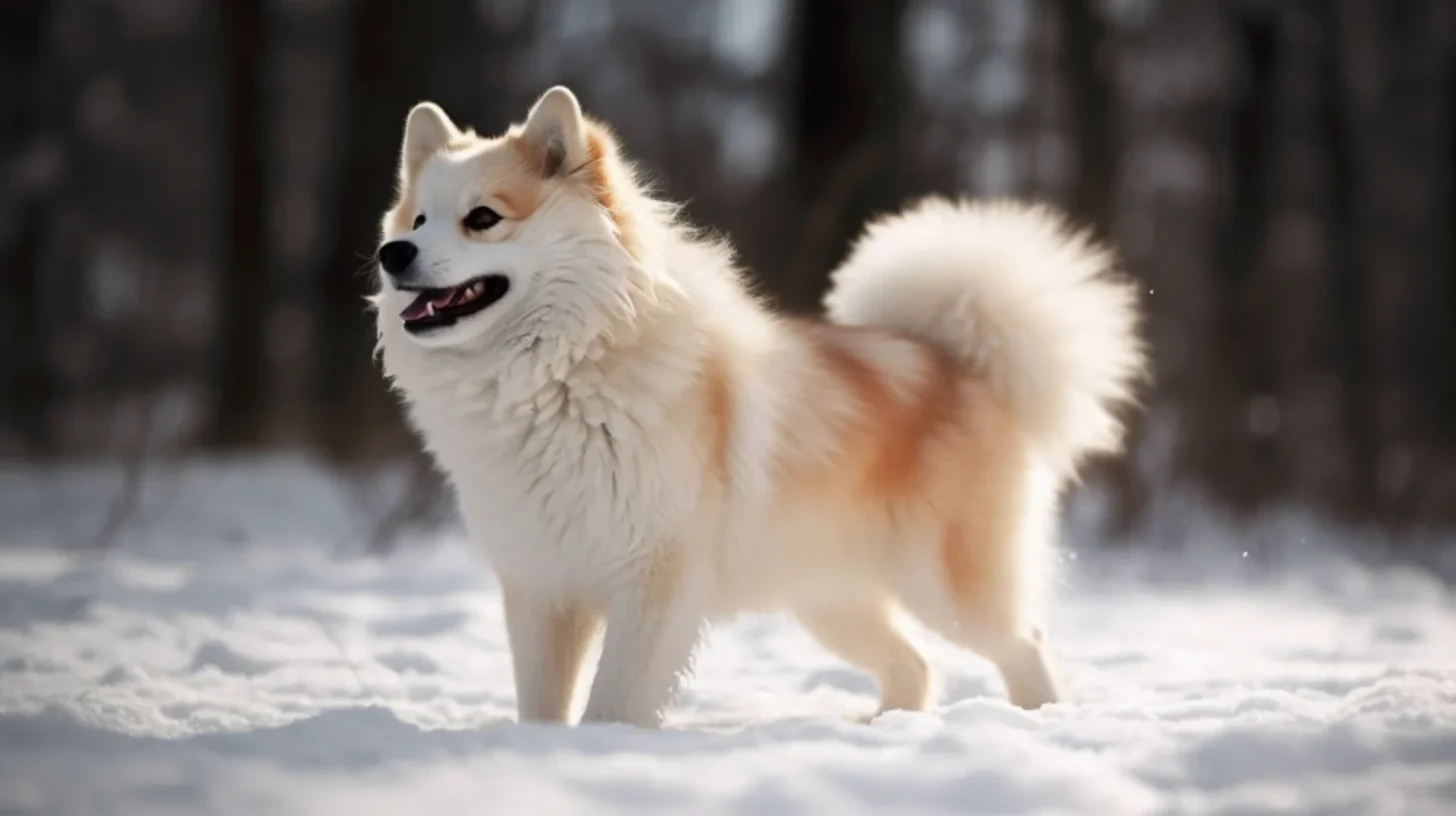
Last updated: June 19, 2026
This page is educational. It does not recommend a breeder, rescue, puppy listing, medical decision, or exact adult-size prediction. Verify records and consult a veterinarian or qualified professional when health or behavior concerns appear. See the editorial policy, health disclaimer, and affiliate disclosure.
Quick answer: "Alaskan Klee Kai Pomsky" is not a standard breed name. It usually means one of three things: a seller claims a Klee Kai-Pomsky cross, a writer is comparing Alaskan Klee Kai with Pomskies, or a listing is using the phrase loosely because the dog has a compact Husky-like look. Before buying or adopting, ask what the label means, verify parentage and records, and judge the individual dog.
The old version of this page described the phrase as if it were a stable dog type. That is risky because it can make a marketing label sound more predictable than it is. This rewrite keeps the historic URL but narrows the page: it explains the label, protects users from unclear listings, and sends comparison-intent readers to the fuller Klee Kai vs Pomsky guide.
What the Label Can Mean
| Phrase used by seller or article | What it may mean | What to verify |
| Alaskan Klee Kai Pomsky | A claimed cross between an Alaskan Klee Kai and a Pomsky, or confused shorthand. | Parent identity, records, contract, health details, and adult size expectations. |
| Klee Kai vs Pomsky | A comparison between two different choices. | Use the dedicated comparison page instead of assuming a mixed label. |
| Mini Husky Pomsky | A marketing phrase around a small Husky-like look. | Whether "mini Husky" means Klee Kai, small Husky-type dog, or only appearance. |
| Pomsky that looks like a Klee Kai | A Pomsky with markings, ears, mask, or body shape that resemble Klee Kai traits. | Temperament, size, grooming, health, and breeder transparency. |
Why This Page Is Not Another Klee Kai vs Pomsky Article
The site already has a full Klee Kai vs Pomsky comparison covering size, temperament, exercise, grooming, cost, and owner fit. Repeating that article here would create internal competition and give readers two pages doing the same job.
This page has a narrower purpose: if a person sees the exact phrase "Alaskan Klee Kai Pomsky," it helps them decide what question to ask next. Is the dog an Alaskan Klee Kai? Is it a Pomsky? Is it a claimed cross? Is the seller using a confusing label because compact northern dogs are popular? Those are different questions.
What Is an Alaskan Klee Kai?
The Alaskan Klee Kai is a small northern-type companion breed. UKC describes the breed with a masked face, prick ears, curled tail, double coat, alert expression, and height varieties. AKC also describes the breed as alert, energetic, curious, and often reserved around unfamiliar people or situations.
That matters because a Klee Kai is not simply a tiny Husky in a photo. A buyer should expect a smart, active, observant dog that needs socialization, handling practice, exercise, and careful owner fit. The smaller size does not remove the need for structure.
What Is a Pomsky?
A Pomsky is usually discussed as a Pomeranian and Siberian Husky companion dog type. Pomsky club standards and public breed profiles describe a small-to-medium companion with Husky-like appeal, but also variation in size, coat, voice, energy, and personality.
The key Pomsky point is variation. One Pomsky can be compact and easygoing; another can be vocal, energetic, independent, or more grooming-intensive. That is why the label should not replace real questions about parent dogs, mature relatives, puppy environment, health history, and daily behavior.
Is an Alaskan Klee Kai Pomsky a Real Breed?
No public source used for this rewrite treats "Alaskan Klee Kai Pomsky" as a formal breed name. Alaskan Klee Kai has a breed standard in UKC. Pomsky has dedicated clubs and developing standards. The combined label should be treated as a description or parentage claim until the seller provides evidence.
That does not mean every dog described this way is bad or fraudulent. It means the words are not enough. A responsible conversation should move from the label to documentation: parents, age, size, veterinary care, socialization, contract, return terms, and what support the seller or rescue provides after placement.
Size and Adult Appearance Can Overlap
Alaskan Klee Kai and Pomskies can both land in a small northern-looking range. That overlap is the reason users search the phrase. A white, gray, black, red, masked, or plush small dog can be visually confusing in a photo, especially when listings are written for clicks.
| Signal | What it tells you | What it does not prove |
| Husky mask or bright eyes | The dog has a northern-looking appearance. | It does not prove breed, parentage, health, or adult size. |
| Small body at puppy age | The puppy is small today. | It does not guarantee exact adult weight. |
| Fluffy coat | Grooming and shedding may matter. | It does not prove hypoallergenic status. |
| Curled tail and prick ears | Spitz-type traits are visible. | It does not prove a specific breed mix. |
Temperament: Expect Smart, Alert, and Sometimes Noisy
When Klee Kai, Pomsky, Husky, and Pomeranian traits are being discussed, it is safer to expect intelligence, alertness, energy, and vocal potential than to expect a silent lap dog. A small body does not guarantee low exercise needs or easy training.
Ask about the actual dog: reaction to strangers, barking, separation comfort, leash behavior, crate comfort, grooming tolerance, children, cats, other dogs, and car rides. A clear answer about real behavior is worth more than a beautiful breed label.
Grooming and Shedding Reality
Expect coat work. Klee Kai, Huskies, Pomeranians, and Pomskies can all bring double-coat maintenance or meaningful shedding. The exact coat can vary, but the practical routine is similar: regular brushing, mat checks, nail care, ear checks, dental care, and careful drying after baths.
If shedding is a deal-breaker, do not rely on the phrase "Alaskan Klee Kai Pomsky" to solve it. Read the Pomsky shedding guide and the Pomsky grooming routine before choosing a northern-type small dog.
Exercise, Training, and Apartment Fit
A compact northern-looking dog can work in an apartment only if the household can handle exercise, enrichment, noise, and training. The question is not only "How big will it be?" The better question is "Can this dog settle, walk politely, recover from excitement, and live with our schedule?"
For a puppy, ask how the litter is socialized and what early handling has been done. For an adult dog, ask about current routine, barking triggers, separation comfort, grooming tolerance, and past behavior with guests or children. A good fit is built from behavior evidence, not from a phrase.
Health Records Matter More Than the Label
This page cannot diagnose or guarantee health. The useful health step is to ask for records and to involve a veterinarian. Look for age-appropriate veterinary care, vaccination and deworming information, parent health details when available, contract terms, and a clear plan if a problem appears after placement.
Be careful with any seller who uses rare labels to avoid direct questions. A responsible seller or rescue should be willing to explain parentage, health care, socialization, return terms, and what is unknown. Unknowns are not automatically disqualifying, but hidden unknowns are a warning sign.
Buyer and Adoption Checklist
- Ask what the phrase means in plain language: Klee Kai, Pomsky, claimed cross, or appearance description.
- Ask for parent information, mature relative sizes, and realistic adult size ranges.
- Review veterinary records, vaccination and deworming status, and any health testing the seller claims.
- Read the contract before sending a deposit.
- Ask how puppies are socialized with handling, sounds, crates, grooming, and people.
- Budget for food, grooming, training, veterinary care, supplies, and emergency savings.
- Pause if a seller promises exact adult size, no shedding, perfect behavior, or urgent discounts.
- Choose the individual dog and the transparency of the source, not only a northern-looking photo.
Red Flags in Alaskan Klee Kai Pomsky Listings
- The seller cannot explain whether the dog is Klee Kai, Pomsky, a cross, or only Husky-like.
- The listing guarantees exact adult weight from a young puppy.
- The seller avoids video, in-person verification, records, or contract review.
- The page focuses on rare color, eyes, or tiny size while skipping health and temperament.
- The payment process feels rushed, unusual, or pressure-heavy.
- The seller says the dog needs no grooming, no training, or no real exercise.
When to Choose a Klee Kai, Pomsky, or Neither
| Your priority | Better next step | Why |
| You want a clearer breed standard | Research Alaskan Klee Kai | The breed has a more formal identity and size framework. |
| You specifically want a Pomsky | Research Pomsky-focused guides | Pomsky variation is part of the choice, so line transparency matters. |
| You are comparing both | Read Klee Kai vs Pomsky | That page handles the full side-by-side comparison. |
| You need very low shedding | Consider another dog type | Northern-looking small dogs can still shed meaningfully. |
| You need a quiet low-effort dog | Be cautious | Alertness, voice, training, and enrichment can be real work. |
Frequently Asked Questions
Is an Alaskan Klee Kai Pomsky a recognized breed?
No. Treat the phrase as a description or parentage claim, not a formal breed name. Ask the seller to explain exactly what they mean and what records support it.
Is this the same as Klee Kai vs Pomsky?
No. Klee Kai vs Pomsky is a comparison between two choices. "Alaskan Klee Kai Pomsky" is a combined phrase that may be a claimed mix, a loose description, or confused wording.
Can this dog stay very small?
Maybe, but do not trust exact promises. Ask about parent sizes, mature relatives, age, growth records, and realistic adult ranges. A puppy photo is not a reliable adult-size guarantee.
Will this dog shed?
Plan for shedding risk. The breeds and dog types involved in this search all have coat-maintenance potential. Regular brushing and realistic cleanup expectations are safer than no-shed marketing claims.
Is this a good first dog?
It can be, but only with realistic support. A first-time owner should plan for training, grooming, socialization, exercise, and professional help if barking, fear, separation stress, or reactivity appears.
Should I pay more for the label?
No label should be the main reason to pay more. Pay attention to documentation, health care, parent information, contract terms, socialization, transparency, and the individual dog's fit.
Related Pomsky Guides
- Klee Kai vs Pomsky: full comparison
- Miniature Siberian Husky vs Pomsky
- Pomsky Poodle mix FAQ
- Adult Pomsky care FAQ
- Pomsky grooming routine
- Pomsky shedding and allergy guide
- Pomsky comparison hub
- Editorial policy
- Health disclaimer
- Affiliate disclosure
Sources Reviewed
- United Kennel Club - Alaskan Klee Kai breed standard
- American Kennel Club - Alaskan Klee Kai breed information
- American Kennel Club - Siberian Husky breed information
- American Kennel Club - Pomeranian breed information
- American Pomsky Kennel Club - APKC Standards 2025
- American Pomsky Kennel Club - Is a Pomsky right for me?
- PetMD - Pomsky dog breed information
- AKC - Signs of a responsible breeder
- AVMA - Responsible pet ownership