
Quick answer
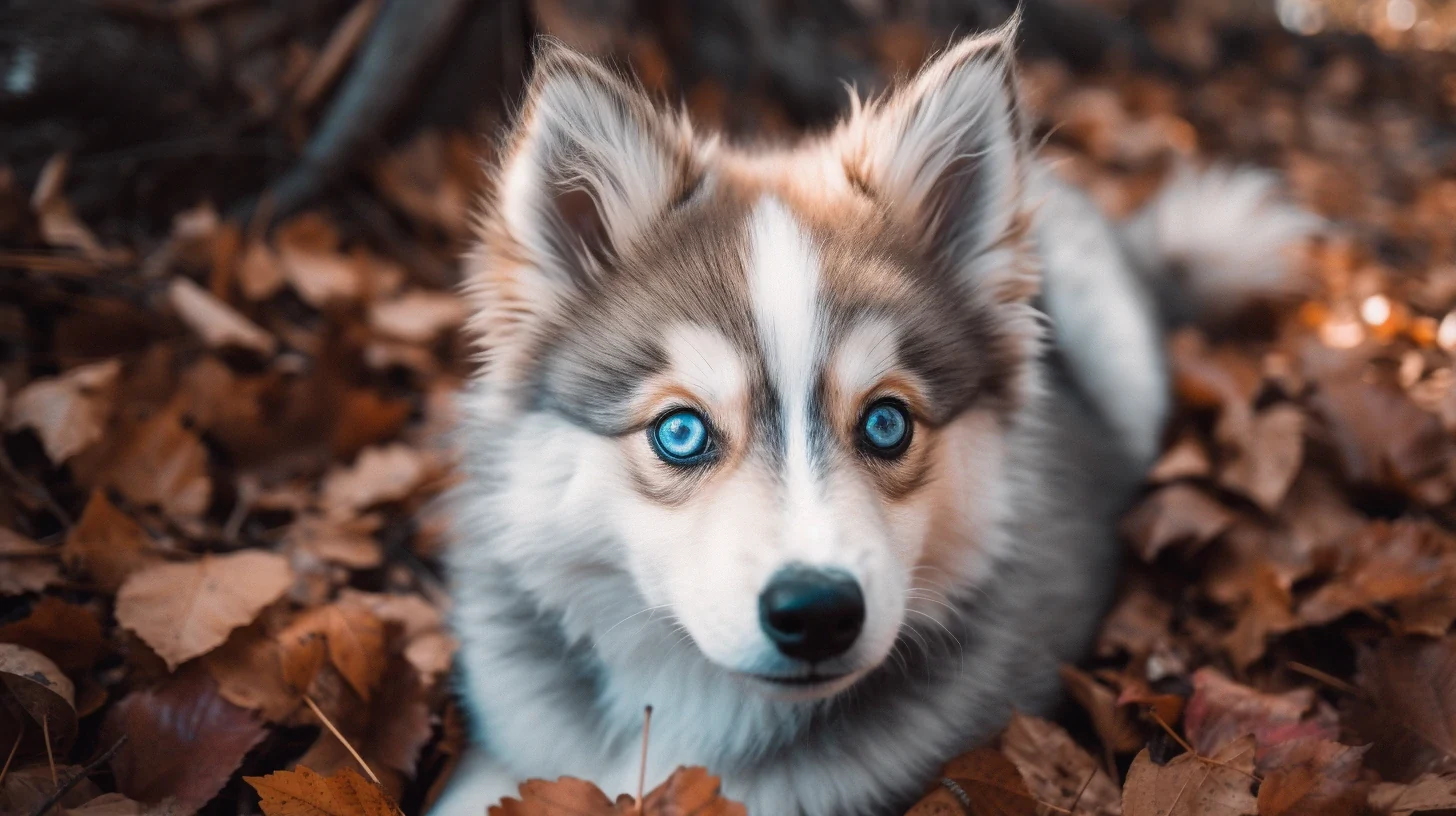
Pomsky coats, markings, eye color, and shedding vary because the dogs can inherit different combinations of traits from their parents. Color does not establish temperament, health, adult size, or quality, and puppy appearance can change as the coat matures.
Plan for regular brushing, nail care, dental care, and checks of the ears, skin, and coat. Grooming frequency should match the individual coat and season; ask a veterinarian or qualified groomer before shaving a double coat or treating persistent skin problems.
What to verify
- Use preventive veterinary visits and keep a record of changes in appetite, mobility, breathing, eyes, skin, or behavior.
- Ask for verifiable parent health-screening records; a crossbreed label does not eliminate inherited risk.
- Do not use a web page to diagnose or delay urgent veterinary care.
Sources and further reading
Last updated: June 19, 2026
This guide is educational and is not veterinary advice. Ask your veterinarian about pain, sores, ear odor or discharge, sudden hair loss, intense scratching, dental pain, broken nails, or sudden grooming intolerance. See the health disclaimer.
Quick answer: Pomsky fur grooming works best as a calm weekly routine: check the coat, brush in small sections, bathe only when the coat needs it, keep nails and ears on a schedule, and treat pain, odor, sores, or sudden grooming resistance as a health signal rather than a styling problem.
The old version of this page had useful topics but weak structure, no source list, and no clear difference from brush, shedding, and coat-safety pages. This rewrite keeps the page as a practical Pomsky grooming routine, while the brush guide stays focused on tool choice, the shedding guide stays focused on shedding and allergies, and the shaving guide stays focused on coat-cut safety.
Pomsky Grooming Routine at a Glance
| Task | Typical purpose | Do not ignore |
| Coat check | Find tangles, burrs, damp areas, odor, and skin irritation before brushing. | Pain, redness, sores, bad odor, fleas, ticks, or sudden hair loss. |
| Brushing | Remove loose hair, reduce mats, and keep the coat easier to inspect. | Mats tight to the skin, yelping, snapping, or skin that looks inflamed. |
| Bathing | Clean dirt, odor, and unsafe residue when the coat actually needs a wash. | Repeated odor, greasy skin, flakes, itch, or rashes. |
| Nails | Keep walking comfortable and reduce snagging or overgrowth. | Limping, bleeding, broken nails, or fear that makes trimming unsafe. |
| Ears and teeth | Support routine hygiene and early problem spotting. | Ear discharge, head shaking, dental pain, bleeding gums, or refusal to eat. |
Why Pomsky Fur Needs a Routine
Pomskies can inherit a plush coat, a denser undercoat, or a softer mixed coat. That coat can look easy from a distance while still trapping loose hair, dirt, moisture, and small tangles near the skin. A routine matters because it turns grooming into observation, not just appearance.
Regular handling also helps a Pomsky accept brushing, paw checks, ear checks, and baths before there is an urgent problem. Short sessions are usually better than waiting until mats, odor, or overgrown nails create a stressful full-body battle.
How This Page Differs From Brush and Product Pages
This is not a product ranking page. It does not add Amazon links, Product schema, or best-bed-style claims. If the site later adds vetted grooming tools, that should happen only with product checks, disclosure placement, and affiliate click tracking.
For now, the job of this page is to help owners plan a safe routine. Use the Pomsky brush guide when choosing tools, the Pomsky brush overview for brush types, and the coat-shine brush page for a more appearance-focused angle.
Step 1: Start With a Coat and Skin Check
Before brushing, run your hands gently over the coat. Look for mats behind the ears, under the collar, around the armpits, under the tail, behind the legs, and along the chest. These areas can tangle because of movement, harness rubbing, moisture, and licking.
Also check for odor, flakes, scabs, redness, bumps, fleas, ticks, burrs, damp patches, or spots the dog guards. If touching one area causes yelping, growling, snapping, or sudden avoidance, stop and treat that as a pain or fear signal.
Step 2: Brush in Small Sections
Brush in sections instead of dragging one tool through the whole coat. Separate the fur gently, brush the outer coat, then check closer to the skin where loose undercoat and mats can hide. Work slowly around sensitive spots such as ears, tail, belly, and legs.
Do not rip through a mat. Tight mats can pull skin, hide moisture, and make grooming painful. If a mat is close to the skin or the dog resists strongly, use a professional groomer or veterinarian rather than trying to cut it out at home.
Step 3: Bathe Only When the Coat Needs It
Bathing is useful when a Pomsky is dirty, smelly, muddy, or has something unsafe in the coat. Over-bathing a clean dog can dry the skin, and poor rinsing can leave residue that causes irritation. Use dog-safe products, rinse thoroughly, and dry the coat well.
A thick coat can hold moisture close to the skin. After a bath, check under the collar, behind the ears, and under the belly. If the dog smells bad again quickly, scratches heavily, or has flakes and redness, the problem may be skin, ears, teeth, glands, parasites, or infection rather than shampoo choice.
Step 4: Handle Shedding Season Without Panic
Seasonal shedding can make a Pomsky look like the coat is exploding. More brushing, lint control, and washable bedding can help, but shedding itself is not automatically a disease. Watch the pattern: loose hair across the coat is different from bald patches, sores, red skin, or intense itching.
For shedding and allergy questions, link the issue to the Pomsky shedding and allergy guide. This page focuses on routine grooming steps and when the routine should stop because the dog needs professional help.
Step 5: Keep Nails on the Schedule
Nails are part of grooming because long nails can catch, split, or change how a dog places its feet. Some Pomskies wear nails down naturally through walking; others need regular trims. Listen for clicking on hard floors and look for nails touching the ground when the dog stands normally.
If the nails are dark, the dog is fearful, or you are unsure where the quick is, use a groomer, veterinary team, or careful training plan. A painful nail trim can make future grooming harder. Broken nails, bleeding, swelling, and limping deserve professional advice.
Step 6: Check Ears Without Digging
Ear checks should be calm and simple. Look for redness, swelling, bad odor, discharge, head shaking, scratching, or pain. Do not push cotton swabs deep into the canal, and do not treat repeated ear problems as a normal grooming issue.
AKC ear-infection guidance and routine veterinary sources emphasize that ear signs can require diagnosis. A groomer can clean around the outer ear, but pain, odor, discharge, or repeated head shaking belongs with a veterinarian.
Step 7: Make Dental Care Part of the Routine
Dental care is often forgotten because it is not part of the visible coat. AVMA dental guidance treats oral health as part of pet health, so build tooth and gum checks into the grooming rhythm. Look for bad breath, red gums, loose teeth, chewing on one side, drooling, or reluctance to eat.
Use dog-safe dental products only. Human toothpaste is not appropriate for dogs. If brushing is new, introduce handling slowly and ask your veterinarian what schedule and products fit your dog's mouth and temperament.
Step 8: Train Grooming Like a Skill
Pomskies often do better when grooming is trained as a skill instead of forced as a chore. Start with short touches, praise, food rewards if appropriate, and breaks before the dog panics. Pair brush, towel, paw handling, and ear checks with calm routine.
If the dog growls, snaps, freezes, hides, or struggles hard, do not escalate. Break the task into smaller steps and get help from a qualified trainer, groomer, or veterinary team. Safety for the dog and handler matters more than finishing a session.
Puppy, Adult, and Senior Grooming Differences
| Life stage | Best focus | Extra caution |
| Puppy | Short positive sessions, paw handling, brush introductions, bath confidence. | Chewing tools, fear memories, unsafe restraint, and slippery tubs. |
| Teenage Pomsky | More shedding checks, harness friction checks, settle training during grooming. | Overexcitement, matting behind ears and legs, and skipped routines. |
| Adult Pomsky | Predictable brushing, nails, ears, teeth, and coat inspection. | Weight gain, skin irritation, seasonal shedding, and recurring odor. |
| Senior Pomsky | Gentle handling, traction, shorter sessions, comfort breaks, dental and skin checks. | Pain, arthritis signs, lumps, pressure spots, and sudden grooming intolerance. |
What Not to Do With a Pomsky Coat
- Do not shave for convenience without understanding coat type, mat severity, weather, and skin condition.
- Do not cut tight mats with scissors close to the skin unless a professional has shown you how to do it safely.
- Do not use human shampoo, essential oils, harsh detergents, or unverified home remedies.
- Do not force a fearful dog through a long session when shorter training steps would be safer.
- Do not ignore odor, sores, flakes, bleeding, discharge, or sudden hair loss.
When to Use a Professional Groomer
A professional groomer can help with thick coats, sanitary trims, nail trims, bath-and-dry routines, and mats that are not safe for an owner to remove. Choose a groomer who handles small mixed-breed dogs calmly, explains what they plan to do, and does not promise medical fixes.
Ask how they handle fearful dogs, what drying method they use, whether they will call you if they find skin problems, and when they recommend a veterinarian instead. Grooming should be comfortable and safe, not just fast.
When to Call a Veterinarian
Call a veterinarian for pain, bleeding, sores, swelling, heavy scratching, sudden bald patches, ear odor or discharge, repeated head shaking, bad skin odor, severe mats close to irritated skin, broken nails, dental pain signs, or a dog that suddenly cannot tolerate normal handling.
A grooming routine can reveal health concerns, but it cannot diagnose them. That is why this page keeps medical claims conservative and points owners to veterinary care when symptoms go beyond routine coat maintenance.
Pomsky Fur Grooming FAQ
How often should I brush a Pomsky?
Several short sessions each week is a practical starting point for many Pomskies, with extra checks during shedding season, muddy weather, or after outdoor play. Adjust based on coat density, mat risk, and the dog's tolerance.
How often should I bathe a Pomsky?
Bathe when the coat is dirty, smelly, or has something unsafe in it. Do not bathe just because the calendar says so if the coat is clean and the skin is healthy. Repeated odor, itch, flakes, or redness should be discussed with a veterinarian.
Can I shave my Pomsky in summer?
Do not shave for convenience without professional guidance. Coat clipping should consider coat type, mat severity, heat risk, skin health, and comfort. See the Pomsky shaving and coat-safety guide before making that decision.
What brush is best for a Pomsky?
The best tool depends on coat type, mat risk, and skin sensitivity. Many owners use a slicker brush or pin brush for routine work, but this article does not rank products. Use the Pomsky brush guide for tool comparison.
Why does my Pomsky hate grooming?
Fear, pain, mats, past restraint, sensitive skin, nail pain, ear discomfort, and rushed sessions can all make grooming harder. Short positive sessions help, but sudden intolerance or pain signs should be checked by a professional.
Do Pomskies need professional grooming?
Some owners handle routine brushing and baths at home, while others use groomers for nails, mats, thick coats, or bath-and-dry work. Professional grooming is especially useful when the dog is matted, fearful, very thick-coated, or difficult to handle safely.
Related Pomsky Guides
- Best brush for Pomskies
- Pomsky brush overview
- What happens if you shave a Pomsky?
- Do Pomskies shed a lot?
- How to make a Pomsky coat shine
- Pomsky grooming hub
- Editorial policy, health disclaimer, and affiliate disclosure