
Last updated: June 20, 2026
This guide is educational. It does not recommend a specific breeder, rescue, listing, product, or purchase. For individual health, diet, behavior, skin, dental, or pain concerns, work with your veterinarian. Review the editorial policy, affiliate disclosure, and health disclaimer.
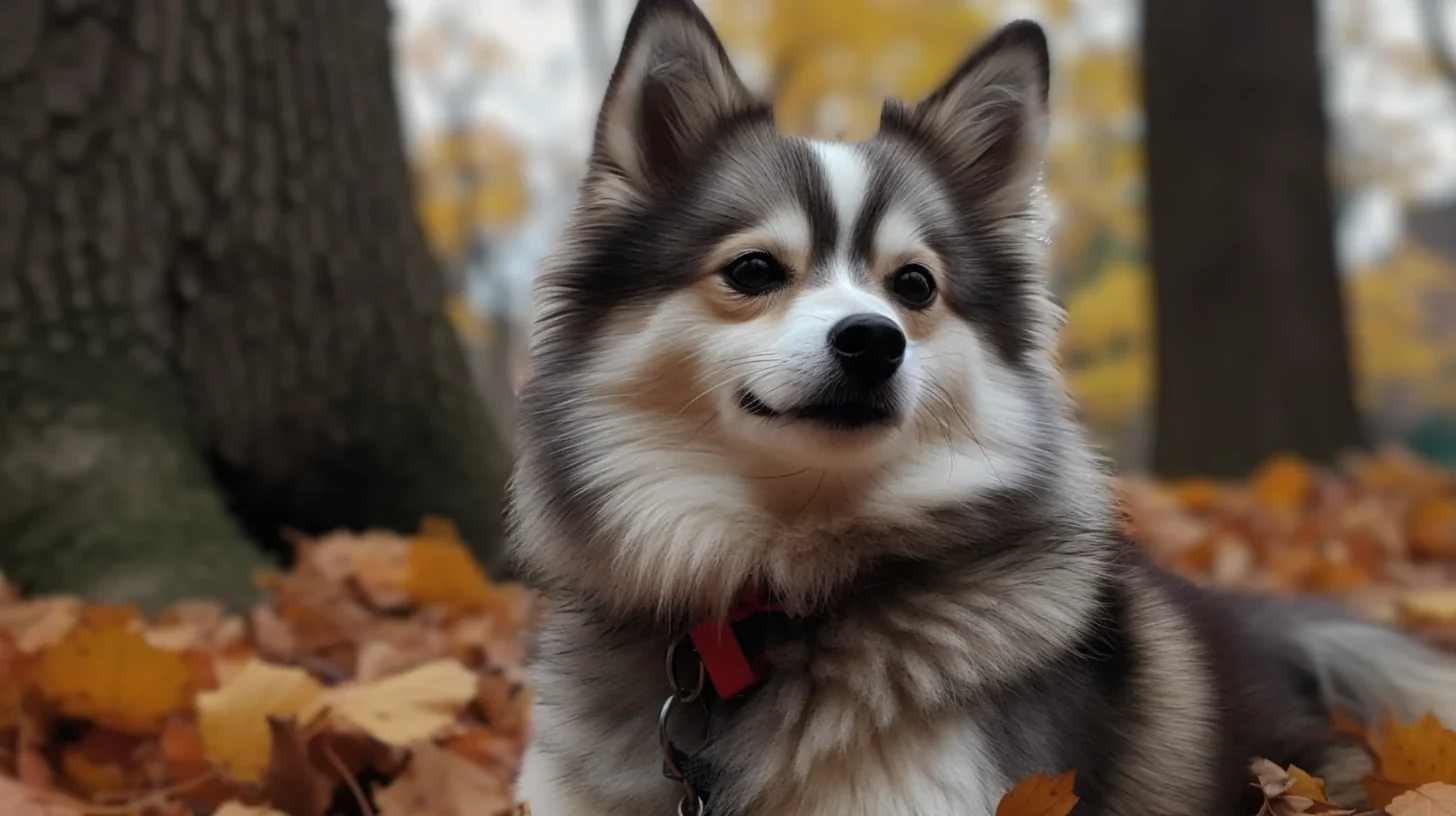
Quick answer: a Pomsky is best understood as a compact companion dog with Pomeranian and Siberian Husky influence, not as a guaranteed tiny Husky. Before choosing one, compare price, size uncertainty, temperament, grooming, training, health records, and your home routine. The right Pomsky fit is practical, not just cute.
The old version of this page covered price, size, and personality in a thin overview. This rewrite keeps the broad intent but gives it a clearer role: a parent guide that summarizes the whole Pomsky decision and routes detailed questions to the site's deeper cost, size, grooming, training, and health pages.
Pomsky Snapshot
| Question | Short answer | Where to go deeper |
| What is a Pomsky? | A Pomeranian and Siberian Husky mix or Pomsky-type companion dog with variable size, coat, and temperament. | What is a Pomsky? |
| Price | Depends on location, records, age, demand, size labels, transport, and ongoing care needs. | Pomsky puppy cost |
| Adult size | Varies by parent size, generation, growth pattern, diet, body condition, and genetics. | Adult Pomsky size |
| Temperament | Often smart and social, but may also be vocal, energetic, independent, sensitive, or strong-willed. | Personality traits |
| Care load | Plan for exercise, training, brushing, shedding cleanup, preventive vet care, and household management. | Pomsky care |
What Is a Pomsky?
A Pomsky is commonly described as a Pomeranian and Siberian Husky mix. That parentage is the reason the dog can look northern and compact at the same time. It is also why individual dogs vary so much. A Pomsky may lean more toward one parent line in coat, voice, energy, confidence, size, or independence.
AKC breed pages for Siberian Huskies and Pomeranians are useful background because they show how different the parent breeds can be. The Husky side brings working-spitz influence, stamina, coat density, and voice. The Pomeranian side brings small size, alertness, coat, and companion-dog intensity. A Pomsky is not a simple average of both.
Is a Pomsky a Recognized Breed?
Pomskies are not handled the same way as long-established AKC-recognized breeds. Pomsky clubs and registries may publish standards and generation language, but buyers and adopters should still evaluate the individual dog, records, parent information, and placement support. The label should start your questions, not end them.
If a source promises exact adult size, perfect temperament, zero shedding, or guaranteed allergy safety, slow down. A responsible educational approach keeps the uncertainty visible.
Pomsky Price: What the Number Does and Does Not Tell You
Direct answer: a Pomsky price quote tells you what one placement source is asking for one dog at one time. It does not prove health, temperament, adult size, training, ethics, or long-term cost. Always separate the purchase quote from the first-year and lifetime ownership budget.
Price can be influenced by location, age, records, parent information, transport, demand, coat color, eye color, and size labels such as mini, toy, micro, or teacup. Some labels are marketing terms, not guarantees. For detailed ranges and quote checks, use the Pomsky price hub, quote breakdown, and mini Pomsky cost guide.
First-Year Budget Areas
The purchase price is only the visible part of the budget. ASPCA's general pet-care and cost resources are useful reminders that responsible ownership includes ongoing care. Before committing, list the costs you can predict and keep room for the ones you cannot.
- Veterinary exams, vaccines, parasite prevention, and dental care.
- Food, treats used for training, bowls, crate, harness, leash, bedding, and cleaning supplies.
- Grooming tools, professional grooming help when needed, nail care, and coat maintenance.
- Training classes, private help, or behavior support if barking, fear, reactivity, or guarding appears.
- Transport, boarding, pet sitting, insurance, or emergency savings.
Pomsky Size: Why Exact Promises Are Risky
Pomsky adult size can vary because the parent breeds differ greatly and because generations differ. A puppy's current weight, parent sizes, adult relatives, and body condition can provide clues, but they still cannot guarantee the final adult size. That matters for crates, stairs, exercise, apartments, travel, and children.
Use the detailed adult Pomsky size guide and size and growth hub for deeper planning. This overview's job is to remind you not to choose by tiny labels alone.
Pomsky Temperament and Personality
Pomsky temperament is not one fixed profile. Many are affectionate, smart, alert, playful, and people-focused. Others may be vocal, independent, intense, mouthy, sensitive, shy, prey-driven, or easily bored. A good match depends on the individual dog and your ability to provide structure.
Ask about the dog's behavior around brushing, handling, visitors, children, cats, other dogs, crates, food, car rides, and new places. A calm, honest behavior discussion is more useful than a generic claim that Pomskies are perfect family pets.
Exercise and Mental Stimulation
Pomskies often need a mix of physical activity and mental work. Walks help, but sniffing, short training sessions, puzzle feeding, calm handling, and rest routines are also part of a balanced plan. A bored smart dog can learn barking, chewing, digging, escaping, jumping, or demand behavior quickly.
For practical follow-up, read the Pomsky training hub, clicker training guide, and indoor enrichment ideas.
Grooming, Shedding, and Coat Care
Pomskies can inherit dense coat traits, so brushing and shedding management should be expected. VCA's coat-care guidance supports regular coat checks for mats, skin issues, and grooming tolerance. Grooming is not just cosmetic; it is how owners notice skin, paw, ear, and handling problems early.
Use the grooming hub and Pomsky coat guide for deeper coat planning. If allergies are a major concern, read Are Pomskies Hypoallergenic? before assuming any Pomsky will be allergy-safe.
Health Records and Vet Planning
This page is not veterinary advice. Still, health planning is part of owner fit. Ask for veterinary exam records, vaccination and deworming history, parent health information when available, and a plan for follow-up care. Merck and AVMA resources both reinforce the value of routine care and responsible ownership.
Call a veterinarian for persistent vomiting, diarrhea, coughing, limping, severe itching, eye problems, dental pain, lethargy, sudden behavior change, or any symptom that worries you. Do not rely on a breed page to diagnose an individual dog.
Family, Apartment, and Other-Pet Fit
Some Pomskies fit families, apartments, and multi-pet homes well. Others do not. The difference is usually not just size. It is temperament, noise, handling tolerance, prey drive, child supervision, exercise routine, training consistency, and the owner's willingness to manage the environment.
For families, the safest plan is supervision, separate rest space, gentle handling rules, and realistic expectations. Children should not chase, grab, wake, or corner the dog. Adults should manage the routine instead of expecting a dog and child to solve conflict alone.
Daily Routine: What Ownership Usually Feels Like
A realistic Pomsky routine has more moving parts than a photo can show. Most owners need a morning bathroom break, food, a walk or sniff session, short training, rest, another activity window later in the day, brushing several times a week, and predictable bedtime habits. Puppies and adolescents need even more management because they are still learning bite inhibition, house training, crate comfort, leash manners, and calm behavior around normal household movement.
Apartment living can work when noise and exercise are managed. It becomes harder if the dog rehearses window barking, hallway barking, separation distress, or overexcited greetings every day. A yard can help, but it is not a training plan by itself. A Pomsky that is left to self-entertain may still bark, dig, chew, escape, or guard objects. The more honest question is not whether Pomskies can live in your home type. It is whether your schedule can support the individual dog's needs.
How to Read Breeder, Rescue, or Rehome Information
Responsible placement information is specific. Look for current photos or video, age, weight, veterinary history, vaccine and parasite-prevention records, parent or previous-home notes when available, temperament observations, and clear return or support terms. The AKC breeder-safety guidance is useful even when you are not shopping for an AKC-recognized breed because the same habits apply: records, transparency, careful matching, and willingness to answer ordinary questions.
Rescue and rehome situations may have less parent information, but they can still provide valuable behavior notes. Ask how the dog handles crates, grooming, strangers, children, cats, other dogs, food, toys, travel, stairs, and alone time. If a placement source does not know, treat that as unknown instead of filling the gap with assumptions. Unknown is manageable when you plan for it; unknown becomes expensive when it is hidden.
Adoption, Purchase, and Timing Decisions
The best timing is usually when your household can absorb the first adjustment period without panic. Moving homes, long workdays, travel, new babies, major renovations, or financial stress can make even a good dog feel like a bad match. If you are comparing a Pomsky puppy with an adult Pomsky, remember that adults may offer more visible temperament and size information, while puppies require more early training and growth uncertainty.
Do not let scarcity language make the decision for you. A well-matched dog should still make sense after you have checked records, costs, routine, veterinary planning, grooming needs, and behavior fit. Walking away from a confusing placement is not failure. It is part of responsible pet ownership.
Questions to Ask Before Committing
Use these questions before paying a deposit, signing a contract, or agreeing to bring a Pomsky home. They apply whether you are evaluating a puppy, an adult, a rescue placement, or a private rehome.
- What are the parent sizes, ages, temperament notes, and health records?
- What is known about the dog's current weight, growth, coat, appetite, and energy?
- How does the dog respond to grooming, handling, crates, visitors, children, cats, and other dogs?
- What veterinary care has already been done, and what is due next?
- What support, return terms, and written records are provided after placement?
- What costs are not included in the quoted price?
- What would make this dog a poor fit for your household?
Red Flags to Slow Down
- Exact adult-size, perfect-temperament, or no-shedding guarantees.
- Pressure to pay immediately before seeing records or current photos.
- Copied images, vague location, vague parent information, or inconsistent names.
- No veterinary documentation or unclear contract terms.
- Reluctance to answer questions about behavior, support, returns, or care expectations.
- Price that changes quickly when you ask ordinary buyer-safety questions.
Where This Guide Fits on Apomsky
This page is the parent overview. It should stay broad and help readers choose the right deeper path. Price pages should answer quote and budget questions. Size pages should answer growth and gear questions. Grooming pages should answer coat maintenance. Training pages should answer behavior routines. Health pages should stay cautious and veterinarian-directed.
| If your question is... | Use this next page |
| How much will a Pomsky cost? | Pomsky puppy cost or price hub |
| How big will a Pomsky get? | adult size guide |
| Will a Pomsky shed? | coat guide and grooming hub |
| Can I train a Pomsky? | training hub |
| Should I get one at all? | before getting a Pomsky |
Pomsky FAQ
Are Pomskies good for first-time owners?
Some first-time owners do well with a Pomsky, but only when they are ready for training, grooming, exercise, cost, and consistent household rules. If you want a low-maintenance dog, choose slowly and compare other breeds or adult dogs.
Are Pomskies good with kids?
Some are, but child fit depends on the individual dog's temperament, socialization, handling tolerance, energy, and supervision. Teach children calm handling and give the dog a separate rest space.
Do Pomskies bark a lot?
Some Pomskies are vocal. Barking risk can increase with boredom, window access, inconsistent training, separation stress, or overexcitement. Ask about the individual dog and plan training before the habit is rehearsed.
Do Pomskies shed?
Many Pomskies shed, and some shed heavily during seasonal coat changes. Regular brushing, coat checks, and cleaning routines should be part of the plan.
Are Pomskies hypoallergenic?
No Pomsky should be treated as reliably hypoallergenic. Spend time around similar dogs before committing if allergies matter, and read the dedicated allergy and shedding guide.
Should I choose by eye color or coat color?
No. Appearance can be part of preference, but daily fit depends more on health records, temperament, grooming tolerance, training needs, cost, and support.
Sources Reviewed
- American Pomsky Kennel Club - APKC Standards 2025
- American Pomsky Kennel Club - Is a Pomsky Right for Me?
- AKC - Siberian Husky
- AKC - Pomeranian
- AVMA - Responsible Pet Ownership
- ASPCA - General Dog Care
- ASPCA - Cutting Pet Care Costs
- VCA - Grooming and Coat Care for Your Dog
- Merck Veterinary Manual - Routine Health Care of Dogs
- AKC - Signs of a Responsible Breeder