Miniature Pomsky Full Grown: Your Complete Guide to Adult Size and Care
Imagine a creature combining the spirited alertness of a Siberian Husky with the charming, fluffy demeanor of a Pomeranian. That’s the Pomsky, a relatively new designer breed that has captured the hearts of dog lovers worldwide. While often referred to simply as Pomeranian Huskies, the reality is a spectrum of possibilities, largely dictated by the size of their parent breeds. Among the most sought-after variations is the Miniature Pomsky. But what does a miniature Pomsky look like when it reaches its full grown size? Understanding their adult dimensions, physical characteristics, care needs, and temperament is crucial for potential owners. This comprehensive guide delves into the specifics of the miniature Pomsky at maturity, providing everything you need to know to ensure a happy and healthy life for your adult companion.
Understanding the Miniature Pomsky: Defining “Full Grown”
The term “full grown” for a Pomsky typically refers to reaching their genetically predetermined adult size and maturity, usually between 12 to 18 months of age. While individual development can vary slightly, this marks the period when significant physical growth ceases, and the dog stabilizes in weight and height. It’s important to distinguish between the different size classes of Pomskies, as this directly impacts their adult size:
Size Variations: Standard, Miniature, and Toy
The Pomsky breed is recognized for existing in three primary size categories, although the lines can sometimes blur:
- Toy Pomsky: These are the smallest, typically weighing under 15 pounds and standing less than 12 inches tall at the shoulder. They are often the result of selective breeding focusing on the smaller Pomeranian lineage.
- Miniature Pomsky: This is the most popular size category. They generally weigh between 15 to 25 pounds and stand 12 to 16 inches tall. They represent a balanced mix of both parent breeds’ influences.
- Standard Pomsky: These are the largest, usually weighing between 25 to 35+ pounds and standing 16 to 20 inches tall. They more closely resemble the Siberian Husky in size compared to the Pomeranian.
Regardless of the size class, the miniature Pomsky category generally refers to dogs that fall into the 15-25 pound range upon reaching adulthood. A “full grown” miniature Pomsky will consistently maintain this size range as an adult, although their proportions and specific features will continue to mature until they are fully developed, often around 18 months.
Physical Characteristics of the Adult Miniature Pomsky
When your miniature Pomsky reaches its full adult size, you’ll notice specific physical traits that define the breed within this size category:
Size and Weight Ranges
A full-grown miniature Pomsky typically weighs between **12 and 25 pounds** (sometimes stretching slightly higher, but generally staying within this range for the “miniature” designation) and stands approximately **12 to 16 inches tall** at the shoulder. This smaller stature makes them well-suited for various living environments, from apartments to houses with yards.
It’s crucial to understand that the final size is heavily influenced by genetics inherited from both the Pomeranian and Husky parents. Responsible breeders will often provide lineage information to help potential owners anticipate the likely adult size of a puppy. **Everything You Need to Know About a Full-Grown Pomsky Dog**
Coat Colors and Patterns
The coat of a miniature Pomsky can be quite diverse, much like their Husky ancestry might suggest. Common colors include: From Puppy to Giant: What to Expect When Your Pomsky Grows Up
- Brown
- Amber
- Green
- Gray
- Blue
- White
- Black
Interestingly, Pomskies are known for potential heterochromia, where the two eyes are different colors – a trait often associated with Huskies. While not guaranteed, it’s a fascinating possibility within the breed.
Coat Texture and Length
The Pomsky coat inherits traits from both parent breeds, often resulting in a unique, fluffy texture. You can typically expect: How Big is a Pomsky? A Complete Size Guide for Your Informational Needs
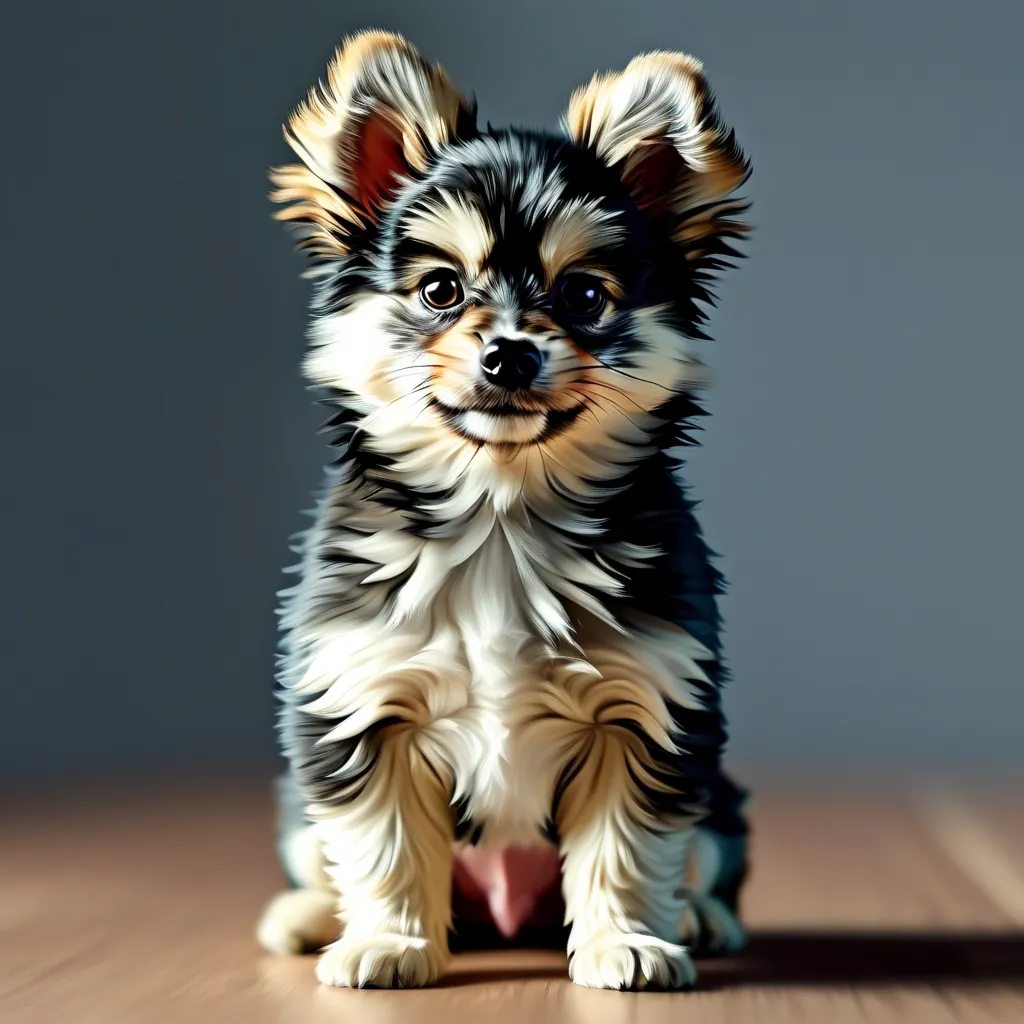
- A dense, double coat
- Moderate to long fur, especially around the face, tail, and legs
- A coat that may require regular grooming to prevent mats and manage shedding
[IMAGE_PLACEHOLDER: Adult miniature Pomsky showing various coat colors and textures]
Temperament and Appearance
The miniature Pomsky is known for its playful antics, cheerful and friendly personality, and adorable appearance. Their expressive eyes, often large and soulful, are a prominent feature. Despite their small size, they inherit the Husky’s intelligence and can sometimes exhibit a touch of stubbornness, requiring patient and consistent training.
Their size makes them excellent companions for individuals or families living in smaller spaces. They are generally adaptable, although their Husky lineage means they possess high energy levels and require regular exercise and mental stimulation.
Caring for Your Full-Grown Miniature Pomsky
Bringing a miniature Pomsky puppy home is exciting, but understanding their needs, especially as they transition into adulthood, is key to their well-being. Caring for a full-grown miniature Pomsky involves several aspects:
Daily Care and Grooming
As adults, their grooming needs become more established:
- Brushing: Their double coat sheds a lot, especially during seasonal changes. Aim for brushing several times a week to remove loose hair, prevent mats, and keep their coat healthy. Regular detangling is essential, particularly around the ears, eyes, legs, and tail base.
- Bathing: Bathe only when necessary, using a dog-specific shampoo. Over-bathing can strip their skin and coat of natural oils. Pay special attention to cleaning their facial fur around the eyes and mouth.
- Nail Trimming: Regularly trim their nails to prevent them from becoming too long, which can cause discomfort and affect their gait.
- Dental Care: Dental health is crucial for all dogs. Regular tooth brushing, dental chews, or water additives can help maintain oral hygiene and prevent periodontal disease.
[IMAGE_PLACEHOLDER: Person grooming a miniature Pomsky, perhaps during brushing or bath time]
Exercise and Activity Needs
Even though they are a smaller breed, miniature Pomskies are not typically lap dogs. They inherit the energy levels of their Husky parent, meaning they require:
- Regular Exercise: Daily walks, runs, or vigorous play sessions are essential to burn their energy. Aim for at least 30-60 minutes of physical activity each day.
- Mental Stimulation: Pomskies are intelligent dogs that need mental challenges. Incorporate puzzle toys, training sessions, or interactive games to keep them engaged and prevent boredom-related behavioral issues.
- Socialization: Ensure your Pomsky is well-socialized from a young age with people, other dogs, and different environments to help them grow into a well-adjusted adult companion.
Health Considerations for the Adult Pomsky
Like all breeds, miniature Pomskies are prone to certain health issues, although responsible breeding practices aim to minimize these risks. Be aware of potential concerns that might become more relevant or apparent as they reach full maturity:
- Hip Dysplasia: A common joint issue in many breeds, including Pomeranians and potentially Huskies. Maintaining a healthy weight and choosing breeders who screen for this condition can help manage the risk.
- Dental Problems: Regular dental care is vital, as dental disease is prevalent in many dogs.
- Hypothyroidism: An endocrine disorder that can affect metabolism and energy levels.
- Eye Issues: Potential problems like cataracts or Progressive Retinal Atrophy (PRA) might be breed-specific. Regular eye check-ups are recommended.
- Allergies: Pomskies can develop skin allergies, which require careful management.
- Patellar Luxation: A kneecap dislocation more common in smaller breeds.
Always discuss breed-specific health concerns with your veterinarian