Meet the Pomsky: A Designer Dog with Unique Charm
Welcome to the world of the Pomsky, a canine phenomenon that has rapidly captured the hearts of dog lovers everywhere. If you’re browsing breed options and you’ve come across this term, you’re likely drawn to its distinctive look or its reputation for being a delightful companion. The Pomsky, often referred to as a “designer dog,” is a relatively recent addition to the vast spectrum of mixed-breed dogs, but its appeal speaks volumes. This article delves into the heart of what makes the Pomsky special, covering their origins, physical attributes, personality traits, care requirements, and potential challenges. Whether you’re considering welcoming a Pomsky puppy into your home or simply curious about this unique hybrid, we aim to provide comprehensive information to help you understand these charming canines.
Origins and Definition: A Modern Hybrid
The story of the Pomsky begins relatively recently, making it one of the youngest recognized mixed-breed “designer dogs.” The Pomsky is fundamentally a crossbreed, resulting from the intentional mating of two distinct and popular breeds: the Siberian Husky and the Pomeranian. This deliberate combination aimed to create a dog possessing desirable traits from both parent breeds while potentially mitigating some of their less appealing characteristics or extreme physical attributes.
While the exact lineage can vary, the foundation remains the same: a small, fluffy Pomeranian and a larger, more robust Siberian Husky. The goal was to achieve a balanced companion – one that retained the playful and energetic nature often associated with both breeds but perhaps with a slightly more manageable size and coat, or a temperament better suited for apartment living in some instances. The first Pomskies reportedly appeared in Russia around the mid-20th century, with the name “Pomsky” itself likely being a portmanteau of “Pomeranian” and “Siberian.” However, it was in North America, particularly the United States, during the late 1990s and early 2000s, that the breed truly began to gain significant popularity and recognition within the designer dog community.
It’s crucial to understand that the Pomsky is not yet recognized as a distinct, standard breed by major kennel clubs like the American Kennel Club (AKC). Its classification as a “designer dog” reflects its mixed-breed status and the fact that there isn’t a universally agreed-upon standard for its appearance or temperament. Breeders often focus on specific physical traits (like size, coat color, and markings) and temperamental characteristics, leading to a wide variation among individual Pomskies. This variability means potential owners should seek information from reputable breeders or rescue groups who prioritize health and temperament over specific looks.
Physical Appearance: Fluff, Fun, and Distinctive Features
One of the first things most people notice about a Pomsky is their adorable and often unique appearance. They are a sight to behold, combining the fluffy coat of a Pomeranian with the striking features of a Siberian Husky. Let’s break down the typical physical characteristics you might encounter:
- Size: Pomskies are generally small to medium-sized dogs. Males typically stand between 10 and 14 inches at the shoulder and weigh 15 to 25 pounds, while females are usually slightly smaller, ranging from 9 to 13 inches and 10 to 20 pounds. Their compact size makes them adaptable to various living situations, from apartments to houses with yards.
- Coat: This is perhaps the most defining feature. They inherit a thick, fluffy double coat from both parents. The texture can range from soft and woolly to slightly coarser, depending on the lineage. The Pomsky coat requires regular grooming to prevent mats and tangles. Colors are incredibly diverse, often including white, black, grey, cream, apricot, and blue. Markings, like the characteristic “Husky smile” (pink nose with black edges) or parti-color patterns, are also common but not universal.
- Head and Eyes: The head shape often reflects a blend, with a wedge-shaped muzzle reminiscent of the Husky and the characteristic round, expressive eyes of the Pomeranian. These large, soulful eyes can be various colors, including blue, brown, or heterochromia (different colored eyes), a trait common in Huskies.
- Mouth and Nose: As mentioned, the “Husky smile” is frequent, where the nose is pink with black markings around the edges. Their nose is typically black, though variations can occur.
- Legs and Tail: They usually have short, sturdy legs. The tail is often held straight up, characteristic of the Pomeranian influence, but can also curl like a Husky, especially when they feel cold or are relaxed.
It’s important to remember that while there are general trends, individual Pomskies can look vastly different. Their unique appearance is part of their charm, often earning them comparisons to characters from cartoons or fictional breeds.
Temperament and Personality: Playful, Alert, and Affectionate
Beyond their looks, the Pomsky temperament is a fascinating blend of their parent breeds’ characteristics. They are generally known for being playful, alert, and people-oriented companions. Understanding their personality is key to ensuring a harmonious relationship.
Playful and Energetic: Inherited energy from the Siberian Husky means Pomskies are not typically lap dogs that just sit quietly. They possess a playful spirit and require regular physical and mental stimulation. Daily walks, play sessions, and interactive toys are essential to prevent boredom and destructive behavior. Their intelligence makes them quick learners, but they also retain the mischievous streak common in both Huskies and Poms.
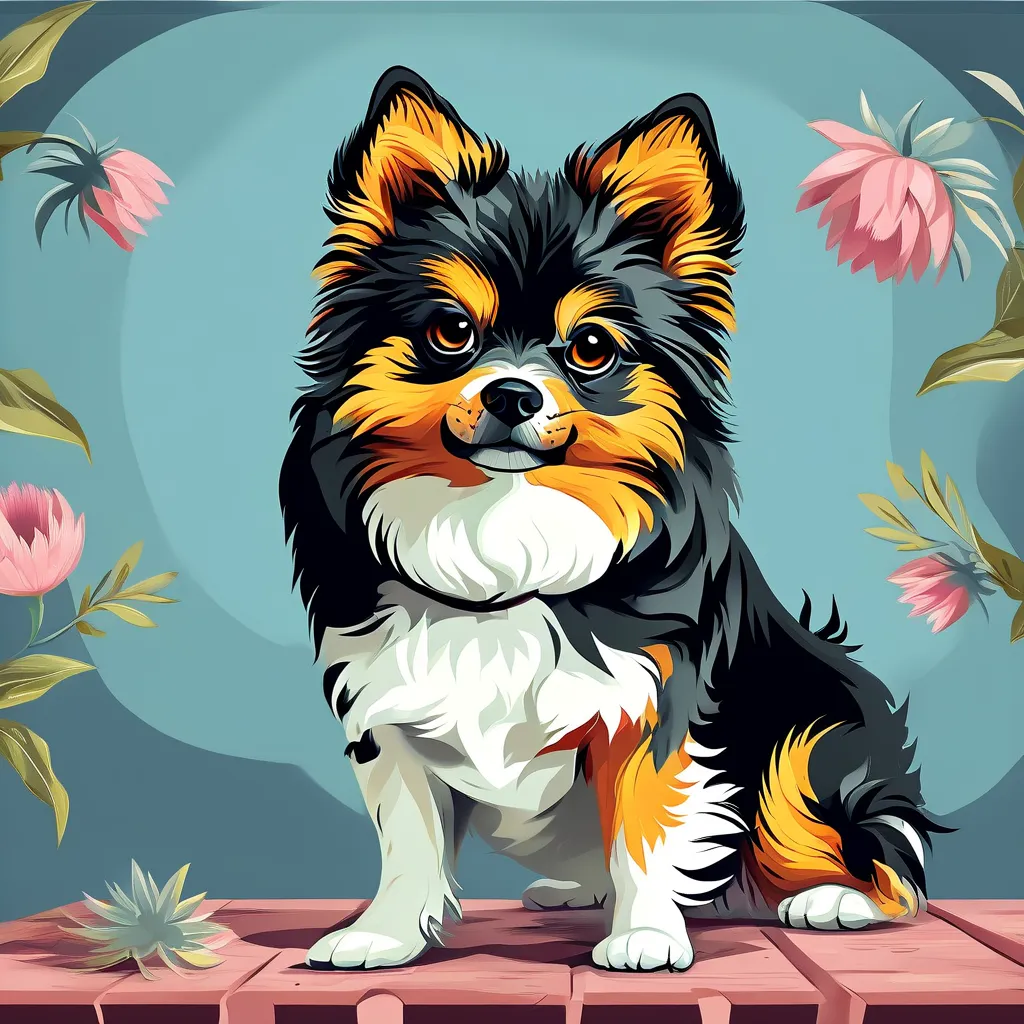
Alert and Watchful: Thanks to their Husky lineage, Pomskies are naturally alert and make decent guard dogs in the sense that they will bark to alert you to strangers or unusual noises. However, they are generally not aggressive; their alertness is primarily aimed at informing their pack (you!) about their surroundings. Socialization from an early age is crucial to ensure they become friendly and well-adjusted adults, rather than overly吠叫 or fearful.
People-Focused: They thrive on human companionship. The Pomeranian’s affectionate nature shines through, making Pomskies very people-oriented dogs that enjoy being part of the family. They often form strong bonds with their owners and can feel lonely if left alone for extended periods. While generally good with children and other pets if properly socialized, their high energy levels mean supervision is always recommended, especially with very young children.
Intelligence and Trainability: Pomskies are intelligent dogs, which makes them trainable, but they can also be independent thinkers, reminiscent of the Husky’s stubborn streak. Positive reinforcement methods, using treats, praise, and play, work best. Consistency and patience are key, as they can sometimes become easily bored with repetitive training drills. Early and ongoing socialization is vital to expose them to various people, places, and other animals, helping them develop into well-rounded and confident dogs.
Health, Lifespan, and Care Considerations
As a relatively new hybrid, comprehensive health data for the Pomsky breed as a whole isn’t as extensive as older, established breeds. However, responsible ownership requires awareness of potential health issues that can be inherited from their parent breeds: the Siberian Husky and the Pomeranian.
Lifespan: Generally, Pomskies enjoy a healthy lifespan, often ranging between 12 to 15 years. Because the breed is young, ongoing research and monitoring by owners and breeders help contribute to a better understanding of common health concerns over time.
Potential Health Issues: Potential health problems can include, but are not limited to:
- Dental Diseases: Like many small breeds, Pomskies are prone to dental issues. Regular tooth brushing and dental chews are recommended.
- Hip Dysplasia: A joint disorder more common in larger breeds, but potentially inheritable from the Pomeranian or Husky line.
- Progressive Retinal Atrophy (PRA): An eye condition that can lead to blindness; screening can help identify carriers.
- Husky-Specific: Potential for certain heart conditions or
References