Everything You Need to Know About a Full-Grown Pomsky Dog
The Pomsky, a relatively new addition to the world of dog breeds, has quickly captured the hearts and imaginations of dog lovers everywhere. These enchanting canines, a cross between a Pomeranian and a Husky, boast striking looks and a surprisingly robust personality. While the initial appeal often lies in the irresistible cuteness of the Pomsky puppy, understanding what a full-grown Pomsky dog truly is is crucial for anyone considering welcoming one into their family. This comprehensive guide delves into the specifics of the mature Pomsky, covering their size, appearance, temperament, energy levels, and essential care needs.
Size and Appearance: The Full-Grown Reality
While the allure of a Pomsky puppy is undeniable, the journey to understanding a full-grown Pomsky dog requires looking beyond the fluff. The concept of “full-grown” can vary, generally signifying that the dog has reached its adult size and maturity, typically between 1.5 to 2 years of age. This is important because variations exist, and relying solely on puppy photos gives an incomplete picture.
Regarding size, most Pomskies weigh between 16 to 24 pounds (sometimes cited as 20 to 30 pounds, though this can vary based on lineage emphasis) and stand approximately 14 to 18 inches tall at the shoulder. However, as with any crossbreed, individual variation is significant and heavily influenced by the specific lineage (Pomeranian or Husky contribution) and genetics inherited from the parents.
It’s crucial to understand that a full-grown Pomsky dog is generally larger than a purebred Pomeranian (which typically weighs under 10 pounds) but still maintains a relatively small and manageable size compared to the full-grown Husky (which can weigh 45-60 pounds). This unique combination allows them to retain a playful, lapdog-like potential in some instances, yet possess the energy and coat of their Husky ancestor. Some Pomskies lean more towards the Pomeranian size, while others might approach the smaller Husky varieties.
Coat and Color: One of the most striking features of a full-grown Pomsky dog is their coat. They inherit the dense undercoat and fluffy outer coat from the Pomeranian side, combined with the longer, silkier coat and potential for color variation from the Husky side. This results in a coat that requires regular grooming to prevent mats and tangles. Common colors include white, black, grey, orange, brown, and cream, often appearing in bi-color or merle patterns, creating their distinctive and popular looks.
Temperament and Energy Levels: The Mature Companion
Temperament in a full-grown Pomsky dog is another area where their mixed heritage shines through. Known for being energetic and fun-loving, they thrive on companionship and are often excellent adventure companions. Their intelligence, derived from both parent breeds, makes them relatively quick to learn commands and tricks, but also means they require consistent training and mental stimulation.
As they mature, a full-grown Pomsky dog typically settles into a well-balanced temperament. They are generally outgoing, curious, and friendly, often getting along well with families, other dogs, and even children (though supervision is always recommended). Their Husky lineage can sometimes bring out a touch of independence or stubbornness, so early and ongoing socialization is key to ensuring they grow into well-adjusted adults. They are vocal dogs and may bark to alert their owners to strangers or potential intruders. Everything You Need to Know About the Full Grown Miniature Pomsky Adorable Teacup Pomsky Guide: Cute Tiny Pup Information
It’s important to note that a full-grown Pomsky dog retains a good deal of their puppy energy well into adulthood. They are not lapdogs in the sense of being couch-bound; they are active and need regular exercise. Daily walks, playtime, and opportunities for running and exploring are essential to prevent boredom and potential behavioral issues. Their intelligence also means they can become bored easily, making puzzle toys and training sessions vital components of their daily routine.
Social Needs: These dogs are pack animals at heart, descended from sled dogs and spitz breeds. They thrive in an environment where they feel part of the family unit. They can develop separation anxiety if left alone for long periods, as they are highly social creatures. Ensuring they have a companion or sufficient engagement when you’re away is beneficial.
Health, Care, and Living Considerations for the Mature Pomsky
Welcoming a full-grown Pomsky dog into your home involves understanding their specific health, grooming, and living requirements. While generally healthy, they can inherit predispositions from both the Pomeranian and Husky lines.
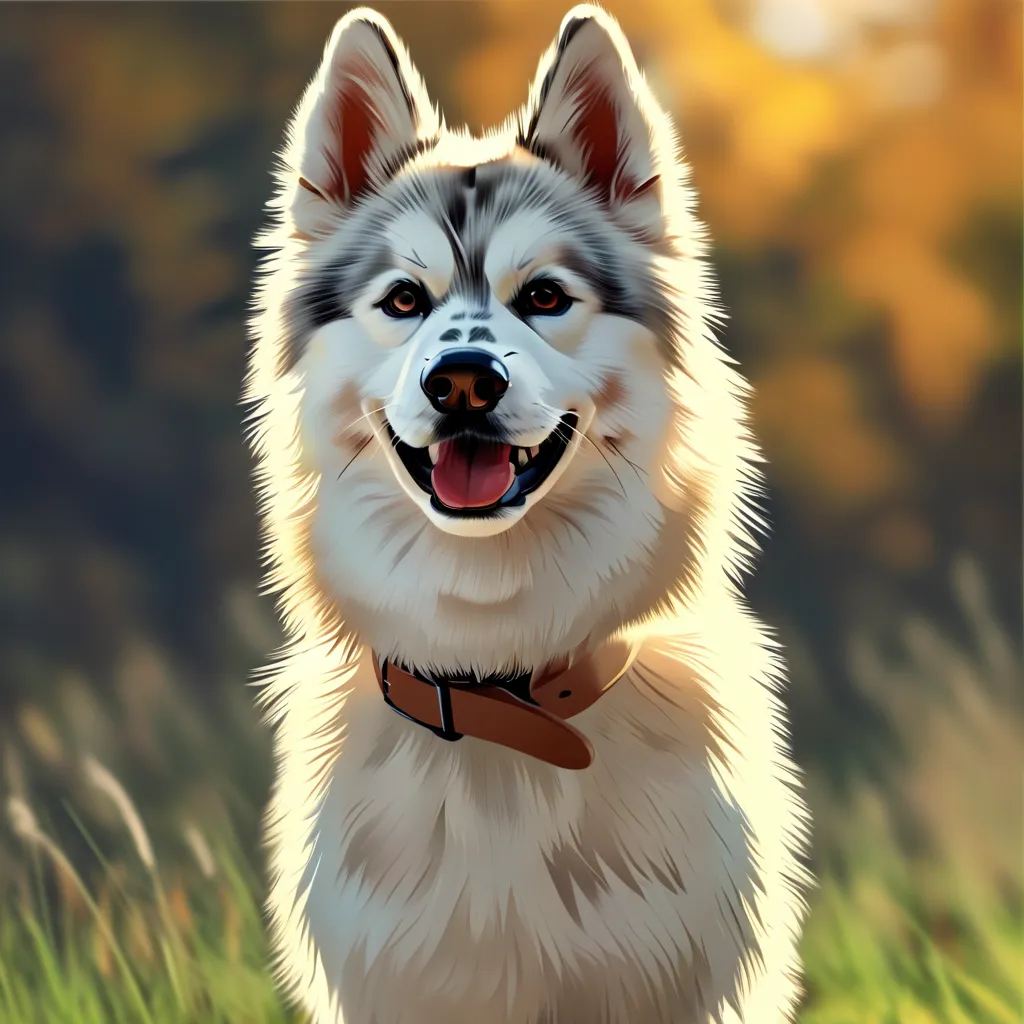
Grooming: The coat of a full-grown Pomsky dog demands significant attention. Expect to brush their coat multiple times a week, possibly daily, depending on the coat type and length, to prevent mats and maintain skin health. Professional grooming (clipping or stripping) several times a year is often necessary to manage shedding and keep them comfortable, especially during seasonal changes. Full-Grown Mini Pomsky: A Complete Guide to Size, Care, and Temperament
Health: Potential health issues for Pomskies include those common to their parent breeds: eye problems (like cataracts or progressive retinal atrophy), luxating patellas, hip dysplasia (less common than in larger breeds but still possible), and respiratory issues (especially if brachycephalic traits are expressed, though Pomskies aren’t typically brachycephalic). Responsible breeding practices aim to minimize these risks. Regular veterinary check-ups are essential for maintaining the health of your full-grown Pomsky dog.
Exercise and Environment: A full-grown Pomsky dog needs a yard or access to safe, off-leash areas for running and playing. They are not ideal for very confined living situations like apartments, unless the individual dog has a calmer disposition (which can be breed-dependent), but even then, adequate space and stimulation are needed. Their energy levels mean they require a home with an active lifestyle.
Training and Socialization: Positive reinforcement methods work best for training these intelligent dogs. Early and continued socialization with different people, places, and other animals is crucial to prevent fearfulness or dominance issues as they mature.
The Ideal Home for a Full-Grown Pomsky Dog
In summary, a full-grown Pomsky dog is a captivating companion, a blend of striking looks and vibrant personality. They are not merely cute pets; they are active, intelligent, and relatively high-maintenance dogs that require a specific type of home.
The ideal owner for a full-grown Pomsky dog is someone prepared to provide ample exercise, mental stimulation, and consistent training. They thrive in homes with active members who can engage them in activities and offer companionship. Patience is key, especially during the early stages of training and socialization, and understanding that grooming is a significant commitment.
Whether you’re drawn to their unique appearance or their energetic nature, owning a full-grown Pomsky dog is a rewarding experience. They are playful, affectionate, and form strong bonds with their families. By thoroughly researching and preparing for the responsibilities involved, you can ensure a fulfilling and lasting partnership with this wonderful hybrid breed.