
Quick answer: Common Pomsky household hazards include toxic foods, medications, chemicals, batteries, cords, small swallowable objects, unsafe plants, open doors, heat sources, and unsecured trash. Prevention means controlling access and having poison and veterinary contacts ready before an exposure occurs.
\n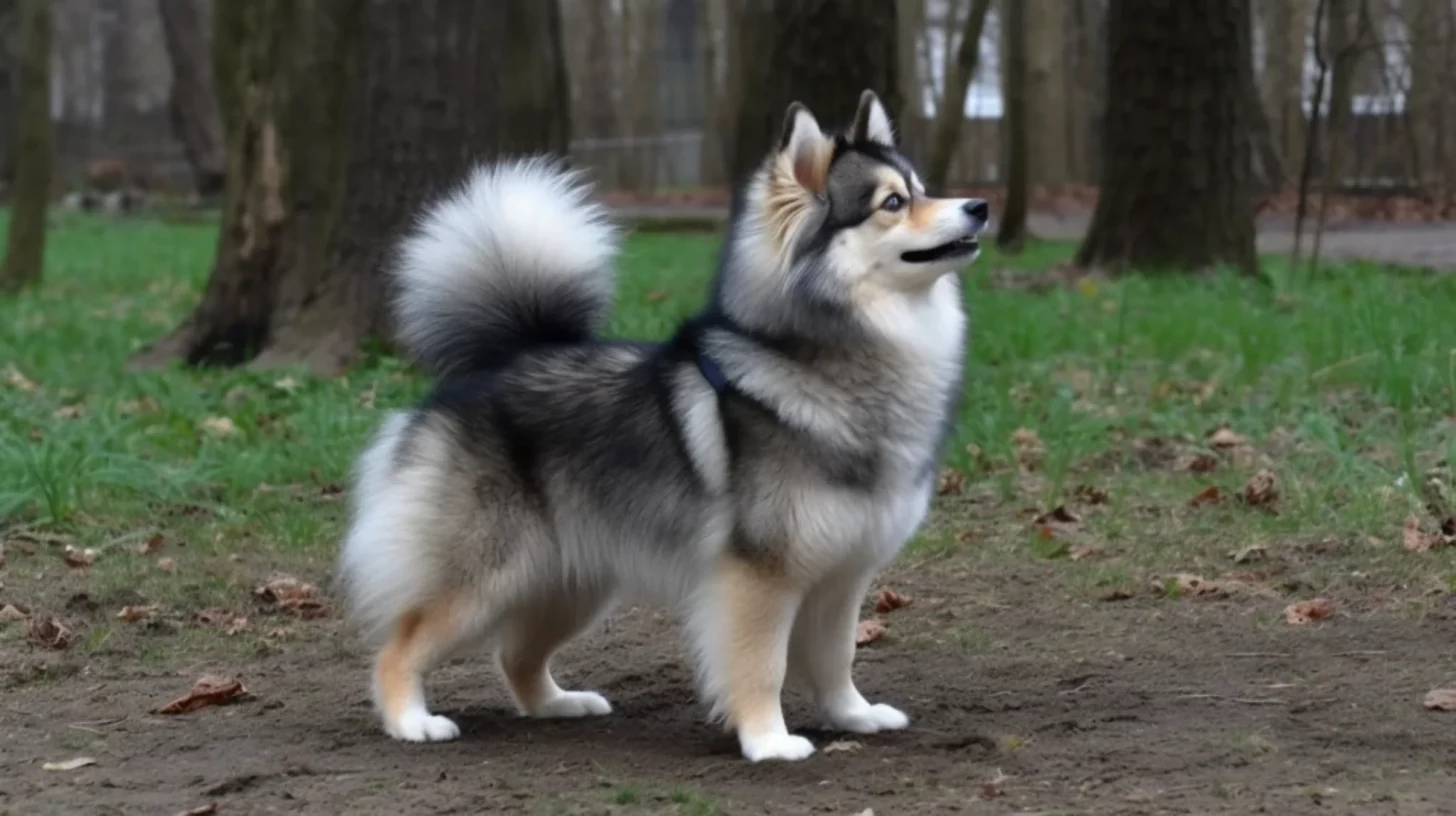
Written and reviewed by A Pomsky Editorial Team. Published 2026-06-21; last reviewed July 25, 2026.
If a Pomsky may have swallowed, chewed, licked, or stepped in something dangerous, contact a veterinarian, emergency clinic, or pet poison-control service. This article is informational and should not be used to diagnose, calculate exposure risk, or decide treatment. See the health disclaimer, affiliate disclosure, and editorial policy.
Quick answer: if your Pomsky may have chewed, swallowed, licked, or stepped in something dangerous, move the dog away from the item, save the package or a clear photo, and call your veterinarian, an emergency clinic, or a pet poison-control service. Do not wait for symptoms when the item could be toxic, sharp, string-like, caustic, or unknown.
This page is a practical household safety checklist. It is not a toxicity calculator, diagnosis guide, product review, breeder recommendation, or substitute for veterinary care. It gives Pomsky owners a safer way to recognize common risks, collect the right information, and prevent repeat exposures.
How This Page Is Different
The site already has separate pages for dangerous household plants, chocolate risk, choking hazards, Pomsky health problems, and training-tool safety. This article works as the general household safety hub that points readers to those narrower guides without trying to replace professional emergency advice.
That role matters for SEO and for readers. A broad "dangerous items" page can answer urgent first questions, but it should not pretend that every exposure can be handled from an article.
Emergency First Steps
| Situation | What to do now | What to collect |
| Known toxin | Separate the dog from the item and call a professional promptly. | Package, label, ingredient list, amount missing, time found. |
| Unknown item | Treat the exposure as uncertain until a veterinarian or poison-control professional says otherwise. | Photo, fragments, vomit if present, room location, access time. |
| Sharp or string-like object | Prevent more chewing and call a veterinarian for next steps. | Object type, missing pieces, size estimate, photos. |
| Skin or paw exposure | Stop access and ask a professional whether rinsing or travel is needed. | Product name, contact area, signs noticed, photos. |
Why Pomsky Owners Should Be Extra Careful
Pomskies can be curious, fast, vocal, and persistent. Some are small enough to slip under furniture or reach low shelves, while others are tall enough to counter-surf. Puppies and young dogs may mouth objects before the owner realizes what happened.
This does not mean Pomskies have a special rule that overrides veterinary advice. It means the practical margin for error can be smaller when a dog is young, small, impulsive, or unsupervised.
Medicines and Supplements
Human medicines, pet medicines intended for another animal, vitamins, supplements, and dropped pills should be treated seriously. A closed bottle is not enough if it is left on a low table or inside a bag that a dog can chew open.
Keep pill organizers, handbags, backpacks, nightstand medicines, guest luggage, and countertop supplements behind closed doors. If a pill is missing, collect the bottle and call for guidance rather than guessing from online comments.
Chocolate, Caffeine, and Cocoa Products
Chocolate and cocoa products are common household exposures because they are easy to drop, gift, or leave on a table. Darker products, baking ingredients, coffee, and caffeine-containing foods deserve extra caution, especially around holidays.
The article How Much Chocolate Can Kill a Dog? should remain the dedicated chocolate page. This hub only flags the risk and reminds owners to save wrappers, product names, and timing before calling a professional.
Grapes, Raisins, and Snack Mixes
Grapes, raisins, baked goods, trail mixes, cereal blends, and snack bowls can be easy for a Pomsky to reach. Because individual response can be unpredictable, owners should not dismiss a small exposure as automatically harmless.
Check children's lunch boxes, backpacks, gym bags, car seats, and sofa cushions after meals. If the dog may have eaten grapes or raisins, gather the packaging and contact your veterinarian or poison-control service.
Xylitol and Birch Sugar
Xylitol, sometimes labeled as birch sugar, may appear in sugar-free gum, mints, candy, baked goods, peanut butter, dental products, and other household items. The FDA has specifically warned pet owners about this risk.
Store gum, purses, coat pockets, dental products, and snack drawers where a Pomsky cannot reach them. If the label includes xylitol or birch sugar, treat the exposure as urgent and call for professional help.
Onions, Garlic, Chives, and Rich Table Scraps
Onions, garlic, chives, gravy, leftovers, and rich scraps can create risk even when they look ordinary to people. Dogs can also get into trash after a family meal, making it hard to know what was eaten.
Use covered trash, scrape plates promptly, and keep holiday leftovers out of reach. For regular feeding decisions, use the Pomsky food guide and ask your veterinarian about diet changes.
Alcohol, Cannabis, and Nicotine
Drinks, edibles, vapes, cigarettes, nicotine pouches, and related packaging should be secured before guests arrive. Dogs can chew a container, lick a spill, or eat an edible before an adult notices.
Do not wait for embarrassment to fade before calling for help. The important details are the product, possible amount, time, signs noticed, and the dog's approximate weight.
Cleaning Products and Laundry Items
Cleaning sprays, concentrated cleaners, bleach products, disinfectants, detergents, dryer sheets, pods, and mop buckets can be dangerous if swallowed, chewed, licked, or spilled. Laundry rooms are often overlooked because owners are used to seeing products there.
Close cabinets, keep pods in locked or high storage, rinse spills promptly, and block access during cleaning. If contact occurs, keep the label and ask a professional what to do before trying a random fix.
Rodent Bait, Insect Bait, and Pest Products
Rodent bait, ant bait, slug bait, insect sprays, and pest-control stations are easy to forget once placed. A Pomsky may chew a station, find a bait block, or lick treated areas.
Ask pest-control providers for pet-safe instructions in writing. Keep product names and active ingredients available. If exposure is possible, call a veterinarian or poison-control service promptly.
Plants and Plant Water
Some indoor and outdoor plants can be dangerous for dogs, and plant water may contain fertilizer or decaying material. A playful Pomsky can chew leaves, dig soil, or tip a planter.
Use the dedicated dangerous household plants for Pomskies page for a deeper plant-specific review. For this page, the safest habit is to identify every plant in the home before assuming it is safe.
Small Objects and Choking Risks
Small toys, beads, hair ties, erasers, coins, buttons, pen caps, craft supplies, batteries, and broken plastic pieces can become choking or swallowing risks. A Pomsky does not have to be destructive for this to happen; normal curiosity is enough.
The dedicated choking hazards article should handle the narrower topic. This hub uses a simpler rule: if the object can fit in the mouth, hide it before the dog enters the room.
String, Socks, Towels, and Soft Items
String-like items, yarn, ribbon, floss, socks, underwear, towels, and fabric scraps can be risky when chewed or swallowed. Laundry baskets and bathroom trash are common access points.
Use lidded hampers, close bathroom doors, and remove torn toys. If fabric or string may be missing, collect what remains and call a veterinarian before assuming it will pass normally.
Batteries, Chargers, and Electronics
Remote controls, button batteries, battery packs, charging cords, earbuds, and small electronics can attract dogs because they smell like people and sit at mouth height. Chewing can create several risks at once.
Keep remotes in drawers, unplug loose cords, and check under sofas after guests leave. If a battery or electronic piece is damaged or missing, save the item and call for professional guidance.
Personal-Care and Bathroom Products
Toothpaste, floss, razors, cosmetics, creams, hair products, essential oils, bath products, and menstrual products can all become access problems. Bathroom counters and trash bins are often within jumping distance.
Close trash, store products in cabinets, and keep guest toiletries off the floor. If a label is involved, keep it with you when you call the clinic.
Garage, Yard, and Garden Hazards
Antifreeze, fuels, oils, paints, solvents, fertilizers, mulch, pool chemicals, ice-melt products, sharp tools, and garden products should be stored as if a determined dog will test them. Garages also contain tempting odors from cars, bags, and stored food.
Use closed shelving, clean spills quickly, and keep your Pomsky out during projects. Outdoor safety matters even when the main article topic is household items.
Trash, Compost, and Food Packaging
Trash can combine spoiled food, bones, wrappers, coffee grounds, fat, string, plastic, and unknown leftovers. Compost and outdoor bins can be just as attractive.
Use covered bins, take out high-risk trash before bedtime, and block pantry access. After parties or holidays, inspect the kitchen and living room before letting the dog roam.
Dangerous Items by Room
| Kitchen | Chocolate, raisins, xylitol products, onions, trash, bones, sharp wrappers, cleaning products. |
| Living room | Small toys, remotes, batteries, cords, plants, snacks, candles, guest bags. |
| Bedroom | Pills, supplements, gum, jewelry, laundry, cosmetics, dropped items. |
| Bathroom | Floss, toothpaste, razors, trash, personal-care products, cleaners. |
| Garage | Fuel, antifreeze, bait, fertilizers, paint, tools, stored food, chemicals. |
How to Puppy-Proof Before a Pomsky Arrives
Walk through the home at dog height. Look under furniture, behind doors, beside trash cans, inside open shelving, and near charging stations. A Pomsky puppy can notice an item that adults have ignored for months.
Start with closed storage, gates, latches where useful, covered trash, laundry control, safe chew options, and a simple rule for guests: bags, medicines, gum, snacks, and cosmetics stay out of dog reach.
What Information to Collect Before You Call
- The exact product, plant, food, medicine, or object name.
- The ingredient list, label, wrapper, bottle, or a clear photo.
- The time exposure may have happened and the time you found it.
- The amount missing or the size of the damaged item, if known.
- Your Pomsky's approximate weight, age, health conditions, and medications.
- Any signs you are seeing, described plainly without guessing a diagnosis.
When to Call a Veterinarian
Call promptly when the item is toxic, unknown, sharp, string-like, caustic, battery-related, medication-related, or when the dog seems unwell. Calling early does not mean the worst has happened; it means the decision is being made with better information.
If you cannot reach your regular clinic, use an emergency clinic or a pet poison-control service. Keep your phone charged, bring the package if you travel, and avoid giving extra food or medication unless directed.
What Not to Do
Do not search for a casual home fix, wait overnight because the dog looks fine, hide the exposure because it feels embarrassing, or use advice meant for a different animal. Also do not rely on old forum posts that cannot see your dog's weight, item, timing, and medical history.
The safest next step is usually professional triage with the exact product details in hand. This is especially important for small dogs, puppies, senior dogs, pregnant dogs, and dogs with existing health issues.
Daily Prevention Routine
A daily routine is more reliable than panic cleaning after an incident. Check floors after meals, close trash, put medicines away immediately, move laundry, inspect toys, and scan the yard after projects or deliveries.
Pomsky owners can also use the owner routine checklist and the supplies guide to build a safer setup without turning this page into a product list.
Holiday and Guest Risks
Holidays bring chocolate, raisins, alcohol, rich foods, plants, ribbons, batteries, candles, medication in guest bags, and trash overflow. Guests may not know your dog's rules, and children may drop snacks.
Before gatherings, create a dog-safe room, close bedroom doors, assign one adult to trash and food cleanup, and tell guests where bags should go. After the event, inspect the house before ending supervision.
Travel, Cars, and Hotels
Cars and hotels contain their own hazards: snack wrappers, gum, dropped pills, cleaners, cords, ice-melt residue, and unknown items under furniture. A Pomsky may explore faster in an unfamiliar space.
Do a quick sweep before letting the dog roam. Bring the regular food, safe chews, a leash, records, and your veterinarian's contact information. For treats and feeding choices, read the Pomsky treats guide with your dog's individual needs in mind.
Image and Content Boundary
The featured image is visual context from the site's recovered media library. It does not show a dangerous item, prove a specific dog breed mix, identify a medical condition, or imply that a listed item is safe or unsafe by appearance alone.
For health boundaries, see the health disclaimer. For monetization boundaries, see the affiliate disclosure and editorial policy.
AdSense and Affiliate Boundary
This page may display advertising, but it is not a product ranking, shopping guide, seller recommendation, emergency service endorsement, or affiliate buying funnel. It does not use Product, Review, or AggregateRating schema.
Future affiliate content can cover broad owner supplies only after a separate product-review workflow is prepared. This safety page should remain useful even when no ad is clicked.
Internal Reading Path
Use this page as the hub. Read the plant article when the risk is a houseplant, the chocolate article when the risk is chocolate or cocoa, the choking article when the risk is a small object, and the health article when you need general Pomsky wellness context.
For training-safety concerns, keep the no-bark collar safety page separate. For food planning, use the food guide rather than turning an emergency page into a diet article.
Bottom Line
A safer Pomsky home is built before the dog finds the item. Store medicines, gum, chocolate, raisins, cleaners, bait, plants, laundry, trash, batteries, cords, and tiny objects as if a curious dog will investigate them.
If exposure may have happened, move the dog away, collect evidence, and call a veterinarian, emergency clinic, or pet poison-control service. The faster you bring accurate details to a professional, the better the decision-making becomes.
Frequently Asked Questions
What should I do first if my Pomsky ate something dangerous?
Move the dog away from the item, save the package or a photo, and contact your veterinarian, emergency clinic, or pet poison-control service promptly. Do not wait for symptoms when the item may be toxic, sharp, caustic, or unknown.
Are Pomskies more sensitive to household toxins than other dogs?
This guide does not claim a unique Pomsky toxicity rule. Smaller body size, puppy behavior, curiosity, and individual health can reduce the margin for error, so exposure should be handled carefully.
Which household items are most urgent for a Pomsky?
Medicines, xylitol products, chocolate, grapes or raisins, rodent bait, some plants, cleaning chemicals, batteries, sharp objects, string-like items, and small choking hazards deserve prompt attention.
Can I use this page to calculate a toxic dose?
No. This page is a prevention and first-response checklist. Dose, treatment, and monitoring decisions should come from a veterinarian or poison-control professional who knows the exact exposure.
How can I puppy-proof a home for a Pomsky?
Use closed storage, covered trash, safe laundry routines, gates where useful, supervised play, plant checks, and recurring room-by-room inspections. Ask guests to secure bags, medicines, gum, snacks, and toiletries.
Does this page recommend products or affiliate purchases?
No. It may mention general safety categories such as closed storage or covered bins, but it does not rank products, add Amazon links, or use product-review schema.
Sources Reviewed
These sources were checked for household hazards, poison-control triage, dangerous foods, plant concerns, and first-aid boundaries.
- ASPCA Animal Poison Control
- ASPCA People Foods to Avoid Feeding Your Pets
- ASPCA Toxic and Non-Toxic Plants
- FDA Potentially Dangerous Items for Your Pet
- FDA Paws Off Xylitol
- FDA Who Do You Call If You Have a Pet Emergency
- AVMA Household Hazards
- AVMA First Aid Tips for Pet Owners
- Merck Veterinary Manual Food Hazards
Evidence and related Pomsky guides
These sources support only their stated claim scopes; they do not guarantee an individual Pomsky outcome.
Sources reviewed for this page
- ASPCA: People Foods to Avoid Feeding Your Pets
- ASPCA: Animal Poison Control
- ASPCA: Toxic and Non-Toxic Plants