Are Pomskies the Perfect Hypoallergenic Companion for Your Allergy-Prone Home?
Imagine bringing a new furry friend home, a beautiful mix of the intelligent Pomeranian and the spirited Husky, known as the Pomsky. Their captivating eyes and playful personalities make them incredibly appealing. But for many allergy sufferers, the dream of owning a Pomsky might be tempered by concerns about whether they are truly hypoallergenic. You’ve probably searched online for “Pomsky hypoallergenic information,” hoping for a simple yes or no, perhaps wondering if this trendy designer breed could be the perfect pet for your allergy-prone household. This article delves deep into the facts surrounding Pomskies and allergies, providing the comprehensive information you need to make an informed decision.
Understanding Pet Allergies: What’s Really Causing the Reaction?
Before we explore whether the Pomsky fits into an allergy-sensitive environment, it’s crucial to understand what actually triggers allergic reactions in humans around dogs. Popular media often uses the term “hypoallergenic,” suggesting certain breeds are less likely to cause problems. However, from a scientific perspective, this term is often misleading.
Allergies to pets are primarily triggered by proteins found in their skin cells (dander), saliva, and urine. These microscopic particles are the culprits, not necessarily the visible fur itself. When a dog sheds, it releases these allergens into the air and onto surfaces like furniture and carpets. The severity of the allergic reaction depends on an individual’s sensitivity and the amount of exposure to these specific proteins.
Dander: This is the most common pet allergen. It consists of tiny flakes of skin that dogs shed constantly. People with allergies react to proteins found in these flakes. The amount of dander produced can vary based on breed, genetics, and grooming habits.
Saliva Proteins: When dogs groom themselves, they transfer allergens from their saliva onto their fur and skin. These proteins can then become airborne or be deposited on surfaces.
Urine Proteins: Allergens can also be present in a dog’s urine, although this is less commonly the primary trigger compared to dander and saliva.
The misconception around hypoallergenic breeds often stems from marketing aimed at people with sensitivities. In reality, no dog breed is truly 100% hypoallergenic. Some breeds might be less likely to cause reactions in certain individuals due to factors like less shedding, finer coats that trap fewer allergens, or different patterns of allergen production, but this doesn’t mean they don’t produce any allergens at all.
The Pomsky Profile: Appearance, Temperament, and Crucially, Coat
The Pomsky, a relatively recent addition to the canine world (typically resulting from breeders crossing Pomeranians with Huskies), is a popular designer breed known for its unique appearance and energetic personality. They inherit traits from both parent breeds, leading to variations in size, coat type, and temperament.
Coat Variety: One of the most significant factors in assessing a breed’s potential for causing allergies is its coat. Pomskies typically inherit their coat from their Pomeranian parent, which is often a double coat – an undercoat for insulation and a topcoat for protection. The texture can range from fluffy and dense, similar to a Pomeranian, to slightly softer or even somewhat wavy, depending on the Husky influence and specific breeding.
Shedding: Here lies a critical piece of information often misunderstood in relation to hypoallergenicity. While some people believe that heavy shedding equates to high allergen levels (assuming dander sticks to the fur), others think low shedding means lower allergen potential. The truth is more complex. Cute Pomsky Puppies Gallery: Adorable Photos & Info
Or
Adorable Pomsky Puppies: Charming Photos & Essential Info
Or
Charming Pomsky Puppies: Lovable Photos & Complete Info
Pomskies, particularly those with a strong Pomeranian lineage, are generally considered **heavy shedders**. This means they undergo significant hair loss throughout the year, with two major “blowouts” – periods of intense shedding – twice annually, typically in spring and fall. This heavy shedding is a characteristic inherited from the Pomeranian side.
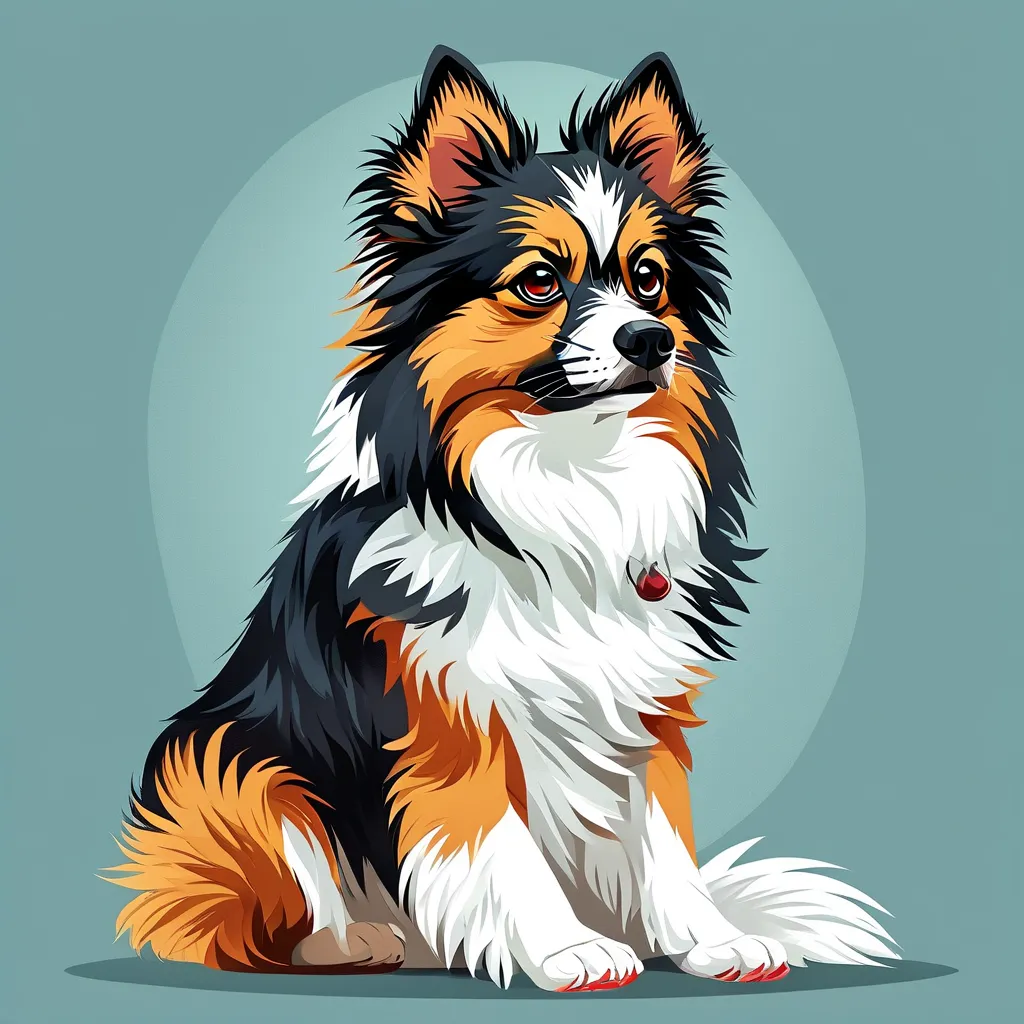 *Image: A close-up photo of a Pomsky showing its fluffy coat texture.*
Heavy shedding means there’s a substantial amount of fur being released constantly. This fur, along with the dander produced by the dog’s skin, contributes significantly to the allergen load in a home. While a fine, non-shedding coat might trap allergens effectively but release less fur, the sheer volume of hair produced by a heavy shedder like a Pomsky means there is a continuous release of potential allergens into the environment. **Pomsky Doodle Breed Guide: Everything You Need to Know**
Dander Production: Besides shedding, the amount of dander a Pomsky produces is also a factor. Dander is microscopic skin flake debris. While all dogs produce dander, the amount can vary. Pomskies, like most double-coated breeds, tend to shed their dander along with their fur, meaning the dander isn’t necessarily trapped deep within their coat but can be released along with the hair.
Addressing the “Hypoallergenic” Question: Pomskies and Allergies
Based on the characteristics outlined above, the answer to the question “Are Pomskies hypoallergenic?” is a definitive **no**. There is no scientific evidence to classify the Pomsky as a hypoallergenic breed.
**Why Not?**
Pomskies inherit the heavy shedding trait predominantly from their Pomeranian parent. This significant shedding means they continuously release fur and, consequently, the dander and potential allergens associated with it into their surroundings. While shedding itself isn’t the only allergen (dander and saliva are the primary triggers), the constant release of fur, which carries these allergens, makes it highly unlikely that a Pomsky would be suitable for someone with severe allergies.
It’s important to note the information circulating online. Some sources might mistakenly state that Pomskies are low shedders or hypoallergenic due to their appearance or popularity. This is often based on anecdotal evidence or misinterpretation. For instance, some Pomskies might have slightly less dense coats or be groomed more frequently, potentially reducing shedding somewhat, but this does not change the fundamental characteristic of the breed being a heavy shedder.
*Image: A Pomsky being groomed professionally, perhaps with clippers.*
Furthermore, the claim that “there is no such thing as a hypoallergenic dog breed” holds true here. While no breed is truly hypoallergenic, some dogs *may* be better tolerated by individuals with specific allergies due to lower individual production of certain allergens or differences in coat type that affect shedding patterns. However, the Pomsky, with its heavy shedding and likely moderate to high dander production, falls far outside the category of breeds generally recommended for allergy sufferers. Everything You Need to Know About the Pomsky and Husky Mix
It’s also worth considering that allergies can develop over time, and even if you tolerate certain pets now, exposure to new breeds or changes in your environment can trigger sensitization.
Living with a Pomsky: Managing Allergens (If You Choose to Proceed)
If, despite the information above, you are still considering a Pomsky because you love the breed and perhaps have mild allergies or are willing to manage the allergens, there are steps you can take to minimize exposure:
Grooming: Regular and thorough grooming is essential. Brushing your Pomsky frequently (at least once a week, potentially more for heavy shedders) can help remove loose fur and dander before it spreads throughout your home. Using a high-quality undercoat rake or a slicker brush is recommended. Professional grooming sessions (clipping) several times a year can also significantly reduce the amount of fur and allergens released.
Vacuuming and Cleaning: Invest in a vacuum cleaner with a HEPA (High-Efficiency Particulate Air) filter, which is effective at trapping small particles like dander and pet hair. Vacuum carpets, rugs, and upholstery frequently. Regularly clean and wipe down furniture surfaces. Consider using microfiber cloths for dusting, as they can trap allergens.
Air Purification: Using an air purifier with a True HEPA filter in rooms where your dog spends time can help capture airborne allergens.
Allergen-Reducing Products: There are various shampoots, sprays, and wipes marketed to reduce allergens on pets. While their effectiveness can vary, some pet owners find them helpful when used regularly as part of a grooming routine.
Dog-Free Zones: Create areas in your home where your Pomsky is not allowed, particularly bedrooms where allergy sufferers spend a lot of time. This helps contain allergens to specific areas.
Pet Allergy Testing: If you have known severe allergies, consider undergoing specific allergy testing to determine your sensitivity levels and potential reactions to different dog breeds or proteins.
*Image: A Pomsky