Everything You Need To Know About Your Pomsky Husky Pug Mix
Imagine a furry companion that inherits the undeniable charm and wrinkled face of a Pug, the spirited confidence and energy of a Husky, and the distinctive appearance and sometimes feisty nature of a Pomeranian. This adorable trio is the essence of the Pomsky Husky Pug mix, affectionately known as a Pomsky. While technically a three-breed designer dog rather than a pure Pomsky (which is Pomeranian x Husky), this unique combination creates a canine that is often a whirlwind of personality and physicality.
The appeal of the Pomsky Husky Pug mix lies in its blend of desirable traits. Breeders and owners are drawn to the potential for a loyal yet active companion, one that might possess the playful independence of a Pug combined with the striking looks and energetic nature of its other two parent breeds. Understanding what goes into this mix is crucial for potential owners considering bringing one of these delightful dogs into their home.
Understanding the Pomsky Husky Pug Mix: A Designer Dog Profile
The Pomsky Husky Pug mix is a relatively recent phenomenon in the world of designer dogs. Its creation typically involves crossing a Pomsky (itself a mix of Pomeranian and Siberian Husky) with a Pug. This three-way mix results in a dog whose appearance, temperament, and size can vary significantly, depending on the genetic contribution from each breed.
It’s important to note that while the name “Pomsky” is widely used and refers specifically to the Pomeranian x Husky mix, the Pomsky Husky Pug mix represents a different lineage. This variation means owners should be prepared for a potentially wider range of characteristics compared to the standard Pomsky. There isn’t a single “standard” for this specific mix, as breeders haven’t established formal standards like purebred organizations.
Physical Appearance: A Blend of Unique Features
The physical traits of a Pomsky Husky Pug mix are perhaps the most immediately noticeable aspect. You can expect a small-to-medium sized dog, but the exact dimensions will depend heavily on which genes are expressed.
Size Expectations: Typically, these mixes range from 10 to 25 pounds and 10 to 18 inches tall at the shoulder. The Pug’s influence might result in a slightly smaller frame, while Husky or Pomeranian genes could lean towards a larger build. They are generally smaller than a standard Husky but may be larger than some other designer mixes like the Pomapoo.
Coat and Colors: The coat type is often a mix. Pugs have short, smooth coats, Huskies have a thick, fluffy double coat, and Pomeranians have a dense, plush outer coat and soft undercoat. A Pomsky Husky Pug mix might inherit a short coat like the Pug’s, a fluffy coat like the Husky’s, or a combination. Pomeranian influence might add a layer of fluffiness.
Color is another area with significant variation. Pugs are typically fawn, cream, or black. Huskies are known for their striking colors like white, grey, black, and often have distinct facial markings (like a mask). Pomeranians usually come in solid colors like white, orange, brown, black, or parti-color. Therefore, you might see colors like fawn, cream, orange, white, grey, black, or combinations thereof on a Pomsky Husky Pug mix.
Distinctive Features: You might notice some characteristic features. The Pug’s wrinkled face and short nose (brachycephalic features) are prominent. However, the Husky’s almond-shaped eyes and potential for blue or dark-colored eyes, along with their facial markings, could also be present. The Pomeranian’s fox-like appearance, small size, and dense coat might contribute facial structure and tail type (often a thick, fluffy tail that may be carried over the back or curled).
Temperament and Personality: This is where the mix truly shines – or potentially complicates – ownership. The temperament is a fascinating blend:
- Husky Influence: Expect an intelligent, active, and vocal dog. Huskies are known for their independent nature, high energy levels, and strong desire for mental stimulation. They might be prone to “zoomies” and require significant exercise and playtime. Their vocalizations can include howls, barks, and whining.
- Pomeranian Influence: Poms are confident, bold, and can be vocal too. They often display a feisty or terrier-like attitude, are alert watchdogs (though not typically guard dogs), and can be protective of their perceived territory. Their size is small, but their spirit is anything but!
- Pug Influence: Pugs bring the wrinkled face, playful nature, and sometimes stubborn streak. They are generally affectionate, good-natured, and enjoy being part of the family. However, their brachycephalic nature means they can have breathing difficulties, especially in hot weather or during excitement.
Combining these temperaments, your Pomsky Husky Pug mix is likely to be:
A highly energetic and intelligent companion. They need regular exercise, not just for physical health but to burn off mental energy. Long walks, runs, hiking, and dog sports are probably necessary.
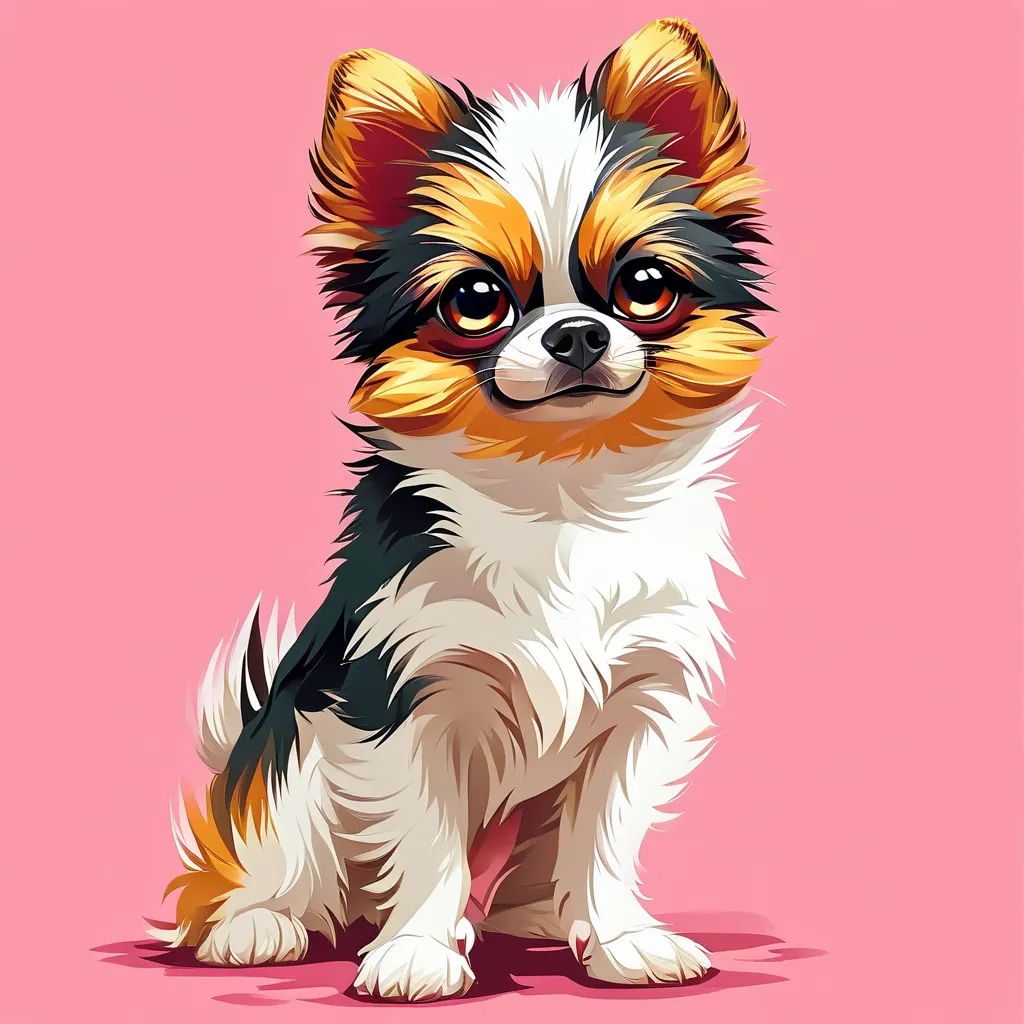
A confident and vocal dog. They might be great with family but could also be wary or vocal around strangers or other animals, depending on their individual personality and socialization. Early and consistent socialization is key.
A playful and affectionate member of the family. They likely enjoy cuddling and being close to their people, but also need space and stimulation. Their “goofball” potential, like the example of “Potato,” seems high, possibly blending the Pug’s charm with the Husky’s energy and Pomeranian’s attitude.
A potential vocalizer. This mix might bark, howl, or whine, especially if bored or triggered by external stimuli. Training and providing sufficient mental and physical outlets can help manage excessive vocalization.
Care Requirements: Beyond the Cuteness
While the unique look is a major draw, owning a Pomsky Husky Pug mix comes with specific care responsibilities. Don’t be fooled by their small feet or charming appearance.
Exercise Needs: This is probably one of the most important considerations. The Husky influence means they require substantial daily exercise. Aim for at least 1-2 hours of vigorous activity every day, including walks, playtime, and mental challenges. They thrive in active homes and environments. Insufficient exercise can lead to destructive chewing and excessive barking.
Training and Socialization: Intelligence is high, but focus can be an issue if training isn’t kept interesting and consistent. Positive reinforcement methods work best. Early and ongoing socialization is crucial to ensure they get along well with people, children, and other pets. Their confident nature means they might not tolerate rough handling or be overly timid.
Health Considerations: As a mixed breed, they generally inherit the health issues of their parent breeds. Be aware of potential problems like:
- Brachycephalic Airway Syndrome: Due to the Pug influence, they may have shortened airways, leading to breathing difficulties, especially in heat or excitement. Avoid excessive excitement and ensure they have a cool, shaded environment during hot weather.
- Dental Issues: Small breeds often suffer from dental problems. Regular dental care, including brushing and potentially professional cleanings, is essential.
- Husky-specific issues: Potential for hip dysplasia, eye problems (like cataracts), and sensitivity to anesthesia due to their lighter build.
- Pomeranian/Pug issues: Pomeranians can have luxating patellas, eye problems, and dental issues. Pugs share similar brachycephalic concerns and may be prone to allergies, skin infections, and heart issues (like PDA).
Regular veterinary check-ups and preventative care are vital. Researching the health history of the puppy’s parents (if available) can provide insight.
Grooming: Coat care depends on the specific coat type inherited. If they have a short coat (possibly Pug influence), low grooming is needed except for regular brushing. If they have a fluffier coat (Husky or Pomeranian influence), regular brushing (several times a week) is necessary to prevent mats and tangles. Regular dental brushing is also key. Nail trimming, ear cleaning, and eye care (especially for potential tear staining, which can be breed-specific) should be part of the routine.