
Quick answer
Feed a complete and balanced diet appropriate for the dog's life stage and use measured portions to maintain a healthy body condition. Calorie needs vary widely, so package directions are only a starting point.
Ask a veterinarian before using supplements, homemade diets, or major diet changes, especially for a puppy or a dog with allergies, digestive signs, dental disease, or another medical condition. Keep fresh water available and change foods gradually unless a veterinarian advises otherwise.
What to verify
- Choose a complete and balanced diet for the dog's life stage.
- Use measured portions and monitor body condition rather than following a fixed serving blindly.
- Ask a veterinarian before homemade diets, supplements, or major diet changes.
Sources and further reading
Last updated: June 19, 2026
This independent editorial guide is educational only. It is not veterinary diagnosis, not a sponsored product review, and not an affiliate ranking. See the health disclaimer, affiliate disclosure, and editorial policy.
Quick answer: "alimentation Pomsky" means Pomsky feeding or Pomsky diet. A safe Pomsky diet starts with a complete and balanced base food that matches life stage, body condition, activity, and veterinary context. Supplements, toppers, raw diets, and homemade recipes should be added only for a clear reason.
The old version of this page was short, repeated broad nutrition claims, and used many placeholder-style assets. This rewrite gives the page a clearer job: explain the foundation of Pomsky feeding before readers move to product pages, feeding charts, homemade recipes, or brand-specific guides.
Pomsky Diet Basics at a Glance
| Diet question | Safe baseline | When to get help |
| Base food | Use a complete and balanced dog food matched to puppy, adult, or veterinary-directed needs. | If growth, weight, allergies, or illness are unclear. |
| Portion size | Measure meals, count treats, and track body condition instead of trusting coat fluff or the bag alone. | If weight changes suddenly or the dog is already overweight or underweight. |
| Supplements | Do not add routine powders, oils, vitamins, or probiotics without a reason. | If a supplement is meant to manage joints, skin, digestion, anxiety, or disease signs. |
| Homemade food | Use carefully reviewed recipes, not random leftovers or internet formulas. | If homemade food will be more than an occasional topper. |
| Raw food | Do not treat raw feeding as the natural default for Pomskies. | If children, older adults, pregnant people, or immunocompromised people live in the home. |
| Food changes | Transition gradually and keep a simple 14-day feeding log. | If vomiting, diarrhea, blood, pain, or appetite loss appears. |
How This Page Fits the Food Cluster
This page is the foundation page for Pomsky feeding language, supplements, and diet safety. Best Dog Food for Pomskies handles adult food labels and format choices. Best Dog Food for Pomsky Puppies focuses on growth diets. Recommended Food for Pomskies is the shortlist framework. The feeding chart is for portions.
That separation matters. This page should not rank brands, promise supplement results, or replace veterinary advice. It should help a reader understand what a Pomsky diet needs before they compare products.
What Pomskies Actually Need From Food
A Pomsky needs the same foundation any dog needs: appropriate calories, protein, fat, vitamins, minerals, digestibility, water, and a routine the household can follow consistently. The exact diet still changes with age, adult size, activity, body condition, neuter status, treats, and health history.
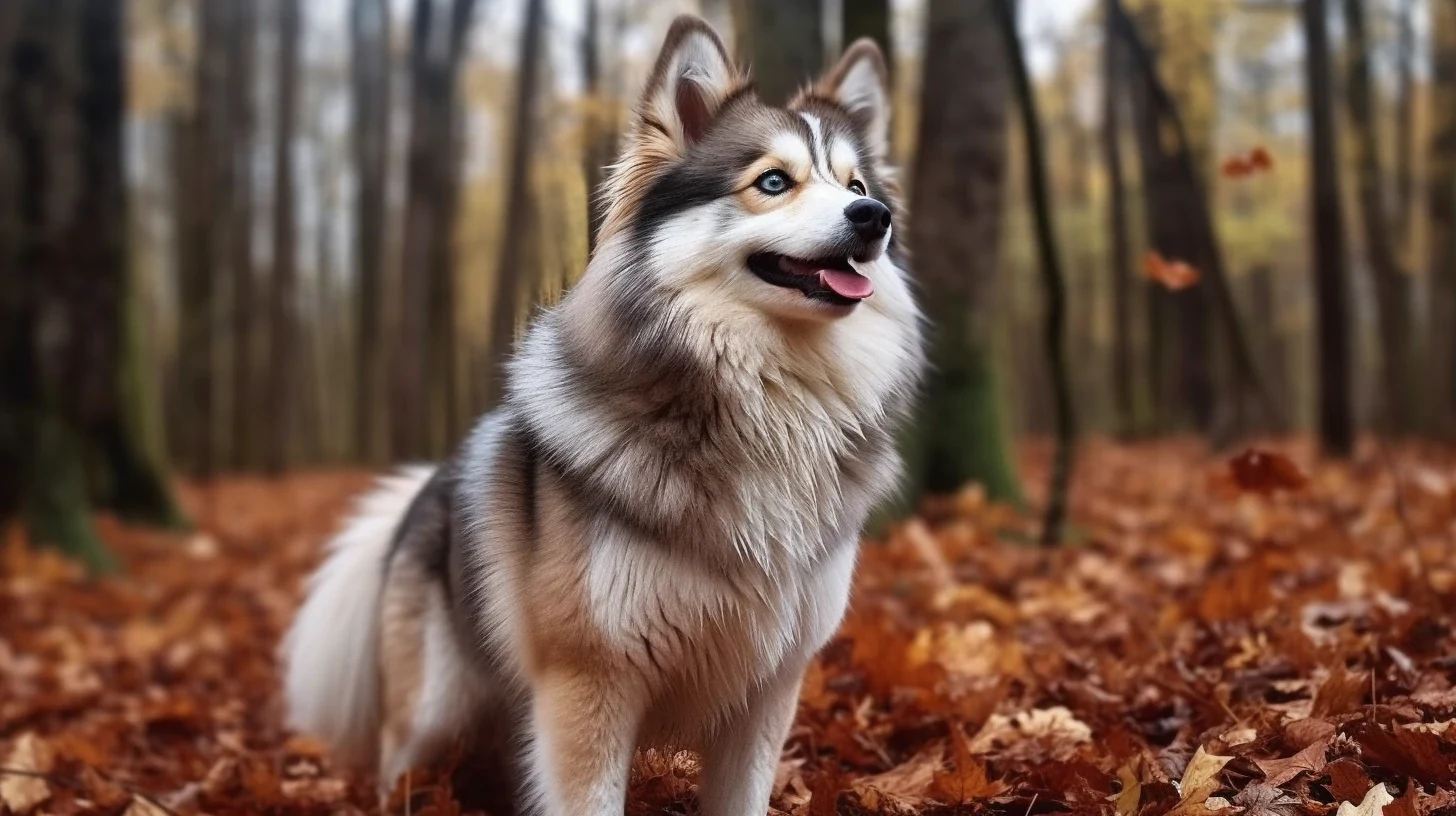
Because Pomskies are a mixed breed, breed-name food logic is weak. Some Pomskies are compact and calorie-sensitive. Others are larger, more active, or still growing. The diet should follow the individual dog, not the most dramatic photo of the breed.
Small Dog Looks Do Not Always Mean Small Dog Needs
Many Pomskies look like small northern-breed dogs, but size alone does not decide diet. A small adult may need smaller kibble, tighter calorie control, and careful dental routines. A larger Pomsky may need a different meal volume, more exercise-linked adjustment, and a slower weight-loss plan if body condition is high.
Use expected adult weight for puppies, current body condition for adults, and actual feeding response for both. If the dog gulps food, coughs around meals, guards bowls, or vomits after eating, solve the feeding setup instead of assuming the food itself is wrong.
Start With Complete and Balanced Food
FDA and AAFCO consumer guidance both point owners toward complete-and-balanced wording and life-stage adequacy. This is the first gate. A food may look premium, natural, or breed-specific, but if the label is vague, the diet is harder to trust.
Check that the food is for dogs, that the life stage fits your Pomsky, that calories and feeding directions are available, and that the manufacturer can be identified. Those label basics matter more than a long list of trendy ingredients.
Life Stage Comes Before Flavor
Puppies need growth-appropriate nutrition unless a veterinarian says otherwise. Adult Pomskies usually need adult maintenance or an appropriate all-life-stages food. Older or medically complex dogs may need an individualized plan.
Flavor can help acceptance, but it should not decide the diet. If a puppy eats only treats and toppers, or an adult gains weight on a tasty food, the flavor is working against the dog.
Calories, Body Condition, and the Pomsky Coat Problem
Pomsky coats can hide weight changes. A dog can look fluffy, athletic, or bulky depending on coat length and grooming, so diet checks should include touch-based body condition, not only photos.
Use measured meals, a consistent scoop or scale, and a monthly weight or body-condition note. If weight is rising, count treats, chews, toppers, table food, and training rewards before blaming the main food. If weight is dropping or appetite changes suddenly, call a veterinarian.
How Much Should a Pomsky Eat?
This page does not replace the portion table. Use the Pomsky feeding chart when you need meal amounts and portion planning. Use this page to understand the diet logic behind that chart.
Any feeding guide is only a starting point. Adjust based on body condition, stool, activity, age, and veterinary advice. A dog that trains heavily with food rewards may need smaller meals than the bag suggests.
Treats, Toppers, and Chews Count as Diet
Treats are not separate from nutrition. They add calories, can unbalance the routine, and may explain picky eating if the dog learns that refusing meals brings better food later. Use small rewards and consider using part of the normal kibble for training.
Toppers should have a purpose: appetite support, transition help, medication routine, or veterinarian-directed use. If toppers become the main reason the dog eats, the base diet and feeding routine need review.
Supplements: Useful Sometimes, Not Automatic
Pomsky supplement searches often include fish oil, probiotics, joint chews, multivitamins, skin-and-coat powders, calming chews, and digestive aids. These products are not harmless just because they are sold for pets. Dose, ingredients, claims, age, medications, and the base diet all matter.
AAFCO explains that owners need to understand baseline nutrients in the normal diet, the level added by a supplement, and safe use levels. FDA pet-food regulation guidance also treats animal supplement claims differently from human dietary supplement assumptions. In plain language: do not add a routine supplement unless you know why it is needed.
When Supplements Make More Sense
A supplement is more reasonable when there is a specific goal, a clear dose, a veterinarian's input, and a plan to monitor results. Examples include a veterinarian-guided joint plan, a diet trial that includes a specific probiotic, or a skin-and-coat plan tied to diagnosis.
A supplement is less reasonable when it promises to fix allergies, anxiety, digestion, shedding, or joints without diagnosis. If the product sounds like a treatment, ask your veterinarian before using it.
Homemade Food and Cooked Toppers
Homemade food can be appealing, but a homemade diet is not balanced just because it contains meat, rice, vegetables, and oil. If homemade food will be a regular diet, use a properly formulated recipe and veterinary guidance. Random home recipes can miss minerals, vitamins, fatty acids, or calories.
If you only want occasional cooked toppers, keep them plain, small, and safe for dogs. Do not use onions, garlic, cooked bones, heavy seasoning, or rich fatty scraps. For recipe intent, use the homemade food guide and keep the health disclaimer in mind.
Raw Food Is Not the Default Pomsky Diet
Raw food is sometimes marketed as natural for Husky-looking dogs, but a Pomsky does not need a raw diet to be healthy. FDA guidance warns that raw pet food can carry risks for pets and people. Those risks matter even more in homes with children, older adults, pregnant people, or immunocompromised family members.
If you want to explore raw feeding, discuss it with a veterinarian first. Do not use raw food as a quick answer for itching, soft stool, picky eating, or coat shine.
Water, Meal Timing, and Routine
Fresh water is part of diet. Dry food, warm weather, exercise, vomiting, diarrhea, lactation, and some medical conditions can change water needs. Sudden drinking changes should be taken seriously.
Most Pomskies do best with a predictable feeding routine. Puppies usually need more frequent meals than adults. Adult routines can vary, but consistency helps owners notice appetite changes, stool changes, and weight drift.
Household Feeding Rules Matter
A good diet can fail if every person feeds differently. Decide who feeds meals, who gives treats, where chews are stored, and how table food is handled. If children help with feeding, keep portions simple and pre-measured.
For multi-pet homes, separate meals long enough to prevent stealing and stress. A Pomsky that eats another pet's food may look picky at dinner or gain weight even when the measured meal seems reasonable.
Food Transition Plan
Healthy dogs often tolerate a gradual transition over about a week, but sensitive dogs may need longer. Change one major variable at a time. Keep treats stable so you can tell whether the main food caused the response.
| Transition stage | What to do | What to watch |
| Days 1-2 | Mostly old food with a small amount of new food. | Stool, appetite, gas, scratching, vomiting. |
| Days 3-4 | Move toward half old and half new if signs are stable. | Hold or slow down if stool softens. |
| Days 5-7 | Increase new food only if the dog is comfortable. | Stop and call a vet for repeated vomiting, blood, weakness, or pain. |
| After transition | Keep measuring meals and compare body condition after two weeks. | Weight drift, hunger, picky eating, stool changes. |
Keep a 14-Day Feeding Log
A feeding log makes diet decisions less emotional. Record food name, amount, treats, chews, toppers, stool, appetite, energy, itchiness, vomiting, water changes, and weight if available. A simple note is enough if the whole household can follow it.
The log is not meant to delay care. It is meant to give your veterinarian a clean timeline if symptoms appear or if you need help choosing the next diet step.
Red Flags That Are Not a Food Shopping Problem
- Repeated vomiting or diarrhea.
- Blood in stool or black stool.
- Sudden appetite loss or refusing water.
- Poor growth, weakness, or weight loss.
- Severe itching, sores, ear odor, or hair loss.
- Repeated gagging, coughing, or swallowing trouble.
- Known kidney, liver, urinary, pancreatic, endocrine, or heart disease.
These signs need veterinary guidance. A brand switch, supplement, raw diet, or homemade recipe should not be used as a substitute for diagnosis.
Common Pomsky Diet Mistakes
- Choosing food only because it says Pomsky, premium, natural, ancestral, or human grade.
- Adding supplements on top of a complete diet without checking the reason or dose.
- Letting treats, chews, and toppers quietly become a large part of daily calories.
- Switching foods every few days and losing track of what caused symptoms.
- Using raw food or homemade recipes without safety and nutrient review.
- Ignoring body condition because the coat makes weight hard to see.
What to Do Before Buying the Next Bag
Before buying the next bag or subscription, answer five questions: what life stage is the food for, does the label say complete and balanced, how many calories are in each serving, how will treats be counted, and what signs would make you call the veterinarian?
If you need actual product comparison, move to the recommended food framework or the Royal Canin fit guide. This page gives the nutrition ground rules that should stay true no matter which brand you compare later.
Frequently Asked Questions
What does alimentation Pomsky mean?
It means Pomsky feeding or Pomsky diet. In practical terms, it means choosing a complete and balanced base food, measuring portions, tracking body condition, and using supplements only when there is a clear reason.
Do Pomskies need supplements?
Most healthy Pomskies eating a complete and balanced food do not need routine supplements. Ask your veterinarian before adding supplements for joints, skin, digestion, anxiety, allergies, or disease-related signs.
Is fish oil good for Pomskies?
Fish oil may be appropriate for some dogs, but dose and medical context matter. Too much can add calories or create side effects. Ask your veterinarian before using it as a daily skin, coat, or joint supplement.
Can I cook for my Pomsky?
Occasional plain cooked toppers may be fine for many dogs, but a regular homemade diet needs careful formulation. If homemade food will replace commercial food, get professional veterinary nutrition guidance.
Can a Pomsky eat raw food?
Raw food is not a default recommendation. FDA guidance warns about risks for pets and people. Discuss raw feeding with a veterinarian before using it, especially in households with higher-risk people.
How do I know a diet is working?
Look for stable appetite, normal stool, steady body condition, comfortable skin, good energy, and no repeated vomiting, diarrhea, itching, or weight changes. Use a short feeding log when changing food.
Related Pomsky Nutrition Guides
- Best dog food for Pomskies
- Best dog food for Pomsky puppies
- First 30-day Pomsky puppy food checklist
- Recommended food for Pomskies
- Pomsky feeding chart
- Royal Canin for Pomskies
- Homemade food for Pomskies
- Training a Pomsky to eat slowly
- Pomsky coat shine guide
- Healthy weight plan
- Editorial policy
- Health disclaimer
- Affiliate disclosure