From Puppy to Giant: What to Expect When Your Pomsky Grows Up
Imagine a tiny bundle of fluff, eyes wide and curious, a miniature Husky wrapped in Pomeranian warmth. That’s the Pomsky puppy you fall in love with. These enchanting designer dogs, a relatively recent arrival on the canine scene, quickly capture hearts with their striking appearance and energetic personalities. But beneath that cute, small frame lies a growing powerhouse. Understanding the journey your Pomsky undertakes from that diminutive “baby” to its grown pomsky information state is crucial for providing the best care throughout their life.
Understanding the Pomsky Growth Journey
The Pomsky, a delightful cross between a Pomeranian and a Siberian Husky, isn’t a breed with a single, predictable growth path. Thanks to its mixed genetic background, individual Pomskies can vary significantly in their development timeline and ultimate size. While generally considered a small to medium breed, reaching their full potential requires patience and informed care.
The Genetic Mosaic: Factors Influencing Pomsky Size
Several factors weave together to determine how your Pomsky will grow:
1. Parental Lineage: The size and growth characteristics of the Pomeranian and Husky ancestors used for breeding heavily influence the offspring. A Pomsky carrying genes for a larger Pomeranian parent might grow bigger than one inheriting genes for a smaller Pomeranian.
2. Breed Combination: Huskies typically stand taller but carry less weight, while Pomeranians are sturdier but shorter. A Pomsky might lean towards one parent’s stature or develop a unique blend.
3. Genetics: Individual genetic predispositions play a significant role. Some Pomskies inherit growth-promoting genes, while others might have genes that naturally limit final size.
4. Nutrition and Diet: Providing balanced nutrition is paramount. Overfeeding during the critical growth stages can lead to unhealthy weight gain and potentially compromise skeletal development. Conversely, inadequate nutrition can stunt growth. High-quality puppy food specifically formulated for small breeds or large breed puppies (depending on the projected size) is essential.
5. Exercise: Controlled exercise during puppyhood helps develop strong bones and muscles, supporting healthy growth. However, excessive or high-impact activity on developing joints should be avoided.
6. Health: Overall health is directly linked to proper growth. Ensuring regular veterinary check-ups and addressing any health concerns promptly supports optimal development.
It’s crucial to understand that growth spurts can be irregular. Your Pomsky might experience rapid growth one month, then seem stalled for another, only to have a final surge before reaching maturity. Patience is key for owners navigating the developmental stages.
Revealing the Full Grown Pomsky: Size and Appearance
While “giant” might be a slight overstatement compared to some breeds, a fully mature Pomsky certainly transforms from a small pup into a more substantial companion. Knowing what to expect physically prepares owners for space requirements, exercise levels, and potential temperament nuances.
Dimensions of a Mature Pomsky
According to various sources and breeders, the typical grown pomsky information includes:
Weight: A full-grown Pomsky usually weighs between 20 and 30 pounds. It’s important to note that this is an average range; individual dogs can fall outside this spectrum. Some Pomskies might remain on the smaller side, while others, particularly those with Husky lineage, could approach the upper limit or even slightly exceed it. Exceeding the healthy weight range can increase the risk of health problems. **Everything You Need to Know About a Full-Grown Pomsky Dog**
Height: Most adult Pomskies stand between 10 and 15 inches tall at the shoulder. Again, this can vary, with some individuals being slightly smaller or taller depending on their specific genetic makeup. Everything You Need to Know About the Full Grown Miniature Pomsky
It’s also worth distinguishing between standard Pomskies and potential “mini” or “toy” variants, although the latter are often the result of careful breeding for smaller size. A “mini Pomsky” typically weighs under 20 pounds and stands less than 12 inches tall, offering a smaller alternative but still following similar growth principles.
The Coat and Color of the Mature Breed
As Pomskies mature, their coat often develops distinctive features:
Double Coat: Like their Husky parent, many Pomskies inherit a thick, double-layered coat. This provides insulation for various climates but requires regular grooming to prevent mats and manage shedding. The Pomeranian influence might result in a denser topcoat or a more consistent single coat in some individuals.
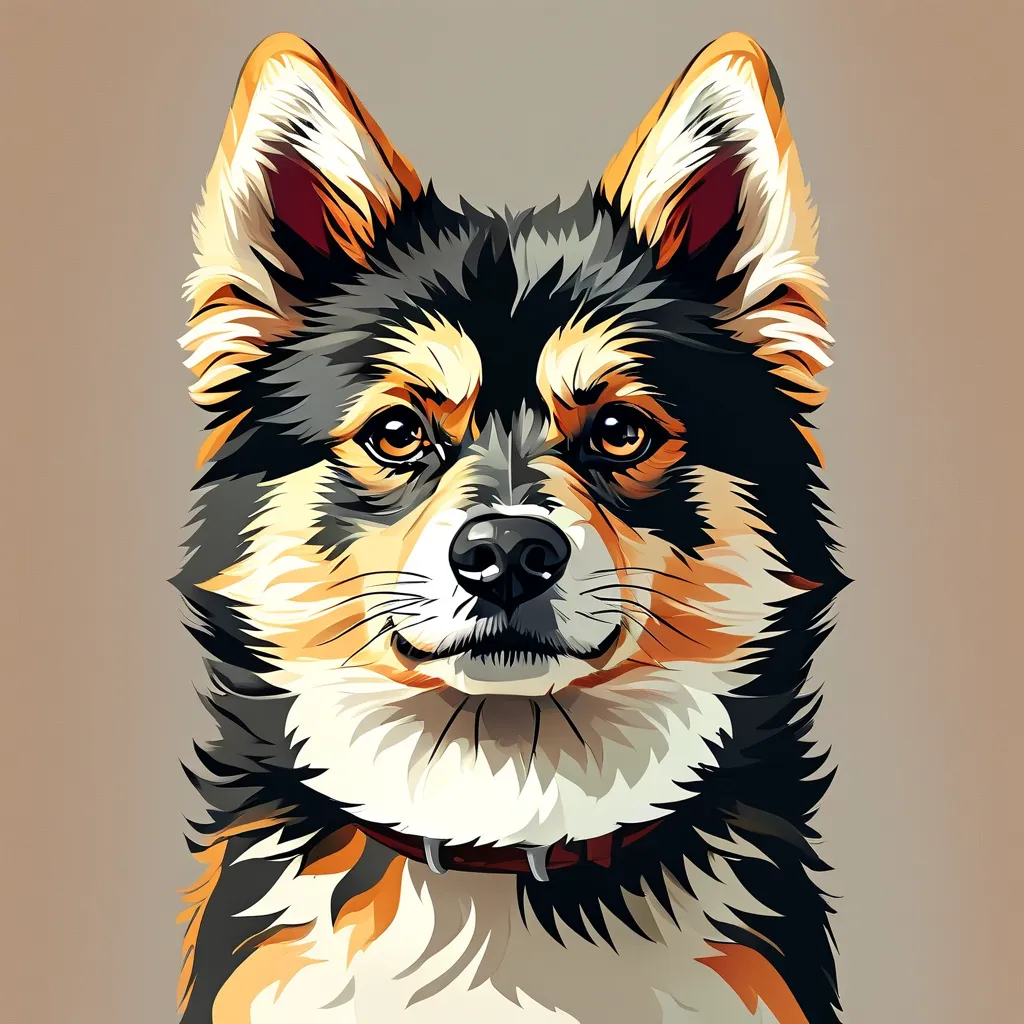
Color Variations: Pomskies are known for their diverse color patterns, often featuring combinations like black and white, white and brown, black and silver, or white and orange. As they grow, the color might become more defined or settle into its final pattern. Their expressive eyes, often blue, brown, or a mix, tend to set in during their adolescent or early adult phase.
Their appearance evolves, but the core traits established during puppyhood generally remain, solidifying their unique look as they reach adulthood. Full-Grown Mini Pomsky: A Complete Guide to Size, Care, and Temperament
The Behavioral Shift: Is Your Pomsky Still a Puppy?
While size changes are visually apparent, the transformation in behavior as a Pomsky matures is equally significant. Understanding these behavioral shifts helps manage expectations and fosters a harmonious relationship.
Temperament Changes and Training Considerations
Pomskies inherit traits from both parent breeds:
Husky Influence: This includes high energy levels, an independent and sometimes mischievous spirit, and a notable prey drive. They are intelligent but can also be stubborn. Early and consistent training is vital to manage their energy and independent nature as they grow. Their vocalization can also lean towards the Husky side, potentially leading to howling or barking.
Pomeranian Influence: This contributes to their alertness, intelligence, and sometimes feisty or protective guarding instincts. Pomskies often retain a playful, mischievous puppy-like spirit well into adulthood, but they also possess a loyal and affectionate core.
One key aspect of the grown pomsky information is their potential for a strong prey drive. As they mature, this drive doesn’t diminish; it remains present. This makes them potentially unsuitable for households with unconfined small prey animals like rabbits, rodents, or even cats if not raised together from very young ages with extensive socialization.
Socialization: Early and ongoing socialization is critical for a Pomsky’s development. Introducing them to various people, environments, sounds, and other animals during their formative months (especially between 3 and 14 weeks) helps prevent the development of fear aggression or excessive dominance. A well-socialized Pomsky is more likely to be a balanced and adaptable companion throughout their adult life.
Mental Stimulation and Exercise Needs
Regardless of their size, Pomskies are an active and intelligent breed. Their energy levels typically remain high throughout adulthood. Failure to meet their exercise and mental stimulation needs can lead to boredom, destructive chewing, excessive barking, or attempts to escape.
Exercise: Daily walks, trips to the dog park, or opportunities for off-leash exploration in a safe area are generally necessary. The amount needed can vary, but they are not suited for a sedentary lifestyle. Their Husky lineage means they appreciate activities that engage their minds and bodies.
Mental Stimulation: Puzzle toys, training sessions, learning new commands, or participating in dog sports like agility or nose work can channel their intelligence positively.
Understanding that your Pomsky’s energy and personality don’t magically disappear as they grow is key to providing a fulfilling life for this active companion.
The Final Stretch: Welcoming the Adult Pomsky
Reaching their final size and maturity marks a significant milestone for your Pomsky and your family. This adult stage brings a certain level of calmness and settledness, yet it still requires attentive care.
Caring for Your Mature Companion
Once your Pomsky has reached their grown pomsky information dimensions, typically around 1-2 years of age, their care focuses on maintaining their health and well-being:
- Appropriate Diet: Switch to adult dog food suitable for their size and activity level. Monitor portion sizes to prevent weight gain, which is more challenging in an adult dog than in a growing puppy.
- Grooming: Continue regular brushing, especially if they have a double coat, to manage shedding and prevent skin issues. Professional grooming might be needed every 4-6 weeks. Regular eye cleaning might be necessary
References