What Are Pomskies? Adorable Hybrid Breed Info You Need
Welcome to the world of one of the internet’s most captivating canine stars! If you’ve been scrolling through social media or browsing dog shows, you’ve likely encountered the irresistible charm of the Pomsky. Known for their teddy-bear faces, fluffy coats, and energetic personalities, these little bundles of joy have stolen countless hearts. But what exactly are Pomskies? This term refers to a popular designer dog breed that has exploded in popularity in recent years. In this comprehensive guide, we’ll delve into everything you need to know about these adorable hybrids, covering their origins, physical traits, temperament, care requirements, and more. Whether you’re dreaming of adding one to your family or simply curious about this trending breed, read on to uncover all the essential information.
The Pomsky Origins: A Designer Dog Emerges
The Pomsky’s relatively recent history is a testament to the growing trend of creating designer dogs – crossbredings between popular purebred dogs aimed at combining the best traits of both parents. The Pomsky is a relatively new breed, first appearing in the United States around the mid-2000s. While pinpointing an exact origin is challenging due to the informal nature of their creation, the goal for most breeders was to develop a dog that possessed the affectionate and compact size of a Pomeranian combined with the hardy nature and striking appearance of a Siberian Husky.
It’s important to understand that Pomskies are **hybrid breeds**, not a recognized purebred by major kennel clubs like the American Kennel Club (AKC) or the Kennel Club (UK). This lack of formal recognition stems partly from their recent emergence and partly from the variation that naturally occurs in mixed-breed dogs. However, their unique appeal has led to a dedicated community of enthusiasts and breeders who actively participate in shows and strive to stabilize the breed.
While there’s no single “standard” Pomsky, the vast majority are believed to be **F1 generations**, meaning they are the first filial generation – a cross between a purebred Pomeranian and a purebred Siberian Husky. Some breeders also work with F2 generations (the offspring of two F1 Pomskies) or even F1Bs (Backcrosses, which involve crossing an F1 Pomsky with a Siberian Husky to retain more Husky traits). The choice of generation often depends on the desired coat pattern and temperament balance.
Physical Appearance: A Combination of Cuteness and Character
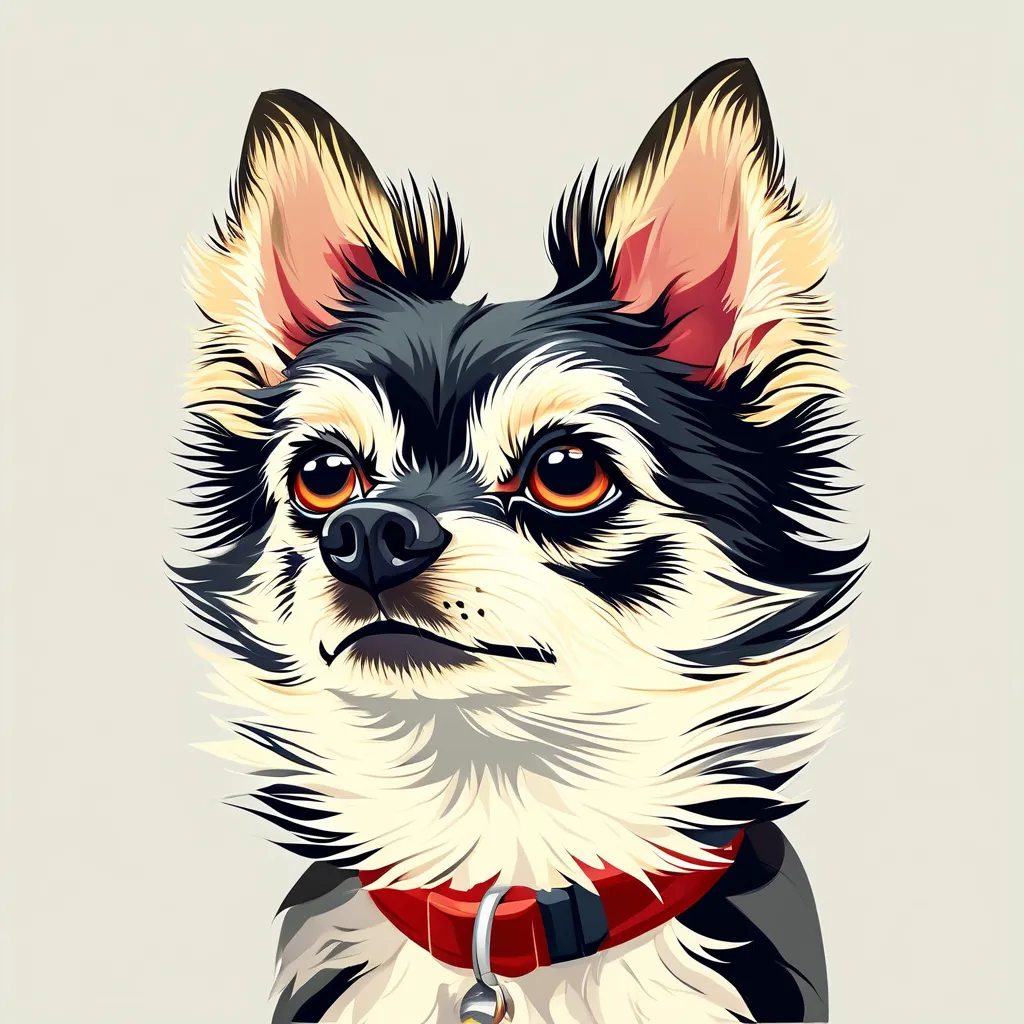
One of the first things that grab your attention about a Pomsky is their looks! They are a medium-sized dog with a body type that cleverly blends the Spitz-like features of the Pomeranian with the broader build of the Husky.
Size: Pomskies are generally considered small to medium-sized dogs. Adult males typically weigh between 15 to 25 pounds (7 to 11 kg), while females are usually slightly smaller, ranging from 12 to 20 pounds (5.5 to 9 kg). They stand about 9 to 14 inches (23 to 36 cm) tall at the shoulder. Their size makes them adaptable to various living situations, including apartments, but they still require adequate space and regular exercise.
Coat: This is where Pomskies truly shine visually. Their coat is a major factor in their popularity. The fur can be incredibly fluffy, soft, and dense, often requiring significant grooming. The color and pattern of their coat can vary greatly due to the mix of Pomeranian and Husky genetics. Common coat colors include white, cream, gold, silver, black, and brown. Popular patterns include: Discover Pomsky Images: Your Ultimate Guide to This Unique Breed
- Dapple: A marbled pattern usually involving two base colors, often white or cream combined with another color.
- Miracle: A multi-colored pattern featuring more than two distinct colors.
- Merle: A smoky-gray background with darker patches or spots, often giving a wolf-like appearance (though this pattern can sometimes have health implications).
- Brindle: A tiger-like striping pattern.
- Solid: One uniform color throughout the coat.
The coat texture can range from soft and fluffy (more Pomeranian influence) to slightly coarser (more Husky influence). Regardless of the specific coat type, grooming is a significant commitment. Pomskies often have a double coat that sheds heavily, especially during seasonal coat changes. Regular brushing is essential to prevent mats and tangles. Professional grooming may be necessary several times a year. Pomsky Shedding Informational: Everything You Need to Know About Controlling That Fur Fallout!
Head and Eyes: Pomskies often inherit the characteristic “doll-like” eyes of the Pomeranian, which are usually round and alert. However, they can also inherit the darker, more almond-shaped eyes of the Husky. Their head shape is typically a blend, often featuring a slightly rounded skull reminiscent of the Pomeranian paired with a defined jawline. Their ears are usually floppy, similar to Pomeranians, and are often folded over the head, contributing to their teddy-bear look.
Temperament and Personality: Energetic and Affectionate Companions
When it comes to temperament, the Pomsky aims to please, combining the best aspects of its parent breeds. Here are some options for the title:
**Option 1:**
**Red Pomsky Guide: Everything You Need to Know About This Stunning Breed (11 words)**
**Option 2:**
**The Red Pomsky: An Informational Deep Dive into This Unique Hybrid Breed (12 words)**
**Option 3:**
**Red Pomsky Informational: A Complete Guide to Care, Colors & Traits (9 words)**
**Option 4:**
**Unve
Playful and Energetic: Like Huskies, Pomskies inherit high energy levels and a playful spirit. They are known for their boundless enthusiasm for play and activities. They excel at fetch, running alongside bikes, and engaging in other interactive games. Without sufficient mental and physical stimulation, their energy can sometimes channel into destructive chewing or excessive barking. They are not typically lap dogs that spend all day sleeping, despite their relatively small size; they need room to move and play.
Intelligent and Trainable: Both Pomeranians and Huskies are intelligent breeds, and this intelligence carries over to Pomskies. They are quick learners, but their independent thinking can also make them a bit stubborn at times. Consistent training, positive reinforcement, and patience are key. They enjoy learning new tricks and commands, which helps keep their minds engaged.
Affectionate and Social: Pomskies are generally affectionate and thrive on human companionship. They form strong bonds with their families and enjoy being part of household activities. While generally good with their owners, their Husky lineage means they can sometimes exhibit a degree of independence or even a touch of stubbornness. Socialization from an early age is crucial to ensure they get along well with children, other pets, and strangers. While generally not overly vocal, their Husky ancestry can occasionally surface in the form of howls or barks, especially if they hear other dogs barking or are left alone for extended periods.
Guardian Instincts: Due to their alert nature and affectionate bond with their family, Pomskies can be quite aware of their surroundings. While they are not typically guard dogs in the traditional sense (large intimidating breeds are better for that), they will often alert their owners to unfamiliar sounds or visitors. They bark to announce arrivals, which is a trait to consider if you live in a quiet neighborhood.
Health, Care, and Living Considerations
Breeding two distinct purebred dogs inevitably introduces some health considerations. While many Pomskies are healthy, responsible ownership involves understanding potential risks and providing proper care.
Potential Health Issues: Since they are a relatively new hybrid, extensive health data is still being collected. However, Pomskies can inherit health problems from both their Pomeranian and Husky parents. Some potential concerns include:
- Hip Dysplasia: A common joint disorder affecting many breeds, potentially due to genetics or rapid weight gain.
- Progressive Retinal Atrophy (PRA): An eye condition leading to vision loss.
- Patellar Luxation: Kneecap dislocation, more common in smaller breeds.
- Husky-specific Issues: Potential for lens luxation (especially in blue-eyed individuals), certain heart conditions, and sensitivity to anesthesia (due to low thyroid function or other factors).
- Pomeranian-specific Issues: Legg-Calve-Perthes disease (affecting the hip joint), eye problems like cataracts, and dental issues common to small breeds.
Choosing a reputable breeder who performs health screenings on their parent dogs is crucial for obtaining a healthy Pomsky puppy.
Grooming Needs: As mentioned earlier, grooming is a significant commitment. Their double coat sheds profusely year-round, requiring regular brushing (at least