Unveiling the Pomsky Temperament: An Informative Guide for New Owners
Welcome to the vibrant world of the Pomsky! This captivating designer dog breed, a charming blend of the intelligent Pomeranian and the noble Husky, has stolen countless hearts with its striking appearance and distinctive personality. If you’re contemplating welcoming a Pomsky puppy or already share your life with one, understanding their temperament is absolutely crucial for a harmonious and fulfilling relationship. This informative guide delves deep into the Pomsky temperament, exploring their energy levels, social needs, trainability, and potential challenges. Knowing these aspects will empower you to provide the ideal environment and training for this unique companion.
The Energetic and Playful Core
At the heart of the Pomsky temperament lies an inherent energy level that is generally considered quite high. These dogs are not typically the lap-dog-only type; they possess a boundless curiosity and a playful spirit that requires outlets. It’s no secret that a Pomsky is happiest when they are actively engaged, exploring their surroundings, and spending quality time with their human family.
Think of the Pomsky as a bundle of enthusiasm. Their enthusiastic nature means they often greet activities and visitors with great excitement. This energy translates into:
- High Play Drive: Pomskies thrive on playdates, interactive toys, and activities that challenge their minds and bodies.
- Curiosity: They are natural explorers, constantly checking out their environment and sniffing out new experiences.
- Motion Needs: Regular walks, runs, or access to a secure, spacious area to run are essential to prevent boredom and destructive behaviour.
It’s important to note that while generally energetic, the exact energy level can vary slightly depending on the individual dog’s lineage (more Pomeranian or more Husky influence), age, and overall health. However, preparing for an active companion is always a safe bet when considering a Pomsky.
Loyalty, Attachment, and Social Needs
One of the most endearing traits of the Pomsky is their strong bond with their human family. Descended from loyal breeds like the Pomeranian, Pomskies are known for their loyalty and deep attachment. They don’t just see you as a pet; they often view you as an integral part of their pack.
This strong attachment means they typically flourish in environments where they are a central part of the household. They thrive on interaction and enjoy being involved in family activities. Many Pomskies are simply not content if left alone for extended periods. Their need for companionship is a key aspect of their temperament.
Regarding socialisation:
- Pomskies are generally very friendly and outgoing, eager to meet new people and other pets if properly introduced.
- However, their sociability can sometimes be perceived as “too friendly” by some owners, especially if they encounter overly excited or dominant behaviour towards unfamiliar individuals or animals.
- Early and positive socialisation is crucial to ensure they develop appropriate boundaries and remain well-behaved and confident in various social situations.
It’s worth noting that while generally friendly, a Pomsky’s strong attachment to their primary human(s) might mean they form particularly strong bonds with specific individuals, sometimes showing a degree of possessiveness or jealousy if they feel their special connection is threatened. Understanding this can help manage potential issues.
Intelligence, Trainability, and Unique Personality
The Pomsky’s intelligence is another facet of their appealing temperament. They inherit problem-solving skills from both parent breeds. This intelligence contributes to their trainability, but it also means they can become easily bored if training sessions are monotonous or lack sufficient challenge. **Discover the Pomsky: The Adorable New Dog Breed You Need to Know**
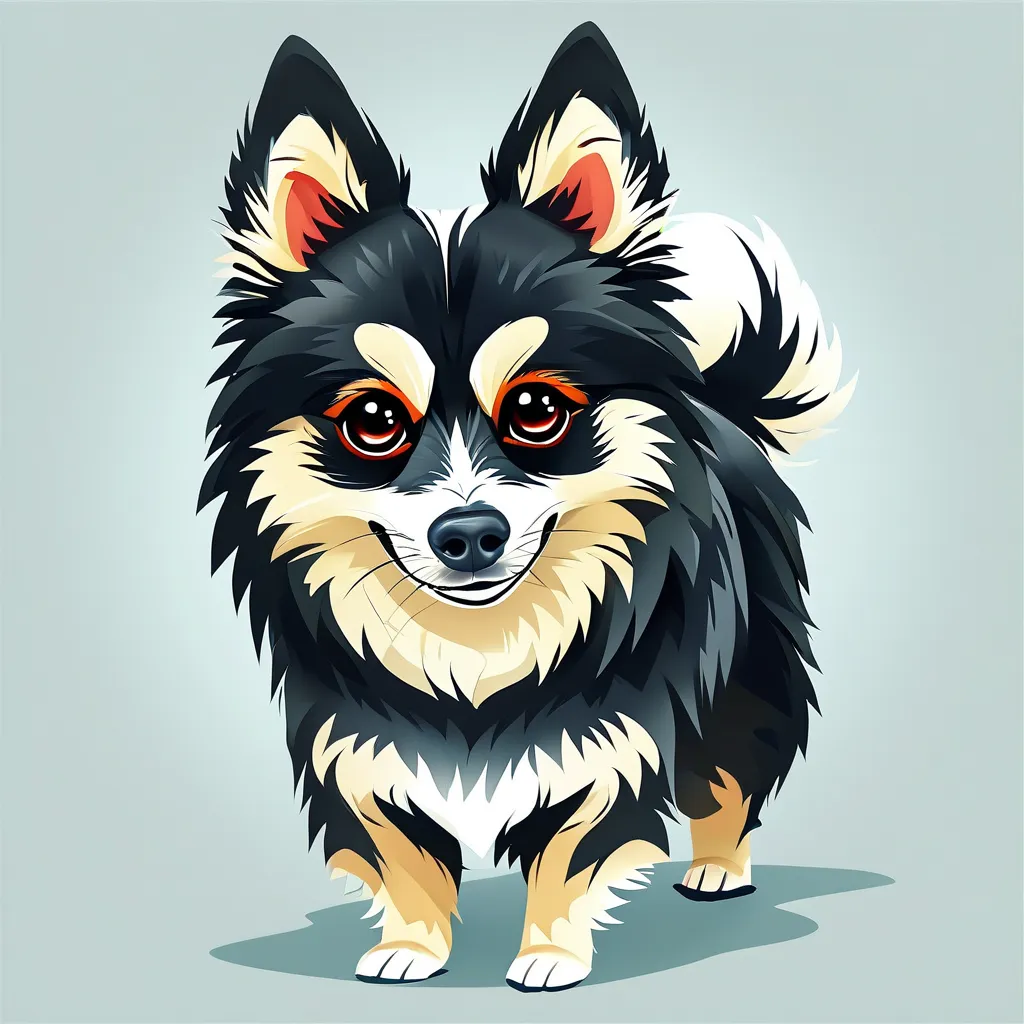
Training a Pomsky effectively requires:
- Consistency: They respond well to clear rules and consistent reinforcement.
- Positivity: Harsh methods are generally ineffective and discouraged. Positive reinforcement, using treats, praise, and play, works best.
- Engagement: Keep training sessions short, fun, and mentally stimulating. Aim for multiple short sessions throughout the day rather than one long, boring one.
Pomskies are often described as having a “quirky” personality. They can be independent thinkers and sometimes stubborn, especially when motivated by their own desires. Patience and creative training techniques are often necessary. Their Husky heritage might occasionally surface in the form of a stubborn streak, while their Pomeranian influence can add a touch of independence and a desire to please their own way.
Their trainability also hinges on their focus. A Pomsky that is focused on their human or their task is highly trainable. However, if their attention wanders, especially in distracting environments, training can be less effective. Ensuring a distraction-free environment initially and building up to more challenging situations is key. How Long Do Pomskies Live? A Guide to Their Lifespan
Potential Challenges and Managing the Pomsky Temperament
While the Pomsky temperament offers many joys, it also presents some challenges that prospective owners must be prepared for:
- Separation Anxiety: Due to their strong attachment, many Pomskies experience significant stress when left alone. This can manifest as excessive barking, destructive chewing, or attempts to escape. Crate training, providing engaging puzzle toys, and ensuring they have had ample exercise and mental stimulation before being left alone can help mitigate this. If severe, professional advice may be needed.
- Destructiveness: Boredom is a major trigger for unwanted behaviour. Insufficient exercise or mental engagement can lead to chewing furniture, digging, or excessive barking. Providing ample opportunities for physical and mental exertion is essential.
- High Stridency: Some Pomskies can be quite vocal, using barking, howling, or whining to express excitement, alertness, or attention-seeking. Proper training and addressing the root cause of the vocalisation are important.
- Stubbornness: As mentioned, their independent nature can sometimes clash with training goals. Consistent, positive reinforcement, and patience are key. Understanding their motivations can also help guide their choices.
Managing the Pomsky temperament effectively involves understanding their individual needs. Each Pomsky puppy is unique, inheriting traits from both parents. Pay close attention to your specific dog’s signals regarding energy levels, social needs, and trainability. Building a strong relationship based on trust, positive reinforcement, and meeting their physical and mental needs will lead to a well-adjusted, happy Pomsky companion.
Cultivating a Harmonious Relationship: Tips for Pomsky Owners
Knowing the Pomsky temperament is the first step; applying that knowledge is key to a successful partnership. Here are some practical tips for owners:
- Start Training and Socialisation Early: Begin basic obedience and socialisation as soon as you bring your puppy home. This foundational work sets the stage for a well-behaved adult dog.
- Provide Sufficient Exercise: Aim for at least 1-2 brisk walks daily, along with opportunities for off-leash running in a safe area. Consider interactive toys or puzzle games for mental stimulation when you can’t be actively playing with them.
- Be an Engaged Companion: Spend quality time with your Pomsky. Engage them in activities they enjoy, whether it’s playing fetch, cuddling, or going on adventures together.
- Use Positive Reinforcement Consistently: Reward good behaviour promptly with treats, praise, or play. Avoid punishment, as this can damage trust and create fear.
- Be Patient and Understanding: Especially during training or if dealing with separation anxiety, patience is vital. Understand that progress takes time and that setbacks can happen.
- Consider Professional Help: If you encounter persistent behaviour problems, don’t hesitate to consult a qualified professional dog trainer or behaviourist.
By embracing the energetic, loyal, and intelligent nature of the Pomsky, you can build a rewarding and lasting bond. Understanding their temperament is the cornerstone of providing a loving and suitable home for this remarkable designer breed.
Conclusion: Embracing the Pomsky’s Unique Spirit
The Pomsky temperament is a fascinating blend of excitement, loyalty, and intelligence. They are not for the faint of heart or the inactive lifestyle, but for those who appreciate an energetic companion with a big personality, the rewards are immense. By recognising their need for engagement, their potential for attachment and anxiety, and their intelligent yet sometimes independent nature, you can proactively shape a well-behaved, happy Pomsky. Remember that