Ultimate Guide to the Pomsky Husky: Info on This Popular Designer Dog
Imagine a creature of winter, the resilient and spirited Siberian Husky, crossed with a small, elegant Pomeranian. Fast forward a generation, and you have the Pomsky Husky – a captivating designer dog breed that has rapidly surged in popularity. Often simply called Pomskies, these unique canines have stolen hearts with their striking appearance and energetic personalities.
But what exactly constitutes a Pomsky Husky? Are they truly a “breed,” or just a mix? What goes into their coats, their temperaments, and their care requirements? This comprehensive guide delves deep into the world of the Pomsky Husky, providing you with essential information to understand, appreciate, and potentially welcome one of these delightful designer pups into your life.
Unraveling the Pomsky: Origins and Definition
The term “Pomsky” is relatively modern, emerging as these specific crosses gained recognition. At its core, the breed is defined by its parentage: a cross between a Siberian Husky and a Pomeranian. This initial combination creates a dog that inherits traits and physical characteristics from both beloved breeds.
It’s important to understand that the Pomsky is not currently recognized as a distinct purebred breed by major kennel clubs like the American Kennel Club (AKC). Instead, it falls under the category of a “designer dog” or “hybrid breed.” Designer dogs are the result of crossing two different purebred dogs, often with the goal of combining desirable traits or creating a unique appearance.
Generations of Pomskies
Responsible breeding practices aim to stabilize certain traits, and this is often indicated by the generation designation:
- F1 Pomsky: This is the most common and typically the most stable generation. An F1 Pomsky is a first-generation cross, meaning it has one parent that is a Siberian Husky and one that is a Pomeranian. This combination usually results in a dog that strongly exhibits traits from both parents, offering a good balance of energy and coat type.
- F2 Pomsky: These are the offspring resulting from breeding two F1 Pomskies together. The F2 generation will have a more varied genetic makeup, potentially leading to differences in appearance and temperament compared to the F1. They might inherit more traits from one parent breed than the other.
- Backcross Pomsky: Sometimes, breeders will cross an F1 Pomsky with one of its parent breeds (either Husky or Pomeranian). A Husky backcross Pomsky will have two Husky genes and one Pomeranian gene, while a Pomeranian backcross will have two Pomeranian genes and one Husky gene. This is sometimes done to enhance specific traits, such as coat texture or energy level.
While the F1 generation is often preferred for its more predictable characteristics, all generations can make wonderful companions. However, finding a reputable breeder is crucial regardless of the generation, focusing on health and temperament rather than just the lineage designation.
Appearance: A Mosaic of Husky and Pomeranian Traits
One of the most striking aspects of the Pomsky Husky is their appearance, which is a delightful blend of the Siberian Husky’s features and the Pomeranian’s charm.
Inheriting the Husky’s Look
From the Husky side, Pomskies often inherit:
- Build and Size: A sturdy, athletic build characteristic of Huskies, though naturally scaled down due to the Pomeranian influence. Adult Pomskies typically weigh between 10 to 25 pounds (4.5 to 11.3 kg) and stand 9 to 14 inches (23 to 36 cm) tall at the shoulder.
- Coat Texture: A thick, dual-layered coat is common. This can range from fluffy (reminiscent of the Pomeranian) to more of the Husky’s dense, weather-resistant coat.
- Eye Shape and Color: The iconic “eyebrows” or heavy eyelashes characteristic of Huskies are a frequent feature. Eye color can be strikingly blue, brown, or a mix (heterochromia), a hallmark of the Husky contribution.
- Muzzle Shape: A moderately broad, somewhat wedge-shaped muzzle can be present.
- Coloration: Husky colors like black, white, grey, and orange/red are often expressed in Pomskies.
Adding the Pomeranian Influence
The Pomeranian parent contributes significantly to:
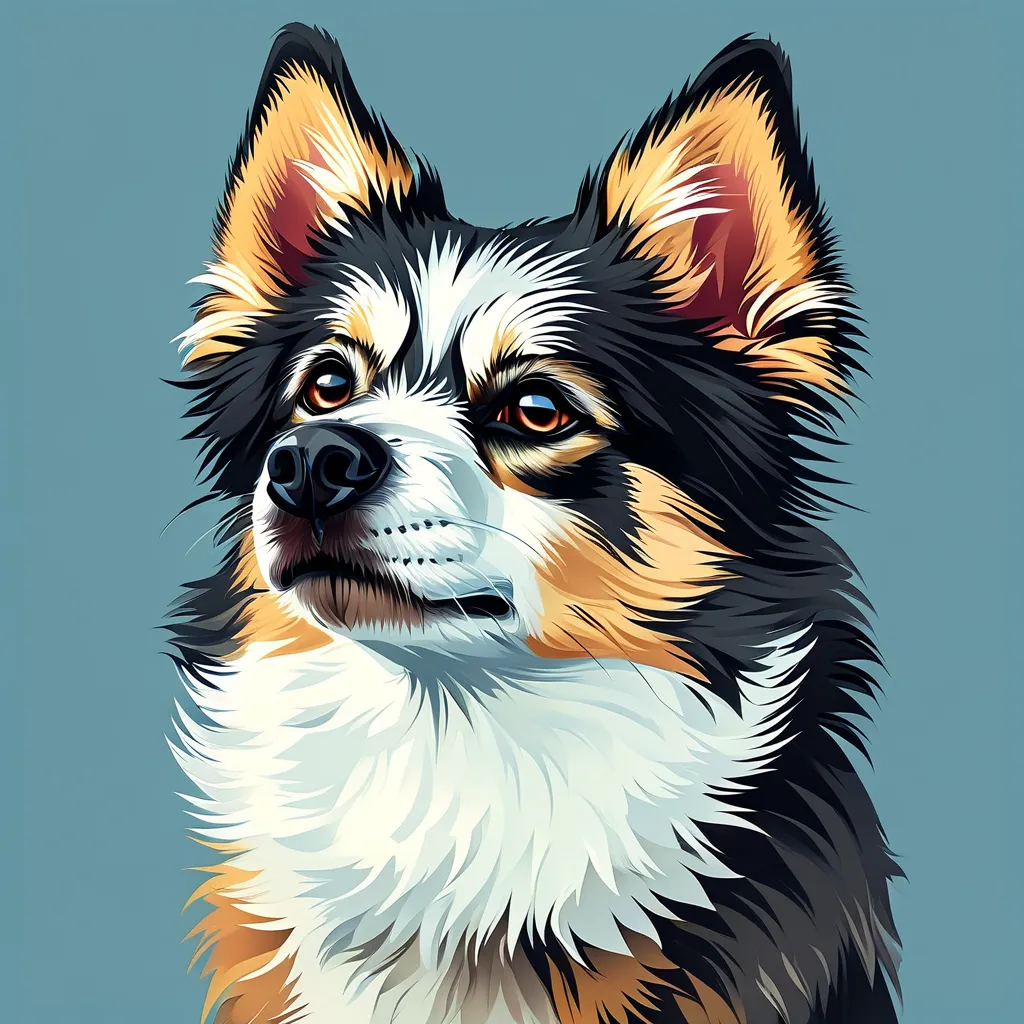
- Coat Fluffiness: Often resulting in a very plush, teddy-bear-like topcoat.
- Head Shape: A slightly more rounded cranium compared to the Husky’s wedge shape.
- Size: Pushing the Pomsky towards a smaller stature than a pure Husky.
- Distinctive Look: The Pomeranian’s alert expression and smaller frame add another layer to the Pomsky’s unique appearance.
It’s crucial to note that appearance can vary greatly within the breed due to the different generations and the specific genetics inherited. Coat colors and patterns can be diverse, ranging from solid colors to complex markings like brindle, sable, dappled, or roan patterns (though true Husky roaning is less common in Pomskies). Their coat requires regular grooming to prevent mats and maintain health. **Finding the Best Pomsky Breeders Commercial? Here’s Your Ultimate Guide**
Personality and Temperament: Energetic and Unique
The Pomsky Husky’s personality is a fascinating blend, reflecting the energetic, intelligent, and sometimes mischievous nature of both parent breeds.
Inherited Traits from the Husky Side
Expect a high level of energy and intelligence: What to Expect with a Pomsky German Shepherd Husky Mix Puppy: A Comprehensive Guide Brown Pomsky Commercial: Your Guide to This Unique Hybrid Breed (Informational & Ad Focus)
- High Energy Levels: Like Huskies, Pomskies are not typically lap dogs. They need substantial daily exercise, both physical and mental. Long walks, runs, hiking, and engaging play sessions are essential.
- Intelligence: Highly intelligent means they are quick learners but also require mentally stimulating activities to prevent boredom. They excel in training but can also be independent thinkers.
- Playfulness and Willfulness: They possess a playful spirit and can be quite willful, making training require patience and consistency.
- Vocal Nature: Perhaps one of the most notable Husky traits Pomskies can inherit is their vocal nature. They are known for “talking” – barking, howling, whining, or yipping to express themselves, alert to sounds, or simply for attention. This is more common than in Pomeranians but generally less excessive than in pure Huskies.
- Social Needs: They thrive on human companionship and can be prone to loneliness if left alone for long periods.
- Loyalty: Despite their energetic and sometimes independent nature, Pomskies are typically very loyal and form strong bonds with their families.
The Pomeranian Contribution
While the energetic core comes from the Husky, the Pomeranian influence often adds:
- Alertness: Pomskies are generally alert watchdogs, barking at strangers or unusual noises.
- Confidence: They often carry themselves with a confident, even feisty, attitude, especially towards other dogs.
- Temperament Nuances: Depending on the specific genetics, they might inherit the Pomeranian’s slightly more aloof or dominant air, although this is often moderated by the Husky’s friendly nature.
Overall, the Pomsky Husky is often described as outgoing, intelligent, playful, and sometimes clownish or mischievous. They are generally good with their families but can have a “dog boss” attitude. Socialization from an early age is vital to ensure they get along well with children, other pets, and strangers. Their vocal nature should be considered if noise sensitivity is a concern in your environment.
Care Requirements: Beyond the Cuteness Factor
Welcoming a Pomsky Husky into your home requires a commitment to their specific needs, encompassing exercise, diet, grooming, and health.
Exercise Needs
As descendants of working and sporting breeds, Pomskies need regular physical activity: