Tiny Teacup Pomsky Puppies: Your Ultimate Guide & Commercial Info
Welcome to the captivating world of the Pomsky, a relatively new entrant to the canine scene that has quickly captured the hearts of dog lovers everywhere. This enchanting breed is the delightful result of crossing two popular and striking Arctic breeds: the Pomeranian and the Siberian Husky. Known for their unique appearance, energetic personalities, and fluffy coats, Pomskies have become highly sought after. Within the Pomsky category, you’ll often find variations, including the smaller “Teacup” Pomsky, which holds a special allure for those seeking a compact yet charismatic companion. This guide delves into everything you need to know about these miniature marvels, covering their origins, characteristics, care needs, and crucial commercial information for potential puppy acquisition.
Origins and Characteristics: The Pomsky’s Unique DNA
The Pomsky breed, officially recognized by the American Canine Association (CAA) as of 2015, is a relatively recent creation. Breeders began developing this mix in the early 2000s, primarily in North America. The goal was to combine the Husky’s striking blue eyes, wolf-like appearance, and energetic nature with the smaller size and fluffier coat of the Pomeranian.
The Birth of the Pomsky: The first Pomskies reportedly appeared around 2004. These initial crosses aimed to produce a smaller version of the popular Siberg (another Pomeranian-Husky mix). The name “Pomsky” is a portmanteau of “Pomeranian” and “Husky,” perfectly encapsulating its mixed lineage.
Teacup Pomsky Specifics: While the standard Pomsky typically weighs between 10-20 pounds and stands 10-14 inches tall, the “teacup” designation refers to the smallest individuals within this breed standard or sometimes a distinct lineage known for producing smaller dogs. It’s important to understand that “teacup” is often a marketing term used by breeders to denote the very smallest specimens, and these dogs may face specific health considerations compared to their larger counterparts. The term isn’t universally defined by major kennel clubs but is widely used by owners and breeders in the community.
Physical Appearance: Teacup Pomskies, like their larger siblings, inherit a unique blend of features from their parent breeds. They often possess:
- Double Coat: A dense, weather-resistant outer coat and a soft, insulating undercoat.
- Color Variety: Common colors include white, black, grey, silver, parti-color (patches), and brindle. The merle pattern is also frequently seen.
- Distinctive Eyes: Often large and expressive, typically blue, or a striking heterochromia (different colored eyes).
- Modest Size: As the name suggests, teacup Poms are significantly smaller, aiming for a weight range of approximately 5-10 pounds (sometimes even less), though this can vary.
- Head Shape: A mix of the Pomeranian’s rounded cranium and the Husky’s slightly wedge-shaped muzzle.
Breed Characteristics: Beyond their appearance, the Pomsky temperament is a fascinating mix. They inherit the Husky’s intelligence, independence, and potential for a bit of stubbornness, combined with the Pomeranian’s feistiness and affectionate nature. This often results in a loyal, playful, and alert companion.
Temperament and Behavior: The Perfect Companion?
Understanding the temperament of a Teacup Pomsky is crucial for potential owners. While each dog is an individual, certain traits are commonly associated with the breed:
Intelligence and Trainability: Pomskies are intelligent dogs, but their independent streak can sometimes make training a challenge. They excel with positive reinforcement methods – praise, treats, and play – as they respond well to being motivated by rewards and enjoy pleasing their owners. Consistency and patience are key. Early socialization is vital to ensure they grow up to be well-adjusted dogs comfortable around people and other pets.
Energy Levels: Despite their small size, Pomskies are energetic dogs. They require regular exercise and mental stimulation to prevent boredom and potential destructive chewing. Daily walks, playtime, and engaging activities like puzzle toys or obedience training are essential. Teacup Poms, despite their size, still need adequate space and stimulation; they are not typically lap dogs suited for sedentary lifestyles.
Social Needs: These dogs thrive on human companionship. They form strong bonds with their families and can suffer from separation anxiety if left alone for long periods. They generally get along well with children (older ones treated with respect) and other pets, especially if introduced properly during puppyhood.
Vocalization: Like Huskies, Pomskies can be vocal dogs. They may bark to alert their owners, express excitement, or demand attention. This is usually not excessive, but owners should be prepared for some noise from their furry companion. **Pomsky Breeder Information & Commercial Guidelines** Pomsky Rescue Informational & Commercial Guide: Your Complete Guide Brown Pomsky Commercial: Your Guide to This Unique Hybrid Breed (Informational & Ad Focus)
Caring for Your Teacup Pomsky: Health, Grooming, and Lifestyle
Bringing a Teacup Pomsky puppy into your home is a rewarding experience, but it comes with specific responsibilities. Proper care is essential for their health, happiness, and longevity.
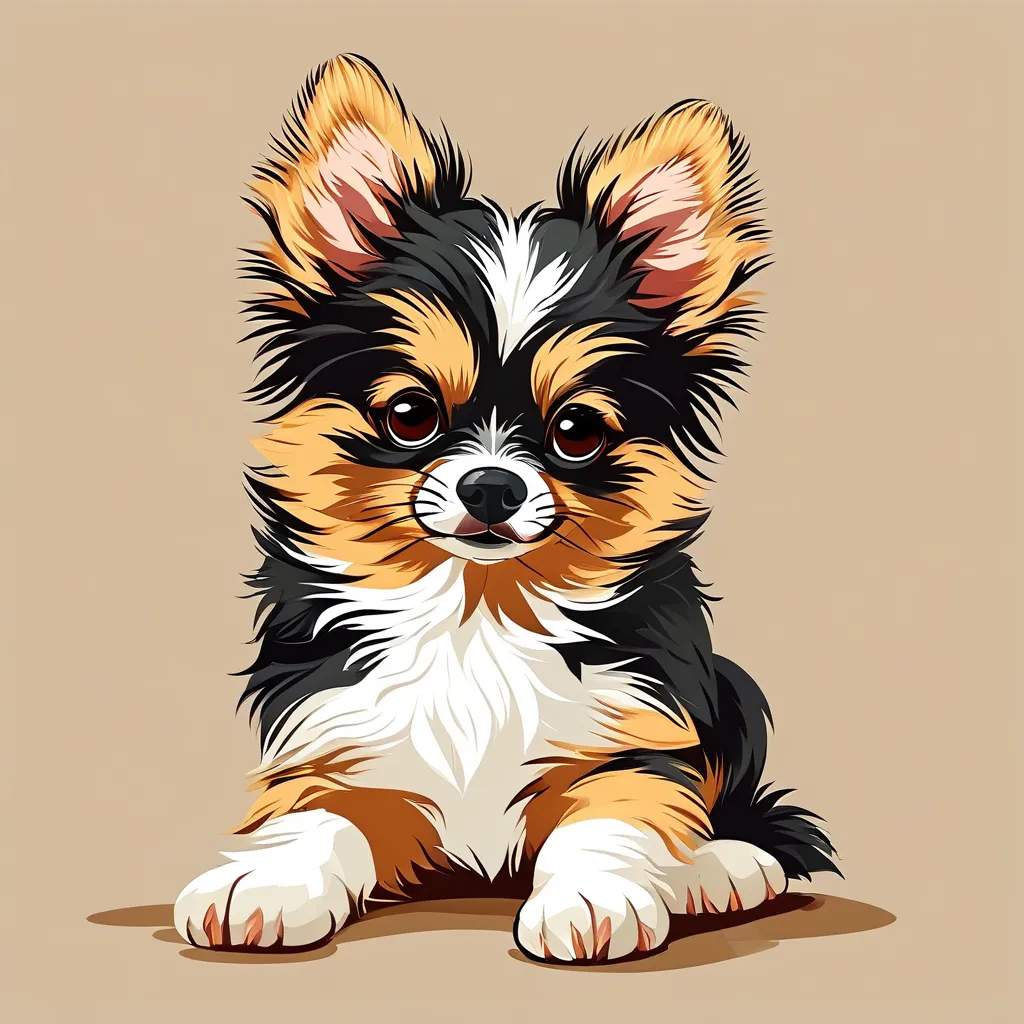
Health Considerations: Responsible breeding is paramount. Always choose a reputable breeder who conducts health screenings on their parent dogs for common Pomeranian and Husky health issues, such as hip dysplasia, eye problems (progressive retinal atrophy – PRA), patellar luxation, and potentially hypothyroidism.
Because teacup breeds can be smaller and sometimes carry genes predisposing them to certain vulnerabilities, it’s crucial to ensure they are raised properly and monitored closely for health issues. Potential health concerns specific to small breeds or the Pomsky mix could include dental problems, kneecap issues, and congenital heart defects. Regular veterinary check-ups are non-negotiable.
Grooming Needs: Pomskies have a double coat that sheds profusely year-round. Regular brushing (at least a few times a week, possibly daily for show dogs) is essential to prevent mats and tangles. Professional grooming every 6-8 weeks is recommended to maintain their coat’s health and appearance. Their eyes often tear, so regular cleaning around the eyes is also beneficial.
Diet and Exercise: Teacup Poms require careful monitoring of their diet due to their small size. Overfeeding can lead to health problems, especially for developing puppies. Provide high-quality, balanced puppy food and measure portions carefully. Consult with your veterinarian for specific dietary recommendations.
Exercise Requirements: Despite their small stature, Teacup Poms need regular physical activity. Daily walks, trips to the park, and interactive play sessions are necessary to burn off energy and maintain a healthy weight. Their exercise needs may be slightly less than a standard-sized Pomsky, but they still require significant mental and physical engagement.
Lifestyle Considerations: Teacup Poms are generally well-suited for homes with moderate activity levels. They adapt reasonably well to apartment living as long as they receive sufficient daily exercise and mental stimulation. Their size makes them suitable for families or individuals with limited space. However, they still need dedicated attention and companionship.
Commercial Information: Finding and Acquiring Teacup Pomsky Puppies
For those interested in adding a Teacup Pomsky puppy to their family, understanding the commercial aspects of acquisition is vital. This involves finding reputable breeders and navigating the pricing structure.
Finding a Reputable Breeder: Purchasing a puppy is a significant commitment, and choosing a responsible breeder is crucial. Avoid buying from pet stores or online platforms where puppies often come from questionable sources (puppy mills). Seek out breeders who prioritize the health and well-being of their dogs.
Look for:
- Health Testing: Breeders should provide documentation of health clearances for conditions common to both parent breeds and the Pomsky.
- Transparency: They should be open about their breeding practices, the lineage of the puppies, and potential temperament traits.
- Educated Breeders: Reputable breeders understand the breed standard, the needs of the puppies, and are willing to answer your questions thoroughly.
- Placement Criteria: They should carefully screen potential owners to ensure the puppies go to suitable homes.
- Facility Standards: Visit the breeder’s facility (if possible) to assess the cleanliness, space, and overall care provided to the dogs and puppies.
Online resources like