The Ultimate Pomsky Mix Guide: Everything You Need to Know
Welcome to the world of the Pomsky! If you’re exploring designer dog breeds, you’ve likely encountered this captivating crossbreed, known for its striking appearance and unique personality. Often described as a miniature Husky or a fluffy spitz companion, the Pomsky has gained significant popularity in recent years. But what exactly is a Pomsky, and what should you know before welcoming one into your home? This comprehensive guide delves deep into the Pomsky mix, covering everything from its origins and physical characteristics to temperament, care requirements, and potential challenges.
Origins and Physical Characteristics
The Pomsky breed originated relatively recently, emerging in North America during the early 2000s. Its creation aimed to combine the best traits of two popular spitz breeds: the **Pomeranian** and the **Siberian Husky**. As a **Pomsky mix**, its lineage is typically a first cross between these two distinct parent breeds.
One of the most notable characteristics of a Pomsky is its size. Generally, they are considered **larger** than other common Pomeranian mixes, such as the Pomapoo (Pomeranian-Toy Poodle) or the Maltipom (Maltese-Pomeranian). Adult Pomskies typically weigh between 10 to 25 pounds (4.5 to 11 kg) and stand about 9 to 14 inches (23 to 36 cm) tall at the shoulder. However, their size can vary significantly depending on the specific lineage and whether the Pomsky is a first-generation cross (F1), a backcross to one parent (F1b), or a second-generation (F2) Pomsky.
Pomskies inherit a beautiful coat from their Husky and Pomeranian parents. Their fur can range from dense and fluffy, reminiscent of the Pomeranian, to a silkier texture sometimes associated with Huskies. Colors are incredibly diverse, including white, black, gray, brown, parti-color (patches of two or more colors), and sable. Their expressive almond-shaped eyes and ears, often floppy or erect depending on genetics, contribute to their charming and sometimes mischievous look. A prominent **Pomsky Informational** resource would detail these physical variations, as they can depend heavily on the specific genes inherited from the parent breeds.
It’s worth noting that while the Pomsky looks like a miniature Husky, its energy levels and coat maintenance requirements are more aligned with the Pomeranian aspect of its heritage. This blend results in a dog that is visually striking but requires specific care tailored to its unique needs.
Understanding the Pomsky Lineage
The creation of the Pomsky involved crossing two distinct breeds, leading to different types based on breeding practices:
F1 Pomsky: This is the classic **Pomsky mix**, a 50/50 cross between a Pomeranian and a Siberian Husky. F1 Poms tend to exhibit the most balanced traits from both parents, often displaying high energy levels and moderate shedding.
F1b Pomsky: An F1b is a cross between an F1 Pomsky and one of its parent breeds (usually the Pomeranian). This backcross is often done to enhance certain traits, like the fluffiness or energy level, more characteristic of the Pomeranian parent. F1b Poms might be slightly smaller than F1s and can have more predictable shedding patterns.
F2 Pomsky: These are the offspring resulting from breeding two F1 Pomskys together. F2 generations can show a wider variation in appearance and temperament, potentially exhibiting traits more dominant from either the Husky or Pomeranian lineage. They require more careful consideration if you’re looking for a predictable blend of specific characteristics.
Regardless of the generation, understanding the potential influence of each parent breed is crucial for setting realistic expectations about the Pomsky’s temperament, energy needs, and grooming demands.
Temperament and Personality
The Pomsky temperament is perhaps one of its most fascinating aspects. It’s a blend of the independent, intelligent, and sometimes stubborn Husky and the alert, playful, and vocal Pomeranian. This combination often results in a loyal, affectionate, and energetic companion with a distinct personality.
Key Temperament Traits:
Pomskies are generally known for being:
- Intelligent and Curious: Inheriting intelligence from both parents, Pomskies are quick learners but can also be independent thinkers. They thrive on mental stimulation and enjoy exploring their environment.
- Loyal and Affectionate: Despite their Husky lineage, which can sometimes appear aloof, Pomskies are typically very attached to their families. They form strong bonds and enjoy being involved in family activities.
- Playful and Energetic: Huskies are known for their playful nature, and this energy is often present in Pomskies. They require regular playtime and exercise to burn off excess energy and prevent boredom-related behaviors.
- Vocal: Like their Husky ancestors, Pomskies can be quite vocal. They may bark to alert their owners to visitors, other animals, or simply out of excitement or boredom.
- Alert and Watchful: Their Pomeranian heritage contributes to an alert nature, making them good at noticing things around them. They can be protective of their families but are generally not aggressive.
However, it’s important to recognize potential downsides to this mix:
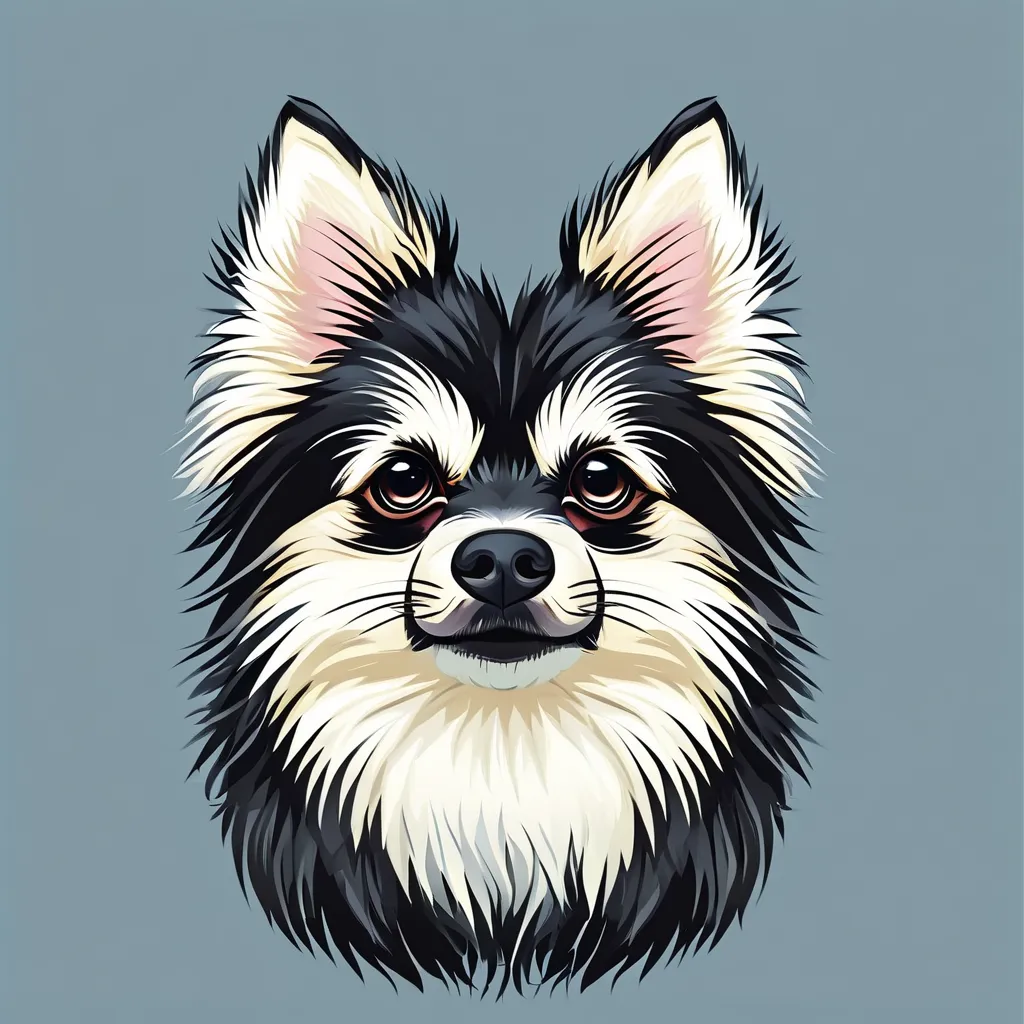 What Is a Pomsky Husky Corgi Mix? A Fun and Furry Guide
The Husky influence can sometimes bring out stubbornness, especially during training. Consistency and positive reinforcement are key to managing this trait. Additionally, the Pomeranian’s strong prey drive means Pomskies may not be suitable for households with small pets like rabbits, rodents, or small birds unless raised together from a young age and carefully supervised.
Early socialization is crucial for any Pomsky to ensure they develop into well-rounded, friendly dogs. Exposing them to different people, environments, and other animals during their critical development period (typically between 3 and 14 weeks of age) helps prevent potential shyness or fearfulness later in life. Everything You Need to Know About a Pomsky Husky Poodle Mix
Training and Socialization Needs
Training a Pomsky requires patience and consistency due to their intelligence and potential stubborn streak. Positive reinforcement methods, using treats, praise, and play, work best. They excel in activities that challenge their minds, such as agility, obedience trials, and puzzle toys.
Socialization, as mentioned, is vital. Ensure your Pomsky puppy meets a variety of gentle, well-behaved dogs and people in controlled environments before they reach six months of age. This helps them become confident and adaptable companions. Everything You Need to Know About the Pomsky Miniature Husky
Care Requirements: Grooming, Exercise, and Health
Proper care is essential for a happy and healthy Pomsky. While they are delightful companions, they come with specific needs that potential owners must be prepared to meet.
Grooming Needs
The Pomsky’s coat requires regular attention to prevent mats and maintain its health. Their double coat sheds moderately, but they are generally considered lower shedders than a pure Husky. However, regular brushing is still necessary.
Brushing: Aim to brush your Pomsky at least 2-3 times a week, increasing to daily brushing during heavy shedding seasons (typically spring and fall). Use a slicker brush and a pin brush to remove loose fur and prevent mats, especially around the ears, neck, and legs.
Bathing: Bathe your Pomsky only when necessary, as frequent bathing can strip their skin and coat of natural oils. Use a dog-specific shampoo, and ensure they are thoroughly dried, especially in colder weather.
Trimming: Regular professional grooming is highly recommended, particularly for the hair between the paw pads and around the eyes. This prevents matting and keeps them comfortable. Some owners choose to keep their Pomsky’s coat slightly longer, but regular maintenance is key regardless of length.
Exercise and Activity Levels
Pomskies are an active breed with moderate to high energy levels. They need regular physical and mental exercise to thrive.
Physical Exercise: Daily walks, hikes, or runs are essential. Aim for at least 30-60 minutes of moderate exercise each day. Remember their Husky roots; they enjoy exploring and may benefit from off-leash time in safe, enclosed areas to run and play.
Mental Stimulation: Don’t underestimate the importance of mental exercise. Pomskies are intelligent dogs that can become bored easily, leading to destructive chewing or excessive barking. Incorporate activities like hide-and-seek with toys, scent work, or teaching new commands to keep their minds sharp.
Health Considerations
As a relatively new designer breed, Pomskies don’t have