The Ultimate Guide to Pomskie Dogs: Everything You Need to Know
Welcome to the world of one of the cutest, cutest, and most captivating canine hybrids around. If you’re searching for a furry companion that blends the charming, fluffy coat of a Pomeranian with the spirited, intelligent nature of a Siberian Husky, you’ve likely stumbled upon the Pomskie. Pronounced “Pom-sky,” this designer dog breed has exploded in popularity in recent years, and for good reason – they are simply adorable. Often described as “puppy-like” well into their adult life, Pomskies possess a unique charm that melts hearts.
The term “Pomskie” isn’t an official breed recognized by major kennel clubs like the American Kennel Club (AKC). Instead, it’s a relatively new designation for a dog that is a cross between a Pomeranian and a Siberian Husky. Despite the lack of formal recognition, Pomskies have carved a significant niche in the hearts of dog lovers worldwide, thanks to their delightful appearance and temperament. This guide aims to be your comprehensive resource, providing comprehensive Pomskie dogs information to help you understand if this enchanting hybrid is the right fit for your lifestyle.
What Exactly is a Pomskie? The Origins and Definition
The Pomskie, as mentioned, is fundamentally a **designer dog** – a crossbreed resulting from the mating of two distinct purebred dogs: the Pomeranian and the Siberian Husky. While the specific lineage can vary, the goal for breeders (often referred to as “Pomsky breeders”) is typically to achieve a dog that inherits the best traits from both parents.
It’s important to note that the Pomsky isn’t a recognized breed by organizations like the AKC. This means there’s no official standard for size, coat color, or temperament. However, the general characteristics are widely understood and appreciated. The name “Pomskie” itself is a portmanteau of “Pomeranian” and “Husky,” reflecting its mixed origins.
One of the most frequently asked questions regarding Pomskies is about their size. Unlike the purebred Pomeranian, which typically weighs less than 10 pounds and stands around 10 inches tall, a Pomsky inherits the Husky’s larger frame potential. Adult Pomskies generally weigh between 10 to 25 pounds (4.5 to 11.3 kilograms) and stand about 9 to 14 inches (23 to 35 cm) tall. They are significantly larger than a purebred Pomeranian but still fall into the category of small to medium-sized dogs, making them adaptable to various living situations, including apartments, provided they receive sufficient exercise and mental stimulation.
The Pomsky’s appeal lies in its blend of looks and personality. They often retain a teddy-bear appearance with their fluffy coats, but possess the energetic and independent nature of their Husky parent. This unique combination contributes to their popularity and the demand for Pomsky puppies.
Physical Appearance and Characteristics of Pomskie Dogs
First impressions of a Pomskie are usually overwhelmingly positive, thanks to their striking and often endearing appearance. While individual Pomskies will vary, certain physical traits are commonly associated with the breed.
Coat and Colors: One of the most distinctive features of a Pomskie is their coat. Inheriting from the Husky, they typically have a thick, double coat that can be either tan/brown, black, white, grey, or a combination of these colors. Husky colors like fawn, black and white, and brindle are very common, but you might also find Pomskies with cream, grey, silver, or parti-color (two or three colors) coats. The Pomeranian influence often brings in red, cream, or white markings. Their coat texture is usually soft and fluffy, requiring regular grooming to prevent mats and tangles.
Size Variety: As mentioned, Pomskies come in various sizes. Some are petite lap dogs weighing closer to 10 pounds, while others can grow into full-sized companions reaching 25 pounds or slightly more. Responsible Pomsky breeders often aim for a specific size range, but it’s crucial to understand that the final size can be influenced by genetics from both parents.
Facial Features: Pomskies often inherit the characteristic “puppy-dog eyes” from the Pomeranian side, which can be intense blue, striking yellow, or even bi-colored. Their faces are usually fluffy with tufted ears and a tail that is typically thick and fluffy, often reaching down to their elbows – a trait strongly linked to the Husky lineage. What’s the Life Expectancy of Your Pomsky? A Complete Guide
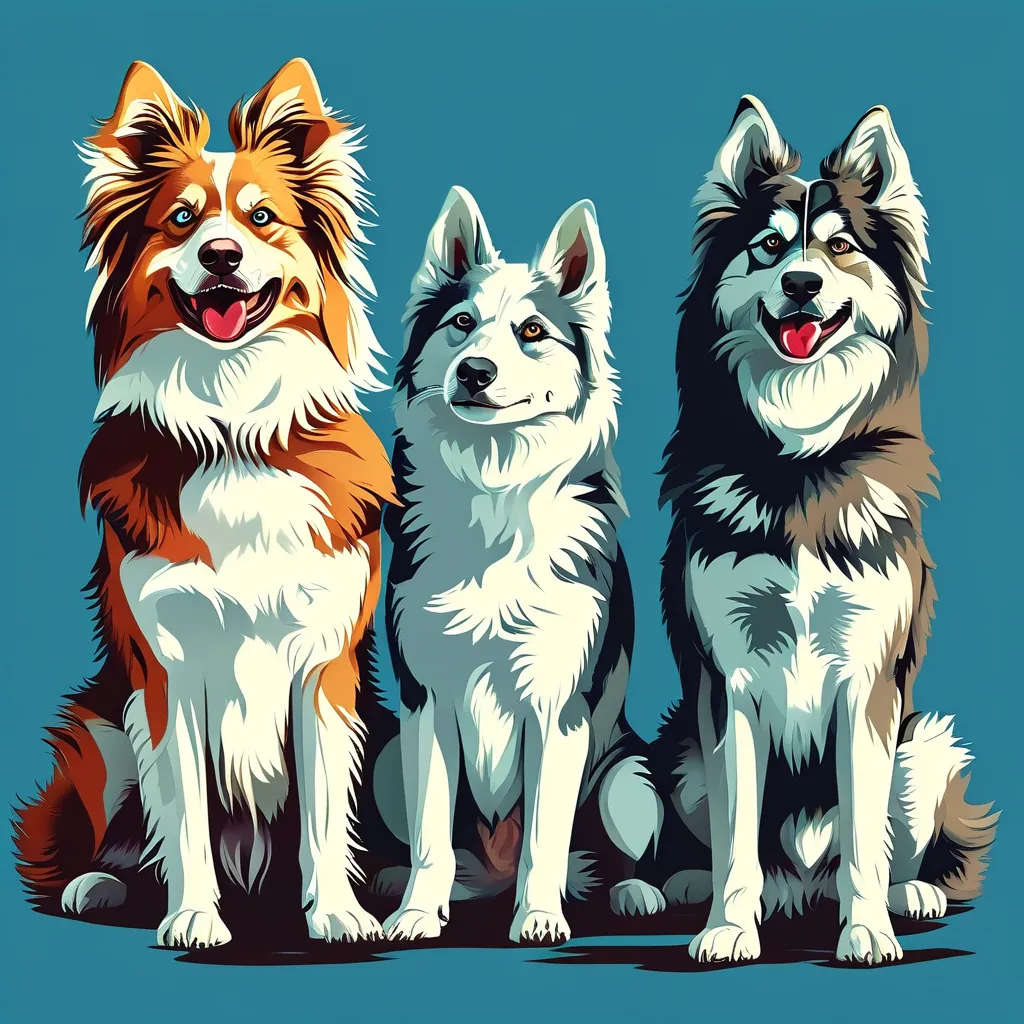 Pictures of Pomsky: Stunning, Cute & Unique Design Dog Photos
Temperament Traits: Understanding the temperament of a Pomskie is vital for potential owners. These dogs are known for their:
- Playful and Energetic Nature: They inherit the Husky’s love for play and activity. Pomskies are not typically lap dogs that just sit quietly; they require regular exercise and mental engagement.
- Intelligent and Curious: Both parent breeds are intelligent, so Pomskies are quick learners but can also be independent thinkers. They enjoy figuring things out and exploring their environment.
- Sociable and Affectionate: Generally, they are friendly, outgoing, and enjoy the company of people and other pets. Their Husky ancestry gives them a confident and sometimes mischievous streak.
- Vocal: Like Huskies, Pomskies can be vocal and might howl, bark, or yap, especially if they sense something interesting outside or if they are bored.
- Puppy-like Appearance: This is a key characteristic. Many Pomskies retain a juvenile look well into adulthood, with floppy ears, a soft coat, and expressive eyes, making them seem much younger than their age.
Temperament, Training, and Living Needs for Pomskie Owners
While their appearance is undeniably charming, owning a Pomskie requires understanding their specific needs regarding training, exercise, and living environment.
Training Considerations: Training a Pomskie can be a rewarding experience due to their intelligence. However, their independent nature means they aren’t always eager to please, which can sometimes make training a challenge. Consistency, patience, and positive reinforcement techniques are key. Early socialization is crucial to ensure they grow up to be well-adjusted and friendly dogs. Because they are a mix, they can inherit traits from either parent. Some may be relatively easy to train, while others might display the Husky’s stubborn streak. Obedience training and consistent household rules are highly recommended. What is a Pomsky? Adorable Pictures & Complete Info Inside
Exercise Requirements: Pomskies are an energetic breed, particularly due to their Husky influence. They need regular physical activity to maintain a healthy weight and happy disposition. Daily walks, playtime, and opportunities for running in a safe, enclosed area are essential. Without sufficient exercise, Pomskies can become bored and develop destructive behaviors. Their intelligence also means they benefit greatly from interactive toys and activities that challenge their minds.
Social Needs and Compatibility: Pomskies thrive in environments where they are valued members of the family. They generally get along well with children and other pets if properly socialized from a young age. Their Husky background means they can be quite vocal and might not be the best choice for neighbors who are sensitive to noise. They appreciate being part of the family activities and enjoy the company of their human companions.
Health and Care Considerations: As a mixed breed, Pomskies don’t typically suffer from a single breed-specific genetic disorder, but they can inherit health issues common to either Pomeranians or Siberian Huskies. Responsible breeding practices aim to minimize health risks. Potential concerns include hip dysplasia, eye problems (like Progressive Retinal Atrophy), dental issues, and patellar luxation. Regular veterinary check-ups, a balanced diet appropriate for their size and age, and preventative care (like regular dental cleanings) are vital.
Grooming Needs: Pomskies have a double coat that requires significant grooming. Their fluffy fur is prone to matting, especially around the legs, chest, and tail. Regular brushing, several times a week, is necessary to prevent tangles and reduce shedding. Professional grooming every few months is also recommended. Their eyes, being prominent, also need regular cleaning to prevent tear staining.
Conclusion: Is a Pomskie the Right Choice for You?
The Pomskie is undoubtedly a captivating and popular designer dog breed. Their unique blend of looks – inheriting the fluffiness of a Pomeranian and the striking features of a Husky – combined with their generally friendly and energetic personality, makes them incredibly appealing. They possess a charmingly “puppy-like” quality that can endear them to owners for years.
However, owning a Pomskie