The All-White Pomsky: Pure White Breed Info & Photos
Welcome to the vibrant world of the Pomsky, a relatively new entrant to the canine scene that has quickly captured the hearts of dog lovers everywhere. As a designer breed, the Pomsky combines the charming, spirited nature of the Pomeranian with the striking beauty and energetic demeanor of the Siberian Husky. While the Pomsky’s appeal lies in its unique coat colors and patterns, there’s a particular fascination surrounding the **all white pomsky information** – the enchanting sight of this fluffy bundle bathed entirely in pristine white. If you’re captivated by the idea of owning a pure white companion or simply seeking comprehensive knowledge about this specific variation, you’ve come to the right place.
Understanding the Pomsky: A Brief Overview
Before delving into the specifics of the all-white coat, let’s briefly touch upon the breed itself, as understanding the parent breeds is key to appreciating the Pomsky’s characteristics. The Pomsky is the result of crossing a Pomeranian, a small, toy-sized spitz breed originating from the Baltic coast, known for its dense undercoat and fox-like appearance, with a Siberian Husky, a larger, working breed from Siberia, renowned for its wolf-like features, striking coat patterns, and independent nature.
While the Pomsky is a relatively recent creation, typically dating back to the early 2000s, its popularity has exploded due to its hypoallergenic potential (though often a myth), its adorable appearance, and its generally good temperament. Prospective owners are often drawn to images showcasing the breed’s unique features, including the sought-after **all white pomsky information**. These dogs typically stand between 10 to 15 inches tall at the shoulder and weigh anywhere from 20 to 30 pounds, depending on lineage and genetics. Their most defining characteristic is their dense, double-coated, silky fur, which requires regular grooming to maintain its health and beauty.
All-White Pomsky: Appearance and Genetics
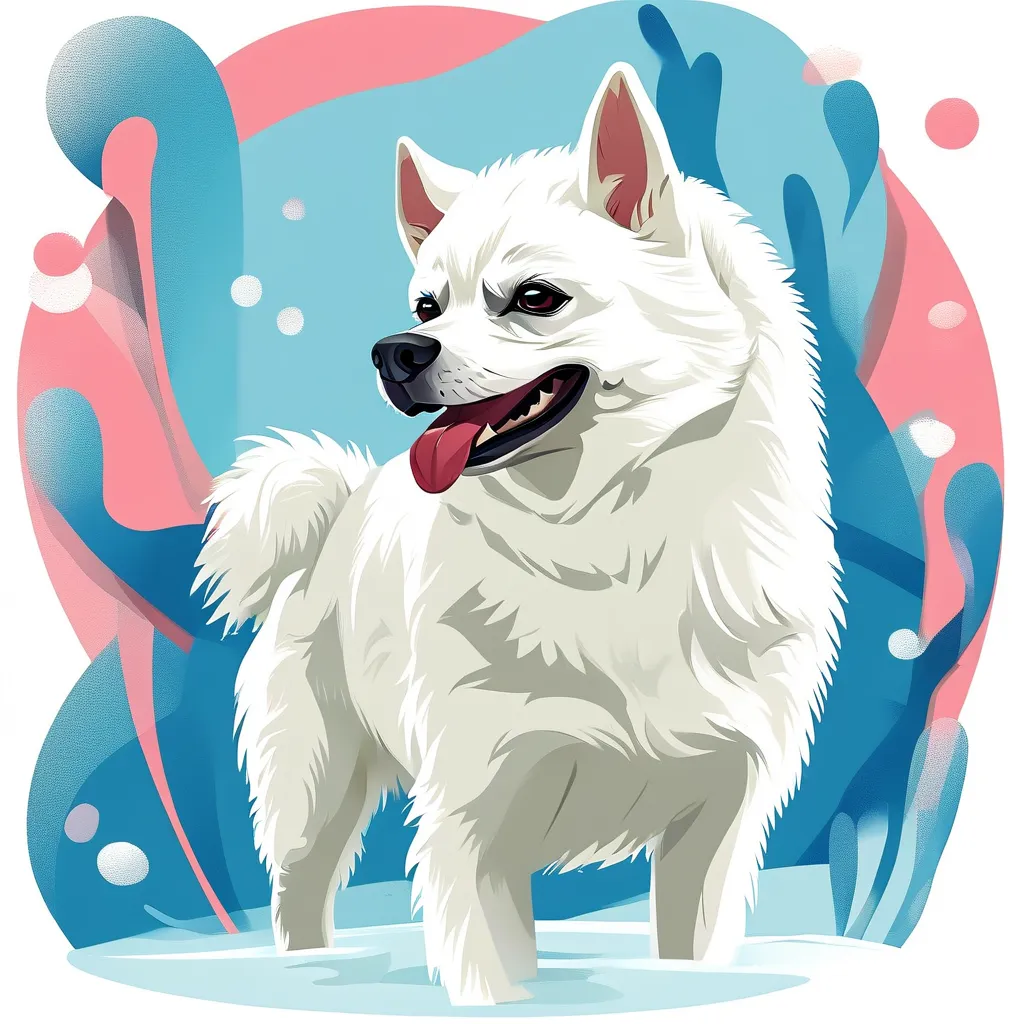
The allure of the **all white pomsky information** is undeniable. Imagine a Pomsky, typically known for its mix of colors and patterns, transformed into a miniature cloud of pure white. This striking appearance is the result of specific genetic factors. It’s essential to understand that “all white” in the context of Pomskies usually refers to a coat that is predominantly white, potentially with minimal markings.
The genetics behind coat color in dogs, including the Pomsky, are complex and involve multiple genes interacting. The piebald gene is often cited in connection with white spotting, which can result in a dog having large areas of white. For a Pomsky to achieve a near-complete white coat, it typically requires inheriting specific alleles (gene variations) from both parent breeds that promote extensive white pigmentation. Often, one or both parent dogs in the original breeding would themselves be heavily marked or piebald, carrying these genes.
It’s crucial to note that the term “all white” or “solid white” can sometimes be misleading. While the Pomsky may appear white, its skin underneath might not be pink but rather a flesh tone or even a darker color. Furthermore, white markings can extend to the eyes, creating striking blue or bi-color eyes, which are characteristic of the Husky influence and sometimes seen in heavily marked white Pomeranians. Breeding for extreme white coats requires careful consideration, as intense white markings can sometimes be associated with potential health concerns, although this is not universally accepted.
Owners and breeders interested in the **all white pomsky information** often seek out lineage charts from reputable breeders, looking for ancestors with significant white markings. Reputable breeders prioritize the health and temperament of the dogs, regardless of coat color. Unfortunately, intense white coloring is not a standard recognized by major kennel clubs like the AKC, as they focus on breeds developed through natural evolution and established standards. Nonetheless, the desire for a pure white Pomsky remains a popular aesthetic choice among enthusiasts. Remember to check with your breeder about health clearances and the dog’s lineage regarding coat color genetics.
[IMAGE_PLACEHOLDER: A photo of an all-white Pomsky puppy, perhaps a few weeks old, looking fluffy and adorable.] Here are several options for an attractive article title:
1. **What Exactly IS a Pomsky? A Complete Guide to This Trendy Hybrid**
2. **Unlock the Pomsky: Your Ultimate Guide to This Unique Designer Dog**
3. **Pomsky 101: Everything You Need to Know About This Popular Breed**
4. **Beyond the Buzz: What IS a Pomsky and Why Everyone’s Talking About Them?**
5. **The Pomsky
Temperament and Personality: More Than Just Looks
While the appearance of the **all white pomsky information** certainly draws attention, the true charm of these dogs lies in their personality. Inheriting traits from both the Pomeranian and the Husky, the Pomsky generally exhibits a delightful and engaging temperament.
Energy Levels and Exercise Needs: Pomskies inherit the Husky’s energy and endurance, making them an active companion. They are not typically lap dogs confined to a small apartment, but rather dogs that enjoy being part of an active household. Daily walks, playtime, and mental stimulation are essential to keep them happy and healthy. Their intelligence means they thrive on engagement and can become destructive if left bored. The **all white pomsky information** often includes anecdotes about their playful antics and boundless energy, especially in younger dogs.
Sociability and Family Life: Pomskies are generally sociable and get along well with people of all ages, including children and other pets, particularly if introduced properly and socialized early. They retain the Pomeranian’s friendly and outgoing nature, making them excellent family companions. Their small size makes them suitable for families with limited space, but their energy level is certainly not indicative of a small lap dog. The **all white pomsky information** typically highlights their affectionate and loving nature, seeking attention from their human family members.
 Here are some options for an attractive article title incorporating “Siberian Pomsky Informational”:
1. Everything You Need to Know About the Siberian Pomsky Breed
2. The Complete Guide to the Siberian Pomsky: Facts & Care
3. Discover the Siberian Pomsky: A Detailed Breed Information Guide
4. Beyond the Poodle-Pomeranian Mix: Your Complete Siberian Pomsky Guide
5. Understanding the Siberian Pomsky: Temper
Training and Intelligence: Known for their intelligence, Pomskies are eager to please and respond well to positive reinforcement training methods. They excel in training and enjoy learning new commands and tricks. Their Husky lineage can sometimes bring a streak of independence, requiring patience and consistency from their owners. The **all white pomsky information** often emphasizes their trainability, suggesting they are quick learners when motivated by praise or play.
Vocalization: Like their Husky ancestors, Pomskies can be vocal. They might alert their owners with yaps if someone approaches the house or if they sense a threat. While they are generally not destructive barkers, their barking should be monitored and managed through proper training and environmental enrichment. Compact Canine Cutie: Your Guide to the Teacup Pomsky (Info & Commercial)
Regardless of coat color, the temperament of a Pomsky is primarily influenced by its training, socialization, and the environment provided by its owners. The **all white pomsky information** is just about looks; the personality is shaped by responsible breeding and upbringing.
[IMAGE_PLACEHOLDER: A photo showing a Pomsky interacting playfully with its owner or another person.]
Health, Care, and Living with Your All-White Pomsky
Bringing home a Pomsky, especially one with the unique **all white pomsky information** you’re seeking, is a rewarding experience. However, responsible ownership involves understanding their specific health needs and providing appropriate care.
Grooming Needs: The Pomsky’s double coat requires significant grooming attention. Regular brushing, several times a week, is necessary to prevent mats and tangles, especially around the legs, neck, and base of the tail. Professional grooming sessions every 4-6 weeks are recommended to maintain coat health and manage shedding. Neglecting grooming can lead to painful mats, skin infections, and other coat-related issues. The **all white pomsky information** often includes reminders about the commitment to grooming, as it’s a non-negotiable aspect of ownership.
Potential Health Concerns: As a relatively new breed, there isn’t a vast amount of long-term health data available for Pomskies. However, they can inherit health issues common to their parent breeds, including Pomeranians and Huskies. Potential concerns may include hip dysplasia, patellar luxation, eye problems (like Progressive Retinal Atrophy), and tracheal collapse (common in small breeds). Responsible breeders conduct health screenings on their breeding dogs. Prospective owners researching the **all white pomsky information** should inquire about the breeder’s health protocols and potentially prepare for unexpected veterinary costs.
Diet and Nutrition: Feeding a high-quality dog food appropriate for their life stage, size, and activity level is crucial. Consult your veterinarian for recommendations. Overfeeding can lead to obesity, which exacerbates many health issues, including joint problems. The **all white pomsky information** doesn’t change dietary needs, but it’s part of the overall responsibility of owning this breed.
Housing and Exercise: Pomskies adapt well to various living situations, including apartments, as long as they receive adequate exercise and mental stimulation. However, they are not sedentary dogs. Access to a securely fenced yard is ideal for playtime, given their Husky influence. Their intelligence means they also need mental challenges to prevent boredom and destructive behavior. The **all white pomsky information** focuses on appearance, but the reality of owning one requires a lifestyle that can keep them physically and mentally active.
Veterinary Care: Regular check-ups with the veterinarian are essential for maintaining your Pomsky’s health