Pomsky Fully Grown Informational: Complete Guide to Size and Weight
Welcome to your comprehensive guide on the fully grown Pomsky! If you’re considering bringing one of these enchanting crossbreeds into your home, understanding their adult size and weight is crucial. Often described as “designer dogs,” Pomskies are the charming result of breeding a Pomeranian with a Siberian Husky. While their cute puppy faces and unique personalities are undeniably appealing, knowing what to expect when they reach maturity helps you prepare adequately, whether it’s for space, training, or simply managing their care.
Understanding the Pomsky: A Hybrid Overview
The Pomsky, despite its relatively recent emergence as a popular breed, quickly captured hearts due to its teddy-bear-like appearance combined with the energetic spirit of its Husky parent. Responsible breeding started gaining traction in the early 2000s, making it a relatively new addition to the world of recognized dog breeds, though they are often kept as mixed breeds.
It’s important to remember that Pomskies are **hybrids**, not purebred dogs. This means their size and appearance can vary significantly even within the same litter, heavily influenced by the specific traits inherited from their Pomeranian and Husky ancestors. This variability is a key factor in predicting their final adult size.
Size Variations: Miniature, Standard, and Giant Pomskies
One of the most fascinating aspects of the Pomsky breed (or crossbreed) is the range of sizes they can achieve upon reaching full maturity. While generally considered small to medium-sized dogs, the final size can span several categories:
Standard Pomsky Size
The most commonly recognized category, and often the default assumption, a Standard Pomsky typically reaches its full height between **10 to 15 inches (25 to 38 cm)** at the shoulder. Weight for this size class generally ranges from **20 to 30 pounds (9 to 14 kg)**. These dogs often inherit a more balanced proportion of traits from both parent breeds, resulting in a sturdy yet agile companion.
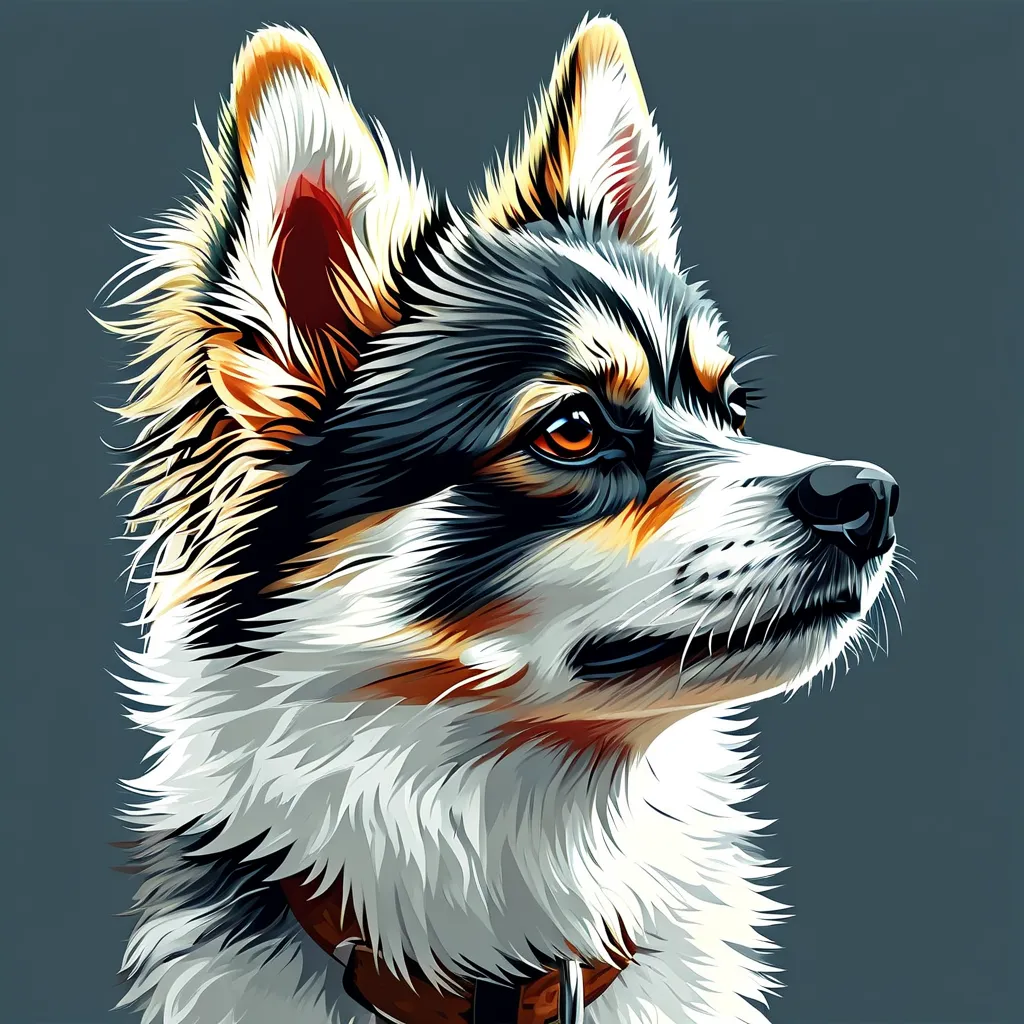 – Standard Pomsky adult photo showing medium size and proportions
Miniature Pomsky Size
For owners seeking a smaller companion, a Miniature Pomsky usually results from breeding towards dominance of Pomeranian genes or careful selection for smaller stature. These dogs typically stand **10 inches or less (25 cm or less)** at the shoulder. Their weight usually falls between **10 to 15 pounds (4.5 to 7 kg)**. Miniature Pomskies make excellent lap dogs and are well-suited for apartment living, provided they receive ample attention and exercise.
– Miniature Pomsky adult photo displaying smaller size
Giant Pomsky Size
At the other end of the spectrum, a Giant Pomsky leans more towards the Husky side of the genetics. These larger individuals can reach heights of **16 inches (41 cm) or more** at the shoulder. Their weight typically exceeds **30 pounds (14 kg)**, sometimes significantly more, potentially reaching the upper limits of small to medium breeds. While less common than Standards or Minis, Giants offer a more robust presence. Full Grown Pomsky Size Information: Height, Weight, and Growth Timeline Explained
– Giant Pomsky adult photo showcasing larger frame
Average Expectations vs. Individual Variance
While averages provide a useful benchmark, it’s crucial not to rely solely on them. As mentioned earlier, **hybrid vigor** and the specific lineage play huge roles. A litter might contain puppies destined to be Miniatures alongside others that could grow into Standards or even Giants. Always seek information from the breeder about the parents’ sizes and the puppies’ growth projections. The Complete Guide: Pomsky Full Grown Size, Weight & Appearance **Explore Adorable Pomsky Puppy Images: Your Ultimate Visual Guide**
Factors influencing size include genetics (predominantly Pomeranian vs. Husky traits), nutrition, overall health, and sometimes hormonal factors during their developmental stages. Responsible breeders will provide documentation and guidance based on lineage and expected growth patterns.
Weight: The Full Grown Pomsky Range
Weight is another critical aspect of understanding a fully grown Pomsky. Providing a healthy weight range is essential for their well-being:
Generally, a healthy adult Pomsky, regardless of size classification (Mini, Standard, or Giant), should fall within a healthy weight range that reflects their body condition score (BCS). This means you should be able to easily feel their ribs with minimal fat covering, see a visible waistline when viewed from above, and observe an abdominal tuck when viewed from the side.
Nutrition and Health Considerations
Proper nutrition during their growth phase is paramount. Overfeeding can lead to serious health issues, including hip dysplasia, joint problems, and significantly impact their adult size and weight. Consult your veterinarian for appropriate puppy food and portion control.
Being aware of a Pomsky’s potential adult size helps in assessing potential health risks associated with their size. For instance, smaller dogs might be more prone to certain orthopedic issues, while larger ones might face challenges related to their weight, such as hip problems or breathing difficulties. Regular veterinary check-ups are vital for monitoring growth and maintaining optimal health throughout their life.
Growth Timeline: From Puppy to Adult
Pomskies are considered relatively fast-growing compared to some purebred dogs, but their development can still vary:
Most Pomsky puppies experience rapid growth in the first year, reaching significant proportions by their first birthday. However, they may continue to fill out and reach their full physical maturity, particularly in height and skeletal development, up until they are **18 months to 2 years old**. Patience is key during this period. Avoid intense, strenuous exercise before they are fully grown to protect their developing joints.
– Growth chart concept (text-based representation or placeholder)
Promoting healthy growth involves:
- Feeding a high-quality puppy food appropriate for large or small breed formulas (consult breeder/veterinarian)
- Providing adequate but age-appropriate exercise (mental stimulation is equally important)
- Scheduling regular veterinary visits for health assessments and vaccinations
- Monitoring their weight regularly and adjusting diet as needed
Caring for Your Fully Grown Pomsky
Understanding the size and weight of your fully grown Pomsky allows for better preparation in terms of:
- Housing: Ensuring adequate space, whether in a home with a yard or an apartment setting suitable for their size.
- Training: Adjusting training techniques and equipment based on their physical capabilities.
- Exercise: Providing appropriate levels and types of exercise suitable for their size and energy level.
- Grooming: While coat type varies, understanding their size helps in planning grooming sessions.
- Health: Being aware of potential health issues common to their parent breeds and size category.
Regardless of their size classification, Pomskies are intelligent, active, and loyal companions. They thrive on human companionship and require regular mental and physical stimulation. Their unique blend of Husky energy and Pomeranian alertness makes them wonderful family pets, provided they are socialized properly from a young age.
Conclusion: Planning for the Adult Pomsky
Knowing the potential size and weight of a fully grown Pomsky is fundamental for responsible ownership. While averages provide a guide, the reality is that each dog is unique, influenced by genetics, breeding, and care. By understanding the spectrum of possibilities – from Miniature to Giant – and considering factors like weight management and growth timelines, you can better prepare for the arrival of your Pomsky companion.
Always consult with reputable breeders who can provide information about the specific lineage and expected size of the puppies. Once you bring your Pomsky home, work closely with your veterinarian to establish a feeding, exercise, and healthcare plan tailored to their individual needs and ensure they reach their full potential as a healthy, happy adult dog.