Meet the Black and White Pomsky: A Complete Guide
Welcome to the vibrant world of the Pomsky, a relatively new addition to the designer dog scene that has quickly captured the hearts of many dog lovers. This enchanting crossbreed, a delightful combination of the spirited Pomeranian and the majestic Siberian Husky, brings together unique physical traits and a charming personality. In this comprehensive guide, we will delve deep into the specifics of one of the most visually striking variations: the black and white Pomsky. Whether you are considering bringing one of these adorable hybrids into your home or are simply curious about this popular breed, this article provides the information you need.
What is a Pomsky? The Parentage and the Phenomenon
The Pomsky is a relatively recent phenomenon in the canine world, first appearing in the early 2000s. As a designer dog, it is a crossbreed between a small Pomeranian and a Siberian Husky. Breeders aimed to create a smaller version of the popular Husky, retaining the Husky’s affectionate nature and striking appearance, but with a more manageable size. Thanks to their unique lineage, Pomskies inherit the best traits from both parents.
Pomeranians are known for their:
- Vivacious and alert temperament
- Small size (typically 10-15 pounds)
- Dense, fluffy double coat
- Distinctive appearance featuring a curled tail and often a “smushed” face
Siberian Huskies, on the other hand, are admired for their:
- Outgoing, energetic, and friendly nature
- Powerful build and endurance
- Renowned thick coat that thrives in cold weather
- Distinctive blue or heterochromatic eyes and a howling bark
Combining these two breeds results in a dog that is often described as intelligent, playful, and incredibly affectionate. They possess the Husky’s energy and the Pomeranian’s charm, making them wonderful companions for active families and individuals. The Pomsky breed itself encompasses a wide range of colors and markings, with the black and white variation being particularly popular.
Unveiling the Black and White Pomsky: Colors and Markings
While the Pomsky can come in various colors, the black and white Pomsky is often sought after for its resemblance to the classic black and white Husky, albeit usually in a smaller package. However, the coloring in Pomskies, including black and white variations, can be quite diverse and sometimes follows patterns similar to their Husky parent.
A black and white dog will typically have a mostly black body with key points being white. These white markings can appear on various parts of the body, including but not limited to: Here are some options for an attractive article title incorporating “Siberian Pomsky Informational”:
1. Everything You Need to Know About the Siberian Pomsky Breed
2. The Complete Guide to the Siberian Pomsky: Facts & Care
3. Discover the Siberian Pomsky: A Detailed Breed Information Guide
4. Beyond the Poodle-Pomeranian Mix: Your Complete Siberian Pomsky Guide
5. Understanding the Siberian Pomsky: Temper Compact Canine Cutie: Your Guide to the Teacup Pomsky (Info & Commercial)
- Feet (commonly white)
- Face (often forming facial markings)
- Eye eyebrows (can be white or colored)
- Belly (often white)
- Tail tip (sometimes white)
- Inside of the ears
The specific pattern and extent of the white markings can vary significantly from one black and white Pomsky to another. Some may have minimal white markings confined to the face, while others might have more extensive white patches on the chest, belly, and legs.
It’s important to note that the coloring in Pomskies often follows the typical patterns seen in Huskies, but the base colors can also include gray, brown, red, or blue, combined with white. Therefore, a Pomsky with black and white coloring might sometimes also be referred to as a gray and white or black and white mix. The black and white Pomsky specifically highlights the contrast between these two colors.
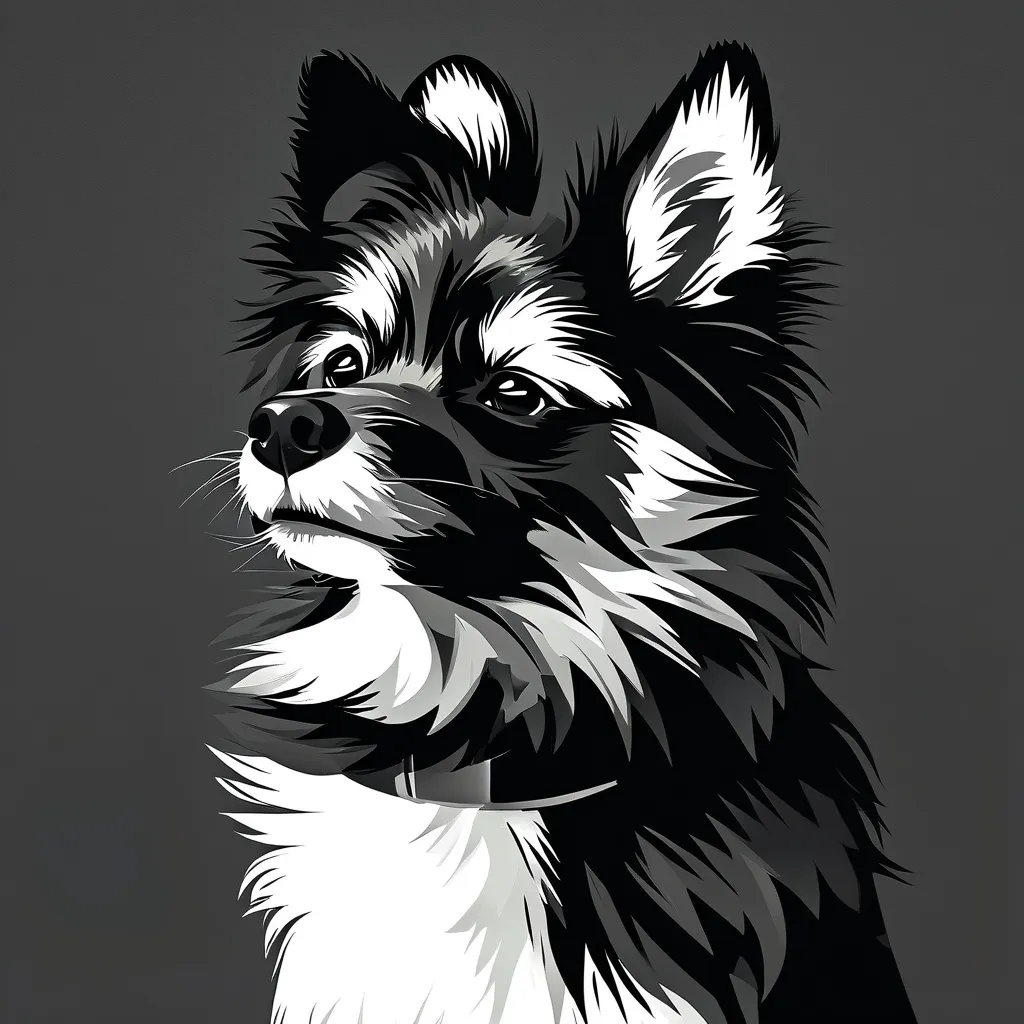 *Insert high-quality photo of a black and white Pomsky showing its coat pattern*
Understanding the genetics behind coat color and markings in designer breeds like the Pomsky can be complex. While breeders aim for specific looks, variations can occur. Responsible breeders prioritize health and temperament over specific color outcomes. The appeal of the black and white Pomsky lies partly in its unique and often striking visual appearance. Here are several options for an attractive article title:
1. **What Exactly IS a Pomsky? A Complete Guide to This Trendy Hybrid**
2. **Unlock the Pomsky: Your Ultimate Guide to This Unique Designer Dog**
3. **Pomsky 101: Everything You Need to Know About This Popular Breed**
4. **Beyond the Buzz: What IS a Pomsky and Why Everyone’s Talking About Them?**
5. **The Pomsky
Physical Traits and Temperament of the Black and White Pomsky
Beyond their coat colors, the black and white Pomsky inherits a blend of physical and personality traits from its parent breeds.
Physical Characteristics
Pomskies are generally a small breed, typically weighing between 10 to 20 pounds and standing about 9 to 14 inches tall at the shoulder. Their coat is one of their most defining features – they have a dense, double coat that is usually soft and fluffy, sometimes described as “velvety.” This double coat helps them adapt to various climates, although they are generally better suited to cooler weather.
- Coat Texture: Silky and fluffy, requiring regular grooming.
- Coat Colors: While the focus here is black and white, their coats can also feature shades of gray, cream, brown, or red, often combined with white.
- Size: Compact and sturdy build.
- Features: Often possess the characteristic “smushed” face of the Pomeranian and the blue eyes or heterochromia of the Husky.
Temperament and Personality
The temperament of the black and white Pomsky is a fascinating blend. They are known for being:
- Intelligent and Energetic: Inheriting the working instincts of the Husky and the cleverness of the Pomeranian, they require mental stimulation and regular exercise.
- Affectionate and Loyal: They form strong bonds with their families and enjoy being involved in household activities.
- Social Butterflies: Generally get along well with people and other pets, but they can be vocal and might inherit the Husky’s tendency to howl, especially in response to certain sounds.
- Playful and Mischievous: Their playful nature makes them entertaining companions, but they can also be mischievous if bored.
*Insert high-quality photo of a black and white Pomsky interacting with its owner or playing/Exercise*
It’s crucial for potential owners to understand that the Pomsky is not a lapdog. While they enjoy cuddle time, they need space and respect. Their intelligence means they can be trained effectively but also requires consistent and positive reinforcement methods. Early socialization is key to ensuring they develop into well-behaved adult dogs. The black and white Pomsky is simply one beautiful example of this captivating breed’s potential.
Caring for Your Black and White Pomsky
Bringing a black and white Pomsky into your home is a rewarding experience, but it comes with specific responsibilities regarding their care. Understanding their needs in terms of exercise, training, grooming, and health will help ensure they live a happy and healthy life.
Exercise and Training Needs
Due to their Husky lineage, Pomskies have moderate to high energy levels. They require regular physical activity to burn off energy and prevent boredom-related behaviors. Daily walks, playtime, and opportunities for running in a safe, enclosed area are essential.
- Daily Exercise: Aim for at least 30-60 minutes of exercise daily. This can include walks, hiking, playing fetch, or agility training.
- Mental Stimulation: These intelligent dogs need mental challenges. Puzzle toys, training sessions, and learning new commands can help keep their minds sharp.
Grooming Requirements
The Pomsky’s double coat requires regular and consistent grooming to prevent matting and maintain skin health.
- Brushing: Aim to brush your black and white Pomsky at least 2-3 times per week, more frequently during shedding seasons. A slicker brush and/or pin brush work well.
- Bathing: Bathe only when necessary, using a dog-specific shampoo. Over-bathing can strip the
References