How to Know If Your Pomsky Will Get Bigger: An Informational Guide to Size Prediction
Choosing a Pomsky, the delightful crossbreed between a Pomeranian and a Siberian Husky, is an exciting step for any prospective owner. These small-to-medium-sized companions are known for their energetic personalities and unique appearance. However, one common question that arises, especially for new owners, is: **how to know if a Pomsky will get bigger**? Understanding the potential size your Pomsky will reach is crucial for proper planning regarding their living environment, training, exercise needs, and overall care. While genetics play a significant role, several factors and methods can help you make an informed prediction about your Pomsky’s adult size.
Understanding the Pomsky: A Size Primer
Before delving into prediction methods, it’s helpful to understand the parent breeds that influence the Pomsky’s potential size. Pomeranians are a small breed, typically weighing between 3-7 pounds (1.4-3.2 kg) and standing 7-11 inches (18-28 cm) tall at the shoulder. On the other hand, Siberian Huskies are a medium-sized breed, generally weighing 35-60 pounds (16-27 kg) and reaching heights of 20-23 inches (51-58 cm) at the shoulder.
A Pomsky inherits traits from both parents, leading to a wide range of potential sizes. Some Pomskies lean towards the smaller end, resembling their Pomeranian influence, while others may grow closer to the larger size of their Husky lineage. It’s important to note that **Pomskies are generally smaller than Siberian Huskies**, though they can vary significantly in stature and weight. Adult Pomskies typically range from 10 to 16 inches (25-41 cm) in height at the shoulder and weigh anywhere from 15 to 30 pounds (7-13.6 kg), although weights outside this range, particularly the upper end, are not unheard of and often fall under the category of a “large” or “giant” Pomsky. Knowing **how to know if a pomsky will get bigger** involves understanding this inherent variability.
Factors Influencing Pomsky Size
Several factors contribute to the final size of your Pomsky. While genetics are the most significant determinant, other elements play a role in whether a Pomsky reaches its predicted potential or experiences variations.
Genetics: This is the primary factor. The size of the parents, particularly the lineage of the Pomeranian and Husky used in breeding, strongly influences the potential size of the Pomsky litter. Responsible breeders often maintain detailed records of previous litters’ sizes to predict the range for future puppies.
Gender: Generally, female Pomskies tend to be slightly smaller than males, although individual variation exists within both genders. When discussing **how to know if a pomsky will get bigger**, gender can be a minor indicator, but it’s not a definitive predictor.
Nutrition and Care: Providing balanced nutrition during the critical growth periods is essential. Overfeeding can lead to excessive weight gain and potentially contribute to a larger adult size than genetically predetermined. Conversely, undernutrition can stunt growth. Regular veterinary check-ups ensure your Pomsky is developing healthily. Good overall care supports proper development. This aspect is directly related to understanding **how to know if a pomsky will get bigger**, as optimal care allows genetic potential to be realized appropriately.
Prenatal Development: The size of the litter and the mother’s health during pregnancy can impact the initial growth trajectory of the puppies. While this doesn’t drastically alter the potential adult size, it can influence early development patterns.
Methods to Predict Pomsky Size: Knowing When They Stop Growing
While no prediction is 100% foolproof, several methods can provide valuable insights into your Pomsky’s likely adult size. The key to accurately knowing **how to know if a pomsky will get bigger** lies in using these methods in conjunction with information from the breeder. How Big Does a Pomsky Get? Your Complete Size Guide for the Adventure Awaits Fully Grown Pomsky Size & Info: Everything You Need to Know About Your Adult Companion
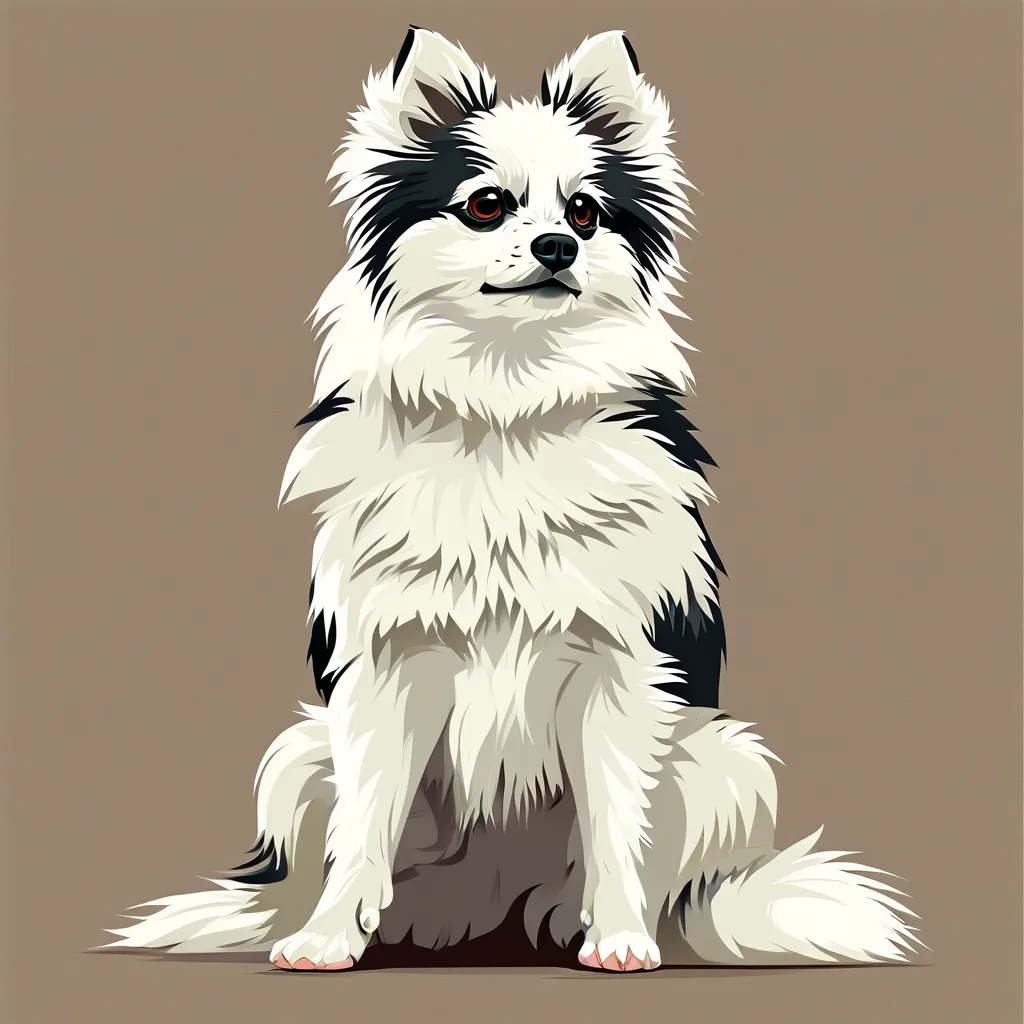 How Big Do Pomskies Grow? A Guide to Their Size Range
Consulting the Breeder: This is often the most reliable source of information. Reputable breeders take the time to understand the lineage and genetics involved. They should be able to provide details based on previous litters from their own breeding program. They might even have a growth chart tracking the development of past puppies. Ask specific questions about the sire and dam’s sizes, the average size range for Pomskies from their pairings, and the expected timeline for size stabilization. A knowledgeable breeder can offer a realistic estimate of your Pomsky’s potential size and clarify **how to know if a pomsky will get bigger** for your specific puppy.
Growth Charts and Measurement: Tracking your Pomsky’s growth provides tangible data. Start measuring your puppy’s height (from the ground to the top of the shoulder) and length (from the base of the tail to the tip of the nose) regularly, especially during the first year. You can create a simple chart or use a puppy growth tracking app. Keep records of weight measurements as well. While this doesn’t predict the absolute final size, it helps you understand the rate of growth and provides data points to compare against breed averages or breeder predictions.
Examining Physical Characteristics: While not a precise science, certain physical traits can offer clues, particularly in the early stages.
- Body Structure: Observe the proportions. A Pomsky with a more compact, sturdy build might lean towards the smaller end, whereas a longer-bodied, leaner frame might suggest a larger potential.
- Coat and Bone Density: Some believe that bone density and coat thickness can be indicators, though this is less scientifically validated. A puppy that seems particularly large-boned might have a higher potential for reaching a larger adult size.
- Parental Comparison: Comparing your Pomsky puppy to the current adult sizes of the sire and dam (if known) can provide a rough idea of the potential range. If the parents are significantly larger or smaller than typical Pomskies, their offspring are likely to follow a similar pattern.
Growth Stages: Understanding the typical growth timeline is crucial for knowing **how to know if a pomsky will get bigger**.
- Puppy Stage (0-7 months): This is the period of rapid growth. By around 7 months of age, most Pomskies will have reached close to their final height and body length. This is often considered the time when you can start getting a clearer picture of their adult frame.
- Maturation Stage (Months 7-12): During these months, the Pomsky fills out into their adult weight. Muscle development and fat deposits occur, leading to a solid, mature appearance. By the time your Pomsky turns 12 months old, they are typically very close to, or at, their final adult size and weight. It’s important to keep them at a healthy weight during this filling-out phase.
- Final Size Stabilization (12 months onwards): By 18 months, most Pomskies are fully grown. Individual variations can occur, but they should be minimal after this point.
Interpreting Size Predictions: Small, Medium, or Large Pomsky?
Once you have gathered information from breeders and monitored your Pomsky’s growth, you can start categorizing their predicted size. While definitions can vary, a general guideline is:
- Small Pomsky: Typically under 14 inches (35.5 cm) at the shoulder and weighing less than 20 pounds (9 kg).
- Medium Pomsky: Usually between 14-16 inches (35.5-40.5 cm) in height and weighing 20-25 pounds (9-11.3 kg).
- Large Pomsky: Often 16 inches (40.5 cm) or taller and weighing 25-30 pounds (11.3-13.6 kg). Anything significantly larger, potentially over 30 pounds (13.6 kg), might be considered a “giant” Pomsky.
Knowing **how to know if a pomsky will get bigger** involves understanding that while a prediction can be made, there will always be some variation. The breeder’s estimate gives a range based on genetics, your measurements show the actual development, and physical characteristics offer additional, albeit less precise, indicators.
Remember that even