How Big Does a Pomsky Get? Your Complete Size Guide for the Adventure Awaits
Welcome, adventurous pet enthusiasts and future Pomsky parents! If you’re captivated by the sight of a fluffy, blue-eyed companion that’s part Pomeranian and part Siberian Husky, then you’ve likely come across the delightful Pomsky. This popular designer dog breed, born from the imaginative union of two distinct breeds, has stolen countless hearts with its charming personality and striking appearance. But amidst the excitement of their adorable looks and energetic nature, one crucial question often arises: How big does a Pomsky get? Understanding the potential size of this mixed breed is vital for responsible ownership, ensuring their living environment, training, and care align perfectly. This comprehensive guide delves deep into the world of Pomsky size, exploring the factors that influence their growth, providing realistic expectations, and helping you determine if this unique hybrid fits comfortably into your life.
Decoding the Pomsky Size Range: What’s Typical?
First things first, let’s establish some general expectations. As a hybrid breed resulting from crossing a small Pomeranian with a larger Husky, the Pomsky typically falls into the **small to medium** size category. It’s important to remember that “medium” can be a relative term in the canine world, especially when dealing with mixed breeds. While generally smaller than a pure Husky, a Pomsky can still vary significantly in size compared to a purebred Pomeranian.
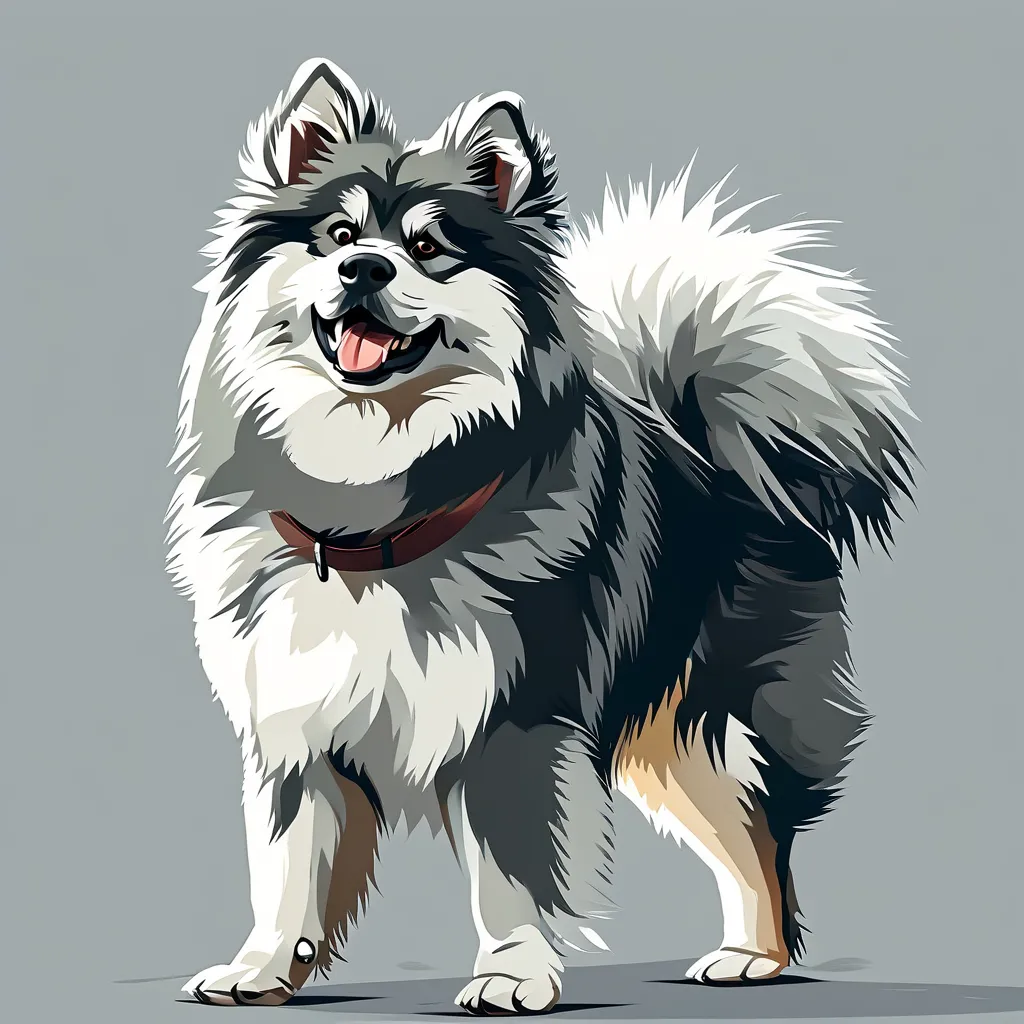
The most commonly cited **height** range for an adult Pomsky is approximately **10 to 15 inches (25 to 38 cm)** tall at the shoulder. Many sources place the upper limit of their potential height slightly higher, sometimes mentioning up to **18 inches (46 cm)** in exceptionally large individuals, though this is less typical for the breed standard and leans more towards the Husky side. Weight is equally telling. Adult Pomskies usually weigh between **20 and 30 pounds (9 to 14 kg)**. Some exceptionally large specimens might approach the 35-40 pound mark, but this is often considered the upper echelon for the breed.
Think of it this way: imagine blending the tiny frame of a Pomeranian (typically 7-11 inches and 3-7 pounds) with the substantial build of a Husky (usually 20-23 inches and 35-60 pounds). The resulting Pomsky occupies the middle ground, but the specific midpoint depends heavily on which genes dominate and which parent the puppy more closely resembles.
Size Categories Explained
To better understand where your Pomsky might fit, consider these general size brackets, although individual variation is always possible:
* **Teacup Pomsky:** The smallest variation, typically under 20 pounds and potentially as low as 10-12 inches. These are often the result of breeding for the smaller Pomeranian traits.
* **Miniature Pomsky:** Usually weighs between 20 and 30 pounds and stands 10 to 14 inches tall. This is perhaps the most common size category for family pets.
* **Standard Pomsky:** Often referred to simply as a Pomsky, this category generally includes dogs weighing 25-35 pounds and standing 12-15 inches tall. These dogs have more energy and might require slightly more space and attention.
Remember, these categories are not rigid standards but helpful guides. A Pomsky intended to be a lap dog might lean towards the smaller end, while one bred for companionship without a specific size target could fall anywhere within the typical range.
Factors Influencing Your Pomsky’s Final Size
The “average” Pomsky size is a useful starting point, but reality is often messier. Several key factors determine whether your Pomsky leans towards the smaller or larger end of the spectrum:
Genetics: The Most Powerful Factor
Genetics play the most significant role in determining a dog’s ultimate size. This is where the basic principle of “daddy issues” applies! If the Pomsky puppy inherits a larger frame and growth pattern from the Husky parent, they are more likely to grow bigger. Conversely, inheriting genes from the smaller Pomeranian will naturally predispose them to a smaller stature. Responsible breeders will often select parent dogs whose size expectations align with the desired outcome for the litter, but even then, individual variation exists. Knowing the approximate sizes of the specific parents can offer valuable clues about the potential size range of the puppies.
Diet and Nutrition: Fuel for Growth
Providing the right nutrition during the critical growth phases is absolutely essential. A high-quality, balanced diet specifically formulated for large or medium breed puppies supports healthy development without excessive weight gain. Overfeeding, especially during puppyhood, is a primary contributor to dogs becoming too large for their genetic potential. Conversely, undernourishment during growth can lead to stunted development, but this is also detrimental to health. Consistent, measured portions based on the puppy’s age, breed, and activity level, guided by veterinary advice, are crucial.
Exercise: Building Muscle and Bone
Regular, appropriate exercise isn’t just about burning off energy; it’s vital for healthy bone and muscle development in growing dogs. Moderate, controlled exercise helps ensure proper skeletal alignment and prevents developmental issues like hip dysplasia. However, intense, high-impact exercise, especially during the rapid growth phases of adolescence, should be avoided as it can put excessive strain on developing bones and joints. A balanced exercise routine contributes to a dog reaching its genetically predetermined size in a healthy manner. What Size Will Your Pomsky Be? A Guide to Their Average Weight
Health and Well-being
Underlying health conditions can sometimes impact a dog’s final size. Issues affecting nutrient absorption or metabolism might influence growth patterns. Regular veterinary check-ups are essential not only for overall health but also to monitor growth and ensure there are no medical reasons hindering proper development. Prompt attention to any health concerns is key. The Complete Guide: Pomsky Full Grown Size, Weight & Appearance
Neutering/Spaying Timing
The timing of neutering or spaying can influence a dog’s size and growth trajectory. Some studies suggest that performing the procedure too early, before full physical maturity, might affect skeletal development and potentially lead to a slightly larger adult size in some breeds. Discussing the optimal timing with your veterinarian is recommended, considering the breed’s typical maturity age. Full Grown Pomsky Size Information: Height, Weight, and Growth Timeline Explained
Potential for Weight Gain
As tempting as it is to indulge your growing puppy, managing their weight is critical for maintaining a healthy size. Pomskies, like many breeds, are prone to weight gain if their diet isn’t carefully monitored and they don’t receive enough exercise. A healthy weight is crucial for joint health, longevity, and overall well-being. Ensuring portion control and regular activity is key throughout their life, not just during puppyhood.
Size Considerations for Pomsky Ownership
Understanding the potential size of your Pomsky goes beyond just knowing their height and weight ranges. It directly impacts several aspects of ownership:
Living Space Requirements
While a Pomsky isn’t typically considered a giant breed, their size still needs consideration. A Standard Pomsky (potentially 25-35 pounds) will have more space needs than a Miniature (20-25 pounds). They are generally adaptable and can thrive in apartments or houses with yards, provided they receive enough daily exercise. However, if you’re looking for a strictly apartment-sized companion, focusing on a lineage known for smaller sizes (Miniature or Teacup) and maintaining a balanced diet is wise.
Grooming Needs
Pomskies inherit coat types from both parent breeds. Pomeranians have a double coat, while Huskies have a thick topcoat. The Pomsky’s coat can vary significantly – from fluffy double coats reminiscent of Poms to sleeker single coats more like Huskies, or even a combination. Regardless of the specific coat type, their double coats generally require regular brushing to prevent mats and tangles and to manage shedding, which can be substantial, especially during seasonal changes. Their size means they don’t shed quite as profusely as some giant breeds, but they still need consistent grooming care.
Temperament and Energy Levels
Size often correlates loosely with energy levels, though this isn’t a hard rule. Generally, larger dogs (towards the upper end of the Pomsky spectrum) might have slightly higher energy levels and require more vigorous daily exercise and mental stimulation compared to smaller individuals. Both sizes are intelligent, energetic, and often form strong bonds with their families. They thrive on companionship and need to be integrated into the household rather than left alone. Training and socialization are important regardless of their size.
Training and Exercise Needs
Regardless of their specific size, Pomskies are an intelligent and active breed mix. They inherit the playful and sometimes mischievous streak from both parents. They require consistent training using positive reinforcement methods and plenty of mental engagement. Regular walks, runs, playdates, and puzzle toys are essential to keep them happy and well-behaved.