How Big Do Pomskies Get? Your Complete Size & Weight Guide (Informational)
If you’re considering bringing a Pomsky into your life, one of the most common questions potential owners have is, “How big do Pomskies get?” This popular designer dog breed, a cross between a Pomeranian and a Siberian Husky, comes in various sizes, and understanding their potential adult size is crucial for proper preparation regarding space, exercise, and care. This informational guide delves deep into the factors influencing Pomsky size, provides detailed weight and height ranges, and addresses the different size variations you might encounter.
Understanding Pomsky Size: Factors That Influence Growth
While Pomskies are generally smaller than their Husky parent, their size can vary significantly due to several genetic and environmental factors. Knowing these factors helps set realistic expectations for your future furry companion.
The Genetic Blueprint: Pomeranian & Husky Influence
The size of a Pomsky is primarily determined by the genetics inherited from its two parent breeds:
- Pomeranian: Typically a small breed, usually weighing between 3 to 7 pounds (1.4 to 3.2 kg) and standing about 7 to 10 inches (18 to 25 cm) tall at the shoulder. This small gene pool generally pushes for a smaller adult Pomsky.
- Siberian Husky: A larger breed, with adult females typically weighing between 35 to 50 pounds (16 to 23 kg) and males often reaching 50 to 60 pounds (23 to 27 kg). Standing about 20 to 23.5 inches (50 to 60 cm) tall at the shoulder, the Husky gene can contribute to a larger, more substantial build.
The resulting Pomsky inherits a unique combination of these genes. Some inherit more Pomeranian traits, leading to a smaller stature, while others may inherit a larger set of Husky genes, resulting in a more imposing presence.
The Crucial Role of Responsible Breeding Practices
Breeding practices significantly impact the size and health of a Pomsky puppy:
- Line Breeding and CCG (Compatible Companion Genes): Reputable breeders often use a “Compatible Companion Genes” approach or similar responsible breeding methods. This means carefully selecting parent pairs based on health, temperament, and desired size characteristics. The goal is often to produce healthy dogs within a predictable size range, avoiding extremes that could lead to health issues.
- Health Testing: Responsible breeders perform health tests on their breeding pairs to identify and potentially eliminate genetic predispositions to certain conditions. This commitment to health often correlates with a focus on producing dogs that are not only a certain size but also structurally sound for that size.
- Puppy Size at Birth: While not a direct factor in adult size, the size of the litter puppies and their initial growth can sometimes offer clues, but this is highly variable and not a reliable indicator.
Unfortunately, irresponsible breeding can sometimes prioritize certain looks over health and typical size expectations, leading to potential size discrepancies or health problems. Always seek puppies from reputable breeders who prioritize health and responsible practices.
The Power of Nutrition and Exercise
Once a Pomsky puppy is with its new owner, nutrition and exercise play a vital role in managing its growth:
- Proper Nutrition: Feeding a high-quality, balanced puppy food appropriate for the breed and life stage is essential. Overfeeding, especially during the critical growth periods, can lead to excessive weight gain and potential health problems, regardless of the genetic potential. Underfeeding can stunt growth but is less likely to be an issue if the puppy is thriving.
- Appropriate Exercise: Regular exercise is important for all growing dogs. However, excessive or high-impact exercise during the puppy’s developmental stages can potentially affect skeletal development. Gentle, controlled exercise is generally recommended.
While genetics set the potential size range, these environmental factors can help guide the Pomsky towards a healthier version of that potential. **Unveiling the Pomsky Temperament: An Informative Guide for New Owners**
Detailed Pomsky Size & Weight: Standard, Mini, and Toy Varieties
Owners and breeders often categorize Pomskies into different size groups based on their adult dimensions. It’s important to note that these categories are somewhat fluid and depend heavily on the individual dog’s lineage and breeding goals.
The Standard Pomsky: The Most Common Size
The Standard Pomsky is typically the result of breeding aimed for a balanced mix, often closer to the smaller end of the Husky spectrum or a moderate size. They are the most frequently encountered size category.
- Height: Standard Pomskies usually stand between 14 and 20 inches (36 to 51 cm) tall at the shoulder. Some sources might list a slightly wider range, but this is a common benchmark.
- Weight: Their weight typically ranges from 15 to 30 pounds (7 to 14 kg). This is often considered the “average” or most common adult size range for the breed.
- Characteristics: They often have a more robust build compared to smaller variations and possess a coat that can be either a mix (roan) or primarily one parent’s coat color (like a Husky’s color pattern).
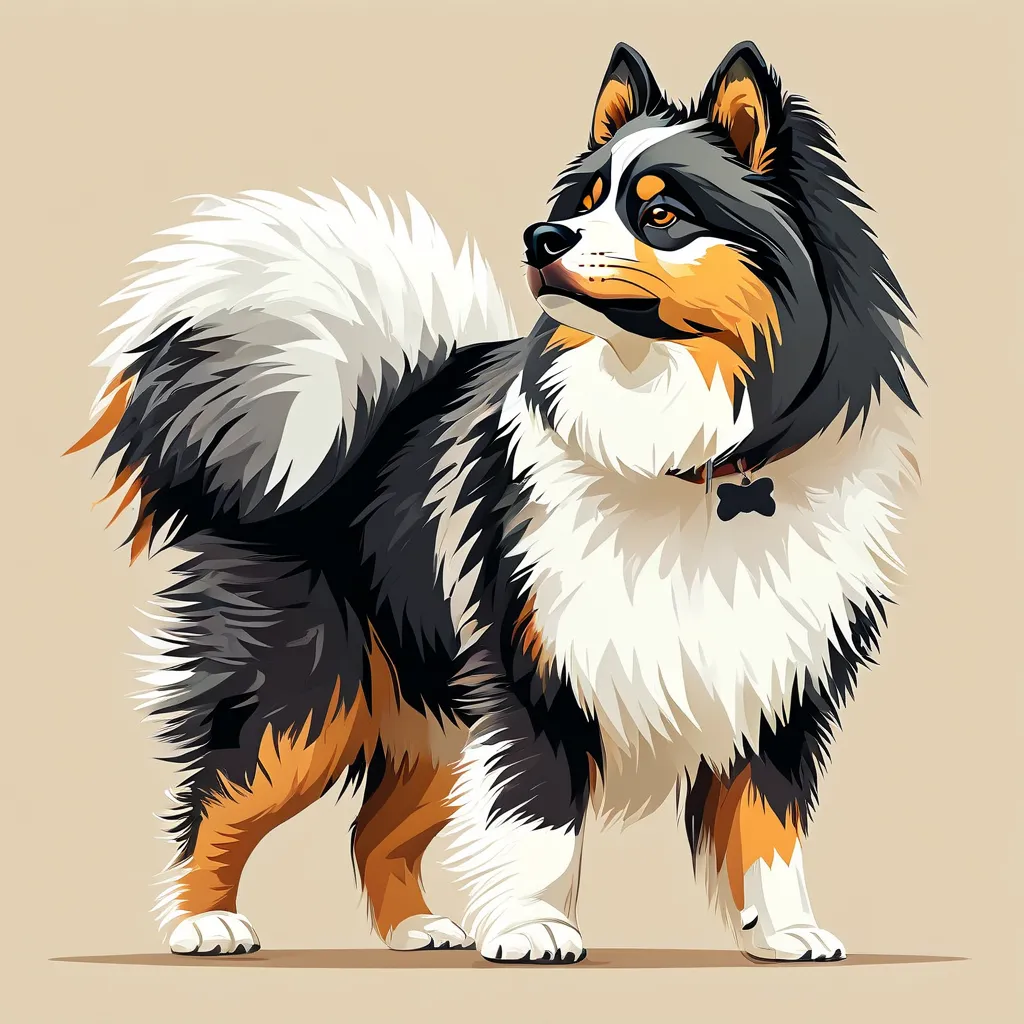 – Insert image showing a standard-sized Pomsky alongside a human for size comparison. Discover the Stunning White Pomsky: Everything You Need to Know
The Mini Pomsky: A Smaller Footprint
Mini Pomskies are generally the outcome of breeding focused on amplifying the smaller genes, often from Pomeranian lines or specific smaller Husky lines. They are popular for their compact size and are often more lapdogs. How Big Do Pomskies Grow? A Guide to Their Size Range
- Height: Miniature Pomskies typically reach heights of 10 to 15 inches (25 to 38 cm) at the shoulder.
- Weight: Their weight usually ranges from 10 to 20 pounds (4.5 to 9 kg). Some definitions might lean towards the lower end of this scale.
- Characteristics: They often retain a fluffier, Pomeranian-like coat texture and may have a more fox-like appearance compared to larger variants.
– Insert image showing a mini-sized Pomsky.
The Toy Pomsky: The Tiniest Option
Toy Pomskies represent the smallest category, often bred specifically for their diminutive size. They are excellent companions for individuals or families with very limited space.
- Height: Toy Pomskies generally stand at the shoulder between 10 and 14 inches (25 to 36 cm). Some sources specify under 12 inches.
- Weight: Their weight is significantly lower, typically ranging from 5 to 15 pounds (2.3 to 7 kg). Many Toy Pomskies fall well below the 10-pound mark.
- Characteristics: They often have a very soft, fluffy coat and a more delicate appearance. They require appropriate care to ensure they don’t become overly fragile.
– Insert image showing a toy-sized Pomsky.
How Do Pomskies Grow? A Typical Timeline
Understanding the growth stages of a Pomsky helps owners prepare for their eventual size. While individual growth patterns can vary, there are general milestones to expect.
Puppyhood (0-6 months)
This is the period of rapid growth. Pomsky puppies are born small and experience significant physical development.
- Birth to 2 weeks: Puppies are blind and deaf, relying entirely on their mother.
- 3-6 weeks: Eyes open, ears perk up, socialization begins. Puppies start teething.
- 7-12 weeks: Rapid growth continues. Socialization is crucial. Most vaccinations are completed.
- 3-6 months: Growth rate begins to slow down. Teething ends. Most physical development is complete, but they still have much to learn and grow mentally.
Teenage Years (6 months – 1 year)
This stage is often called the “growth spurt” phase for many breeds, including Pomskies.
- 6-12 months: Many Pomskies experience a significant growth surge.
References