Everything You Need to Know About a Pomsky
The name “Pomsky” evokes images of pure adorability, and for good reason. This relatively new designer dog breed, a cross between the Pomeranian and the Siberian Husky, has captured the hearts of dog lovers worldwide. Often described as “puppy-like” even as adults, their unique blend of looks and temperament makes them incredibly popular. But owning a Pomsky isn’t just about bringing home a cute-looking bundle; it requires understanding their specific needs. This guide aims to provide comprehensive information, covering everything from their origins and appearance to their personality traits and care requirements, helping you determine if a Pomsky is the right companion for you.
The Pomsky’s Origin Story
The Pomsky is a relatively recent addition to the world of mixed-breed dogs, officially recognized as a distinct designer breed. Unlike naturally occurring mixed breeds, the Pomsky was intentionally created by crossing two specific purebred dogs: the Pomeranian and the Siberian Husky. This deliberate breeding aimed to combine the best traits of both parent breeds.
Pomeranians are small, spitz-type dogs known for their fluffy double coat, often in various colors like orange, cream, white, or brown, and their alert, energetic, and sometimes feisty personality. They were originally developed as companion dogs, often used for flushing game in the 18th century before being recognized as a show breed in the 19th century. Their small size and bold appearance make them popular companion dogs today.
On the other hand, Siberian Huskies are medium to large-sized working dogs originating from Northeast Asia. They are known for their thick, weather-resistant coats (often a striking grey, white, and black), their endurance, and their friendly, outgoing, and sometimes mischievous nature. Huskies were bred for sledding in harsh arctic conditions, requiring high energy levels and a strong pack mentality.
The initial goal of breeding these two distinct breeds was primarily aesthetic – to create a dog with the Pomeranian’s cute face and fluffy coat combined with the Husky’s larger size and unique markings. Bred in the early 2000s, the Pomsky quickly gained popularity, particularly through online communities and social media, where their cute photos rapidly spread. While the specific origins are often attributed to a breeder named Lisa Pahl in the United States, the breed’s popularity surged independently. It’s worth noting that the name “Palmski” has also been used interchangeably for this crossbreed in some contexts.
Understanding the Pomsky’s background is crucial because the traits inherited from both parents influence their temperament, energy levels, coat care, and potential health issues. Responsible breeding practices are increasingly important as the breed’s popularity grows, aiming to produce healthy dogs with stable temperaments.
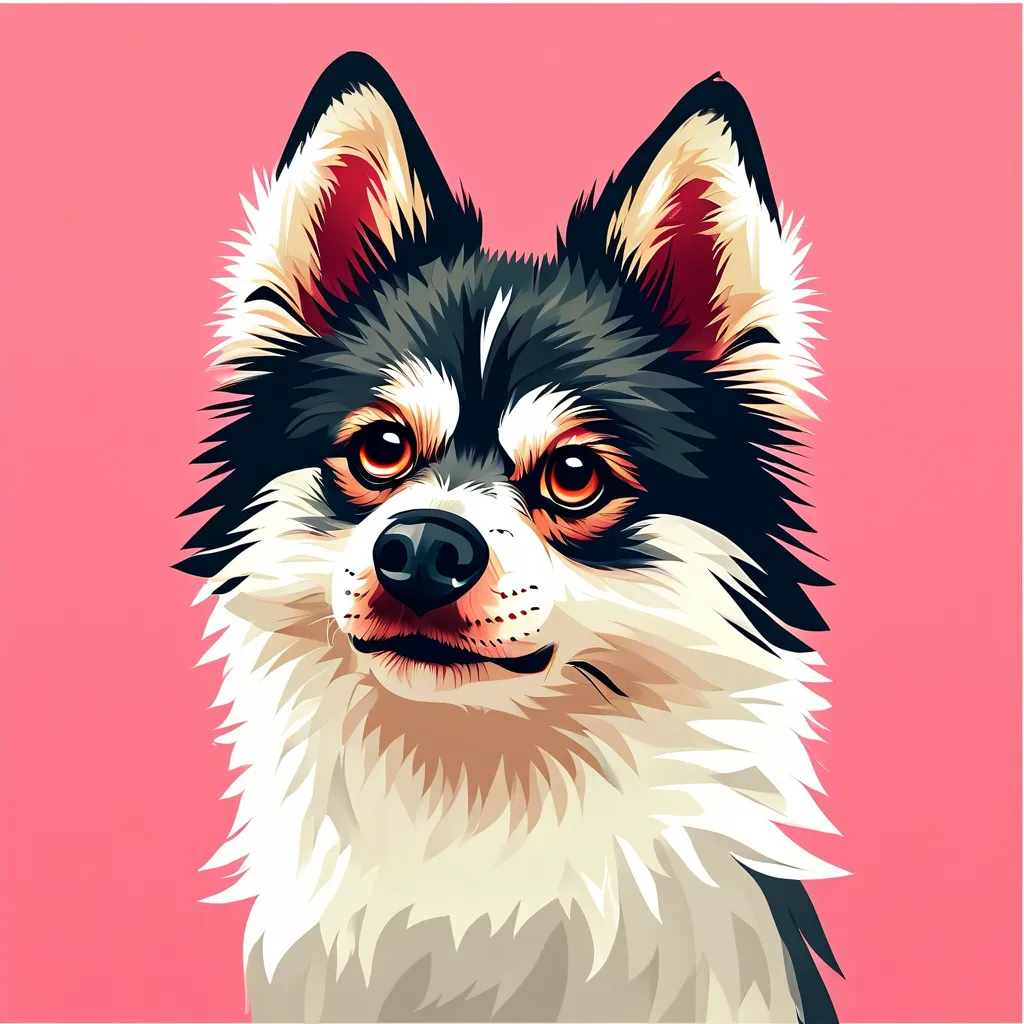
Pomsky Appearance and Physical Traits
When you see a Pomsky, the first thing that usually catches your eye is their adorable face and coat. Bred for their “puppy-like” look, Pomskies possess a unique combination of features from both parent breeds.
Size and Build
Size expectations for a Pomsky can vary significantly. They are generally considered small to medium-sized dogs. Adult Pomskies typically weigh between 10 to 25 pounds (4.5 to 11 kg) and stand about 9 to 18 inches (23 to 46 cm) tall at the shoulder. Their size can depend heavily on the lineage from the Husky and Pomeranian sides. Some Pomskies inherit the smaller Pomeranian frame, while others may be closer in size to a Husky. They usually have a sturdy, compact build, often described as wolf-like or spitz-like due to their ancestry. Pomsky Price: Your Complete Guide to Costs and Commercial Options
Coat and Colors
The Pomsky’s coat is one of their most defining features, primarily inherited from the Pomeranian. They typically have a thick, fluffy double coat that requires regular grooming. The texture can range from soft and plush (more Pomeranian-like) to slightly coarser (more Husky-like). Pomskies come in a wide array of colors and markings. Common colors include orange, cream, white, brown, black, grey, and blue. Markings can be solid, brindle (tiger-like striping), dappled (spotted), or parti-color (patches of color, often white). The Ultimate Guide to the Stunning Pomsky Red: Colors, Facts & Care
The most sought-after “puppy-like” look often features large, dark eyes (from the Pomeranian) and floppy ears (also from the Pomeranian), complemented by a fluffy tail and coat. However, as they mature, the Husky influence may become more apparent, leading to a more defined facial structure and potentially a less “puppy-dog” appearance. Despite this, the Pomsky’s coat is generally denser and more extensive than a purebred Pomeranian’s. Finding Reputable Pomsky Breeders: A Guide to Healthy Puppies
Different Coat Types
Pomskies generally have a double coat consisting of a soft, insulating undercoat and a tougher, protective outer coat. This double coat is excellent for insulation but also means they shed quite a bit year-round, especially during seasonal coat changes. Regular brushing is essential to manage shedding and prevent matting.
Temperament and Personality
One of the most frequently asked questions about Pomskies is their temperament. They are a blend of two quite different breeds, so their personality can vary. However, certain traits are commonly associated with the Pomsky.
Intelligent and Alert
Both Pomeranians and Siberian Huskies are intelligent breeds, so Pomskies inherit this intelligence. They are quick learners but can also be independent thinkers, sometimes displaying a stubborn streak, especially during training. Their intelligence also means they are alert and make decent guard dogs, though they are generally not aggressive. They tend to bark to alert their owners of strangers or unusual situations.
Energetic and Active
While bred to look like puppies, Pomskies often inherit the high energy levels of their Husky parent. They require significant daily exercise and mental stimulation. A Pomsky that is confined to a small apartment might become bored and develop destructive behaviors. They need opportunities to run, play, and engage in activities that burn off their considerable energy. Long walks, hikes, and playtime in a securely fenced yard are essential.
The Husky influence also means they have a strong prey drive and pack mentality. They see the world differently from more sedentary breeds, requiring experienced owners who understand how to channel their energy and establish themselves as the pack leader.
Social Needs
Pomskies are social dogs and thrive on human companionship. They generally get along well with children and other pets if properly socialized from a young age. However, due to their Husky ancestry, they can sometimes exhibit “zoomies” – sudden bursts of energy where they run around unpredictably, which requires supervision around smaller children or other pets.
It’s important to note that the Pomsky is **not** typically a lap dog or a “couch potato.” While they enjoy cuddling and being close to their family, they have a more active and sometimes boisterous nature. They are not suited for being left alone for long periods, as they form strong bonds and can develop separation anxiety.
Compatibility with Children
Pomskies can be good companions for families with older, gentle children. Their Pomeranian side can be protective and vocal, while the Husky side brings playfulness. Early and ongoing socialization is key to ensuring they learn appropriate interaction. Supervised play with young children is recommended, as their size and energy might be overwhelming or intimidating to very young kids.
Caring for Your Pomsky: Health, Grooming, and Training
Bringing a Pomsky into your home is a long-term commitment, typically 10-15 years or more. Proper care, including attention to health, grooming, and training, is essential for their well-being.
Health Considerations
While generally robust, Pomskies can inherit health issues from both parent breeds. Common concerns may include hip dysplasia (affecting both breeds), eye problems (like cataracts, progressive retinal atrophy – PRA, or lens luxation, more common in Pomeranians), patellar luxation, dental issues (especially in smaller breeds like Poms), and tracheal collapse (more typical of Pomeranians but possible). Responsible breeders screen for these potential conditions. Research the lineage and ask breeders about health clearances before purchasing or adopting a Pomsky.
As a relatively new designer breed, extensive long-term health data is still being gathered. Therefore, ongoing research and monitoring by owners and breeders are crucial. Regular veterinary check-ups are vital for preventative care.
Grooming Requirements
Pomskies have a significant grooming need due to their thick double coat. Regular brushing, ideally several times a week, is necessary to prevent mats from forming