Everything You Need to Know About Tiny Poms: A Mini Pomsky Facts and Guide
Welcome to the enchanting world of the Mini Pomsky! This adorable hybrid breed, a cross between a Pomeranian and a Siberian Husky, has captured the hearts of dog lovers worldwide with its striking appearance and lively personality. While often simply called Pomskies, the term “Mini Pomsky” specifically refers to the smaller end of the spectrum within this popular designer dog breed. If you’re considering bringing one of these captivating canines into your home, you’ve come to the right place. This comprehensive guide delves into everything you need to know about Mini Pomskies, covering their origins, physical characteristics, temperament, care requirements, and potential challenges. Our aim is to provide you with thorough, factual information to help you determine if a Mini Pomsky is the perfect fit for your lifestyle.
The Pomsky Origin Story: More Than Just a Trend
The Pomsky’s journey began relatively recently, around the early 2000s. Unlike many older designer breeds, the Pomsky was not intentionally created for a specific functional purpose like work or show, but rather as a result of crossing two popular purebred dogs: the Pomeranian and the Siberian Husky. This initial cross, often referred to as F1, aimed to combine the best traits of both parent breeds.
**What Defines a Mini Pomsky?** It’s crucial to understand the distinction between a standard Pomsky and a Mini Pomsky. As mentioned in the reference information, a Mini Pomsky is typically the result of crossing a smaller Pomeranian (often a companion-sized or teacup Pomeranian, though the latter is often discouraged for ethical reasons) with a Siberian Husky. This genetic combination leads to a smaller overall size compared to the typical F1 Pomsky, which can range from 10 to 20 pounds. A Mini Pomsky generally weighs between 10 and 15 pounds and stands between 8 and 12 inches tall at the shoulder. They are often considered the smaller counterpart to the standard Pomsky, sometimes colloquially called “Teacup Pomskies,” although the term “Mini” is preferred here for clarity and ethical considerations regarding breeding practices.
**Genetics and Generations:** The genetics behind the Pomsky are complex and fascinating. An F1 Pomsky is the direct cross between the two parent breeds. Subsequent generations involve breeding these F1 Pomskies back to either a Pomeranian (F1b) or a Husky (F1b), or breeding two F1 Pomskies together (F2). The ratio of Pomeranian to Husky genetics heavily influences the dog’s size, coat type, color, and temperament. A higher percentage of Pomeranian genes generally results in a smaller, more compact dog, potentially leaning towards the Mini Pomsky category. Conversely, a higher Husky percentage might result in a larger dog with more endurance and a thicker coat. Responsible breeders carefully select parent dogs to achieve desired size outcomes while prioritizing health and temperament.
**The Teacup Myth:** It’s important to be aware of the misleading term “Teacup Pomsky.” While some Mini Pomskies might indeed be very small, the relentless pursuit of the absolute smallest size by irresponsible breeders is often detrimental. Practices aimed at producing “teacup” versions can involve unethical breeding techniques, leading to severe health problems and shortened lifespans for these tiny dogs. Ethical Mini Pomsky breeders focus on producing healthy, well-tempered companions within a reasonable size range, rather than chasing an unnaturally small size. When searching for a Mini Pomsky, prioritize finding a reputable breeder who health tests their breeding stock and is transparent about the dog’s lineage and potential temperament.
Mini Pomsky Appearance and Personality: A Winning Combination
One of the most endearing aspects of Mini Pomskies is their unique and often striking appearance. They inherit the best features from both Pomeranian and Husky parents, resulting in a dog that is truly one of a kind.
The Look: Eyes, Ears, and Coat
Distinguishing Features: Mini Pomskies typically inherit the Husky’s long, fluffy tail (which may be docked or natural, depending on regional laws and breeder practice) and their characteristic almond-shaped eyes. These eyes can be blue, brown, or a mesmerizing heterochromia (two different colored eyes). They often inherit the Husky’s high set ears, which are usually erect or semi-erect, giving them an alert and expressive look. The Pomeranian influence is seen in their round face, fluffy double coat, and sometimes a “smushed” facial appearance due to the shorter muzzle.
Coat Variety:** The Mini Pomsky’s coat is a beautiful blend. They typically have a thick, insulating double coat. The undercoat is soft and dense, while the outer coat is harsh, straight, flat, or slightly wavy, and longer, especially on the back, legs, and tail. Colors are incredibly diverse, ranging from solid white, black, grey, cream, red, orange, to parti-color (patches of color). The coat texture and color can vary significantly depending on the specific genetics inherited.
Size and Build:** As mentioned, Mini Pomskies are compact and sturdy for their size. They have a proportional, well-muscled body. Their small stature makes them endearing but also important to consider for their exercise and space needs, which will be discussed later.
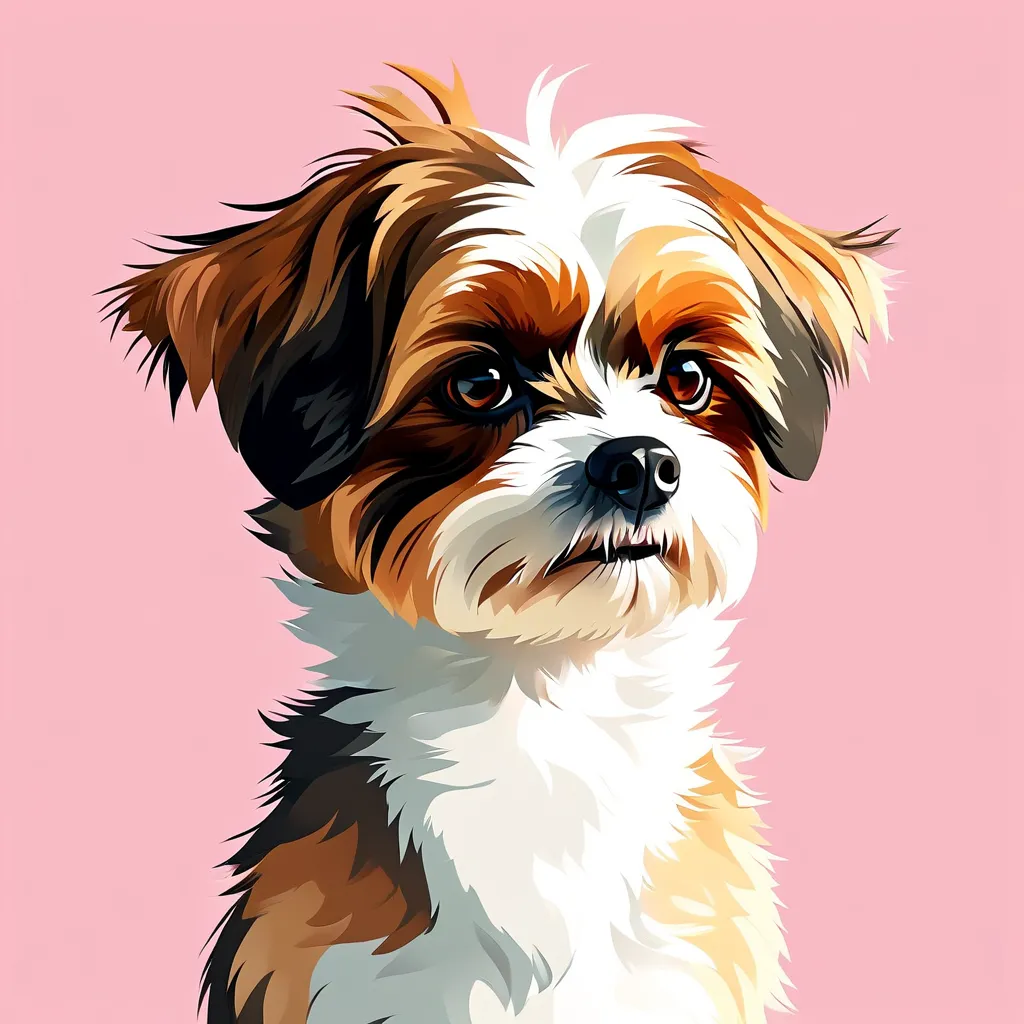 are pomsky hypoallergenic Informational – In-depth Analysis
The Temperament: Energetic, Intelligent, and Affectionate
Mini Pomskies are known for their delightful and often unpredictable temperament, largely due to the mix of their Husky and Pomeranian influences.
Intelligence and Trainability:** Both parent breeds are intelligent, making Mini Pomskies quick learners. However, they also come with their own distinct personalities. Huskies are known for their independent thinking and can be stubborn at times, while Pomeranians are alert, vocal, and can be feisty. This mix means a Mini Pomsky is generally trainable but requires consistent, positive reinforcement methods. They thrive on mental stimulation and enjoy puzzle toys and training sessions. They are not typically “floppy” dogs and possess a good deal of energy and curiosity.
Energy Levels and Exercise Needs:** How much exercise does a Mini Pomsky need? While generally smaller than a standard Husky, they still inherit the Husky’s energy and endurance. They are not lap dogs and require significant daily exercise. This includes at least 1-2 hours of vigorous activities like brisk walks, runs, hikes, playdates, or engaging games like fetch. Their intelligence means they also need substantial mental exercise to prevent boredom and potential destructive chewing. Simply being walked on a leash might not be enough; they need space to run and play. The reference question highlights this well – they likely need 2+ hours of activity daily, though some variation might depend on the individual dog’s energy level and age. [IMAGE_PLACEHOLDER: Showcasing the energetic play of a Mini Pomsky] Merle Pomsky Color Guide: Everything You Need to Know **Ultimate Guide to Blue Merle Pomsky: Everything You Need to Know**
Social Needs and Compatibility:** Mini Pomskies are social creatures and generally get along well with families, other dogs, and even cats if properly introduced. However, their Husky lineage means they can sometimes inherit a prey drive, so early and positive socialization is crucial, especially if you have smaller pets at home. They are loyal and form strong bonds with their owners but also have a strong pack instinct. They appreciate being part of a pack and can sometimes feel lonely if left alone for extended periods, though their smaller size means they might tolerate being alone slightly better than a full-grown Husky.
Vocalization:** Like their Husky parent, Mini Pomskies can be vocal. They might bark, howl, or yap to alert their owners or express excitement, demand attention, or if they feel insecure. While not excessively loud like some breeds, they are not silent companions.
Caring for Your Mini Pomsky: Health, Diet, and Training
Owning a Mini Pomsky is a rewarding experience, but it comes with specific responsibilities. Their unique needs require careful attention to diet, health, grooming, and training.
Diet and Nutrition
Mini Pomskies, despite their small size, have high energy levels and metabolisms. Provide them with high-quality dog food appropriate for their age, size, and activity level. Look for food with quality protein sources as the primary ingredient. Consult your veterinarian to determine the best diet plan and portion sizes. Overfeeding can lead to health problems and contribute to their already potentially high exercise needs. Ensure fresh water is always available. [IMAGE_PLACEHOLDER: A Mini Pomsky enjoying a meal]
Grooming Needs: Double Coat Management
The Mini Pomsky’s double coat requires regular care to prevent mats and maintain skin health. Brushing should be a daily or at least weekly activity. Use appropriate brushes or combs to remove loose undercoat and prevent tangles in the outer coat. During shedding seasons (typically spring and fall), increased brushing is essential. Regular nail trimming, ear cleaning, and dental care are also vital parts of their grooming routine. Their eyes