Everything You Need to Know About the Pomsky Husky Mix: A Rare Hybrid Guide
Imagine a dog with the boundless energy and striking blue eyes of a Siberian Husky combined with the charming, fluffy coat and compact size of a Pomeranian. This adorable combination isn’t just a figment of imagination; it’s the Pomsky Husky mix, a relatively new and rapidly popular designer dog breed captivating hearts worldwide. Often simply called a Pomsky, this crossbreed has surged in popularity, but beneath the cute exterior lies a complex hybrid requiring careful consideration.
The Genesis: What is a Pomsky and How Did It Happen?
The Pomsky, as its name suggests, is the result of breeding a Pomeranian with a Siberian Husky. The exact lineage can vary, but the foundation is consistently these two distinct breeds. While the initial crossbreeding aims to create a smaller, more manageable version of the Husky, the Pomsky itself is not typically bred back to its original parents in a controlled “designer dog” program. Instead, as the breed’s popularity grew, enthusiasts and sometimes unregulated breeders began breeding two Pomskies together or back to one of the parent breeds (Pomeranian or Husky) to establish specific lines or desired traits. This practice, however, can introduce greater unpredictability compared to the original first-generation (F1) mix.
The primary goal in creating the Pomsky was likely to produce a dog that inherited the best qualities of both parents: the Husky’s energy and vocal nature with the Pomeranian’s smaller size and potentially more vocal disposition. The result is a dog that is often described as being “big in personality, small in stature.” It’s crucial for anyone considering this breed to understand that the Pomsky is a hybrid, not a recognized purebred by major kennel clubs like the American Kennel Club (AKC). Its status as a “designer dog” means its traits can vary significantly depending on the specific genetics inherited from its parents.
Physical Appearance and Temperament: The Pomsky Experience
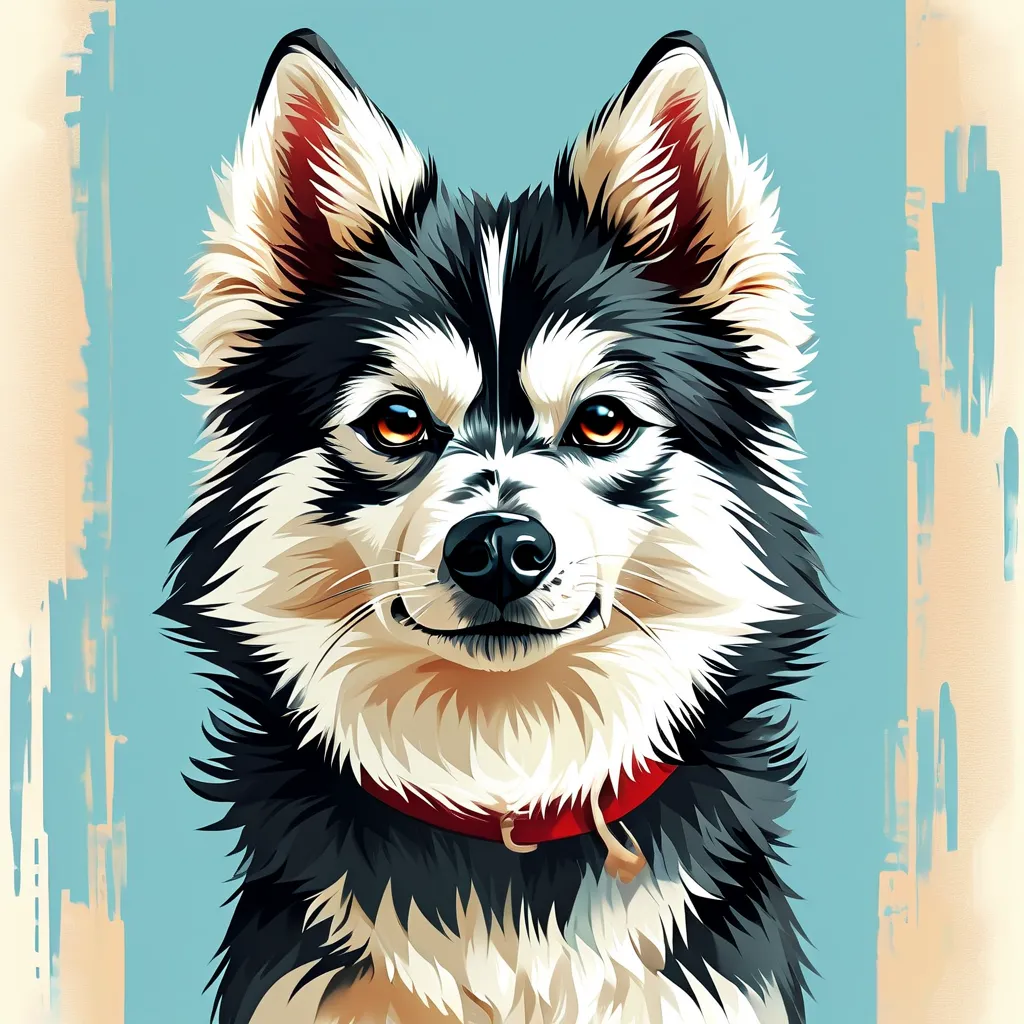
The visual appeal of the Pomsky Husky mix is perhaps one of its most significant draws. These dogs inherit a unique combination of features from both parent breeds, resulting in a range of appearances even within the same litter.
Coat and Colors: The Pomsky typically has a double coat, similar to the Husky, which can be fluffy, thick, and weather-resistant. Pomeranians are known for their dense, often fluffy undercoat and topcoat. Expect the Pomsky’s coat to require regular maintenance. Colors can be incredibly diverse, including white, black, grey, orange, brown, cream, blue, parti-color (patches of color), and sable patterns, often with markings like masks or blaze on the face.
Size Variations: As mentioned, the Pomsky aims to be smaller than a full-grown Husky. Most Pomskies stand between 10 to 17 inches tall at the shoulder and weigh between 10 to 25 pounds. However, size can vary greatly depending on whether the dog inherits more traits from the Pomeranian (often smaller) or the Husky (potentially larger). Prospective owners should inquire about the lineage of the specific Pomsky they are considering.
Temperament Profile: Temperament is where the Pomsky truly shines (or sometimes challenges!). These dogs are often described as high-energy, intelligent, and playful. They inherit the Husky’s independence and sometimes stubborn streak, making training a potential hurdle requiring patience and consistency. They also bring the Pomeranian’s alertness and vocal nature, often barking to announce visitors or events. Despite their smaller size, Pomskys are generally affectionate and loyal companions, thriving on human interaction. They are known for their “velcro” nature, enjoying being close to their families.
Social Needs: Due to their Husky heritage, Pomskys often have strong pack instincts and benefit from being part of a family. They are typically good with family members but can be wary of strangers, displaying a natural guarding instinct inherited from the Husky. Early and consistent socialization is vital to ensure they grow into well-adjusted, friendly adults. They generally get along well with other dogs and pets if raised together, but their Husky ancestry means they might not be the best guard dogs due to their generally friendly nature.
Care Requirements: Nurturing Your Pomsky Husky Mix
Raising a Pomsky Husky mix requires a commitment to their physical and mental well-being. Their unique blend of traits means their care needs encompass aspects from both parent breeds. Easy Pomsky Haircut Guide: Tips for a Healthy, Professional Summer Look
Exercise Needs: One of the most critical aspects of owning a Pomsky is providing adequate exercise. These are high-energy dogs that inherit the Husky’s endurance and love for activity. Daily walks, vigorous play sessions, and opportunities for running and hiking are essential to prevent boredom and destructive behavior. Without sufficient exercise, Pomskys can become restless and develop behavioral issues.
Training and Socialization: Training a Pomsky requires patience and positive reinforcement methods. Their intelligence means they learn quickly, but their independent nature can sometimes lead to stubbornness. Consistency is key. Early and ongoing socialization is crucial to expose them to various people, environments, and other animals, helping them develop into confident, well-behaved adults.
Health Considerations: While generally healthy, Pomskys, being a relatively new breed and often resulting from mixed breeding, can be prone to certain health issues. Potential concerns include those common to Pomeranians (like tracheal collapse, patellar luxation, dental problems, and eye issues) and Huskies (like lens luxation, hip dysplasia, and certain skin conditions). Responsible breeding practices are vital. Prospective owners should inquire about the breeder’s health testing protocols for both parent breeds. Regular veterinary check-ups are non-negotiable.
Diet and Nutrition: A Pomsky’s dietary needs depend on their age, size, activity level, and metabolism. They should be fed high-quality dog food appropriate for their life stage. Portion control is important to prevent obesity, which can exacerbate health problems like hip dysplasia. Consult your veterinarian for specific dietary recommendations.
Grooming: Maintaining a Pomsky’s coat is a significant grooming commitment. Their double coat sheds heavily, especially during seasonal changes. Regular brushing (at least 2-3 times weekly, or daily during heavy shedding periods) is essential to prevent mats and tangling. Professional grooming every 4-6 weeks is recommended. Regular dental care, ear cleaning, and nail trimming are also part of their grooming routine.
Potential Challenges and Considerations
While the Pomsky Husky mix is a delightful breed, potential owners should be aware of several challenges: Your Adult Pomsky Explained: A Comprehensive Guide to Grown-Up Poms
Breeders and Legitimacy: The popularity of Pomskies has led to an influx of breeders, some of whom may not practice responsible breeding. It’s crucial to research potential breeders thoroughly. Look for those who prioritize health testing, understand the breed’s needs, and have a history of producing healthy puppies. Avoid puppy mills and irresponsible sources.
Vocalization: Inheriting the Husky’s bark, Pomskys can be quite vocal. They may bark at various stimuli, which could be a consideration if you live in a close-quarters environment or an apartment.
Separation Anxiety: Due to their strong attachment to their families, Pomskys can suffer from separation anxiety if left alone for long periods. They thrive on companionship and may need daycare or a gradual adjustment period if you must be away for extended times.
Conclusion: Is the Pomsky Husky Mix Right for You?
The Pomsky Husky mix is a truly unique and captivating companion, offering a blend of looks, energy, and personality that is hard to resist. Their playful antics, alert nature, and charming appearance make them wonderful family pets for the right household. However, owning a Pomsky is not a decision to be taken lightly.
These dogs require significant time, attention, and resources. They need ample exercise, mental stimulation, consistent training, and a healthy diet. Potential health issues common to their parent breeds should be researched, and finding a responsible breeder is paramount.
If you are prepared for the active lifestyle, the grooming commitment, and the potential training challenges, the Pomsky can be an incredibly rewarding addition to your family. They are intelligent, affectionate, and full of personality. Always remember to adopt or purchase from a reputable source and prioritize their health and well-being throughout their life. The Pomsky Husky mix is more than just a cute hybrid; it’s a lively companion ready to fill your home with energy and love.