Discover the Stunning White Pomsky: Everything You Need to Know
The world of designer dogs is vast and exciting, filled with unique hybrids that capture the best traits of their parent breeds. Among these captivating creations, the white Pomsky stands out, not just for its stunning coat, but for its intriguing lineage and energetic personality. If you’re considering welcoming a white Pomsky into your life or simply seeking detailed information about this popular breed, you’ve come to the right place. This comprehensive guide will delve deep into the world of the white Pomsky, exploring its origins, physical characteristics, temperament, care requirements, and more. Understanding the white Pomsky breed thoroughly is key to responsible ownership and ensuring a fulfilling companionship for years to come.
Origins and Genetic Mix: The Pomsky Blueprint
The Pomsky, a relatively recent addition to the canine world, is the result of a deliberate crossbreeding project. As the name suggests, the breed combines the Pomeranian and the Siberian Husky. The initial goal was to create a smaller version of the popular Husky, while retaining some of the Pomeranian’s alertness and coat characteristics.
Typically, the first generation Pomsky (F1) is a direct cross between a purebred Pomeranian and a purebred Siberian Husky. This initial mix often results in a dog with a diverse range of appearances and temperaments, as it inherits a random combination of genes from both parents. Breeders may then choose to breed an F1 Pomsky back to either a Pomeranian (F1b) or a Husky (F1a) to influence certain traits more predictably. Alternatively, breeding two F1 Pomskies together produces an F2 generation, which tends to have even greater genetic diversity, leading to wider variations in size, coat color, and temperament.
The white Pomsky specifically refers to dogs whose coat is predominantly white, ranging from pure white to various shades with white being the dominant color. Achieving a consistent white coat, especially in later generations, can be challenging due to the complex genetics involved. Some Pomskies may inherit genes that dilute other colors, resulting in a white or cream base. It’s important to note that the white color can sometimes be associated with certain health concerns, such as piebaldism or, in rare cases, leukism, although this is not exclusively true for white Pomskies. Responsible breeders screen for potential genetic issues regardless of coat color. Finding a reputable Pomsky breeder is crucial if you’re looking to purchase one, ensuring the puppy comes from healthy parents and that the lineage is well-documented.
Stunning Appearance: The Aesthetics of the White Pomsky
One of the most immediately noticeable and appealing aspects of the white Pomsky is its striking appearance. The predominantly white coat provides a clean slate for various markings and patterns, making each dog visually unique. The fluffy, double coat is a hallmark of both parent breeds.
The Pomsky typically stands between 10 to 15 inches tall at the shoulder and weighs anywhere from 20 to 30 pounds, depending on the lineage influence (more Pomeranian = potentially smaller, more Husky = potentially larger). The white coat itself is dense, double-layered, and generally silky or fluffy, contributing to the breed’s charm. This white Pomsky breed standard often features a coat that is purely white, although variations like cream, white with black, white with grey, or white with orange markings can also occur. The contrast between the white base and any facial markings or color patches can be particularly striking.
The head and facial features are another key aspect of their appearance. Pomskies often inherit the Pomeranian‘s alert expression and round eyes, which can be blue, brown, or heterochromatic (two different colored eyes), combined with the Husky‘s strong jawline and sometimes slightly longer muzzle. Their eyes are usually expressive and intelligent, adding to their captivating look. The ears are typically triangular, floppy, and set high on the head, inherited from the Pomeranian parent, but sometimes they can have a more defined shape like the Husky’s ears, depending on the breeding.
Beyond the coat and head, the overall body structure of a white Pomsky reflects a blend of its parent breeds. They often have a sturdy build with a slightly longer body and a moderately deep chest. The tail, which can be long and fluffy (like a Pom) or straighter and thicker (like a Husky), is often curled or tightly rolled when at rest, though this trait can vary. A clean white coat requires regular grooming to prevent matting and maintain its health and shine. 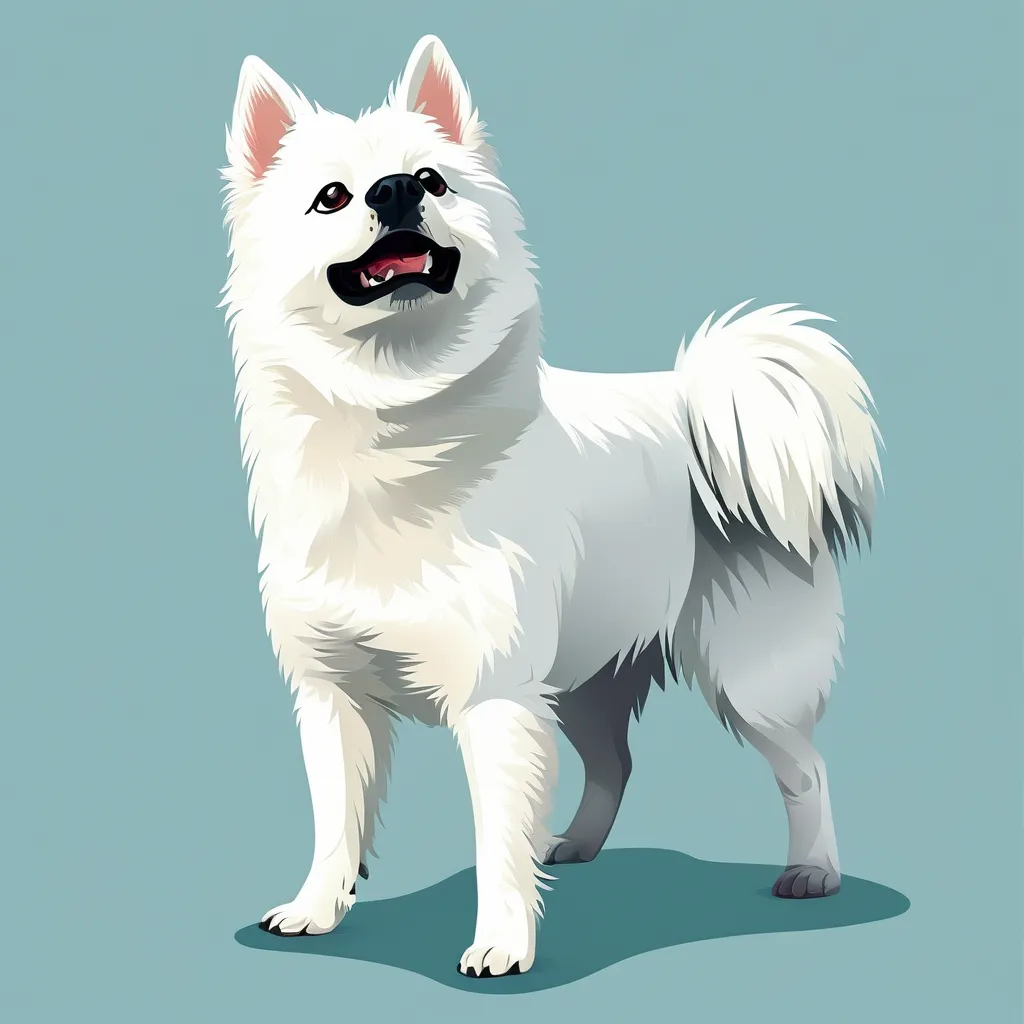 – A photo of a beautiful white Pomsky with a fluffy tail and expressive eyes would be ideal here. What is a Pomsky Dog? A Complete Guide to This Designer Breed’s Origins and Info
Temperament and Personality: Energetic Companions with Big Hearts
When considering any breed, temperament is paramount. The white Pomsky inherits a fascinating mix of traits from its Pomeranian and Husky ancestry, resulting in a dog that is intelligent, energetic, and often willful. They are not typically the “lap dog” type, but they are certainly devoted and affectionate companions. Reputable Pomsky Breeder Informational: A Step-by-Step Guide to Finding the Perfect Puppy
Intelligence is one of the white Pomsky breed’s key strengths, largely inherited from both parents. Pomeranians are known for being clever and alert, while Huskies possess a strong independent streak and problem-solving abilities. This intelligence makes training a Pomsky potentially quicker, but also requires consistent effort and positive reinforcement methods. They can be easily bored, and without sufficient mental stimulation, they might resort to destructive behavior. Their confidence and intelligence mean they are not easily intimidated, which can sometimes present a challenge for novice owners. 1. **Adorable Pomsky Mini Commercial: Your Next Viral Reel Idea!**
2. **Meet the Cutest Pomsky Mini in This Charming Commercial Ad!**
3. **Pomsky Mini Commercial: That Shy, Charming New Breed Explained!**
The Husky influence brings a strong desire for independence and a playful spirit. White Pomskies are generally high-energy dogs that require significant daily exercise and mental engagement. A simple walk around the block won’t suffice; they need opportunities for running, playing, and exploring. This breed thrives in an active household environment. Their playfulness is infectious, and they often enjoy games like fetch or agility. They are social creatures and generally get along well with families, other dogs, and sometimes even cats, although early socialization is key.
Despite their Husky lineage, white Pomskies are typically not overly vocal dogs. They might yap occasionally when excited or to alert their owners, but they are not prone to excessive barking like some other breeds. Their loyalty is a defining characteristic, forming strong bonds with their human families. They are affectionate and enjoy cuddling, but also need space and respect their independence. Training requires patience, consistency, and positive reinforcement, as these dogs can be stubborn if not properly motivated. Socialization from a young age is crucial to ensure they grow up to be well-adjusted and friendly dogs. – A picture showing a white Pomsky happily playing fetch in a park could illustrate their energetic nature.
Health, Lifespan, and Care Considerations
Like all breeds, white Pomskies have potential health considerations that potential owners should be aware of. Since the breed is relatively new, long-term health data is still limited. However, breeders are dedicated to improving the breed’s health through responsible practices.
Generally, the white Pomsky is considered a healthy breed. However, they can inherit health issues common to their parent breeds or develop breed-specific problems. Potential health concerns may include those associated with Pomeranians, such as luxating patellas (knee dislocation), tracheal collapse (especially in smaller individuals), eye problems (like Progressive Retinal Atrophy), and dental issues. Health concerns from the Husky side could include hip dysplasia, eye problems (like cataracts), and potentially certain heart conditions.
Because the Pomsky is a relatively new breed, some potential genetic predispositions might not yet be fully understood. Responsible breeders perform health clearances on their foundation dogs, screening for conditions like hip dysplasia and eye diseases. Prospective owners should inquire about the health history of the puppy’s parents.
On the positive side, the white Pomsky breed often boasts a good temperament and can be a very loyal companion. Their average lifespan is typically estimated to be between 12 to 15 years, similar to other small to medium-sized breeds. With proper care, love, and attention to potential health issues, a white Pomsky can be a vibrant and cherished member of the family for many years.
Caring for Your White Pomsky: Grooming and Training
Proper care is essential for maintaining the health and happiness of your white Pomsky. Their double coat requires significant grooming attention to prevent matting and skin issues.
Grooming Schedule: Due to their dense undercoat, white Pomskies need regular brushing – ideally two to three times a week – to remove loose hair and prevent tangles. Neglecting grooming can lead to painful mats, especially around the legs, chest, and tail base. Professional grooming sessions every 4-6 weeks