Discover the Pomsky: The Adorable New Dog Breed You Need to Know
Imagine a creature of pure whimsy, a furry bundle that combines the striking features of a Siberian Husky with the charming, often fluffy coat of a Pomeranian. This adorable hybrid is none other than the Pomsky, a relatively new addition to the world of companion dogs that has quickly captured the hearts of many. Often referred to as a designer dog, the Pomsky is more than just a cute name; it represents a unique blend of characteristics from two distinct breeds known for their beauty and, in the case of the Husky, their resilience. If you’re considering a new furry family member and are drawn to something novel and endearing, the Pomsky might be on your radar.
The Genesis of the Pomsky: A Designer Dog Sensation
The story of the Pomsky is relatively recent in the timeline of dog breeds. Emerging primarily in the early 2000s, this delightful crossbreed was deliberately created by délibérément created by crossing two popular and visually distinct breeds: the Siberian Husky and the Pomeranian. Unlike established breeds developed over centuries through selective breeding, the Pomsky is a product of modern breeding practices aimed at creating a dog with desirable traits from its parent breeds.
The primary motivation behind developing the Pomsky was twofold. Firstly, enthusiasts sought to create a dog with the stunning blue eyes and striking facial masks reminiscent of the Siberian Husky, but perhaps with a smaller, more manageable size. Secondly, they wanted to combine the outgoing, sometimes vocal nature of the Husky with the alertness and smaller stature of the Pomeranian. The result? A dog that is often described as being “big in personality but small in stature,” offering a unique companionship option.
While the exact origins might be somewhat hazy, as many designer breeds’ beginnings involve informal pairings, the Pomsky gained popularity through dedicated breeders who selectively paired Huskies and Pomeranians to achieve specific size and temperament goals. It’s important to note that the Pomsky is not currently recognized as a distinct breed by major kennel clubs like the American Kennel Club (AKC). Instead, it falls under the category of “designer dogs” or “hybrids,” which are crosses between purebred dogs. This lack of formal recognition means that standards for breeding and registration can vary widely among different organizations or individual breeders.
Pomsky Appearance: A Furry Canvas of Charm
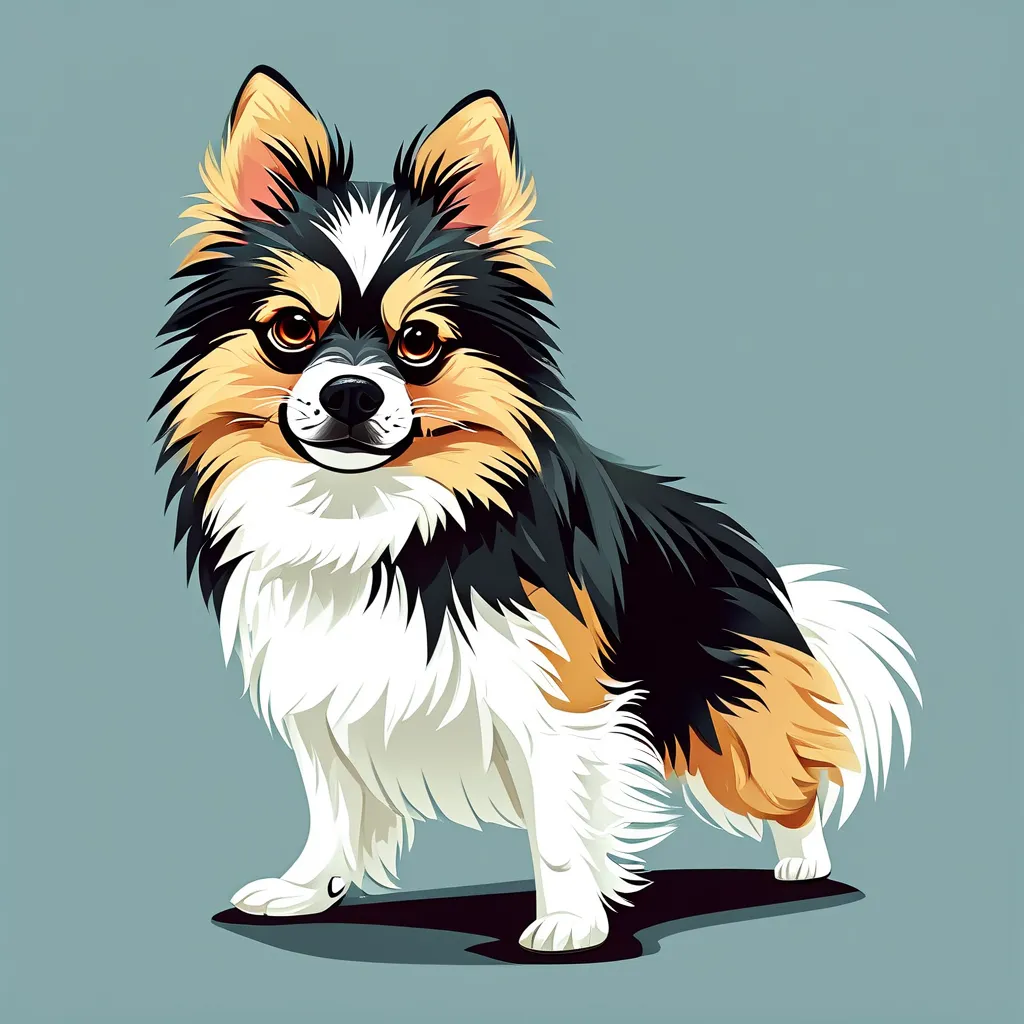
One of the most immediately noticeable aspects of the Pomsky is its appearance. These dogs are a true delight to the eyes, often featuring a coat that is a masterpiece of color and texture. Understanding the potential variations in their looks is essential for anyone considering bringing a Pomsky into their home.
Coat Colors and Patterns: The Pomsky’s coat is predominantly double-coated, inheriting this trait from both parent breeds. Common colors include white, black, brown, grey, cream, and apricot. One of the breed’s most sought-after features is the merle pattern, often seen in shades of black, grey, and white. The merle coat can create a beautiful dappled effect. However, it’s crucial to be aware that breeding two merle carriers can lead to health problems in the offspring, a practice generally discouraged by responsible breeders. Solid colors, parti-color (patches of different colors), and combinations like black and white are also common.
Coat Texture: The Pomsky’s coat texture is another blend of its heritage. You can expect a combination of the Pomeranian’s soft, fluffy undercoat and the Siberian Husky’s denser, coarser outer guard hairs. This results in a coat that can range from soft and fluffy to slightly rougher, depending on the individual dog’s genetics. Regular grooming is absolutely essential to manage shedding and prevent matting. Premium Pomsky Images: Explore Detailed Breed Informational Gallery
Size Variety: While generally considered a small to medium-sized breed, Pomskies come in various sizes. Males typically weigh between 10 to 20 pounds and stand 9 to 14 inches tall at the shoulder, while females are usually slightly smaller, weighing 8 to 15 pounds and standing 8 to 12 inches tall. This size range allows them to adapt to different living situations.
Distinctive Features: Many Pomskies inherit the characteristic “Husky stare” – those large, often blue or striking brown eyes that seem to follow you around the room. Their facial structure often includes a prominent brow ridge and may feature a small, button nose. Their ears are typically erect, similar to the Pomeranian’s, adding to their alert and expressive appearance.
Temperament and Personality: More Than Just Looks
While the Pomsky’s appearance is undeniably charming, its personality is just as captivating. Understanding the temperament of this designer breed is vital for potential owners to ensure a good match for their lifestyle. The Pomsky inherits a unique mix of traits from its Husky and Pomeranian parents, resulting in a dog that is intelligent, energetic, and often surprisingly vocal.
Intelligence and Trainability: Both the Siberian Husky and the Pomeranian are intelligent breeds, and this intelligence shines through in the Pomsky. They are quick learners, which is a definite plus. However, their intelligence also means they can become bored easily if not mentally stimulated. This can lead to destructive chewing or other unwanted behaviors. Consistent, positive reinforcement training is highly recommended. While generally eager to please, some Pomskies may have a bit of a stubborn streak inherited from the Husky, making patience and persistence key during training sessions.
Energy Levels and Exercise Needs: The Siberian Husky is known for its high energy levels and endurance, while the Pomeranian is generally more compact in energy but can be lively. Pomskies inherit a blend, typically requiring moderate to high levels of exercise. Daily walks, access to a securely fenced yard for playtime, and opportunities for interactive play are essential. They thrive on an active lifestyle and enjoy spending time with their human companions. Potential owners should be prepared for a dog that needs regular physical and mental engagement to be happy and well-behaved. What to Know About Your Adult Pomsky: Maturity, Temperament & Care Mini Pomsky Full Grown Size Guide: Everything You Need to Know!
Social Needs: These are social dogs that generally thrive in the company of their human family. They form strong bonds with their owners and can get lonely if left alone for long periods. While they can adapt to different living situations, they are not typically suited for being left outside or confined to a small space for extended durations. Pomskies generally get along well with children and other pets if socialized properly from a young age, but their herding instincts (from the Husky side) might occasionally be triggered around smaller animals. Early and ongoing socialization is crucial.
Vocalization: Perhaps one of the more distinctive traits inherited from the Husky is their tendency to be vocal. Pomskies can yap, howl, whine, or bark, especially when excited, bored, or seeking attention. While this can be charming in moderation, it might be a concern for neighbors or owners in close quarters. Proper training and providing sufficient mental and physical stimulation can help manage excessive barking.
Loyalty and Affection: Despite their playful and sometimes independent nature, Pomskies are generally loyal and affectionate companions. They often enjoy cuddling and being close to their owners. Their expressive eyes and ears are frequently used to convey their emotions, making them rewarding dogs to interact with.
Caring for Your Pomsky: Health, Grooming, and Training
Bringing a Pomsky into your home is a rewarding experience, but it comes with responsibilities. Ensuring their health, managing their coat, and providing proper training and socialization are key components of responsible ownership.
Health Considerations
As a relatively new designer breed, Pomskies haven’t undergone the extensive health testing that purebred dogs undergo through organizations like the Orthopedic Foundation for Animals (OFA) or the Canine Health Information Center (CHIC). This means that their long-term health predispositions are still being studied. However, since they inherit traits from both the Siberian Husky and the Pomeranian, potential owners should be aware of common health issues associated with these parent breeds.
Pomeranian Health Issues: Breeding concerns may include dental problems (especially in smaller breeds), luxating patellas (knee dislocation), tracheal collapse (especially in very small individuals), and eye problems like Progressive Retinal Atrophy (PRA).
Siberian Husky Health Issues: Potential concerns include hip dysplasia (a joint disorder), lens luxation (an eye condition more common in certain colors), and certain heart conditions. Huskies are also known to be prone to hypothyroidism and certain types of cancer.
It’s crucial to obtain your Pomsky from a reputable breeder who conducts health clearances on the parent dogs whenever possible. Ask for documentation regarding eye, heart, and joint