Are Pomsky Hypoallergenic? An In-depth Analysis
The Pomsky, a relatively new addition to the canine world, has quickly captured the hearts of many dog lovers. This enchanting crossbreed between a Pomeranian and a Siberian Husky boasts a striking appearance, a playful personality, and an undeniable charm. However, one question frequently asked by prospective owners and allergy sufferers alike is: are Pomskies hypoallergenic? This query often stems from a desire for a furry companion that doesn’t trigger bothersome allergic reactions. Unfortunately, the answer is a resounding no. The idea that Pomskies are a hypoallergenic breed is a popular myth, lacking scientific basis.
In reality, understanding dog allergies requires looking beyond simple coat type and focusing on the actual culprits: dander, saliva, and urine proteins. No breed, including the charming Pomsky, can be truly classified as hypoallergenic. While some breeds might produce less dander or shed less visibly, they still produce allergens. For individuals with sensitive immune systems, exposure to any dog, including a Pomsky, can lead to symptoms like sneezing, itching, watery eyes, and even asthma attacks.
Understanding Hypoallergenic Myths and Reality
The term “hypoallergenic” is often thrown around in the context of pets, particularly when describing mixed breeds like the Pomsky. This term generally implies a reduced likelihood of causing an allergic reaction compared to other breeds. However, it’s crucial to understand that this is a misleading simplification. All dogs produce allergens, and the severity of the reaction varies greatly depending on the individual’s sensitivity and the specific proteins present.
One common misconception contributing to the hypoallergenic myth is the focus on a dog’s shedding. Breeds with very low shedding, like some hairless or single-coated varieties, are sometimes thought to be less allergenic because they don’t release as many loose hairs containing dander. However, allergens are not primarily found in hair; they are proteins found in a dog’s skin (dander), saliva, and even urine. When these proteins become airborne or are transferred via contact, they can trigger allergies.
The Pomsky, being a small to medium-sized dog with a thick double coat, does shed. While some owners might appreciate the minimal shedding compared to heavy-coated breeds, it doesn’t equate to being hypoallergenic. In fact, the Pomsky’s coat requires regular grooming precisely because it can trap and release dander, further contributing to potential allergen spread.
Furthermore, the very genetic makeup of the Pomsky plays a role. As a designer breed resulting from a Pomeranian and a Siberian Husky, the Pomsky inherits traits from both parents. While the Siberian Husky is known for its thick coat, the Pomeranian also carries a predisposition to shedding and dander production. This combination means the Pomsky inherits the allergenic potential from both sides.
Why Pomskies Are Not Considered Hypoallergenic
Based on the understanding of canine allergens and the characteristics of the Pomsky breed, it’s clear that they do not meet the criteria for being hypoallergenic. Here’s a breakdown of why:
1. Dander Production: All dogs produce dander, microscopic flakes of skin that carry allergens. The Pomsky, like all breeds, sheds its skin cells, releasing dander into the environment. Regular grooming can help manage dander levels, but it cannot eliminate them entirely.
2. Shedding: While Pomskies are often moderate shedders compared to some other breeds, they do shed their fur. This shedding contributes to the distribution of dander and potentially other allergens like saliva proteins if the dog licks itself frequently and the saliva gets onto the fur. Everything You Need to Know About Pomskies Puppies Before You Buy The Pomsky Dog: A Complete Guide to This Unique Hybrid
3. Allergenic Proteins: Dogs produce specific proteins in their skin, saliva, and other body secretions that are known to trigger allergic reactions in sensitive individuals. These proteins are universal to all dogs, meaning no breed is completely free from potential allergens. The idea of a breed being “hypoallergenic” overlooks this fundamental fact.
It’s important to note that individual variation exists among dogs. Two Pomskies might provoke vastly different reactions in two different people due to differences in their immune systems and the specific proteins present on their skin and fur. However, this variability does not change the breed’s overall classification. While a very mild allergic reaction might be tolerated by someone with a low sensitivity threshold living in a home with a Pomsky, this does not mean the breed is hypoallergenic. For individuals experiencing acute or severe allergies, the Pomsky will likely pose a significant problem. **Discover the Pomsky: The Adorable New Dog Breed You Need to Know**
There is no scientific evidence supporting the claim that Pomskies are less likely to cause allergic reactions than other breeds. The best approach for allergy sufferers considering a Pomsky (or any dog) is to spend significant time with the specific dog they intend to adopt and, if possible, test their allergies in their own home environment before bringing the dog in.
Factors Influencing Allergies with Pomskies
Although the answer to “are Pomskies hypoallergenic?” is definitively no, there are several factors that can influence the severity of allergic reactions experienced by an individual around a Pomsky:
Grooming Practices: Regular grooming is essential for a Pomsky. Brushing their thick coat regularly helps remove loose hair and dander, reducing the amount released into the air and home environment. Professional grooming every few months can also help manage shedding and keep the coat healthy, minimizing potential allergen buildup.
Living Environment: Where the Pomsky lives plays a crucial role. Keeping the dog out of bedrooms, using air purifiers with HEPA filters, frequently washing bedding and fabrics, and perhaps even establishing a “no-pet zone” can significantly reduce allergen exposure for sensitive individuals. Regularly cleaning surfaces and vacuuming can also help.
Individual Dog Differences: As mentioned, two Pomskies might be different. Factors like their specific coat type (which can vary), skin health, diet, and overall hygiene can potentially influence the amount of allergens they produce or release.
Allergist Consultation: For individuals with known allergies, consulting an allergist before getting a dog is highly recommended. An allergist can perform tests to identify specific triggers and provide personalized advice on managing potential reactions.
Alternatives for Allergy Suffering Dog Lovers
If the Pomsky is not a suitable option due to allergies, there are many other dog breeds to consider. While no dog breed is truly hypoallergenic, some breeds are often cited as having fewer allergens due to various reasons:
- Low-Shedding Breeds: Breeds like the Basset Hound, Bichon Frise, Chinese Crested (hairless variety), Poodles (especially the hypoallergenic Poodle coat type), and Soft Coated Wheaten Terriers shed less fur, potentially reducing the amount of loose dander and hair in the environment.
- Single-Coated Breeds: Breeds with a single coat layer, rather than a double coat, might release fewer allergens compared to breeds with thick undercoats that shed year-round.
- Focus on Allergen Source: Remember that allergens are primarily proteins found in dander and saliva, not just fur. While low shedding helps, managing dander through grooming and environment is key.
Ultimately, the best way to determine if a particular dog breed might be compatible with your allergies is through careful research, spending time with individual dogs, and potentially seeking advice from an allergist.
Conclusion
In conclusion, the search for a hypoallergenic dog often leads people to consider popular mixed breeds like the Pomsky. However, based on the fundamental understanding of canine allergens, the answer to “are Pomskies hypoallergenic?” is definitively no. The Pomsky, a delightful mix of Pomeranian and Siberian Husky, inherits traits that include shedding and dander production, making it unsuitable for individuals with acute allergies.
While some people with mild sensitivities might find living with a well-groomed Pomsky manageable, it is crucial for allergy sufferers to manage expectations and understand that no dog breed offers a complete solution. Effective allergy management involves a combination of environmental controls, grooming practices, and potentially medication or consultation with an allergist.
If a Pomsky’s coat and potential for dander are a deal-breaker due to allergies, exploring other breeds known for lower shedding or focusing on rigorous allergen management strategies might be a more practical approach. Always prioritize your health and well-being when choosing a pet companion.
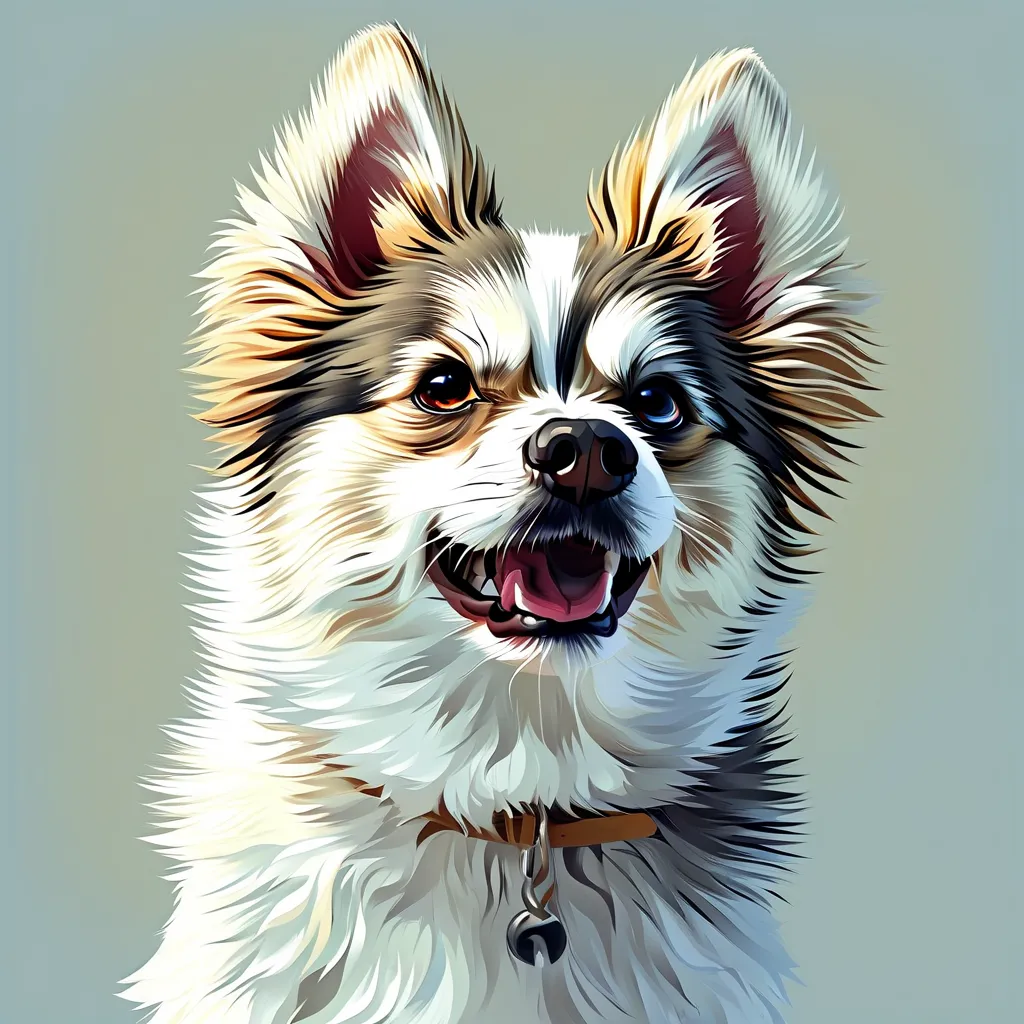
This image illustrates the popular Pomsky breed, highlighting its unique appearance which often fuels the curiosity about its hypoallerg