Adorable Teacup Pomsky Guide: Cute Tiny Pup Information
Welcome to this comprehensive guide for anyone fascinated by the utterly charming **teacup pomsky**! If you’ve encountered this term online or in a breeder’s catalog, you’re likely captivated by the image of a miniature bundle of energy, intelligence, and undeniable cuteness. The Pomsky, a relatively new designer breed resulting from the crossbreeding of a Pomeranian and a Siberian Husky, has already gained significant popularity. And the “teacup” designation specifically refers to the smallest predicted size within this delightful breed category.
Understanding the Pomsky: A Designer Breed Overview
The Pomsky is a relatively recent addition to the world of designer dogs, first appearing in the early 2000s. Responsible for its creation was **Dr. Evelyn Churchill**, a noted animal behaviorist and breeder based in Florida. Her goal was to combine the best traits of two distinct breeds: the **Pomeranian**, known for its alertness, intelligence, and compact size, and the **Siberian Husky**, admired for its striking appearance, friendly nature, and high energy levels.
While the Pomsky’s exact lineage can sometimes be complex due to its relatively young age as a breed, the foundational goal remains consistent: to produce a dog that embodies the intelligence and smaller stature of the Pomeranian combined with the unique looks and temperament of the Husky. It’s important to note that **not all Poms are “teacup” Poms**. The term “teacup” generally refers to the smallest predicted size, usually weighing between 3 to 6 pounds (1.4 to 2.7 kg) when fully grown. This smaller size requires careful consideration regarding the dog’s lineage and breeding practices to ensure health and ethical standards.
The American Pomsky Kennel Club (APKC) acknowledges the breed, although specific size classifications like “toy” or “teacup” are not formally defined within their breed standards. However, many breeders and enthusiasts use “toy” as a more accurate term for the smaller Poms compared to the “miniature” or “standard” sizes. The **APKC link** provided offers further insight into the breed’s recognition. A ‘toy’ Pomsky is a legitimate and ethical size classification, whereas ‘teacup’ is often a misleading term used primarily for marketing purposes.
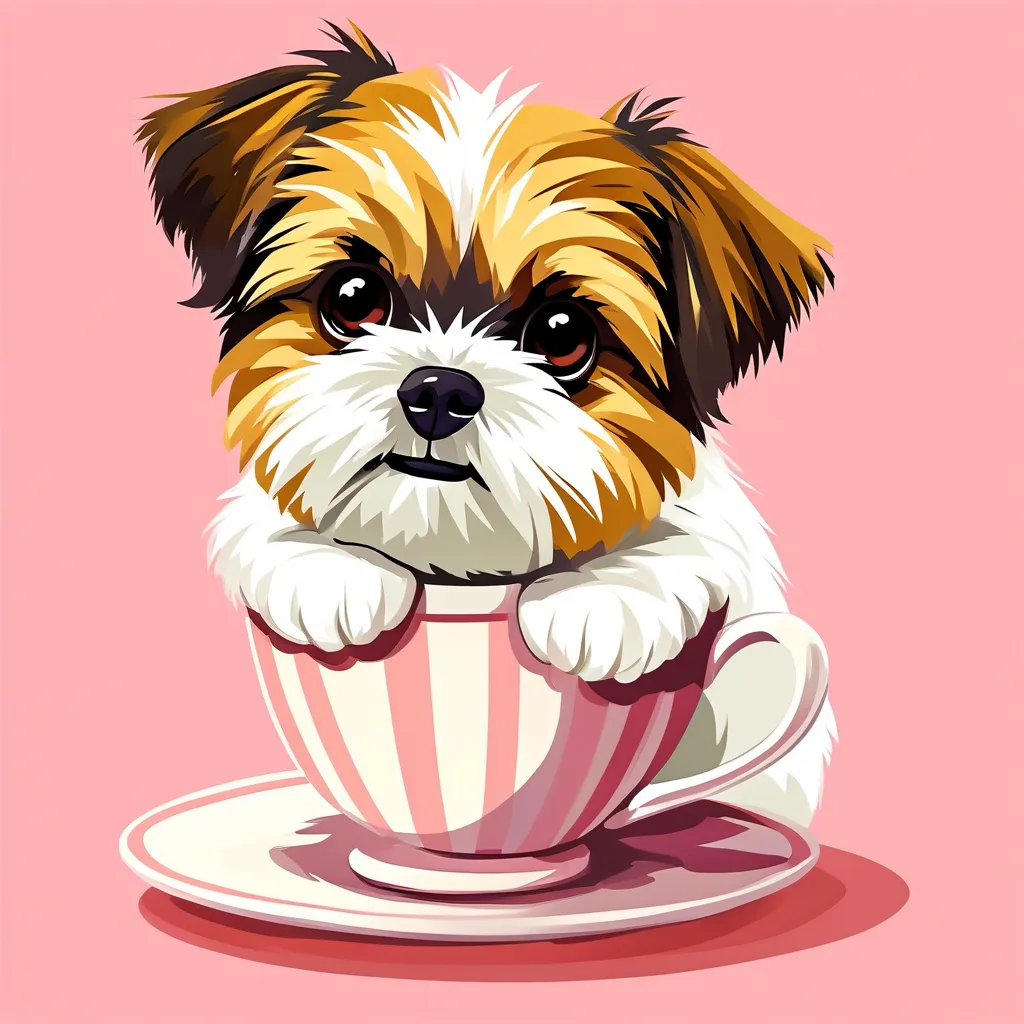
The Allure of the Teacup Pomsky: Characteristics and Charm
What makes the **teacup pomsky** so incredibly popular and sought after? Several factors contribute to their irresistible appeal:
Size and Appearance: Teacup Poms are, quite simply, adorable. They are one of the smallest Husky/Pomsky varieties, often tipping the scales between 3 to 6 pounds fully grown. Their compact size makes them excellent companions for individuals or families living in apartments or smaller homes. Visually, they inherit the teddy-bear-like features from both parents. Expect a small head often adorned with long, fluffy ears, a button nose, and expressive eyes that can be brown, blue, or heterochromatic (commonly seen in Huskies). Their coat is typically a mix of the Pomeranian’s fluffy, dense fur and the Husky’s characteristic undercoat and guard hairs, often resulting in a tri-color or parti-color pattern.
Temperament:** This is perhaps the most endearing aspect of the teacup pomsky. They inherit a blend of intelligence and personality traits:
- Intelligent:** Teacup Pomskies are generally intelligent dogs. They can learn quickly and can be easily trained with consistent and positive reinforcement methods.
- Loyal Companions:** Despite their small size, they possess a big heart and form strong bonds with their families.
- Outgoing and Alert:** They are social creatures who enjoy being around people. Their Husky lineage gives them an alert nature, making them potentially good guard dogs (though not typically aggressive). They are known for being vocal and might yap to alert their owners to potential intruders or express excitement.
- Mischievous:** Their intelligence, combined with their eagerness to please, can sometimes manifest as clever problem-solving, often with a touch of mischievousness.
- Friendly:** Generally friendly towards strangers and family members, teacup Poms can adapt well to various living situations, provided they receive enough attention and companionship.
Their small size and cuddly appearance make them seem less intimidating, but their alert and potentially vocal nature should be considered, especially if you live in a quiet neighborhood or an apartment complex.
Caring for Your Tiny Companion: Health, Training, and Lifestyle
Welcoming a **teacup pomsky** into your life is a rewarding experience, but it requires careful consideration of their specific needs, particularly due to their small size and potential health considerations. Here are several options for an attractive article title:
1. **What Exactly IS a Pomsky? A Complete Guide to This Trendy Hybrid**
2. **Unlock the Pomsky: Your Ultimate Guide to This Unique Designer Dog**
3. **Pomsky 101: Everything You Need to Know About This Popular Breed**
4. **Beyond the Buzz: What IS a Pomsky and Why Everyone’s Talking About Them?**
5. **The Pomsky
Health Considerations:** Because teacup Poms are often the result of crossing two small breeds, they may inherit specific health issues common to Pomeranians and Huskies, as well as potential vulnerabilities associated with their minuscule size. Teacup Pomsky: A Complete Guide to Health, Care, and Personality
- Dwarfism and Skeletal Issues:** Being extremely small can sometimes lead to disproportionate growth or developmental issues affecting the spine and joints.
- Dental Problems:** Small breeds often have crowded teeth or other dental issues.
- Husky Contributions:** Potential for hip dysplasia (though less common than in larger breeds), eye problems (like cataracts or Progressive Retinal Atrophy), and thyroid issues.
- Pomeranian Contributions:** Legg-Calve-Perthes disease (affecting the hip joint), patellar luxation (knee dislocation), and luxating patellas.
- General Small Breed Concerns:** High susceptibility to hypoglycemia (low blood sugar), especially in very young teacup Poms. Overheating can also be a risk due to their small size and coat.
Crucially, ethical breeders prioritize health testing** for both parent breeds (Pomeranian and Siberian Husky) for common hereditary conditions. Responsible pet ownership means seeking out reputable breeders who provide health clearances and transparent information about the puppy’s lineage and potential health predispositions. Compact Canine Cutie: Your Guide to the Teacup Pomsky (Info & Commercial)
Training and Exercise:** Despite their small size, teacup Poms are energetic dogs with the Husky influence. They require regular exercise and mental stimulation to prevent boredom and destructive behavior.
Training Tips:
- Start training early. Their intelligence means they learn quickly, but consistency is key.
- Use positive reinforcement methods like treats, praise, and play. Harsh methods can be counterproductive.
- Short, frequent training sessions are often more effective than long, infrequent ones.
- Be patient. Like their Husky ancestors, they might have a stubborn streak, requiring clever training techniques.
- Enroll in puppy classes to socialize them properly and learn training techniques.
Exercise Needs: While they might not need the same amount of exercise as a full-grown Husky, teacup Poms still benefit from daily walks, playtime, and opportunities to run in a safe, enclosed area. Their intelligence also means they thrive on mental challenges, so incorporating puzzle toys or obedience training can be very beneficial.
Daily Care:** Maintaining the health and happiness of your teacup pomsky involves several daily routines:
- Grooming:** Their double coat requires regular brushing (several times a week) to prevent mats and tangles. Professional grooming every 4-6 weeks is recommended. Regular dental care is essential.
- Feeding:** Provide high-quality, age-appropriate dry food. Portion control is vital to prevent obesity, even in small breeds, as excess weight puts significant strain on their tiny skeletons. Consult your veterinarian for the correct amount.
- Health Monitoring:** Regular vet check-ups are crucial. Be vigilant for signs of illness or discomfort, especially related to their potential health issues. Watch for changes in appetite, energy levels, mobility, or behavior.
- Safe Environment:** Ensure their living space is safe, free from drafts (to prevent hypothermia), and protected from extreme heat. Provide cozy indoor spots, especially during colder weather.
- Socialization:** Expose them to various people, animals, and environments from a young age to ensure they grow into well-adjusted, confident companions.