The Ultimate Guide to the Pomsky Poodle Mix: Everything You Need to Know
Welcome to your comprehensive guide on the charming and increasingly popular Pomsky Poodle mix, often affectionately called the “Mini Pomskydoodle.” This delightful hybrid breed has captured the hearts of dog lovers worldwide with its striking appearance, intelligence, and affectionate nature. If you’re considering adding a canine companion to your life and are curious about what a Pomsky Poodle mix entails, you’ve come to the right place. This guide will delve deep into their origins, characteristics, temperament, care needs, and potential health concerns, providing you with a well-rounded understanding of this captivating crossbreed.
Section 1: Understanding the Pomsky Poodle Mix – An Overview
The Pomsky Poodle mix, as the name suggests, is the result of crossing a popular designer dog breed, the Pomsky, with a Poodle. The Pomsky itself is a relatively recent creation, typically resulting from breeding a Pomeranian with a Husky. This initial cross combines the fluffy coat and spitz-like features of the Pomeranian with the striking blue eyes and wolf-like appearance of the Husky.
Introducing the Poodle into this mix brings a whole new set of desirable traits. Poodles are renowned for their high intelligence, low-shedding coat, and elegant appearance. When combined with the Pomsky base, the Pomsky Poodle mix inherits a unique blend of characteristics. Prospective owners should understand that these dogs are not a standardized breed recognized by major kennel clubs, but rather a popular designer crossbreed.
The appeal of the Pomsky Poodle mix lies in the perceived benefits of both parent breeds. Owners are often attracted to their hypoallergenic potential (especially if bred with a Miniature Poodle), their high trainability, their playful yet loyal nature, and their generally compact size, making them suitable for various living environments, including apartments.
Size and Appearance
Pomsky Poodle mixes are typically considered small to medium-sized dogs. Their size can vary significantly depending on the specific lineage and which parent breed contributes more strongly:
- Teacup/Miniature Pomskydoodle: Usually weighs between 5-20 pounds (2.3-9 kg) and stands 10-14 inches (25-36 cm) tall.
- Standard Pomskydoodle: If bred with a Standard Poodle, they can grow larger, potentially reaching 20-30 pounds (9-14 kg) and up to 18-22 inches (46-56 cm) tall, though this is less common.
Their appearance is a fascinating blend. They often inherit the fluffy, fox-like facial hair from the Pomeranian side, combined with the expressive, often blue or multi-colored eyes characteristic of the Husky influence. The coat texture is typically soft and dense, requiring regular grooming. Colors can be diverse, including white, cream, silver, parti-color (patches of color), and sesame or black markings.
Temperament and Personality
One of the most sought-after traits of the Pomsky Poodle mix is their temperament. They generally inherit the intelligence and eagerness to please from both the Poodle and the Pomsky (via the Pomeranian and Husky lines). This makes them relatively easy to train, though their intelligence can sometimes manifest as independence or stubbornness if training isn’t kept engaging. **Pomsky Doodle Breed Guide: Everything You Need to Know**
The Pomsky side often contributes a playful, energetic, and sometimes mischievous spirit, while the Poodle’s influence brings loyalty, affection, and a degree of elegance. Overall, the Pomsky Poodle mix is typically described as:
- Intelligent and Curious: Always seeming to have something on their mind.
- Playful and Energetic: Especially during their younger years.
- Loyal and Affectionate: Form strong bonds with their families.
- Social and People-Oriented: Generally enjoy being around humans and other pets, though socialization is key.
- Vocal: May inherit the Husky’s tendency to bark or howl.
- Alert: Good watchdogs due to their alert nature.
It’s crucial to remember that individual temperament can vary greatly depending on the specific dog’s genetics and early life experiences. Early socialization and consistent, positive training are essential for raising a well-behaved and balanced Pomsky Poodle mix.
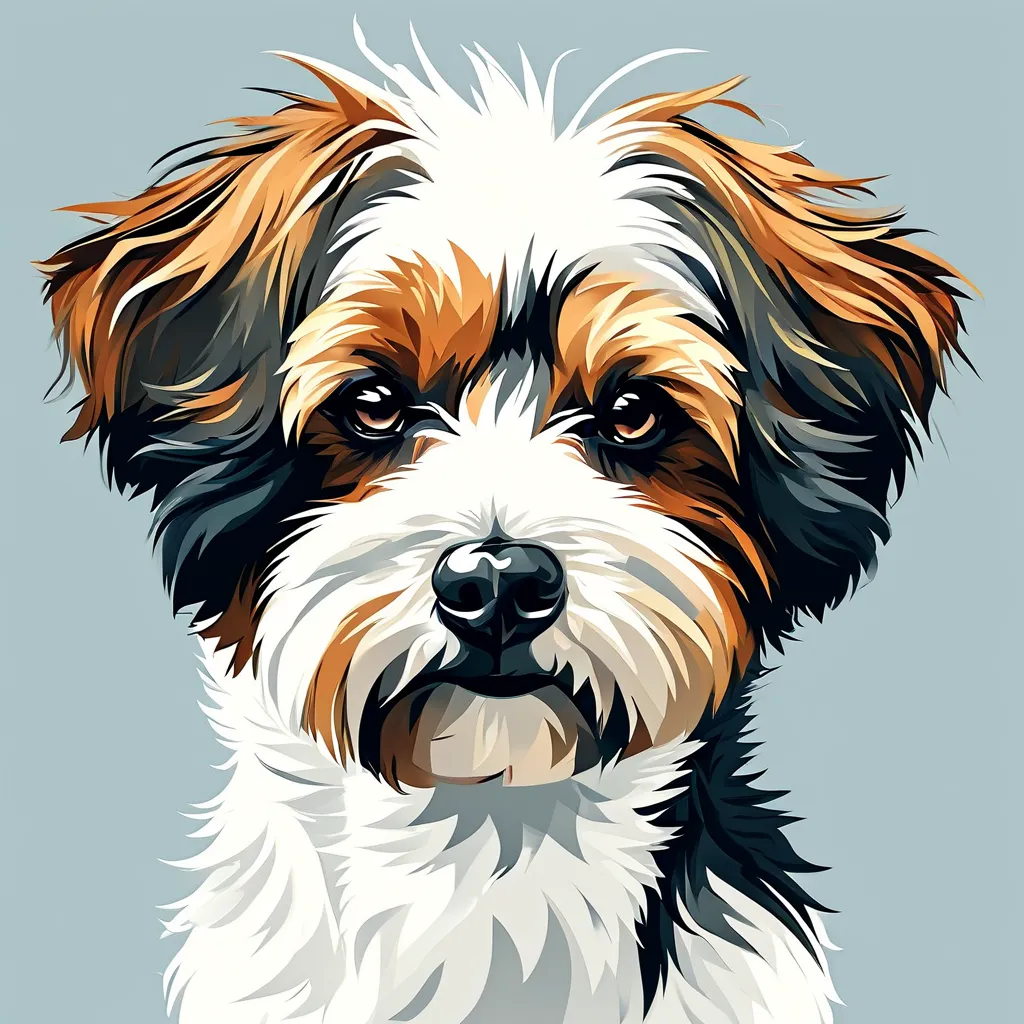 Meet the Black and White Pomsky: A Complete Guide
Section 2: Caring for Your Pomsky Poodle Mix
Bringing a Pomsky Poodle mix into your home requires a commitment to their physical and mental well-being. Understanding their specific care needs is paramount for ensuring a happy and healthy life for your new companion. Are Pomskies Truly Hypoallergenic? Exploring the Facts and Reality
Grooming Needs
One of the primary reasons owners are drawn to the Pomsky Poodle mix is often the potential for a low-shedding coat, particularly if the Poodle influence is strong. However, their grooming needs are generally high regardless of shedding level:
- Coat Care: Their dense, fluffy coat requires regular brushing to prevent mats and tangles. Expect to brush them several times a week, possibly more frequently if they inherit a higher amount of Pomeranian fluff.
- Bathing: While not necessarily high-frequency, regular baths help keep their skin healthy and their coat clean.
- Professional Grooming: Due to their unique coat texture and potential for trims, regular visits to a professional groomer (every 4-8 weeks) are often necessary. This helps maintain coat health, manage shedding, and keep their ears clean and trimmed.
- Eyes: Regularly check and gently clean their eyes to prevent tear staining and infection, especially if they have dark pigmentation around the eyes.
- Dental Care: Brush their teeth regularly to prevent dental disease, which is common in many breeds.
The Pomsky Poodle mix‘s coat is a significant aspect of their care. While not always completely hypoallergenic, many find them less allergenic than some purebred dogs. Regular grooming is non-negotiable to prevent skin issues and maintain their beautiful appearance.
Exercise and Training Requirements
Pomsky Poodle mixes are an active and intelligent breed. They were not developed solely as lap dogs; their Husky and Pomeranian ancestry means they require regular physical and mental stimulation.
- Exercise: Daily walks, runs, or playtime in a secure area is essential. They thrive on companionship during activities and enjoy interactive play. Lack of sufficient exercise can lead to boredom and destructive behavior.
- Training: Highly intelligent, they excel in training but also need consistent guidance. Positive reinforcement methods work best. Early socialization with people and other animals is crucial to prevent potential shyness or aggression. Training sessions should be short, frequent, and fun to keep their attention.
- Mental Stimulation: Engage their minds with puzzle toys, obedience courses, or learning new tricks. This breed’s intelligence means they can become bored easily if not sufficiently challenged.
Consider the Pomsky Poodle mix as an energetic companion. They are not typically suited for a sedentary lifestyle. Their high trainability makes them adaptable to various roles, but they respond best to patient, positive leadership.
Health Considerations
As a relatively new designer breed, long-term health data for Pomsky Poodle mixes is still limited. However, they can inherit health issues from their parent breeds. Responsible breeding practices are crucial, and potential owners should seek dogs from breeders who conduct health screenings.
Potential health concerns may include:
- Husky Inheritance: Hip Dysplasia, Progressive Retinal Atrophy (PRA), Eye Problems (like cataracts or lens luxation), Hypertrophic Cardiomyopathy (HCM).
- Pomeranian Inheritance: Dental Issues, Legg-Calve-Perthes disease, Cushing’s disease, various eye problems.
- Poodle Inheritance: Hip Dysplasia, Elbow Dysplasia, Progressive Retinal Atrophy (PRA), Keratoconjunctivitis Sicca (Dry Eye), von Willebrand’s disease.
Discuss health history with the breeder and schedule regular veterinary check-ups. Maintaining a healthy weight through proper diet and exercise is also vital for preventing many common health issues