Pomsky Doodle Breed Guide: Everything You Need to Know
Welcome to your comprehensive guide on the enchanting Pomsky Doodle! This charming hybrid breed has captured the hearts of dog lovers worldwide with its striking appearance, intelligent eyes, and generally affectionate nature. If you’re considering adding a furry member to your family, understanding what makes the Pomsky Doodle unique is essential. This guide delves deep into the origins, characteristics, care requirements, and temperament of these delightful designer dogs, providing you with everything you need to know before welcoming one into your home.
Origins and Characteristics of the Pomsky Doodle
The Pomsky Doodle is a relatively recent addition to the world of mixed-breed dogs, emerging as a crossbreed in the early 2000s. Its creation aimed to combine the best traits of two popular and distinct breeds: the **Pomsky** and the **Miniature Poodle**.
The Pomsky Parent: A Background in Hybrid Vigor
Before exploring the Pomsky Doodle, it’s helpful to understand its primary parent breed, the Pomsky itself. The Pomsky is a relatively new designer breed, first appearing around the year 2000. It is a cross between a Pomeranian and a Husky. Breeders sought to create a smaller version of the popular Pomeranian while retaining the striking looks and energetic temperament of the Husky. Pomskies are known for their:
- Versatile Coat: Ranging from fluffy Pomeranian-like coats to sleeker Husky textures, often requiring regular grooming.
- Distinctive Appearance: Inheriting features like the Husky’s almond-shaped eyes or the Pomeranian’s fluffy topknot.
- Intelligent and Playful Nature: Combining the keen minds of both parent breeds.
- Size Variety: Typically weighing between 10 and 30 pounds and standing 9 to 14 inches tall as adults.
[IMAGE_PLACEHOLDER: A photo of a Pomsky dog showing its coat variation and expression.]
The Miniature Poodle Parent: Intelligence and Hypoallergenic Qualities
The other parent in the Pomsky Doodle equation is the Miniature Poodle. Known for centuries for its intelligence, elegance, and famously hypoallergenic coat, the Mini Poodle typically weighs between 15 and 20 pounds and stands about 15 inches tall. Crossing the Pomsky with the Mini Poodle aimed to:
- Incorporate Intelligence: Both breeds are highly intelligent, ensuring a sharp and trainable Pomsky Doodle.
- Enhance Hypoallergenic Potential: While no dog is truly hypoallergenic, the Poodle’s low-shedding coat can make the Pomsky Doodle a better option for some allergy sufferers.
- Mix Temperament Traits: Combining the playful energy of the Pomsky/Pomeranian with the dignified nature of the Poodle.
- Create a Size-Appearing-Appropriate: Resulting in a small to medium-sized companion.
[IMAGE_PLACEHOLDER: A close-up photo of a Miniature Poodle showing its intelligent expression and coat texture.]
Care Requirements for Your Pomsky Doodle
Caring for a Pomsky Doodle involves understanding and addressing the needs inherited from both parent breeds. While generally healthy, these dogs require specific attention to grooming, exercise, diet, and training to thrive.
Grooming Needs: A Heavy Coat Requirer
One of the most significant aspects of owning a Pomsky Doodle is its coat. The coat type can vary greatly depending on the genetic inheritance from the Pomsky and Poodle sides. Expect a variety of textures, from fluffy and dense (resembling a Pomeranian) to wavier and less dense (resembling a Poodle or Husky).
Regardless of the exact texture, regular grooming is essential to prevent matting, tangling, and skin issues. Brushing should be done several times a week, and professional grooming every 4-6 weeks is highly recommended. Pomsky Doodles are prone to:
- Matting: Especially in areas like the chest, legs, and behind the ears.
- Coat Color Variations: They inherit a wide range of colors and patterns from both parents.
- Ear Cleaning: To prevent infections, especially if they have floppy ears.
The good news is that regular grooming sessions also provide an opportunity for bonding with your pet and allow you to check for any skin abnormalities or potential health issues early on.
[IMAGE_PLACEHOLDER: A Pomsky Doodle being groomed, perhaps showing before and after or highlighting a specific grooming technique.]
Exercise and Mental Stimulation
Pomsky Doodles inherit a blend of energy levels from their parents. They are intelligent and active dogs that require regular physical exercise and mental stimulation to prevent boredom and destructive behavior.
Expect your Pomsky Doodle to enjoy activities such as:
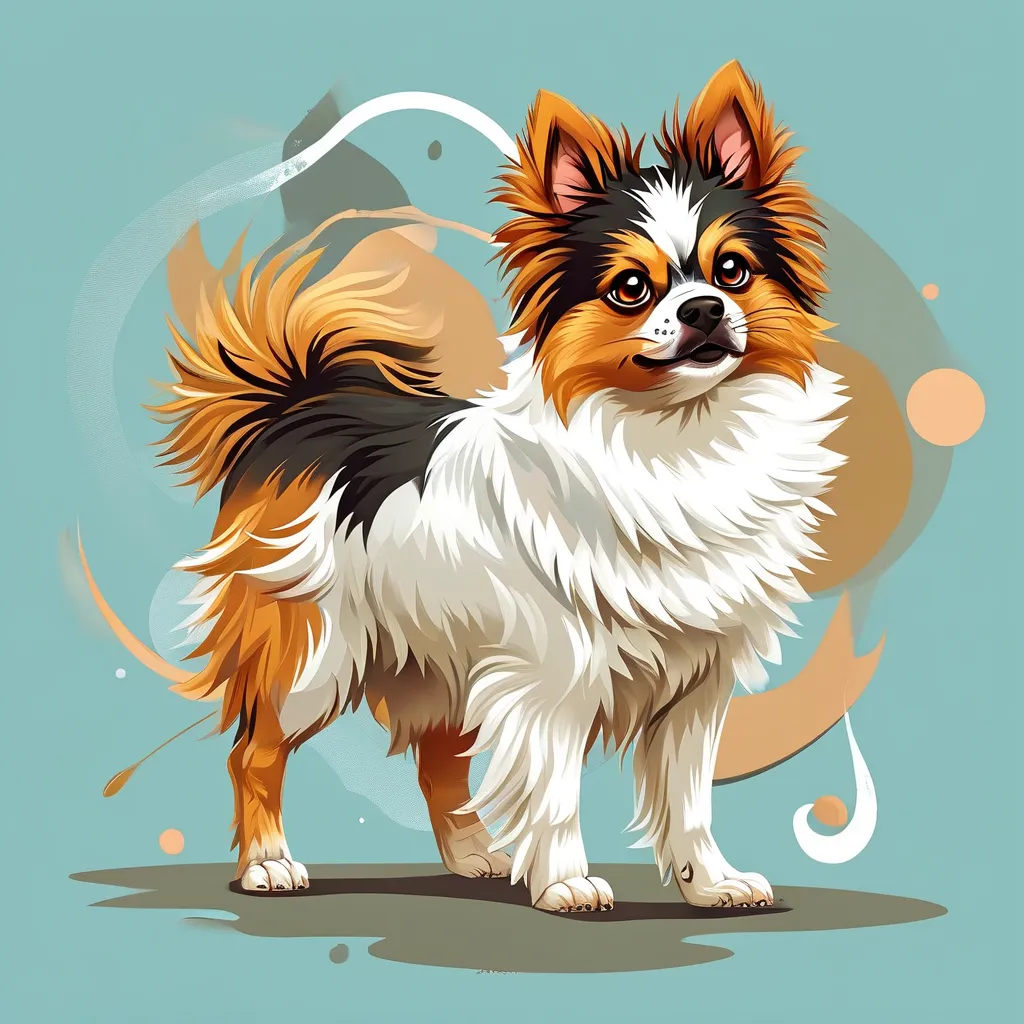 **Explore Adorable Pomsky Puppy Images: Your Ultimate Visual Guide**
- Regular Walks: Aim for at least two walks per day, exploring different environments.
- Playtime: Fetch, tug-of-war, and interactive toys are great for physical and mental engagement.
- Training Sessions: They excel in activities that challenge their minds.
- Socialization: Exposure to different people, animals, and environments is crucial, especially during puppyhood.
While they might not have the boundless energy of a Husky, they certainly appreciate a good amount of activity and companionship. Insufficient exercise can lead to anxiety or excessive barking.
Diet and Nutrition
Feeding your Pomsky Doodle appropriately is key to their health and longevity. As a small to medium-sized breed, their portion sizes need careful management to prevent obesity, which can lead to serious health issues.
Consider the following when choosing their food:
- Puppy Food: High-quality puppy food formulated for small breeds during their first year.
- Adult Food: Switching to a high-quality adult formula appropriate for small or medium breeds.
- Portion Control: Measure food carefully, as table scraps and free-feeding can easily lead to weight gain.
- Considerations: Some Pomsky Doodles may benefit from grain-free or limited ingredient diets, especially if they have sensitive stomachs.
Consult your veterinarian to determine the best diet plan based on your dog’s age, activity level, and any specific health needs.
Temperament and Living Environment
The Pomsky Doodle temperament is a delightful blend of its parent breeds. They are generally known for being:
An Affectionate and Intelligent Companion
Pomsky Doodles are often described as affectionate, loyal, and eager to please. They form strong bonds with their families and enjoy being involved in daily activities. Their intelligence makes them highly trainable, though they can also be a bit stubborn if not properly motivated.
These dogs thrive on human interaction and are not typically suited for being left alone for long periods. They can develop separation anxiety if left isolated. Their vocal nature means they might bark to alert their owners to perceived intruders or interesting activities outside.
Social Needs and Family Dynamics
Pomsky Doodles generally get along well with children and other pets, especially if socialized early. They inherit a degree of independence from both the Pomeranian and Poodle line, but they are also known for being quite attached and enjoy cuddling.
Consider the energy levels of your household. While they are adaptable, Pomsky Doodles need a home where they feel part of the family unit and receive plenty of attention and affection.
Health Considerations
As a relatively new designer breed, there isn’t extensive long-term health data available. However, they can inherit health issues common to their parent breeds, including:
- Pomeranian parents: Leg problems (Luxating patellas), eye issues (Progressive Retinal Atrophy), and hypothyroidism.
- Husky parents: Less common in this mix, but potentially hip dysplasia, eye problems, and sensitivity to heat.
- Poodle parents: Hip dysplasia, elbow dysplasia, von Willebrand’s disease, and various eye conditions.
Reputable