Discover Pomsky Puppies: Your Complete Guide to This Popular Designer Breed
Welcome to the charming world of Pomsky puppies, the delightful offspring of a Pomeranian and a Siberian Husky. This designer dog breed has captured the hearts of dog lovers everywhere with its unique combination of looks, personality, and manageable size. Often referred to as “Mini Huskies” or simply “Pomskies,” these fluffy bundles of joy represent one of the most sought-after crosses in the modern canine landscape.
If you’re considering welcoming a Pomsky puppy into your home, you’ve come to the right place. This guide provides comprehensive information about this popular breed, covering their origins, distinctive characteristics, care requirements, training considerations, and where to find them. Whether you’re drawn to their striking resemblance to a wolf or simply adore their playful and affectionate nature, understanding the Pomsky breed thoroughly is the first step towards providing them with a happy and healthy life.
Origins and Development of the Pomsky Breed
The Pomsky breed is relatively young, having been developed in the early 21st century. The primary motivation behind creating this mix was to combine the best traits of two popular companion breeds: the Pomeranian and the Siberian Husky. While the exact origins are often credited to breeders in North America and Europe, particularly around the Pacific Northwest (hence the “Pomsky” name potentially derived from “Pom” for Pomeranian and “Kye” or “Sky” for Husky), the specific creators and timelines can vary.
Breeders intentionally paired small Pomeranian bitches with intact male or female Huskies (sometimes using smaller Husky variants like the Malamute or Alaskan Klee Kai) to achieve the desired size and temperament. The goal was to produce a dog that inherited the fluffy, fox-like coat of the Pomeranian and the wolf-like appearance, intelligence, and energetic disposition of the Husky, but on a more manageable scale than a full-sized Husky.
It’s important to note that the Pomsky is considered a designer dog, meaning it is a hybrid breed resulting from the crossing of two distinct purebred dogs. This classification means the breed is not formally recognized by major kennel clubs like the American Kennel Club (AKC), but it has gained immense popularity among pet owners and many smaller registries recognize them. The unpredictable nature of coat colors, markings, and temperaments in the first generation (F1) litters means that breeders often produce second-generation (F2) or multi-generation Pomskies to stabilize certain traits.
Distinctive Pomsky Puppy Traits and Characteristics
Pomsky puppies are known for their unique and often stunning appearance, which can vary significantly even within the same litter. As you explore Pomsky puppy information, understanding their core traits is essential.
Appearance
The most striking feature of a Pomsky is often their coat, which inherits the dense undercoat and fluffy topcoat from the Pomeranian parent. Combined with the longer guard hairs from the Husky, their coat can be quite luxurious and weather-resistant. Pomsky puppies typically have:
- Size: Ranging from small (14-17 inches tall at the shoulder) to medium (17-20 inches), Pomskies are generally smaller than a standard Husky but larger than a Pomeranian.
- Coat Colors: They inherit a wide array of colors, including white, black, grey, chocolate, parti-color (patches of color), and brindle, often with unique markings.
- Wolf-like Look: Thanks to the Husky influence, Pomskies often possess a dramatic facial expression, large almond-shaped eyes, and a tail that can be straight or gently curved upwards, sometimes called a “witch’s tail.” This combination often gives them a resemblance to a wolfdog, though they are purely domesticated.
- Facial Features: They typically have a wedge-shaped head, erect ears (often partially covered by the fluffy coat), and a muzzle that reflects Husky traits.
[IMAGE_PLACEHOLDER: A cute Pomsky puppy with fluffy coat and blue eyes] Pomsky Pups 101: Your Ultimate Guide to Ownership & Commercial Info
Temperament
One of the most appealing aspects of Pomsky puppies is their temperament. They aim to blend the best of both parent breeds: Luxury Pomsky Puppies: Designer Breed Guide & Commercial Information
- Playful and Energetic: Inheriting the Husky’s energy, Pomskies are活泼 and enjoy playtime, walks, and interactive activities.
- Intelligent and Trainable: Both parent breeds are intelligent, making Pomskies quick learners. They respond well to positive reinforcement training and enjoy engaging puzzles.
- Affectionate and Loyal: Despite their energetic side, Pomskies are also known for being very affectionate with their families. They often enjoy cuddling and thrive on human companionship.
- Sociable but Guarding: They are generally good with people and other pets if properly socialized, but they also retain a degree of alertness and independence from the Husky side, potentially making them decent (but not typically guarding) watchdogs.
- High Energy Levels: This is a key point – Pomskies are not typically lap dogs. They require regular physical exercise and mental stimulation to prevent boredom and destructive chewing.
Size and Growth
Pomsky puppies start small but grow at varying rates. Responsible breeders can often provide a good indication of the potential size of a specific puppy based on the parents’ size. Proper nutrition during their growth phase is crucial to support healthy development and avoid developmental issues like hip dysplasia.
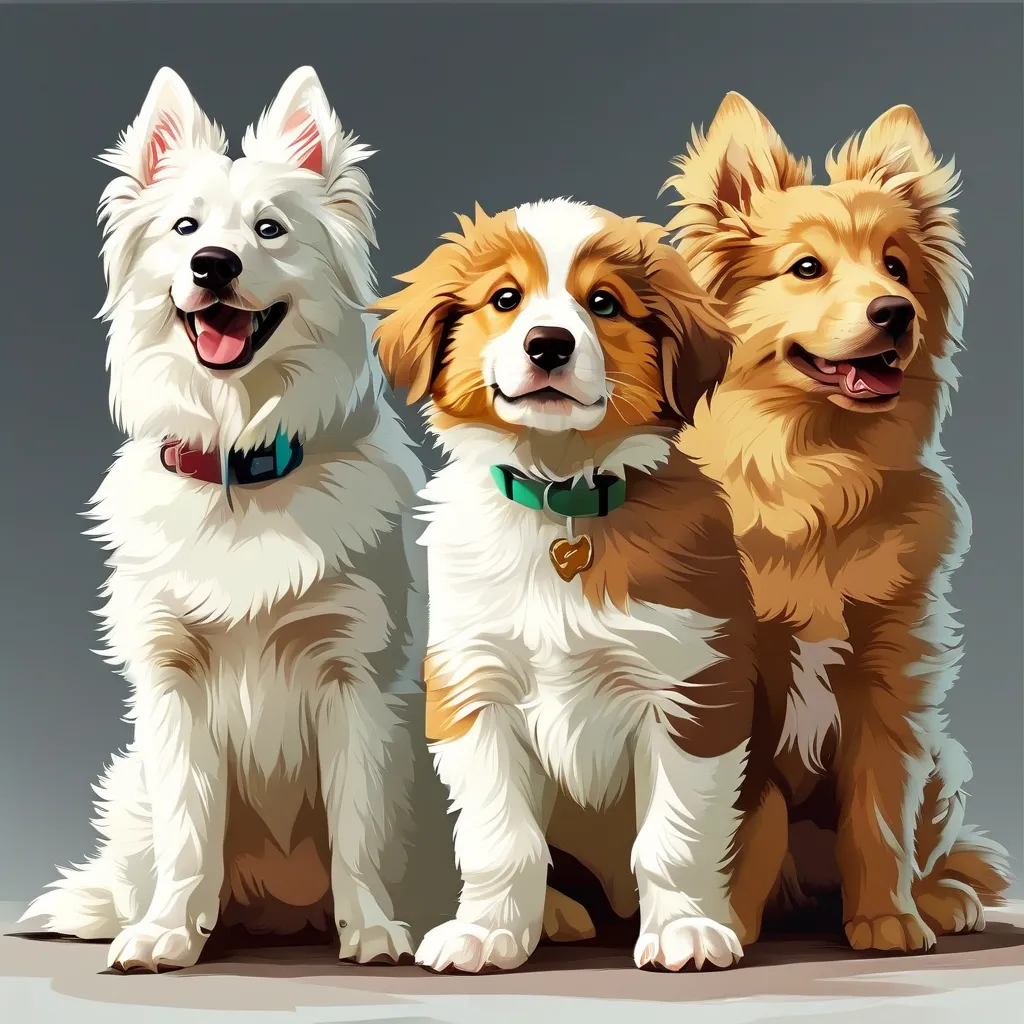
[IMAGE_PLACEHOLDER: A young Pomsky puppy showing its fluffy potential]
Caring for Your Pomsky: Health, Grooming, and Training
Bringing a Pomsky puppy home is exciting, but it also comes with responsibilities. Understanding their specific needs ensures they grow into healthy, happy companions. Compact Canine Cutie: Your Guide to the Teacup Pomsky (Info & Commercial)
Grooming Needs
One of the most significant grooming requirements for Pomsky puppies is their double coat. To maintain their coat’s health and prevent matting, regular brushing is essential. Depending on their coat type and color, you might need to brush them daily or every few days.
- Bathing: Occasional baths are necessary, but over-bathing can strip the natural oils from their skin. Use a dog-specific shampoo.
- Professional Grooming: Regular visits to a professional groomer are highly recommended, especially for trimming facial hair, paw pads, and potentially the tail and ears to prevent infections and keep them clean.
- Dental Care: Like all breeds, regular tooth brushing or providing dental chews is important for oral health.
Exercise Requirements
Due to their Husky lineage, Pomsky puppies have high energy levels and need substantial exercise. Daily walks, runs, playdates, and engaging activities like hiking or agility training are necessary. Failure to meet their exercise needs can lead to boredom, which might manifest as destructive chewing or excessive barking.
Health Considerations
While generally healthy, Pomskies can inherit health issues from their parent breeds. Common concerns might include:
- Hip Dysplasia: A joint condition more common in larger breeds, but can occur in Pomskies. Responsible breeding practices aim to minimize this risk.
- Patellar Luxation: Knee problems.
- Dental Diseases: Regular dental care is crucial.
- Husky-Specific Issues: Potential sensitivity to anesthesia, certain breed-specific genetic conditions (like Collie Eye Anomaly if Husky parent carries it).
- Pomeranian-Specific Issues: Legg-Calve-Perthes disease (affecting the hip), eye problems.
Choosing a responsible breeder who performs health clearances on the parent dogs significantly reduces the risk of these issues. Regular veterinary check-ups are paramount.
Training and Socialization
Pomskies are intelligent and eager to please, making them generally trainable. Early and ongoing socialization is crucial to ensure they become well-adjusted adults comfortable around various people, animals, and environments. Consistent, positive reinforcement training methods work best. Their intelligence means they can sometimes get bored easily, so training sessions should be engaging and varied.
[IMAGE_PLACEHOLDER: A Pomsky puppy happily playing with toys]