How Big is a Pomsky? A Complete Size Guide for Your Informational Needs
Welcome to our comprehensive guide on one of the internet’s favorite topics: the Pomsky! If you’ve been captivated by those charming photos and videos featuring a mix of the fluffy Pomeranian and the regal Husky, you might be wondering about one crucial aspect – just how big does this adorable designer dog breed get? The answer isn’t quite as simple as “they’re small,” as Pomskies come in various sizes, and understanding their potential dimensions is key to determining if this breed is the right fit for your lifestyle, living situation, and expectations.
A Pomsky is a relatively new hybrid breed, resulting from the crossbreeding of a Pomeranian and a Husky. Proponents of this designer mix often tout the breed for its hypoallergenic potential, unique appearance blending the features of both parent breeds, and generally friendly, adaptable temperament. However, one of the most common questions surrounding this popular hybrid is its size. Unlike purebred dogs with predictable size ranges governed by breed standards, Pomskies are often considered a designer or “designer cross” breed, meaning their size can vary significantly depending on the lineage of the parents and the specific breeding practices employed.
Understanding Pomsky Size Categories
While there’s no single governing body setting strict breed standards for Pomskies, enthusiasts and responsible breeders generally categorize them into three primary size groups based on the size of the Pomeranian parent involved and the resulting adult dog’s measurements. These categories help potential owners get a better idea of what to expect when welcoming a Pomsky into their home.
Standard Pomsky
The Standard Pomsky typically results from breeding a standard-sized Pomeranian (usually 7-9 inches tall at the shoulder and weighing 12-17 pounds) with a full-grown Siberian Husky (typically 20-24 inches tall and weighing 35-60 pounds). Consequently, these are the largest of the three common Pomsky varieties.
Size Range: Standard Pomskies generally reach shoulder heights of 14 to 20 inches and can weigh anywhere from 30 to 50 pounds or more when fully grown. Some exceptionally large Standard Pomskies might even approach the size of a small Husky.
Characteristics: Due to their larger size, Standard Pomskies require significantly more space, both indoors and out. They are best suited for active households with access to a securely fenced yard and ample room to run and play. Their energy levels tend to be moderate to high, reflecting the energetic nature of both parent breeds.
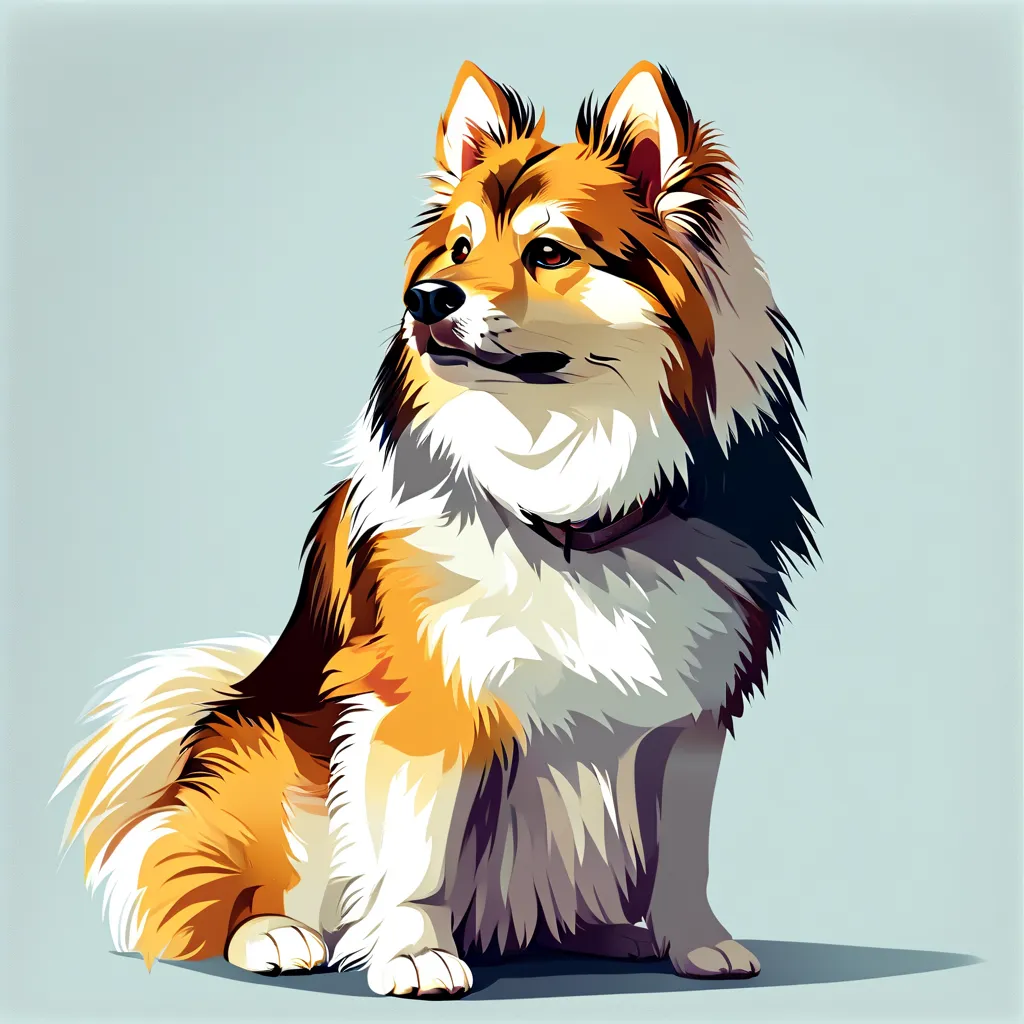
Miniature Pomsky
The Miniature Pomsky is arguably the most popular size category for this hybrid breed. This size typically originates from breeding a smaller or medium Pomeranian (often under 8 inches and typically weighing less than 12 pounds) with a Husky. The result is a dog that is noticeably smaller than the Standard but still retains many of the distinctive features of both breeds.
Size Range: Miniature Pomskies usually stand between 10 and 16 inches tall at the shoulder and weigh approximately 15 to 30 pounds upon maturity. This makes them a versatile size suitable for a wide range of living environments.
Characteristics: Miniature Pomskies are known for being adaptable and relatively easy to manage for families with moderate activity levels. They generally have moderate energy levels, making them suitable companions for people with busy schedules, provided they receive sufficient daily exercise and mental stimulation. Their smaller size also means they can comfortably adapt to various living situations, from apartments to houses with yards.
Toy Pomsky
The Toy Pomsky represents the smallest category within the Pomsky family. Often resulting from breeding a very small Pomeranian (typically 6 inches or less at the shoulder and weighing under 10 pounds) with a Husky, Toy Pomskies are the ideal choice for individuals or households seeking a compact companion. Everything You Need to Know About the Full Grown Miniature Pomsky
Size Range: Toy Pomskies generally reach a shoulder height of 10 inches or less and typically weigh 10 to 15 pounds or slightly more as adults. They are the epitome of a small, lapdog-like presence while still retaining the Husky’s characteristic good nature. Does Pomsky Shed Informationally? Mastering the Coat Care Puzzle
Characteristics: These miniature companions usually have lower energy levels compared to their larger counterparts, making them well-suited for older individuals, those with physical limitations, or apartment living where space is a premium. They still require regular exercise but may not need the same level of high-intensity activity as larger breeds. Toy Pomskies thrive on companionship and enjoy being close to their people.
Factors Influencing Pomsky Size
While the size category (Standard, Miniature, Toy) provides a general guideline, several factors can influence the specific size and proportions of an individual Pomsky:
Parent Lineage: The most significant factor is the size and specific traits of the Pomeranian and Husky parents used in the breeding. A Pomsky inheriting genes for a larger Pomeranian parent will naturally be bigger than one inheriting genes from a smaller Pomeranian parent.
Breeding Practices: Responsible breeders often aim to stabilize the size within their lines by selectively breeding individuals that consistently produce offspring of the desired size category. However, genetics can still play a role even within a specific lineage.
Genetics: Individual genetic predispositions inherited from both parents will play a crucial role in determining the final size and build of the Pomsky. Some puppies may lean more towards one parent’s size or temperament. From Puppy to Giant: What to Expect When Your Pomsky Grows Up
Nutrition and Exercise: Proper nutrition during the puppy’s developmental stages is critical for healthy growth and reaching their correct adult size. Overfeeding can lead to excessive weight gain, putting strain on their developing joints. Consistent exercise also contributes to overall musculoskeletal development.
Health: Overall health is paramount for a Pomsky to reach its genetic potential size and maintain a healthy weight throughout its life.
Size Comparison Table
To provide a clearer visual comparison between the three size categories, here is a summary table outlining the typical height, weight, and energy level expectations for a fully grown Pomsky:
| Size Category | Height at Shoulder | Weight | Energy Level | Living Environment Suitability |
|---|---|---|---|---|
| Standard Pomsky | 14-20 inches | 30-50+ pounds | Moderate to High | Larger homes, houses with yards, active outdoor lifestyles |
| Miniature Pomsky | 10-16 inches | 15-30 pounds | Moderate | Houses with yards, apartments with access to outdoor space, moderately active households |
| Toy Pomsky | 10 inches or less | 10-15+ pounds | Lower (Varies) | Apartments, smaller homes, suitable for less active individuals or families |
Choosing the Right Size for Your Lifestyle
Deciding which Pomsky size fits your life is a critical step before adopting or purchasing one of these delightful dogs. Consider the following:
Living Space: Your home’s square footage is a primary consideration. Standard Pomskies need significantly more space than Toy Pomskies. If you live in a small apartment, a Toy or Miniature Pomsky would be more appropriate. Larger homes or houses with yards can accommodate all three sizes, but always ensure the dog feels comfortable and isn’t confined to a very small area.
Activity Level: Match your family’s activity level and exercise capacity with the energy requirements of the chosen size category. Standard and Miniature Pomskies generally need more vigorous daily exercise (long walks, playtime, hikes) compared to Toy Pomskies. Ensure you can provide the necessary physical and mental stimulation to keep your Pomsky happy and healthy.
Allergies: While often considered hypoallergenic, this is not guaranteed. The Pomeranian parent is known to shed relatively little, but Huskies have a thick double coat that sheds significantly, especially during heavy shedding seasons. Pomskies inherit coat types from both parents, so shedding can vary. Regular grooming can help manage dander and loose hair, regardless
References
- How big do Pomskies get? (Pomsky weight and size from … – YouTube
- Pomsky Breed Information – All about Pomsky puppies and care
- Pomsky Dog Breed Information and Characteristics – Potty Buddy
- Understanding Small Pomskies: Size and Traits Explained – TikTok
- What is a Toy/Micro Size Pomsky / Mini Husky? – YouTube