Full-Grown Mini Pomsky: A Complete Guide to Size, Care, and Temperament
Welcome to the vibrant world of the Pomsky, a relatively new addition to the canine family that has quickly captured the hearts of dog lovers everywhere. This enchanting designer breed, a cross between a Pomeranian and a Siberian Husky, boasts a unique combination of looks and personality that is truly captivating. If you’re considering welcoming a Pomsky into your home, understanding what to expect, especially as they reach their full adult size and maturity, is crucial.
This comprehensive guide delves deep into the specifics of a full-grown mini pomsky. We’ll explore their typical size range, the variations between different types, their distinctive physical characteristics including coat color and eye features, essential care requirements for their health and happiness, and insights into their wonderful temperament. By the end of this article, you’ll have a thorough understanding of what makes this breed special and the commitment involved in owning a mature Pomsky.
Understanding the Pomsky: A Brief Overview
Before we dive into the specifics of the fully grown miniature version, it’s helpful to know the breed’s origins. The Pomsky is a relatively recent creation, resulting from the intentional crossbreeding of a small Pomeranian with a Siberian Husky. This relatively new status means the breed is still evolving, and there can be variations in size and appearance depending on the lineage and genetics involved. The goal of the original cross was often to create a smaller version of the popular Husky, combining the small Pomeranian’s size with the Husky’s striking features.
It’s important to note that while the Pomsky is a popular designer breed, it’s not recognized by major kennel clubs like the American Kennel Club (AKC) as a purebred. This is primarily because the breed is too recent for formal recognition. Despite this, their popularity continues to grow, largely due to their unique appearance and charming personalities.
Size and Weight: What to Expect from a Full-Grown Mini Pomsky
One of the most common questions about Poms is their size. While there isn’t a single “standard” size for the breed, understanding the general range and the distinction between “mini” and “standard” Pomskies is key. This section focuses specifically on the full-grown mini pomsky.
Defining the Mini Pomsky: The term “mini Pomsky” generally refers to dogs resulting from the crossing of a smaller Pomeranian (typically weighing under 7 pounds as an adult) with a Husky. This results in a smaller overall size compared to the standard Pomsky. A full-grown mini pomsky typically weighs between 10 and 20 pounds (approximately 4.5 to 9 kilograms) and stands between 9 and 14 inches tall at the shoulder. This size makes them lap dogs or companion animals, fitting comfortably on laps, although they still possess the energy of their Husky ancestor.
Distinguishing from Standard Pomskies: Standard Pomskies, often simply called Pomskies, can vary more in size. They generally weigh between 12 and 35 pounds (approximately 5.5 to 16 kilograms) and stand 12 to 17 inches tall. They are significantly larger and were likely the original intention of the breeders. When looking for a full-grown mini pomsky, ensure the breeder or source clearly identifies the dog as belonging to the smaller category.
The Importance of Patience: Reaching their full adult size takes time. Puppies grow rapidly initially, then slow down significantly during their first year. By the time they are one to two years old, they should be close to their final size. Regular monitoring and comparing your mini Pomsky to breed standards photos or charts can help you gauge their growth.
Potential Size Variations: Remember that size is just an average. Individual dogs can fall outside this range based on genetics. Some may remain closer to the smaller end of the spectrum, while others might approach the top range even if classified as “mini.” Factors like diet, exercise, and overall health can also influence their final size. Teacup Pomsky: A Complete Guide to Health, Care, and Personality
Understanding the size range is crucial for responsible ownership. It helps in planning for appropriate housing (both indoor and outdoor space if applicable), selecting the right equipment (beds, crates, food bowls), and ensuring the exercise needs of an adult dog of that size are met.
Physical Characteristics: Appearance of a Mature Mini Pomsky
The visual appeal of the Pomsky is one of its most endearing qualities. A full-grown mini Pomsky inherits the best features from both its Pomeranian and Husky ancestors, resulting in a unique and often stunning appearance.
Coat Texture and Length: The coat of a Pomsky is typically a dense, double-layered fur, a trait inherited from the Pomeranian. It can be either smooth or rough, depending on the lineage. Many Pomskies also have a teddy bear-like “furnace” or “panda” marking on their face – a lighter-colored blaze of fur down their chest. The length can vary, but generally, their coats are shorter than a Pomeranian’s but stiffer and more weather-resistant than a Husky’s, which helps them adapt to various climates. Adorable Teacup Pomsky Guide: Cute Tiny Pup Information
Coat Colors and Patterns: This is where the Pomsky truly shines! Their coat colors are incredibly diverse and often quite eye-catching. Expect to see combinations of white, orange, cream, brown, black, gray, and blue. Common patterns include: Here are a few title options incorporating your keyword and adhering to the requirements:
1. Pomsky Size Information: What to Expect From Your New Hybrid Dog
2. Unlocking Pomsky Size Information: Growth Guide & Adult Dimensions
3. Pomsky Size Information: A Detailed Look at Height, Weight & Maturity
4. Your Pomsky Size Information: Average Dimensions for This Popular Hybrid
5. Pomsky Size Information: Understanding the Growth Stages of Your
- Torbie: A tri-color pattern (tan/orange, black, and white)
- Diluted: Lighter versions like cream, light orange, or silver
- Bi-color: Two solid colors, often white and a colored base (orange, brown, black)
- Merle: A popular pattern featuring patches of color on a background of white, often with darker pigmentation around the eyes, nose, and lips
- Solid: A single, uniform color (less common)
While many Pomskies have solid-colored coats, white is a dominant color, often appearing in bi-color or merle patterns. The sheer variety in coat colors and patterns makes each Pomsky a unique snowflake.
Eyes: A Glimpse into Their Soul: The eyes of a Pomsky are large, expressive, and often striking. They can be various colors, including brown, amber, green, gray, or blue. One fascinating feature is the possibility of heterochromia, where one eye is a different color from the other. This trait is more common in Huskies and can also appear in Pomskies, adding to their individual charm.
Head and Facial Features: The head shape is often a blend, with a wedge-shaped stop (nose break) reminiscent of the Husky and a dense coat covering the head and muzzle. The “furnace” markings are a common and desirable trait, though not universal. Their ears are typically triangular and erect, inherited from the Pomeranian side.
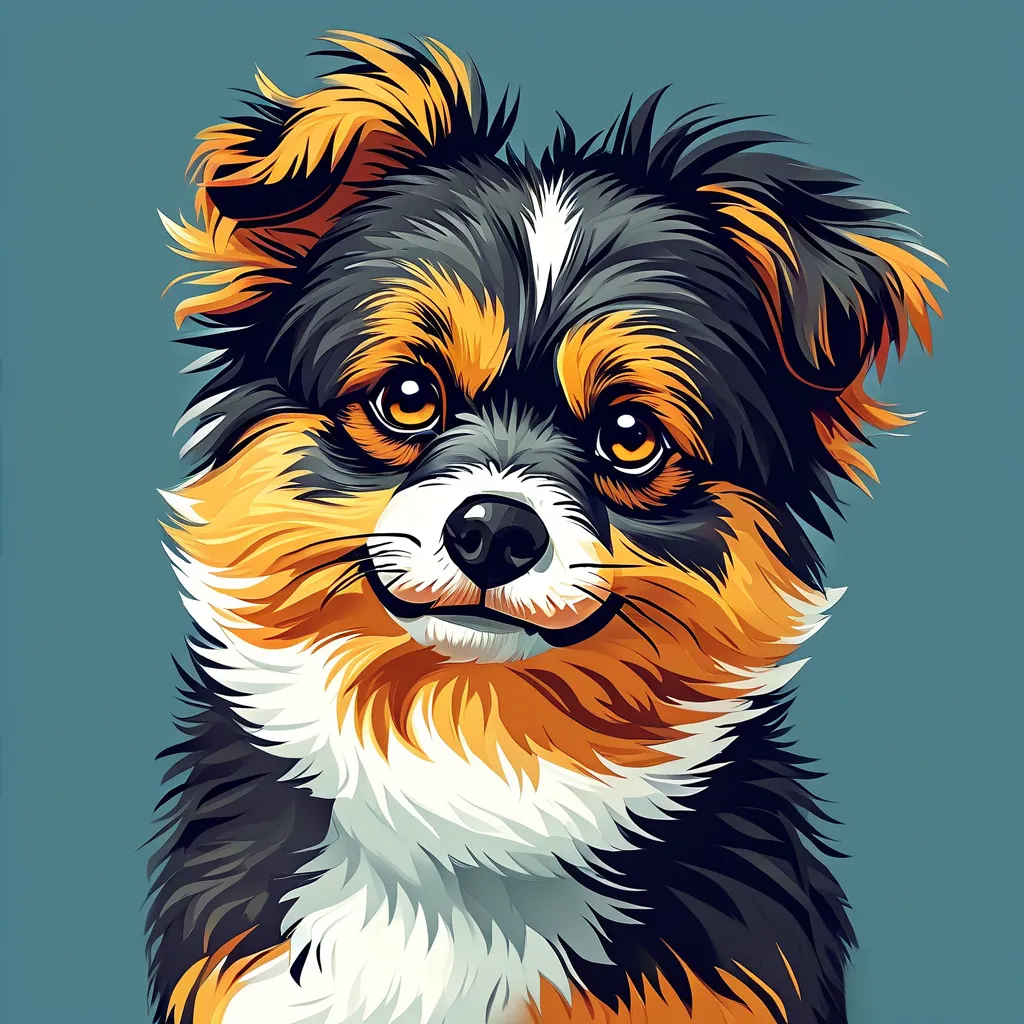 *Insert photo of a full-grown mini Pomsky showing its coat texture, color, and eye features*
Temperament and Personality: The Heart of the Mini Pomsky
Choosing a dog breed is as much about personality as it is about looks. The Pomsky temperament is a delightful blend of its parent breeds, resulting in a dog that is generally energetic, intelligent, and affectionate.
Energy Levels: Thanks to the Husky influence, mini Pomskies are typically quite energetic. They require regular exercise and mental stimulation to prevent boredom and potential behavioral issues. A full-grown mini pomsky enjoys activities like brisk walks, hiking, running in a safe area, and engaging in puzzle toys or training sessions. They are not typically lap dogs that prefer to sit idle all day, even though their smaller size makes them comfortable indoors. They need an active lifestyle suitable for a medium-sized active dog.
Intelligence and Trainability: Pomskies are intelligent dogs, which makes training possible but also means they can become bored easily. They thrive on interaction and clear communication. Positive reinforcement methods, using treats and praise, work best. Consistency is key. Early socialization is crucial to ensure they grow up to be well-adjusted and friendly dogs. Training sessions should be engaging and frequent, not just occasional commands practice.
Social Needs: This breed craves companionship. They form strong bonds with their human families and generally get along well with other dogs and even cats, provided they are socialized early. They are pack animals and prefer not to be left