Does Pomsky Shed Informationally? Mastering the Coat Care Puzzle
You’ve likely heard about the charming Pomsky, that delightful crossbreed combining the best of Pomeranian and Siberian Husky. Known for their big eyes, fluffy tails, and energetic personalities, these dogs steal hearts. But beneath that adorable exterior lies a potential concern for many potential owners: does Pomsky shed? If you’re contemplating welcoming a Pomsky into your home, understanding their shedding tendencies is crucial for managing expectations and ensuring proper coat care. This article delves deep into the Pomsky shedding question, exploring the reasons behind it, the patterns you can expect, and most importantly, the best practices for grooming and managing this shedding to keep both your dog and your home happy.
Understanding the Pomsky Coat: The Foundation of Shedding
To comprehend why a Pomsky sheds, it’s essential to understand the structure of their coat. As a double-coated breed, the Pomsky possesses two distinct layers of fur, much like their Husky and Pomeranian ancestors.
The Undercoat: The Hidden Culprit
The undercoat is the soft, dense, and insulating layer close to the skin. This layer is primarily responsible for heat regulation and protection. Unfortunately, this plush undercoat is exactly what leads to significant shedding, particularly during specific times of the year. This undercoat needs to be shed periodically to make way for a fresh, healthy coat suited to the changing seasons.
The Outer Coat: Protection and Texture
Overlying the undercoat is the outer coat, often referred to as the guard coat. This layer consists of longer, coarser, and usually straighter or wavy hairs. Its primary function is protection against the elements – shielding the skin from harsh weather, UV rays, and potential irritants. While the outer coat generally sheds less frequently than the undercoat throughout the year, it still contributes to the overall amount of fur found around your house.
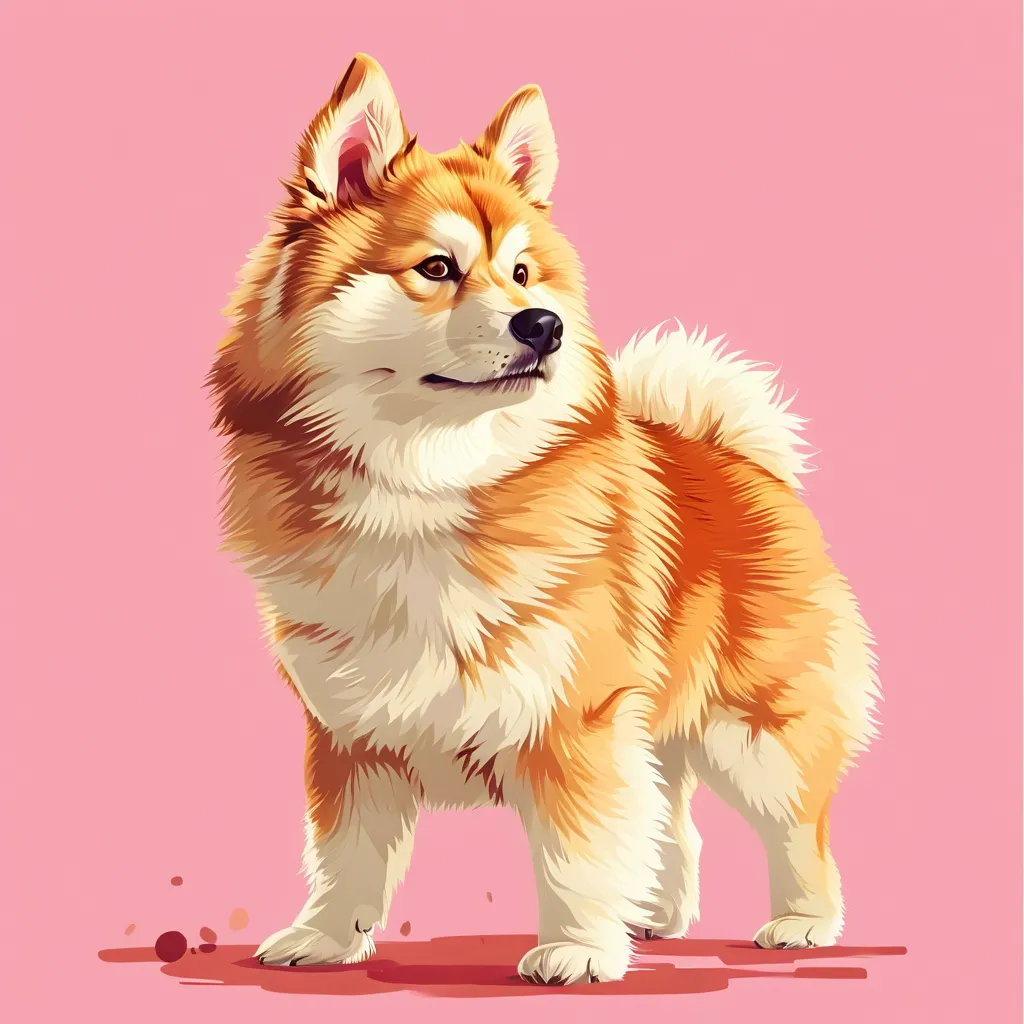 – Image depicting a Pomsky with visible double coat layers (undercoat and guard coat)
Because the Pomsky is a relatively new breed, created by crossing two breeds with distinct coat types, the exact texture and thickness can vary between individuals. Some may inherit the fluffier Pomeranian coat, while others might lean towards the coarser Husky texture. However, regardless of specific variations, the double coat structure is fundamentally linked to their shedding potential. It’s designed for a nomadic life in harsh climates, meaning continuous shedding and renewal is built into their biology.
The Shedding Reality: Year-Round and Seasonal
Yes, if you ask does Pomsky shed, the unequivocal answer is **YES**. Shedding isn’t just an annual occurrence for many dogs; it’s a continuous process. But Pomskies have a specific shedding pattern that involves both a baseline year-round shedding and more dramatic seasonal blowouts.
Year-Round Shedding: The Constant Cycle
Like many double-coated breeds, Pomskies undergo year-round shedding. This means they are continuously losing individual hairs as part of their natural hair growth cycle. New hairs grow from the follicles, pushing older, weaker hairs to the surface, which are then shed. Teacup Pomsky: A Complete Guide to Health, Care, and Personality
This baseline shedding might seem less intense than blowouts, but it results in a constant presence of fur around your home. Regular grooming becomes even more critical during these periods to remove the loose hairs before they accumulate excessively.
Seasonal Blowouts: The Fur Tornado Moments
What truly sets Pomsky shedding apart, and potentially causing the most concern, are the seasonal blowouts. These are periods when the dog sheds a significant portion of its undercoat all at once. Blowouts typically occur twice a year, generally once in the spring and once in the fall. The All-White Pomsky: Pure White Breed Info & Photos
During a blowout, the Pomsky essentially sheds its winter coat in the spring to prepare for summer, and its summer coat in the fall to grow a thicker undercoat for winter. This process can be quite dramatic. You might notice:
- Increased hair loss visible on floors, furniture, and in your vacuum cleaner
- Your dog may appear slightly thinner or lose some fluffiness temporarily
- The coat might feel rougher or look less dense
– Image depicting fur falling from a Pomsky during a blowout or showing a Pomsky with a thick undercoat
It’s crucial to understand that these blowouts are a natural and necessary process for the health of their coat. The goal isn’t to prevent shedding entirely (which is impossible for double coats), but to manage the amount and prevent potentially harmful matting or skin issues caused by a matted undercoat.
Mastering Shedding: Grooming Techniques for a Pomsky
While you cannot stop a Pomsky from shedding entirely – remember, does Pomsky shed Informationally confirms it’s a core characteristic – you can significantly manage the amount and minimize the mess. Effective grooming is the key to mastering the Pomsky coat care puzzle.
The Importance of Regular Brushing
This is arguably the most critical aspect of managing Pomsky shedding. Brushing removes the loose undercoat and dead hair before it ends up on your carpets or gets ingested in large quantities. Compact Canine Cutie: Your Guide to the Teacup Pomsky (Info & Commercial)
Depending on their coat type and length, daily brushing is often recommended, especially during the weeks leading up to and following a seasonal blowout. Here’s a breakdown of effective brushing techniques:
- Start with a Pin Brush or Slicker Brush: These tools are excellent for working through the dense undercoat. Work through small sections of the coat, moving from the skin outward. Be gentle to avoid irritating the skin.
- Use a Rake or Undercoat Razer for Stubborn Mats: These tools are specifically designed to penetrate deep into the undercoat and remove heavily matted hair. Focus on areas prone to matting, like behind the ears, around the neck, under the legs, and on the tail.
- Incorporate a Furminator or Similar Shedding Reducer (Use with Caution): Tools like the Furminator are designed to remove excess undercoat. While effective, their use should be approached carefully and frequently. Overuse can strip the coat or remove too much guard hair, leading to an imbalanced coat and potentially skin problems. It’s best to consult your groomer or vet before using such tools regularly.
- Consider Occasional Professional Grooming: Regular brushing at home should be supplemented with professional grooming, especially during heavy shedding periods. A professional groomer can perform thorough dematting, skin checks, and strategic clipping if needed.
– Image showing someone brushing a Pomsky’s coat with different brushes
Professional Grooming: Strategic Clipping
While never shaving a Pomsky (as emphasized by many experts and breed standards, since they are a double coated breed), strategic professional clipping can help manage shedding:
- Pin or Body Clip: This involves shaving the top layer of the outer coat, leaving the protective undercoat intact. This significantly reduces shedding volume and keeps the coat shorter and easier to manage, especially during heavy blowouts. It’s a popular choice for owners dealing with severe shedding issues.
- Hand Stripping: This is a technique where a professional removes dead undercoat hairs by plucking them from the root. It promotes healthy coat growth and maintains the natural texture of the coat. It’s often preferred over clipping for long-term coat health, but requires skill and is typically done by professionals.
- Regular Trimming: Between professional grooming sessions, regular brushing and potentially spot trimming (especially on paw pads, private areas, and between the legs for hygiene) can keep the coat in good shape.
It’s vital that you and your chosen groomer understand the principles of double coat care. Shaving a double-coated breed like a Pomsky can disrupt their natural insulation, leading to temperature regulation problems and potentially altering their coat structure permanently. Always ensure your groomer is knowledgeable about not shaving and instead uses clipping techniques that preserve the double coat.
Beyond Grooming: Diet, Health, and Environment
While grooming is paramount, managing Pomsky shedding isn’t just about brushing. Other factors can influence the amount and severity of shedding:
Nutrition and Hydration
A balanced diet supports overall skin and coat health. Ensure your Pomsky has access to fresh water at all times, as proper hydration is essential for healthy skin and digestion, which aids in shedding. Look for high-quality