Pomsky Size Information: What to Expect From Your New Hybrid Dog
Bringing a Pomsky into your home is an exciting adventure. These enchanting hybrids, combining the beauty of a Pomeranian with the resilience of a Husky, capture hearts instantly with their unique appearance and charming personalities. However, before welcoming a Pomsky puppy, understanding their physical dimensions is crucial. Size isn’t just about aesthetics; it impacts their energy levels, care requirements, and how they fit into your living space and lifestyle. This comprehensive guide provides detailed Pomsky size information, covering everything from breed standards and growth stages to the different size categories you might encounter.
Understanding the Pomsky: A Brief Overview
The Pomsky is a relatively new designer dog breed, first appearing in the Netherlands around the early 2000s. Breeders aimed to create a smaller version of the Siberian Husky by crossing it with a Pomeranian. The result is a dog known for its striking looks, energetic temperament, and intelligence. While their appearance, particularly their fox-like face and fluffy coat, often steals the show, their size is a fundamental aspect potential owners need to consider.
The General Size Expectations: A Medium-Sized Companion
Generally, Pomskies fall into the **small to medium-sized** dog category. Their size is often compared to that of a larger Pomeranian or a smaller Husky, making them suitable for various living situations, including apartments, provided they receive adequate exercise. While there isn’t a single, universally accepted breed standard for the Pomsky (as it’s not officially recognized by major kennel clubs in the same way traditional breeds are), the typical adult Pomsky weighs between 10 to 20 pounds (approximately 4.5 to 9 kilograms) and stands 10 to 15 inches tall at the shoulder.
It’s important to note that “typical” can vary. Individual Pomskies can range from quite small and compact to slightly larger, influenced by genetics from both parent breeds and the specific lineage emphasized by the breeder. Some sources even mention a very small range, noting adult Pomskies come in on the smaller end of medium-sized dogs. This reinforces the idea that while they are generally compact, there is a small spectrum within the breed.
[IMAGE_PLACEHOLDER: General Pomsky size illustration showing a dog roughly 12-14 inches tall and 10-15 pounds]
Different Size Categories: Mini, Micro, and Toy Pomskies
Breeding practices and genetic factors can lead to Pomskies varying significantly in size. Responsible breeders often categorize their puppies based on expected adult size, which helps potential owners select a puppy that fits their desired dimensions.
Mini Pomsky Size Information
A Mini Pomsky typically weighs between 10 and 15 pounds and stands at a shoulder height of 10 to 12 inches. This is the most common size range for Pomskies and represents the standard dimensions often referenced in Pomsky size information. Mini Pomskies are versatile companions, fitting well in most homes and generally requiring moderate exercise levels.
Micro Pomsky Size Information
Micro Pomskies are smaller than their Mini counterparts, generally weighing less than 10 pounds and standing less than 10 inches tall. They are excellent choices for individuals or families living in smaller spaces, such as apartments, or for those who prefer a very petite companion. Micro Pomskies often have high energy levels and still require regular exercise and mental stimulation, despite their small size.
Toy Pomsky Size Information
While the terms Mini and Micro are commonly used, some breeders might refer to the smallest size category as Toy. Toy Pomskies essentially align with the Micro Pomsky description, emphasizing their diminutive stature. These tiny dogs require careful attention to health and diet due to their small frame and are not suitable for all environments or lifestyles. Here are some options for an attractive article title incorporating “Siberian Pomsky Informational”:
1. Everything You Need to Know About the Siberian Pomsky Breed
2. The Complete Guide to the Siberian Pomsky: Facts & Care
3. Discover the Siberian Pomsky: A Detailed Breed Information Guide
4. Beyond the Poodle-Pomeranian Mix: Your Complete Siberian Pomsky Guide
5. Understanding the Siberian Pomsky: Temper
[IMAGE_PLACEHOLDER: Three Pomsky images representing Mini, Micro, and Toy sizes for visual comparison] Pomsky Pups 101: Your Ultimate Guide to Ownership & Commercial Info
Growth Stages: From Puppy to Full Grown Pomsky
Understanding the growth stages of a Pomsky helps manage expectations regarding their final size. Unlike some breeds that mature quickly, Pomskies often take longer to reach their full potential height and weight.
Puppyhood (0-6 months)
Pomsky puppies are born relatively small, typically weighing a few ounces. They experience rapid growth during the first few months. Between 2 and 4 months, they enter a significant growth spurt. During this stage, consistent training and socialization are vital, and their diet must be carefully monitored to prevent excessive weight gain that could lead to health issues. Feeding a high-quality puppy food appropriate for small to medium breeds is essential. Weighing puppies regularly during this period can give owners a rough idea of their trajectory, but genetics play a large role.
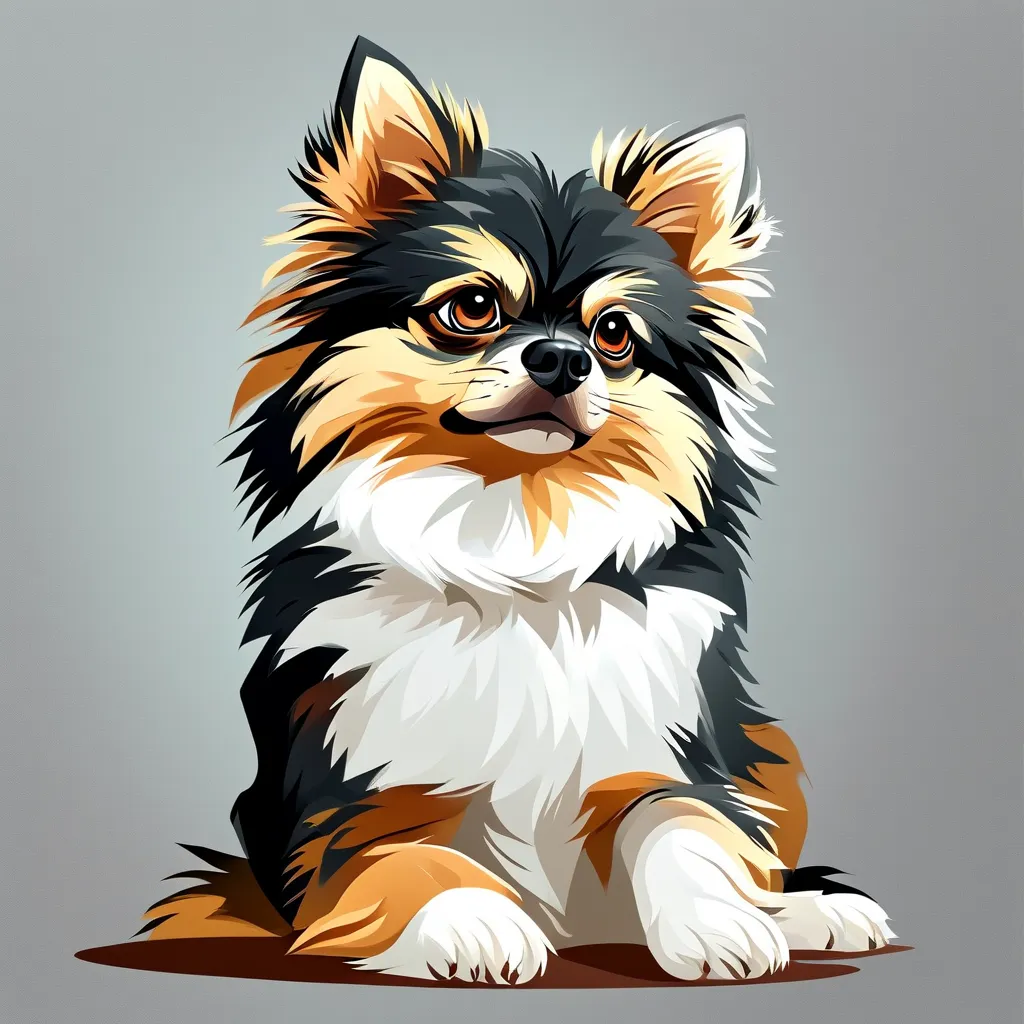 Compact Canine Cutie: Your Guide to the Teacup Pomsky (Info & Commercial)
Teenage Stage (6 months – 1 year)
From around 6 months onwards, Pomsky growth begins to slow down, but they continue developing physically and mentally. This is often referred to as the “teenage” stage for dogs. Their skeletal structure continues to mature, and muscle mass develops, particularly with increased exercise. Some larger frame development might still occur during this time. Patience is key as they navigate this phase, learning house training, commands, and social norms.
Maturity (1 year onwards)
By the time a Pomsky reaches its first birthday, it is generally considered fully grown in terms of skeletal maturity. However, some individuals, particularly those with larger Husky lineage, might continue to gain a little weight or fill out slightly beyond their first year. Their adult height is usually settled by around 12 months, though some sources suggest full skeletal maturity can be reached closer to 18 months. At this stage, maintaining a healthy weight is crucial to prevent strain on their joints.
[IMAGE_PLACEHOLDER: Infographic illustrating Pomsky growth stages: Puppies, Teenage, Adult]
Factors Influencing Pomsky Size
While genetics are the primary determinant of a Pomsky’s eventual size, several other factors can influence their growth and final dimensions:
- Breeder Practices: Reputable breeders select parent dogs based on desired traits, including size. If a breeder focuses on producing smaller specimens, the puppies are likely to be smaller.
- Genetics: The specific combination of genes inherited from the Pomeranian and Husky parents plays a significant role. A Pomsky inheriting more genes from a small Pomeranian is likely to be smaller than one inheriting traits from a larger Husky.
- Diet and Nutrition: Proper nutrition during the growth phase is critical. Overfeeding during puppyhood can lead to obesity, putting stress on developing joints and potentially leading to a larger adult size. Conversely, undernourishment during growth can stunt development.
- Health: Certain health conditions can affect growth and development. Ensuring your Pomsky receives regular veterinary care and vaccinations is essential for healthy development.
- Exercise: Regular exercise during puppyhood helps build strong muscles and healthy bones. It also aids in weight management, contributing to a healthier and potentially more proportionate adult size.
Care Considerations Based on Pomsky Size
The size of your Pomsky impacts various aspects of their care:
Exercise Needs: Smaller Pomskies (Micro and Toy) might have slightly lower exercise requirements compared to Mini or larger Pomskies, but they still need daily walks, playtime, and mental stimulation. All Pomskies are energetic and intelligent dogs that thrive on activity. Larger individuals might need more vigorous exercise to burn off energy.
Living Space: While Pomskies can adapt to various living situations, very small Micro or Toy Pomskies might be better suited to smaller apartments or houses without a yard. Larger Mini Pomskies generally require more space and benefit from homes with yards where they can run and play.
Training and Socialization: Regardless of size, consistent training and early socialization are crucial for all Pomskies. Their intelligence means they can become easily bored if not sufficiently challenged, potentially leading to destructive behavior. This applies across all size categories.
Health: Size can influence potential health concerns. Smaller dogs often have different susceptibility risks compared to larger ones. Regardless of category, Pomskies can be prone to issues common to their parent breeds, such as hip dysplasia or eye problems. Maintaining a healthy weight is key to reducing the risk of many health issues, irrespective of their size category.
Conclusion: Making an Informed Choice
Understanding Pomsky size information is a vital step for any potential owner. From the general small