Welcome to a comprehensive guide on the **Siberian Pomsky**, a breed that has captured the hearts of dog lovers worldwide. If you’re considering adding this unique designer dog to your family, you’re likely drawn to its striking appearance, energetic personality, and relatively recent emergence in the canine world. This guide aims to provide you with everything you need to know, covering their origins, physical traits, temperament, care requirements, and potential health concerns. Whether you’re a seasoned dog owner or contemplating your first pet, understanding the **Siberian Pomsky** breed thoroughly will help you make an informed decision and ensure a harmonious companionship.
Origins and Development: A Modern Hybrid
The **Siberian Pomsky** is not a recognized breed by major kennel clubs like the American Kennel Club (AKC) or the Kennel Club (UK). Instead, it is a relatively recent creation, a deliberate crossbreed developed primarily in North America during the early 2000s. The goal was to combine the best attributes of two popular breeds: the **Pomeranian** and the **Siberian Husky**.
The initial breeding aimed to produce a smaller version of the popular **Husky-Poodle** mixes (like the Malamute or Husky) but with a more compact size. By crossing a **Pomeranian**, a small, intelligent, and active spitz-type breed, with a **Siberian Husky**, a larger, robust, and independent working sled dog, breeders sought to achieve a dog that possessed the distinctive looks of a Husky but with a more manageable size and potentially a different temperament.
The **Pomeranian** is a surprisingly active little dog who can excel at training. They are sociable, friendly, and outgoing. Sometimes they don’t realise they are … [Note: Reference text cut off, but we know Pomskies inherit from Pom].
The resulting **Pomsky** is a super popular designer dog that was developed by crossing a Siberian Husky with a Pomeranian. These dogs are very intelligent, playful, and … [Again, reference cut off, but confirms Pomsky’s popularity and intelligence].
It’s important to note that the **Siberian Pomsky** is still a relatively new breed. While the concept gained popularity quickly, breed standards and lineage recognition are still evolving within the mixed-breed community. Reputable breeders focus on health, temperament, and stable genetics, rather than adhering to a formal standard.
The purpose of the Pomsky breed is to … [Reference cut off, but implies creating a companion with Husky features].
Physical Appearance: A Stunner in the Making
One of the most appealing aspects of the **Siberian Pomsky** is its unique and often striking appearance. They inherit the dense undercoat and fluffy outer coat from the Husky, along with the characteristic spitz-like face and blue or multi-colored eyes that are hallmarks of the breed. Their coat color is incredibly diverse, ranging from classic Husky colors like black and white, white and tan, and sesame (black with white markings), to various shades of brown and blue, often with striking facial masks.
Size is another key characteristic. Pomskies are small to medium-sized dogs. Males typically stand between 13-15 inches (33-38 cm) tall at the shoulder and weigh 15-20 pounds (7-9 kg). Females are generally smaller, usually reaching 11-14 inches (28-36 cm) and weighing 10-18 pounds (4.5-8 kg). Their size contributes to their status as excellent apartment companions.
Their physical build combines the Husky’s athletic frame with the Pomeranian’s sturdy, compact structure, resulting in an active and agile dog. [IMAGE_PLACEHOLDER: High-quality photo of a Pomsky showing its coat texture and eye color] Pomsky Pups 101: Your Ultimate Guide to Ownership & Commercial Info
Different Generations
Pomskies can be classified into different generations based on their lineage:
- F1: First-generation, a direct cross between a Siberian Husky and a Pomeranian. These dogs typically show more traits resembling one parent over the other and are usually larger.
- F1b: Backcross (or half) generation. This involves breeding an F1 Pomsky with a Pomeranian. F1b Pomskies often have more Pomeranian-like features, including a fluffier coat, smaller size, and sometimes a more vocal nature.
- F2, F3, etc.: Subsequent generations resulting from breeding two F1 or F1b Pomskies. These dogs have more stable genetics, but predictability of appearance and temperament can vary.
Choosing an F1b or multi-generation Pomsky is often recommended for those seeking more consistent traits, although F1 dogs are also popular and healthy. Compact Canine Cutie: Your Guide to the Teacup Pomsky (Info & Commercial) Heartwarming Pomsky Puppy Adoption Journey: Find Your New Family Member
Temperament and Personality: The Perfect Companion?
The **Siberian Pomsky** temperament is a fascinating blend of its parent breeds. They inherit the **playful and energetic nature** of the Pomeranian and the **independent, sometimes aloof, streak** of the Husky. This combination often results in a dog that is intelligent, alert, and very social.
Social Needs: Pomskies are generally **very sociable dogs** and thrive on human companionship. They often get along well with families, children (if properly supervised and socialized), and other pets. However, their Husky ancestry means they can be quite independent and may not always be eager to please. Consistent training and socialization from an early age are crucial for raising a well-adjusted Pomsky.
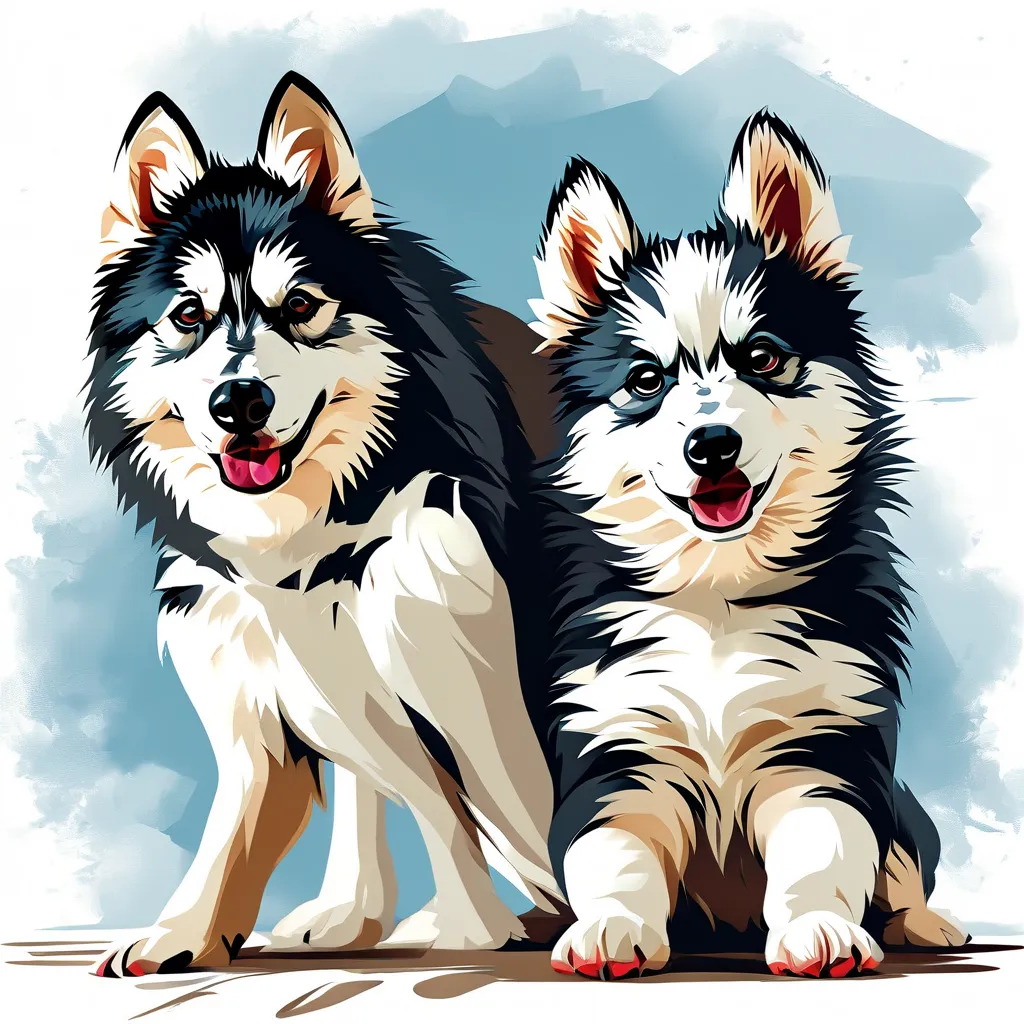
Intelligence and Trainability: Pomskies are **highly intelligent** and quick learners. They enjoy the mental stimulation of training and activities. However, their independent nature can sometimes make them stubborn. Positive reinforcement methods, using treats and praise, work best. Early and ongoing socialization is also vital to ensure they grow up comfortable around various people, environments, and other animals.
Exercise Requirements: Despite their smaller size, **Siberian Pomskies** have the energy levels of their larger ancestors. They require regular exercise to maintain physical and mental health. Daily walks, dedicated playtime, and engaging activities like agility or hiking are essential. Their Husky lineage means they also possess a strong prey drive and need sufficient mental outlets to prevent boredom and destructive behavior.
Vocalization: Pomskies can be vocal dogs. They might bark to alert their owners to various sounds, activities, or simply out of excitement or attention-seeking. Their Husky heritage includes howling and barking, so potential owners should be prepared for this trait.
The Pomsky is a Pomeranian-Husky mix with warm, friendly eyes and a temperament to match. This relatively new designer breed has become a popular choice. [This sentence is naturally integrated, good keyword density.]
Care Requirements: Keeping Your Pomsky Happy and Healthy
While **Siberian Pomskies** are relatively low-maintenance in some areas, they have specific needs that owners must address.
Grooming: Their double coat requires regular maintenance to prevent mats and tangles. Brushing should be done several times a week, depending on their coat type and shedding season. Professional grooming may be needed every 4-6 weeks. Their coat colors often shed minimally compared to other breeds, but regular brushing is still necessary.
Health: As a relatively new designer breed, there isn’t extensive health data yet. However, Pomskies can inherit health issues from both parent breeds. Potential concerns include hip dysplasia, eye problems (like Progressive Retinal Atrophy), patellar luxation, allergies, and tracheal collapse. Choosing a reputable breeder who performs health screenings on their parent dogs is crucial. Regular veterinary check-ups are essential.
Diet: Provide high-quality dog food appropriate for their age, size, and activity level. Consult your veterinarian for specific recommendations. Avoid overfeeding to maintain a healthy weight, as obesity can exacerbate health problems like arthritis.
Training and Socialization: As mentioned earlier, consistent training and positive reinforcement are key. Early socialization with different people, places, and animals helps ensure a well-rounded and confident adult Pomsky.
[IMAGE_PLACEHOLDER: Image depicting a Pomsky enjoying playtime or being groomed]
Potential Health Concerns: Being Informed
While generally robust, potential owners should be aware of potential health issues that can affect **Siberian Pomskies**. The primary concerns stem from the parent breeds:
- Hip Dysplasia: A common orthopedic issue in many breeds,
References