Essential Pomsky Haircut Information Every Owner Needs
As a proud owner of a Pomsky, you’ve likely heard the term “Pomsky haircut” thrown around, perhaps sparking some confusion. Like many breeds, Pomskies have specific grooming needs, but the concept of a traditional “haircut” often looks different than what you might imagine for other breeds. Understanding the nuances of grooming your Pomsky is crucial for their health, comfort, and overall well-being. This guide dives deep into the essential information every Pomsky owner needs to know about managing their coat, dispelling common myths, and determining if any kind of “haircut” is truly necessary or beneficial.
Understanding Pomsky Coat and Grooming Basics
Pomskies are a relatively new breed, a delightful cross between a Pomeranian and a Siberian Husky. One of their most defining characteristics is their double coat. This consists of a soft, insulating undercoat and a coarser, protective outer coat. This double coat is incredibly effective at regulating body temperature, keeping them cool in summer and warm in winter. Because of its structure, the Pomsky coat is prone to shedding, particularly during seasonal heavy shedding periods. Regular grooming isn’t just about aesthetics for your Pomsky; it’s a vital health practice.
The cornerstone of Pomsky grooming is **brushing**. Daily brushing during shedding seasons and less frequently otherwise helps remove loose hair, prevent painful mats from forming, and distribute natural skin oils throughout the coat. Neglecting brushing allows the undercoat to build up, leading to mats that can trap moisture, cause skin infections, and become extremely uncomfortable for your dog. While the term “haircut” might be used loosely online, the goal for a healthy Pomsky is primarily about grooming, not drastic shortening of the coat through shaving.
Frequency of Professional Grooming: When and What Kind?
Contrary to popular belief fueled by misleading “Pomsky haircut” searches, shaving your Pomsky is generally not recommended and can actually be detrimental. Their double coat serves a vital purpose. Shaving can remove the protective outer coat, leaving the sensitive undercoat exposed. This disrupts the coat’s natural temperature regulation, making them susceptible to sunburn (on lighter areas) or getting too cold. Furthermore, shaving can sometimes lead to skin problems and doesn’t address the root cause of coat maintenance.
Instead of shaving, the most common and beneficial grooming practice for most Pomskies involves professional trimming. This is typically done every 3 to 4 months, or more frequently during heavy shedding periods (often referred to as “blowing”). Professional groomers specializing in double-coated breeds know exactly how to handle the coat correctly. They will focus on:
- Stripping or Hand Stripping (for some areas): This technique involves removing individual hairs by hand, often used on the belly, legs, and face. It helps stimulate the skin underneath the coat, promotes healthy new hair growth, and prevents the coat from becoming too thick. This is often considered the gold standard for maintaining a healthy double coat, but it requires skill and isn’t always suitable for all Pomskies or groomers.
- Thinning or Light Trimming: This involves carefully cutting specific areas where matting is prone, such as the armpits, groin, ears (if excessive), and paws. The goal is to prevent matting and improve airflow, not to drastically change the coat length. This is often the safest and most recommended approach for most owners.
The idea of a “Pomsky haircut” often stems from owners wanting to manage a perceived thick coat or dealing with severe matting. However, a professional grooming session focused on stripping or light trimming is the appropriate way to address these concerns without resorting to shaving.
Home Care and Managing Mats: The Importance of Brushing
While professional grooming is essential, significant effort should be invested in daily or frequent home brushing. Here’s how you can help: Pomsky Husky: The Ultimate Guide to This Designer Breed
Mixing Two Majestic Breeds: The Pomsky Husky Explained
Top Tips for Pomsky Husky Owners: Everything You Need to Know
What You Need to Know About the Pomsky Husky Mix
Tools You’ll Need: What’s the Real Cost of a Pomsky? A Detailed Guide to Pomsky Pricing
- A slicker brush for removing loose undercoat and preventing mats.
- A pin brush for gently working through tangles in the outer coat.
- A dematting tool (like a loop tool or rake) for carefully removing stubborn mats, especially around the paws, base of the tail, and hind legs.
- Regular nail trims and ear cleaning are also part of overall grooming hygiene.
Techniques:
- Start Slowly: Begin brushing from the head and neck downwards towards the tail. Work in small sections.
- Be Gentle: Don’t rush or be too harsh. Work through tangles slowly and carefully. If a knot is too difficult, seek professional help rather than risking skin damage.
- Focus on Prone Areas: Pay extra attention to areas where mats commonly form, such as behind the front legs, under the armpits, around the base of the tail, and the belly.
- Regular Schedule: Aim for brushing at least 2-3 times a week, increasing frequency during heavy shedding seasons.
Proper brushing significantly reduces the need for extensive professional grooming and prevents the kinds of severe matting that might lead some owners to consider drastic measures like shaving. Consistent home care is your first line of defense against coat-related issues.
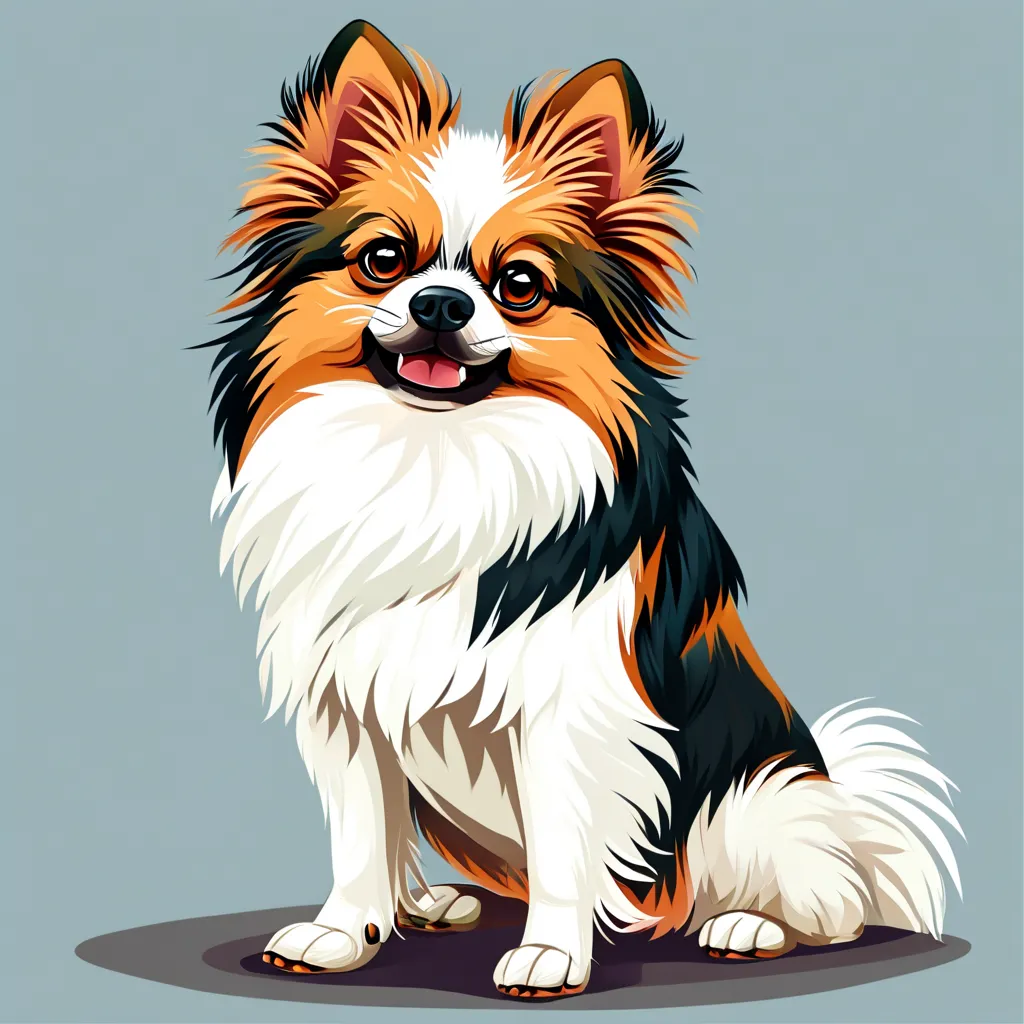
Types of Trims: Beyond the “Haircut” Concept
While a full shave is discouraged, professional groomers might offer different levels of trimming depending on the Pomsky’s coat condition and the owner’s preference: Everything You Need to Know About the Pomsky Husky Mix: A Rare Hybrid Guide
- The Maintenance Trim: A light trim focusing on removing excess hair around the paws, sanitary areas, face, and any specific mats. This is the most common and recommended type of grooming session. The coat length is generally maintained, often giving a slightly “tidied-up” appearance.
- The Show Trim (Less Common for Pet Owners): Some Pomskies are shown in conformation events. Breeders and specific groomers might perform a trim according to breed standards, which usually involves maintaining the coat length but ensuring it’s smooth and free of mats.
- The Summer Show Trim (Debated): Some breeders might shave the belly and chest slightly for shows in hot climates, but this is controversial and not universally accepted by major kennel clubs. For pet owners, this practice is strongly discouraged due to the risks mentioned earlier.
It’s crucial to understand that none of these trims aim to drastically shorten the coat like a traditional “haircut” for a single-coated breed. The focus remains on health and maintaining the natural double coat structure. Always communicate clearly with your groomer about not shaving and discuss the appropriate type of trim for your Pomsky’s specific needs.
Shedding Season and Extra Grooming Needs
Pomskies, like their parent breeds, experience heavy shedding seasons, typically once or twice a year. During these periods, their shedding can be quite significant, and they may need extra grooming attention.
Managing Heavy Shedding:
- More Frequent Brushing: Increase brushing sessions to daily or even multiple times a day during heavy shedding. This helps remove the excessive hair before it can mat.
- Vacuuming: Regularly vacuum your home, especially furniture and carpets, to remove loose hair and keep your living space cleaner.
- Professional Grooming Schedule: Consider scheduling professional grooming sessions more frequently during heavy shedding – perhaps bi-monthly – to manage the volume.
It’s during these times that the importance of regular grooming becomes even more apparent. Consistent brushing helps manage shedding and prevents the buildup of mats that can occur with the increased hair loss.
The Role of Diet and Supplements in Coat Health
A Pomsky’s diet plays a significant role in the health and quality of their coat. A balanced diet rich in essential fatty acids (like omega-3 and omega-6) supports skin and coat health, making the coat shinier and potentially reducing shedding. Good quality dog food, or high-quality commercial diets formulated for skin and coat health, is the foundation.
Supplements can also be beneficial:
- Omega Fatty Acids: Fish oil supplements can improve coat condition and reduce inflammation.
- Vitamin E: An antioxidant that can support skin health.
- Biotin: Sometimes recommended for improving coat texture and shine, though consult your vet first.
Always consult your veterinarian before introducing any new supplements to ensure they