Pomsky Breeding: A Comprehensive Guide to Responsible Practices and Health Considerations
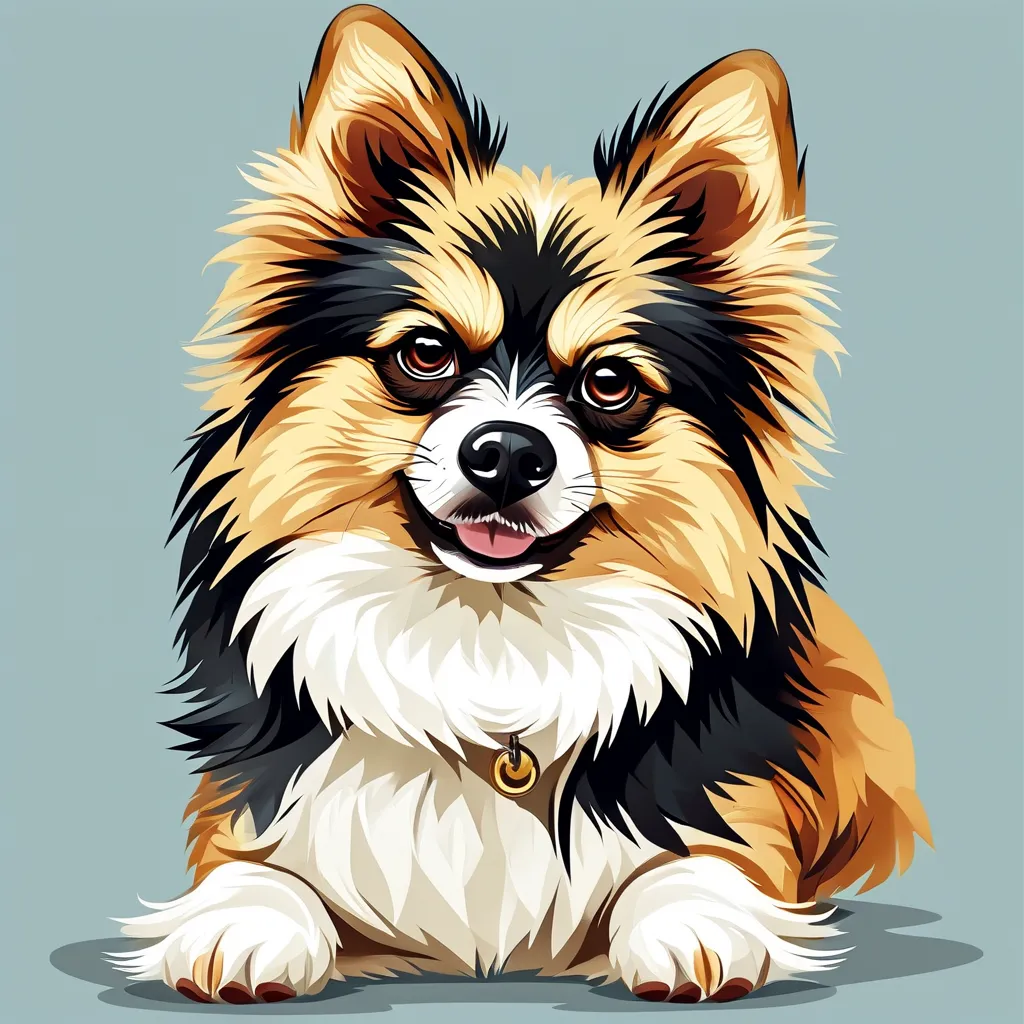
The Pomsky, a captivating blend of the Pomeranian and Siberian Husky, has surged in popularity as a designer dog breed. Their striking appearance, energetic personalities, and perceived “puppy-like” demeanor make them highly sought-after companions. However, the growing demand has also led to increased interest in their breeding. Understanding the complexities and responsibilities involved in Pomsky breeding is crucial for anyone considering embarking on this venture. This guide delves into the world of Pomsky breeding, covering the fundamentals, responsible practices, and essential health considerations.
Understanding the Pomsky: Origins and Genetic Mix
Before diving into the specifics of breeding, it’s important to grasp what makes the Pomsky unique. The Pomsky is a relatively new breed, officially recognized by some kennel clubs only in recent years, though individual breeders have been creating them for longer. Its origins typically lie in a cross between a Pomeranian and a Siberian Husky. This designer mix aims to combine the smaller size and fluffy coat of the Pomeranian with the larger frame, wolf-like features, and energetic nature of the Husky.
Standard Breeding Practices: Traditionally, and often recommended by reputable organizations and experienced breeders, the Pomsky is created by breeding a male Pomeranian (Stud) with a female Siberian Husky (Dam). This specific pairing helps manage the size expectations, preventing the potential for overly large dogs that might inherit certain conformational issues or health problems more common to larger breeds. The goal is typically to achieve a dog that is smaller than a standard Husky but retains the characteristic looks and temperament of both parent breeds.
Genetic Diversity and Designer Breeders: While the Husky x Pomeranian cross is the most common, some breeders attempt to create smaller Pomskies by crossing a Pomsky with a purebred Pomeranian. However, this practice requires careful consideration and expertise. Introducing a purebred Pomeranian can influence size, but it may also inadvertently increase the risk of inheriting genetic health problems prevalent in Pomeranians, such as luxating patellas or eye issues. Furthermore, breeding involves more than just mixing sizes; it requires attention to health, temperament, and overall genetic soundness. While the use of other breeds besides Husky and Pomeranian is sometimes debated, sticking to these foundational breeds is generally preferred by experienced Pomsky breeders to maintain the desired characteristics and minimize potential genetic complications. The Pomsky breed is still evolving, and standards continue to be refined by developing breed clubs.
Responsible Pomsky Breeding Practices
Responsible breeding is the cornerstone of ethical Pomsky breeding. It goes beyond simply pairing two dogs to produce puppies; it involves careful planning, health management, and a genuine commitment to the well-being of the dogs and their future owners. Breeding should never be approached lightly or as a commercial venture without adequate knowledge and resources.
Thorough Research and Preparation
Before acquiring any breeding dogs, extensive research is essential. This includes understanding:
- Breed Standards: Familiarize yourself with the characteristics, ideal temperament, and physical traits expected in a Pomsky according to recognized breed standards.
- Temperament Evaluation: Both parent breeds have distinct temperaments. Huskies are known for their independence and potential for wanderlust, while Pomeranians can be vocal and active. Responsible breeders assess the temperament of their dogs, looking for a balanced, friendly, and stable disposition suitable for a family companion.
- Health History: Obtain comprehensive health records for both prospective breeding dogs, including vaccinations, parasite control, and documented health clearances for breed-specific conditions.
- Living Environment: Ensure you have a suitable home and environment capable of providing for the energy levels, needs, and potential temperament of both the parent dogs and the puppies. This includes space, secure fencing (especially for Huskies), and proper socialization facilities.
Health Testing and Genetic Management
Given the relatively new status of the Pomsky and the fact that it combines genes from two distinct breeds, health testing is paramount. Breeding without proper health screening significantly increases the risk of passing on hereditary conditions. Key health tests to consider for both Pomeranian and Siberian Husky lines include:
- Ophthalmologist Examination: To screen for common eye problems like Progressive Retinal Atrophy (PRA), Cataracts, or Lens Luxation.
- Hip Dysplasia: Particularly relevant for Huskies, screening helps identify dogs with this common orthopedic issue.
- Luxating Patellas: Common in small breeds like Pomeranians, checking for this condition is crucial.
- Cardiac Evaluations: Screening for heart conditions common to either parent breed.
- Thyroid Function Tests: Hypothyroidism is prevalent in Pomeranians.
- Husky-Specific Considerations: Be aware of breed-specific conditions like von Willebrand’s disease (vWD), a bleeding disorder.
Working with a veterinarian experienced in breed health and potentially collaborating with a canine geneticist or health testing coordinator can provide guidance on the necessary tests and reputable laboratories. Responsible breeders maintain detailed records of health clearances for their breeding stock and puppies.
Breeding Soundness Examination
Both the male and female breeding dogs should undergo a breeding soundness examination (BSE) by a veterinarian. This comprehensive check-up assesses the physical and reproductive health of the dogs, ensuring they are capable of breeding and carrying puppies to term without undue health risks. Newborn Pomsky Informational Guide: Essential Tips for First-Time Owners How to Know If Your Pomsky Will Get Bigger: An Informational Guide to Size Prediction
Matings and Gestation
Most Pomsky breedings are performed via artificial insemination (AI) due to the size difference between the breeds and the often unpredictable heat cycles of female Huskies. Natural mating is also possible but requires careful planning and management. The gestation period for a Pomsky, being a Husky mix, typically lasts around 63 days. Pomsky vs Husky: Uncovering the Similarities and Differences
Whelping and Puppy Rearing
Preparing for the arrival of puppies involves setting up a safe and warm whelping box. Close monitoring during labor and delivery is usually necessary. After birth, puppies require meticulous care, including:
- Regular feeding and monitoring of temperature.
- Appropriate weaning schedule.
- Early and extensive socialization.
Breeders must be prepared to hand-raise puppies if complications arise or if the mother is unavailable. This requires significant time, dedication, and often specific skills.
Health Considerations for Pomskies
While Pomskies inherit desirable traits from both parents, they are also susceptible to certain health issues. Many of these are inherited from the Pomeranian or Siberian Husky lineage, while others may arise from the unique combination or irresponsible breeding practices. Prospective owners and breeders should be aware of these potential concerns.
Common Health Issues
Based on the parent breeds, Pomskies may be prone to:
- Dental Problems: Small breed dogs often suffer from overcrowded teeth, leading to tartar buildup, gum disease, and the need for dental extractions.
- Eye Issues: Cataracts, Progressive Retinal Atrophy (PRA), and Lens Luxation, particularly if inherited from the Pomeranian line.
- Hip and Elbow Dysplasia: While potentially less severe than in larger breeds, these orthopedic conditions can still occur, especially if Husky lineage is significant or if breeding practices don’t prioritize soundness.
- Luxating Patellas: Common in small breeds, particularly Pomeranians.
- Hypothyroidism: An endocrine disorder more common in Pomeranians.
- Husky-Specific Concerns: von Willebrand’s disease (vWD), zinc deficiency (though less common in well-nourished dogs), and potential sensitivity to anesthesia.
Size Management
One of the primary concerns in Pomsky breeding is managing size. Breeding a Pomeranian to a Husky aims for a smaller dog than a pure Husky but larger than a standard Pomeranian. However, irresponsible breeding, such as crossing a Pomsky with a Pomeranian, can produce dogs that are too small or too large, potentially increasing the risk of health problems related to size (e.g., tracheal collapse in very small dogs, joint issues in larger ones). Reputable breeders focus on achieving a balanced size appropriate for the breed standard.